
Mexico Captures 'Chapo Isidro,' an FBI Most-Wanted Fugitive, After a Night of Gun Battles in Sinaloa
Mexico's special forces captured Fausto Isidro Meza Flores, the FBI most-wanted fugitive known as Chapo Isidro, in Guasave, Sinaloa, on Friday night. The Defense Ministry said seven alleged cartel gunmen and four Mexican soldiers were killed.
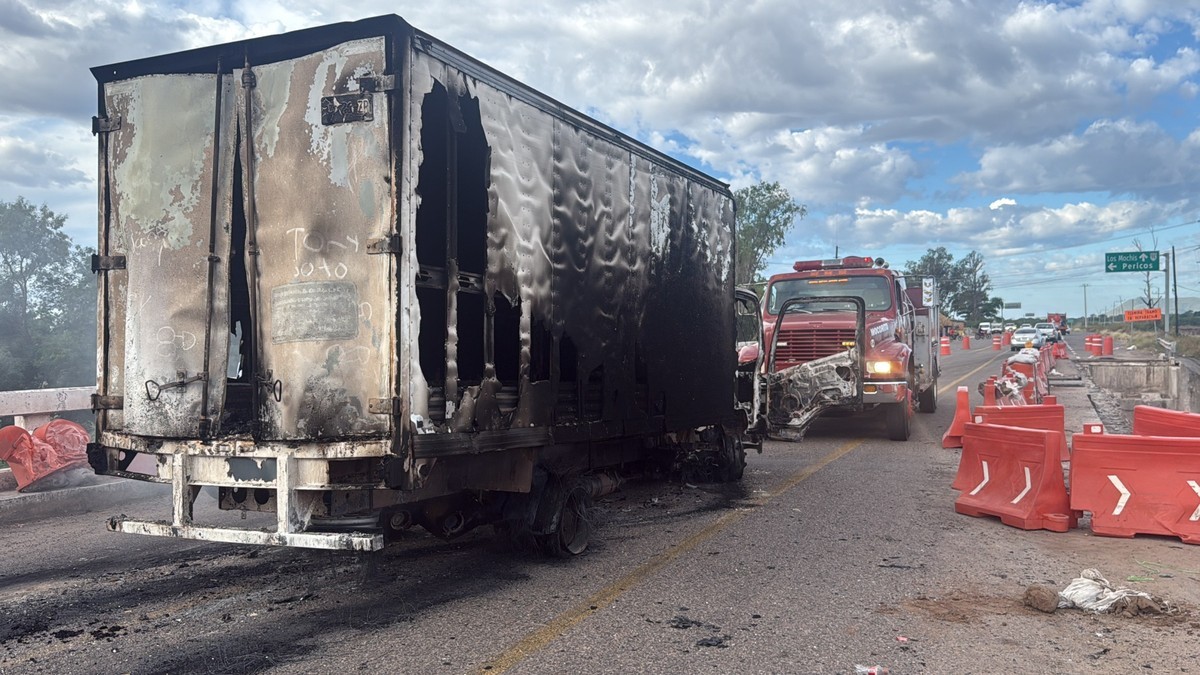
Folks, the man the FBI had on its Ten Most Wanted list was taken out of a house in Guasave, Sinaloa, on Friday night, and by Saturday morning the city around him had been shot up, blocked off and set on fire. Fausto Isidro Meza Flores, known as "Chapo Isidro," was seized by Mexican special forces working with U.S. intelligence, Mexico's Defense Ministry said. His own government and Washington both called it a win. Then the Defense Ministry released the bill: seven alleged cartel gunmen and four Mexican soldiers dead.
Mexico Captures 'Chapo Isidro,' an FBI Most-Wanted Fugitive, After a Night of Gun Battles in Sinaloa
Guasave, Mexico — The operation that ended more than a decade on the run took three phases, and the second one came under fire.
The Raid in Guasave
Mexico's Secretariat of National Defense said in a statement issued early Saturday that the arrest came from coordination between its own intelligence agencies and those of the United States, within the framework of bilateral cooperation between the two countries. The units named in the statement were the National Guard's special forces, known as the Lobos, or Wolves, and the Army's special forces, known as the Murciélagos, or Bats, alongside Army special forces seconded to Sinaloa's state public security ministry.
The ministry described three phases. The force reached the target area quietly and by surprise along different land routes. It then set an internal and external cordon to stop an escape or the arrival of reinforcements. Only then, after coming under attack with guns and explosives, did the troops enter the house and make the arrests. Once identities were confirmed, the detainees were flown to Mexico City on a Mexican Air Force aircraft to face prosecutors.
The Associated Press reported that eight people were detained in all. Security Secretary Omar García Harfuch said on X that the others included Germán "N," alias "Serafín," described as the group's second in command, and José "N," described as its financial operator.
A City Under Fire
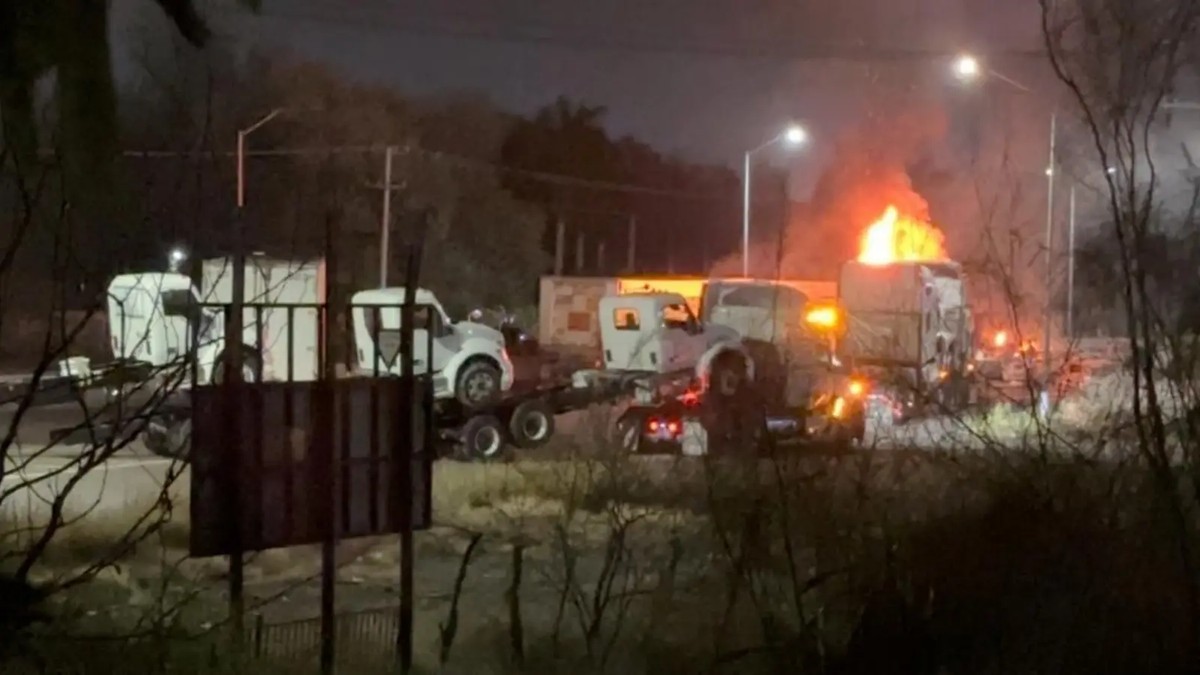
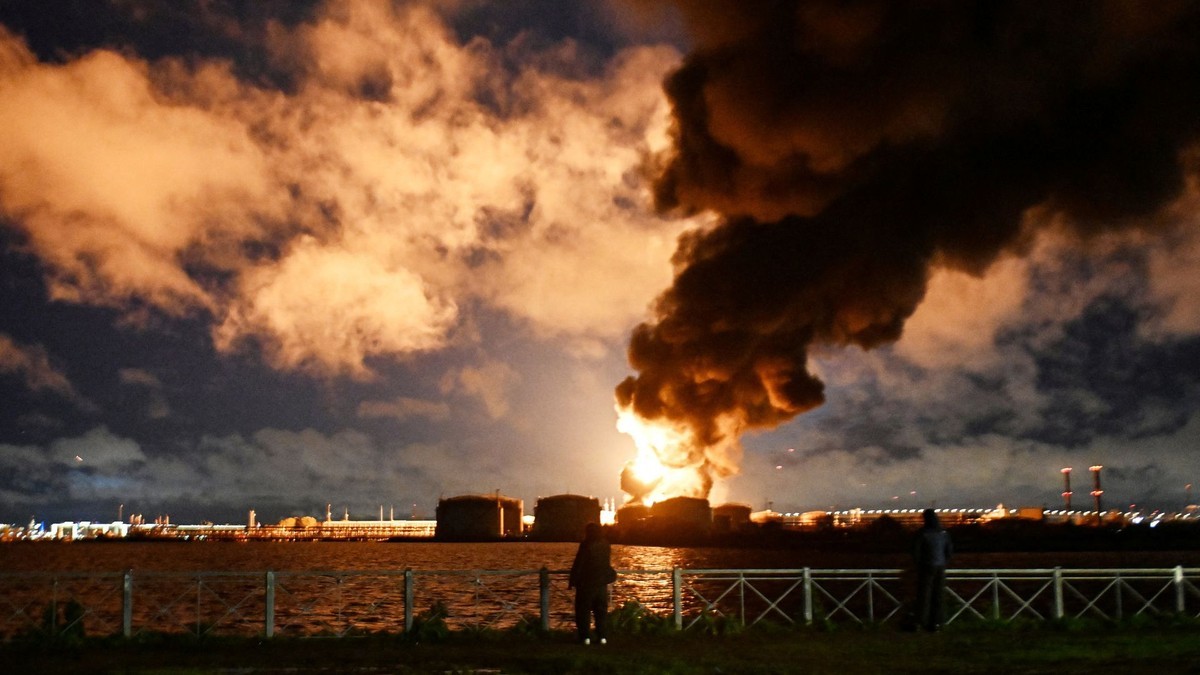
Residents told the AP the shooting began around 7 p.m. Friday in a municipality of about 290,000 people. Military helicopters and drones came up over the city, and the helicopters opened fire on locations below. CNN said it had geolocated video showing bursts fired toward the ground from aircraft over Guasave.
At Kuroda Park, the Venados de Mazatlán were playing the Algodoneros de Guasave in the Liga Mexicana when the gunfire reached the stadium. Fans climbed over barriers and ran from the stands. The broadcast stopped mid-game, the commentators telling viewers: "Se suspende la transmisión... hay una situación fuera del campo."
The Defense Ministry said blockades went up in Ahome, Guamúchil, Guasave and Navolato, and that an anti-blockade plan was activated to reopen the roads. Sinaloa's state government told residents of Guasave to stay indoors and off the highways. Firefighter Paola Sánchez said businesses, cars and trucks burned, and that her crews sheltered in the station until Saturday morning before being sent out to check what was still smoldering. Local journalist Alma Camacho put it plainly. "The fighting was happening all over Guasave," she said. "It spread throughout the city."
Eleven Dead
The first government statements did not mention casualties. On Saturday afternoon, the Defense Ministry said seven alleged cartel gunmen and four Mexican soldiers had been killed, a toll the AP reported as at least eleven people dead.
García Harfuch publicly lamented the deaths of the four soldiers. In Washington, Attorney General Todd Blanche offered "condolences to the families of the elite soldiers who were killed" and called the operation the result of "a bilateral effort to eliminate terrorists in Mexico."
Getting the prisoner out was its own fight. A federal official, speaking on condition of anonymity because he was not authorized to discuss the case, told the AP that the army and National Guard special forces could not extract Meza Flores from Guasave until 4 a.m. Saturday, because cartel members held at least ten roadblocks of burning vehicles in the streets. The official said the extraction itself was extraordinary. The government's casualty statements have not identified any civilians among the dead.
The Man on the List
The Justice Department says Meza Flores is 44 and from Sonora, Mexico; the FBI's wanted notice gives his date of birth as June 19, 1982. He was added to the FBI's Ten Most Wanted Fugitives list on February 4, 2025, as the 533rd person placed on the roster, and the State Department's Narcotics Rewards Program offered up to $5 million for information leading to his arrest or conviction.
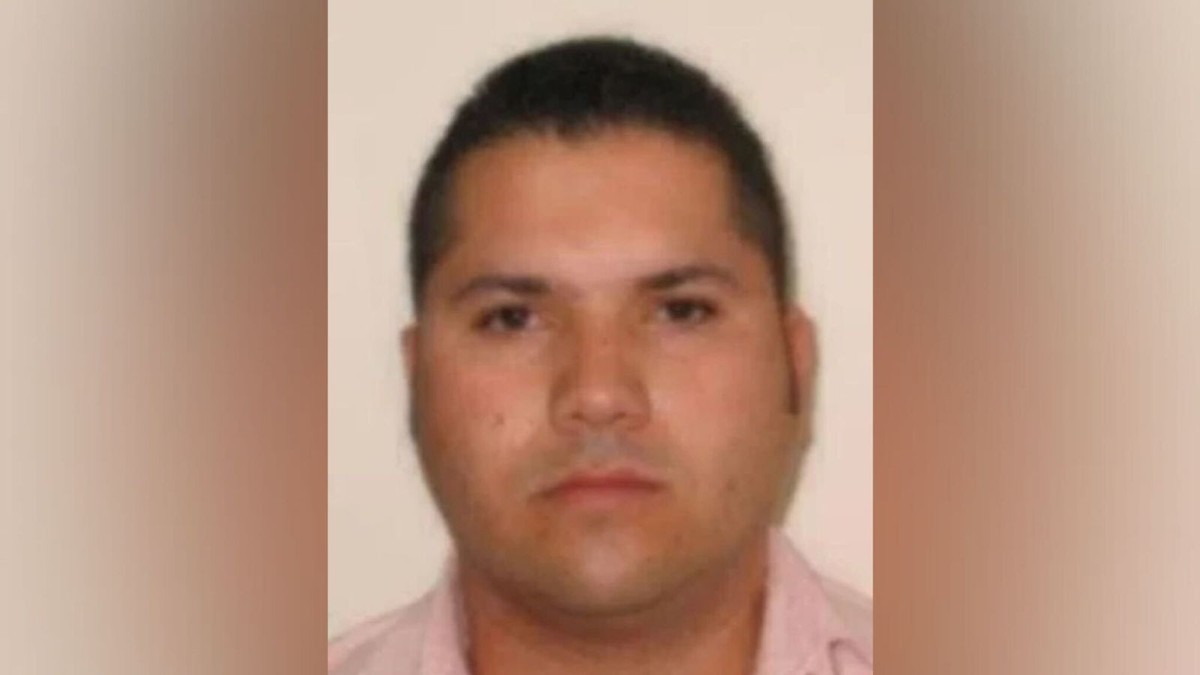
Federal prosecutors first indicted him in the District of Columbia in May 2012. A superseding indictment and arrest warrant followed on November 26, 2019. A federal grand jury returned a second superseding indictment on September 25 of this year, and the Justice Department says it charges six counts: leading a continuing criminal enterprise; conspiracy to manufacture and distribute cocaine, methamphetamine, heroin, marijuana and fentanyl for import into the United States; international money laundering conspiracy; conspiracy to provide material support to a terrorist organization; narcoterrorism; and using a firearm, including a machinegun and a destructive device.
If convicted, the Justice Department says he faces the death penalty or a mandatory term of life in prison. The case is being prosecuted by the U.S. Attorney's Office for the Southern District of California and the department's Money Laundering, Narcotics and Forfeiture Section. None of those charges has been tested in court.
A Decade in the Shadows
BBC Mundo reports that Meza Flores is believed to have been in the drug trade since the 1990s, and that he survived so long partly by keeping his head down. He rose through the Beltrán Leyva organization, then broke away. A split between rival factions drove a surge of violence, and by 2013 he had established his own cartel.
That year the U.S. Treasury sanctioned him under the Kingpin Act, freezing his assets and describing his group as locked in an "extremely violent turf war" with the Sinaloa Cartel, then led by Joaquín "El Chapo" Guzmán, who is now serving a sentence in the United States. In 2013 he was reported at a youth basketball game with family in San Pedro Garza García, in Nuevo León.
The BBC reports that the FBI added him to its most-wanted list after Mexican authorities linked his organization to 20 million fentanyl pills seized in 2024. When he was listed, the FBI's then-acting director, Brian Driscoll, said his organization had unleashed a "scourge of illicit drugs" into the United States from across the southern border and stood accused of crimes "ranging from kidnapping and extortion to torture and murder."
What Washington Says He Ran
The Justice Department calls him "an alleged leader of the Sinaloa Cartel" in its own release. According to the court documents it cites, his organization produced and trafficked "multi-tonnage quantities" of cocaine, methamphetamine, heroin, marijuana and fentanyl into the United States, and he commanded "a large contingent of gunmen" controlling territory in Guasave, Los Mochis and the remote Sinaloa mountains.
The FBI names the organization the Meza-Flores Transnational Criminal Organization and describes it as a "heavily armed, major drug-trafficking organization." Mexican officials and Mexican press also call it Los Mazatlecos, and the Cártel de Guasave — the Guasave cartel.
Washington's praise was direct. FBI Director Kash Patel said: "Another FBI Ten Most Wanted fugitive is off the board." He called it the eleventh Ten Most Wanted fugitive captured under the Trump administration. Assistant Attorney General A. Tysen Duva called Meza Flores "the most dangerous man in Mexico." U.S. Attorney Adam Gordon said: "Chapo Isidro built an empire in the shadows. Today's sunrise was his sunset." The Drug Enforcement Administration said the capture delivered "a significant blow" to an organization it accuses of trafficking fentanyl — which it called "a designated weapon of mass destruction" — into American communities.
Two Governments, Two Descriptions
The two governments do not describe the same organization. The Justice Department places Meza Flores inside the Sinaloa Cartel. Mexico's Defense Ministry places him at the head of the Beltrán Leyva organization and describes him as an ally of the Mayos faction of the Cartel del Pacífico.
Those are not the same claim. One puts him in charge of the cartel itself; the other puts him in charge of a separate organization that fights alongside one of its factions. And the difference carries legal weight, because two of the U.S. counts, conspiracy to provide material support to a terrorist organization and narcoterrorism, rest on the State Department's February 20, 2025 designation of the Cartel de Sinaloa as a foreign terrorist organization.
The record also carries two versions of the second man's identity. Mexico names him only as Germán "N," alias "Serafín." The Justice Department names him as German Rolando Galvez Meza. Both versions are on the record. Neither government has reconciled them.
The Kingpin Strategy and Its Bill
Mexican security analyst David Saucedo told the AP that the capture is "a product of pressure from the United States," and that the strategy removes figureheads without removing the machine. "They arrested the No. 1 and No. 2," he said, "but the entire network of hit men, street-level drug dealers, businesses and political and police connections remains intact."
That is the old kingpin strategy, and its bill is usually paid by the state that loses the capo. The AP reported that experts warn the capture could set off another wave of violence in a region already caught in a power struggle between warring factions of the same cartel.
The pattern is recent and documented. The government says it killed Jalisco New Generation Cartel leader Nemesio Oseguera Cervantes, known as "El Mencho," in February. President Claudia Sheinbaum has moved against criminal groups more aggressively than her predecessors, and homicides have fallen significantly during her two years in office, according to NPR. Mexico has welcomed more American cooperation but has resisted a U.S. military presence on its soil.
What Happens Next
Meza Flores now sits inside two legal systems at once. The Defense Ministry says he faces a Mexican arrest warrant for organized crime and drug offenses, and a U.S. extradition warrant for conspiracy to distribute drugs on American territory. As of Saturday evening, no extradition timetable had been announced, and officials had not said whether he would be handed to the United States or tried first in Mexico.
The more immediate question is Sinaloa. His organization fought alongside the Mayos faction against a rival faction for control of the northern state, and the AP described his capture as a blow to that side of the war. Whether the removal of a leader whose network survives him produces calm or another round of killing is the part nobody in Guasave can answer yet.
Washington, for its part, is counting. Patel said this is the eleventh fugitive taken off the Ten Most Wanted board under this administration. Meza Flores was the 533rd person ever placed on that list. He is now in custody.
What This Story Does Not Establish
Meza Flores has been charged, not convicted. No court has tested the drug, money-laundering, firearms or terrorism counts, and the Justice Department's own summary of them uses the word "alleged" throughout.
No extradition decision or timetable has been announced. Authorities have not named the other people detained beyond Serafín and José "N." No civilian death toll has been published, and the government's count of eleven covers only alleged gunmen and soldiers.
Nor has either government explained what intelligence Washington actually supplied, or how the two countries divided the work. Mexico's statement gives no detail beyond saying the coordination happened within the framework of bilateral cooperation. What is documented is the outcome: a man from the FBI's ten-most-wanted board is in custody, eleven people are dead, and a city in Mexico's agricultural heartland spent a night under helicopter fire.
By Jessica Ali, Staff Writer
This article was produced with AI-assisted research and editorial support. Sources: the U.S. Department of Justice, Mexico's Secretaría de la Defensa Nacional, the Associated Press, Reuters, BBC Mundo, CNN en Español, NPR, La Jornada, El Universal, Reforma and SDP Noticias. Photographs: AP Photo/Martin Urista; an FBI handout photograph carried by CNN; Reuters, carried by BBC Mundo. Any editorial cover card is produced in-house.
What's Your Reaction?
 Like
0
 Dislike
0
 Love
0
 Funny
0
 Wow
0
 Sad
0
 Angry
0

Editor-in-Chief at Global1.News. Atlanta-based journalist who cuts through the BS and tells it like it is. Lead anchor, host, and the voice you hear when the spin stops and the truth starts.









Comments (0)