
Wildfire Smoke Tests World Cup Final in New Jersey
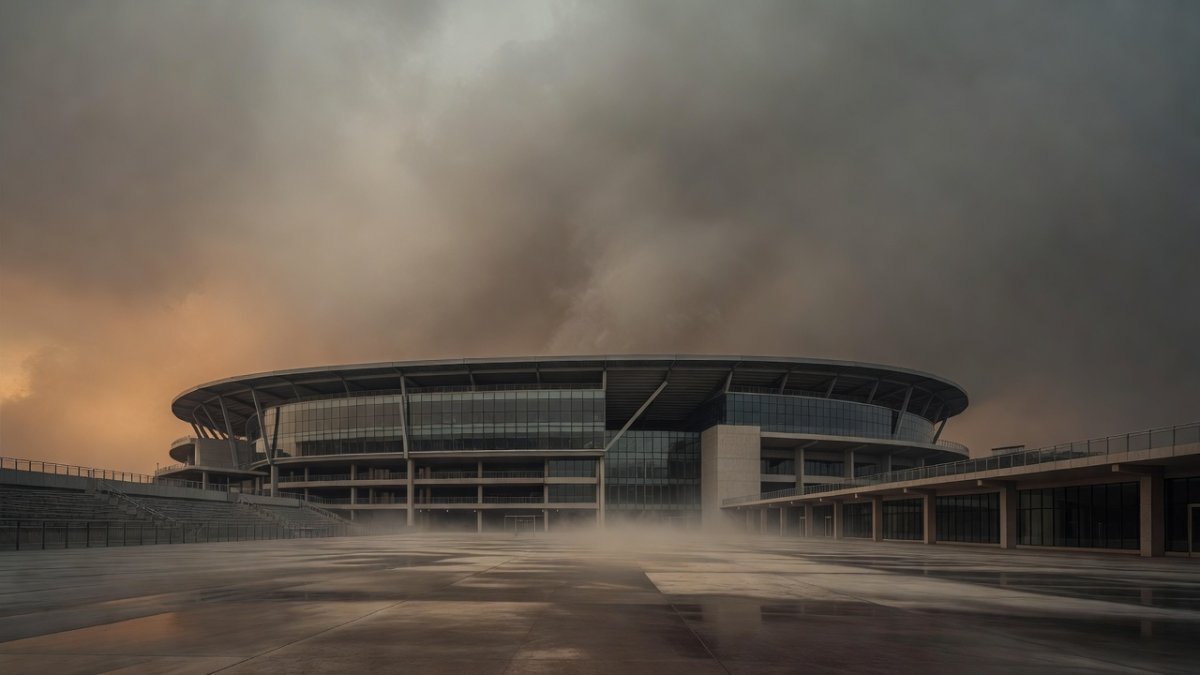
The Canadian wildfires sent thick smoke billowing across the northeastern United States, blanketing New York and New Jersey with hazardous haze just days before the FIFA World Cup final between Spain and Argentina at the New York New Jersey Stadium in East Rutherford. The biggest match in world football faced the very real prospect of toxic skies and disrupted preparations, with New York briefly recording the worst air quality on the planet.
The Canadian wildfires sent thick smoke billowing across the northeastern United States, blanketing New York and New Jersey with hazardous haze just days before the FIFA World Cup final between Spain and Argentina at the New York New Jersey Stadium in East Rutherford. The biggest match in world football faced the very real prospect of toxic skies and disrupted preparations, with New York briefly recording the worst air quality on the planet. Organisers, players and 80,000 fans waited to see whether the storm front would clear the air in time for kick-off at 3pm local time on Sunday.
Wildfire Haze and Thunderstorms Test World Cup Final Preparations in New Jersey
East Rutherford, United States – 18 July 2026 — More than 950 wildfires raged across Canada as smoke drifted south, turning the skies over the twin host states a soupy grey and forcing air quality warnings across the east coast. The New York New Jersey Stadium, still carrying its old MetLife name in many local references, stood ready to host the European champions Spain against holders Argentina, yet the environmental conditions threatened to overshadow the occasion itself.

Smoke Over the Biggest Match on Earth
At one point on Friday New York held the worst air quality rating in the world, with the Canadian Wildland Fire Information System confirming more than 950 active wildfires. A visible haze reduced visibility across New York and New Jersey on Saturday, triggering unhealthy air warnings that stretched along much of the US east coast. FIFA remained in constant contact with local authorities while monitoring stadium conditions for the 3pm local time kick-off.
The air quality index was forecast to improve from unhealthy levels on Saturday to moderate for sensitive groups by Sunday in East Rutherford, offering little to no health risk for the general public. Still, the lingering smoke raised immediate questions about player welfare and spectator comfort inside the 80,000-capacity venue. Tournament organisers knew any deterioration could force last-minute adjustments to the biggest fixture in global football.
New York issued a code red citywide alert as the haze thickened, with the Statue of Liberty vanishing behind the orange-brown veil and Newark airport reporting multiple flight cancellations. The disruption reached the 1.6 billion worldwide television audience expected for the final, while an NWSL match earlier in the week had already been played under the same haze, complete with extra hydration breaks to protect the players.
All seven previous games at the New York New Jersey Stadium sold out, underlining the electric demand for the final even as the smoke forced fans to weigh travel risks against the chance to witness Spain and Argentina clash. The sold-out run created a charged atmosphere where every ticket holder knew the haze could turn the journey into a test of endurance before the first whistle.
Storm Warning: Thunder, Rain and a Suspended Training Session
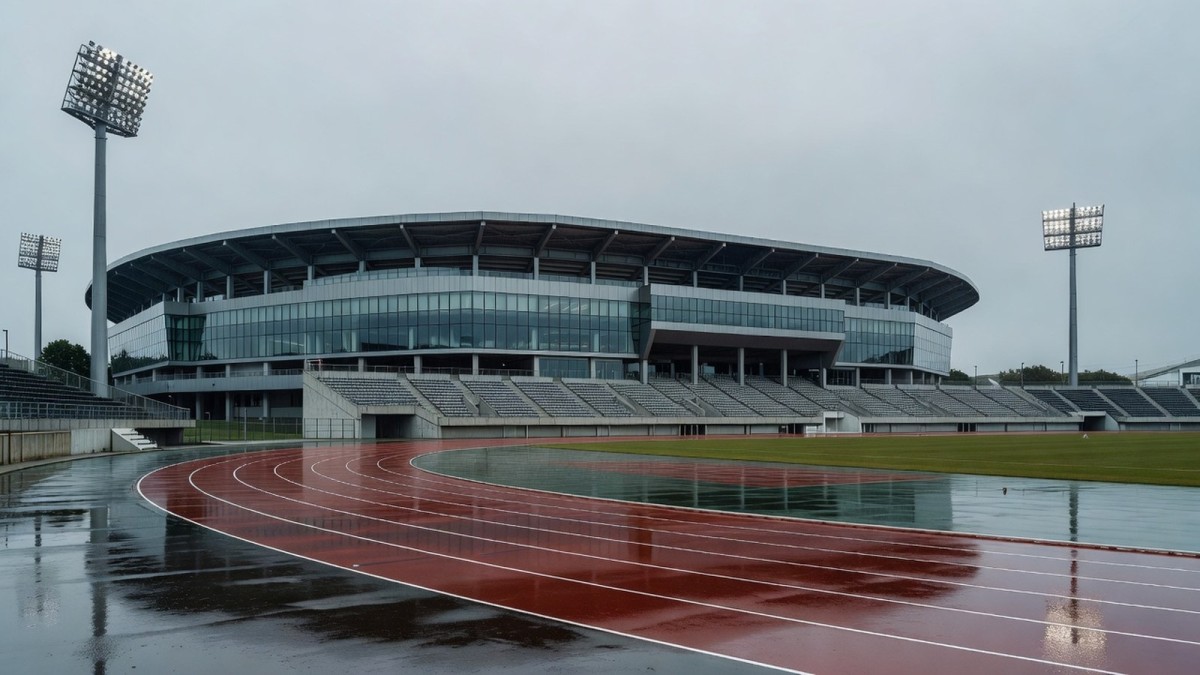
A thunderstorm swept through the region on Saturday afternoon, bringing heavy rain and loud thunder directly over the New York New Jersey Stadium. State police ordered everyone out of the seating bowl and onto the field to seek shelter, while volunteers and staff scrambled indoors as ponchos were distributed. New Jersey Governor Mikie Sherrill issued warnings about damaging winds, possible tornadoes, flash flooding and large hailstones.
Spain’s final training session at the nearby Melanie Lane Training Ground was suspended under US storm safety protocols. The Spanish football federation confirmed players moved to an indoor warm-up, but FIFA stated no second outdoor slot would be available. Argentina, by contrast, completed their scheduled 1:30pm outdoor session without reported concerns over air quality or weather, with Lionel Messi and the squad showing no visible discomfort.
New York Mayor Zohran Mamdani posted on X urging residents to stay indoors and avoid unnecessary travel. The National Weather Service added that smoke would continue to affect the area through the afternoon, compounding the tension as the storm front passed directly over the stadium bowl.
The Lincoln Tunnel linking Manhattan and New Jersey stood famously congested on final day, with parking restricted to guests and VIPs only, while NJ Transit slashed matchday return fares from $150 to $98 after a government subsidy and offered $20 shuttle buses from Manhattan to ease the crush. FIFA held talks with Trump at Trump Tower on Friday afternoon that triggered road closures on Fifth Avenue, and the president was expected to arrive by Marine One helicopter at Teterboro airport before presenting the trophy alongside Infantino, adding another layer of logistical strain to an already weather-battered weekend.
The Forecast That Saved the Final
Meteorologists predicted the passing storm front would largely sweep the thickest smoke out of the northeast before kick-off. AccuWeather senior meteorologist Tyler Roys stated the heaviest smoke would clear, leaving only faint haze that spectators might still smell but which posed no danger. WFLA chief meteorologist Jeff Berardelli echoed that the front would “sweep the atmosphere clean,” dramatically improving conditions by Sunday.
Temperatures were expected around 27C with light breezes and lower humidity at kick-off, creating far more comfortable conditions than the soupy grey skies of Saturday. US President Donald Trump was among the expected 80,000 crowd alongside Mexico’s President Claudia Sheinbaum and Canadian Prime Minister Mark Carney. White House World Cup task force director Andrew Giuliani confirmed organisers were monitoring developments closely right up to match time.
Climate Change Is Now a Sports Story
Extreme weather has already forced adjustments in other competitions, including NWSL matches played under orange-brown haze with mandatory extra hydration breaks. Organisers had initially worried about summer heat at MetLife, sparking a hydration breaks debate long before the smoke arrived, and the sudden shift from temperature fears to air quality alerts showed how quickly multiple climate threats can converge on one venue. Chelsea’s Enzo Fernandez had already flagged the dangerous heat at last year’s Club World Cup semi-final at the same stadium, proving the pattern of extreme conditions was no surprise to players who had felt it firsthand.
Governing bodies worldwide are being forced to rewrite protocols around air quality, lightning safety and extreme temperatures. The World Cup final’s narrow escape from toxic skies shows that even the sport’s showpiece event is no longer immune. These disruptions are no longer isolated incidents but part of a widening pattern affecting training, travel and match timing across multiple continents, forcing federations to treat climate resilience as a core part of tournament planning rather than an afterthought.
What This Means for South African Sport
South African football, cricket and rugby already contend with their own extreme weather patterns that disrupt domestic calendars and national team preparations. SAFA and CSA must now factor air quality monitoring and lightning protocols into planning for future international fixtures and potential hosting bids, exactly as FIFA did in New Jersey. The MultiChoice Diski Challenge and Premier Soccer League matches have been postponed in recent seasons due to heavy rain and heat, proving local leagues face similar pressures.
Player welfare standards set by SASCOC and SARU will need updating to include wildfire smoke and humidity thresholds, protecting athletes in the same way Argentina’s squad was protected during their unaffected outdoor session. Transformation programmes at grassroots level could suffer if extreme weather shortens seasons or forces indoor alternatives that many township clubs cannot access. National pride in Springbok and Proteas performances remains tied to stable scheduling that climate resilience planning can help secure.
The PSL has already seen rain-postponed matches this season, while Bafana Bafana’s summer schedule and cricket’s heat policy both require clearer guidelines. The Springboks’ rugby calendar faces similar questions, and SAFA, CSA and SASCOC will need coordinated responses if South Africa is to bid seriously for AFCON or a future World Cup. Township clubs, already stretched for resources, stand to lose the most when weather forces training indoors or shortens the season.
South Africa’s summer of sport, from the opening PSL fixtures and Bafana Bafana qualifiers through the SA20 and Springboks tests, will now be watched through a sharper climate lens, with every scheduling decision measured against the same air quality and storm protocols that nearly derailed the World Cup final. Federations know that fans and players alike expect the same real-time monitoring that kept the New Jersey showpiece on track.
What to Watch For
Governing bodies will accelerate investment in climate-resilient stadium design and real-time air quality dashboards ahead of future tournaments. SAFA and CSA are expected to review hydration break policies and lightning safety rules for the upcoming domestic summer, drawing directly from the New Jersey experience. South Africa’s own summer schedule, including the start of the new PSL season and international rugby windows, will test whether these lessons translate into practical safeguards for local players and fans.
The narrow margin by which the World Cup final avoided toxic conditions serves as a clear signal that environmental planning must sit at the centre of every major sporting decision. South African sport, with its passionate fan base and ambitious hosting aspirations, cannot afford to lag behind.
The new PSL season, Bafana Bafana qualifiers and the SA20 will all serve as early tests of how quickly local federations adopt the same monitoring systems used in New Jersey. How climate protocols evolve in the coming weeks will shape whether South African players and fans enjoy the same protection the World Cup final ultimately received.
South Africa’s hosting ambitions for AFCON and a potential World Cup bid will hinge on demonstrating the same climate-ready infrastructure that saved the New Jersey final, with SAFA and CSA under pressure to prove stadiums and transport networks can withstand smoke, storms and heat without last-minute scrambles. The lessons from East Rutherford now sit at the heart of every future bid document.
By Dante Williams, Staff Writer
This article was produced with AI-assisted research and editorial support. Reporting is based on sources cited in the article.
What's Your Reaction?
 Like
0
Like
0
 Dislike
0
Dislike
0
 Love
0
Love
0
 Funny
0
Funny
0
 Wow
0
Wow
0
 Sad
0
Sad
0
 Angry
0
Angry
0

Breaking News and Investigations Correspondent at Global1.News. Based in London, covering global breaking news, security, and investigative stories. Known for digging deeper and connecting the dots across continents.













Comments (0)