
Warner Bros. drops final trailer for Dune: Part Three
Warner Bros. just dropped the final trailer for Dune: Part Three , and as a founder who spends more time watching server logs than movie trailers, I can’t help but see the business angles hidden beneath the sand‑storms and sandworms.
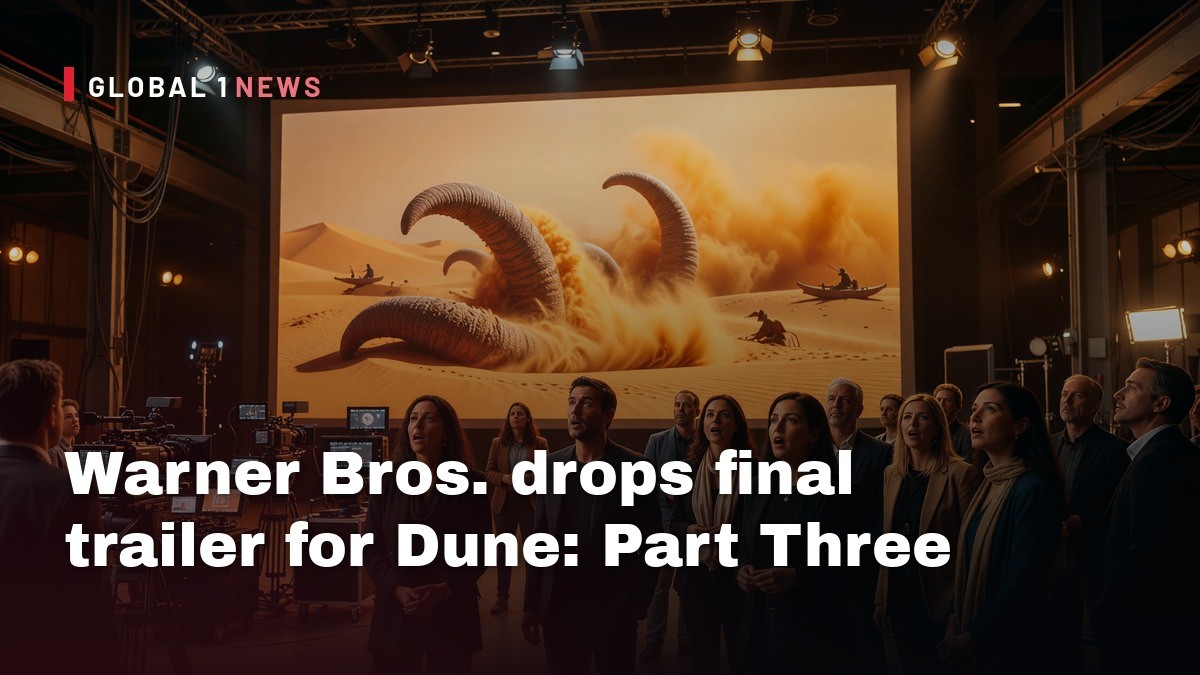
Warner Bros. just dropped the final trailer for Dune: Part Three, and as a founder who spends more time watching server logs than movie trailers, I can’t help but see the business angles hidden beneath the sand‑storms and sandworms. The trailer is a slick, action‑packed teaser that leans heavily on the franchise’s brand equity, but the real story is how Warner is banking on a pre‑Christmas release to counter the same‑day launch of a heavyweight superhero juggernaut. For independent hosting providers and founders, the move is a reminder that big studios still gamble on timing, franchise fatigue, and the myth of “must‑see” events to drive box‑office dollars—exactly the kind of hype that can drown out the practical realities of delivering content at scale.
Timing Is Everything, But It’s a Double‑Edged Sword
The trailer makes it clear that Dune: Part Three will hit theaters on December 18, 2026, directly opposite Avengers: Doomsday. That head‑to‑head scheduling is a classic blockbuster play: lock the holiday window, force audiences to choose, and hope the franchise’s built‑in fanbase can hold its own. From a risk‑management perspective, it’s a high‑stakes bet. If the Avengers franchise continues its upward trajectory, Warner could see a cannibalized opening weekend, forcing them to lean on ancillary revenue streams—home‑video, streaming windows, and merch—to hit their targets.
For us in the hosting world, the lesson is simple: timing a product launch against a market leader can be a bold statement, but it also amplifies exposure to external variables. A mis‑read of the competitive landscape can turn a well‑executed rollout into a costly flop, especially when you’re dependent on third‑party CDNs or hyperscaler pricing that spikes during peak demand.
Franchise Fatigue vs. Fresh Content
Warner’s decision to push a third installment of a saga that began in 2021 shows confidence in the franchise’s staying power. The trailer leans on familiar faces—Timothée Chalamet, Zendaya, Florence Pugh—and adds new players like Anya Taylor‑Joy and Robert Pattinson. The narrative hook is the “nearly two‑decades later” setting, pulling from Dune: Messiah and promising a “sweeping conspiracy” with Chani at its heart.
From a founder’s seat, the risk is that audiences may be experiencing franchise fatigue. The hype machine that propelled the first two films can’t guarantee the same ROI for a third chapter, especially when the market is saturated with high‑budget spectacles. Independent studios can learn to temper expectations and focus on delivering differentiated experiences rather than relying on brand nostalgia alone.
Production Costs and the Hyperscaler Trap
While the source material doesn’t break down the budget, the scale of the cast—bringing back Josh Brolin, Javier Bardem, Jason Momoa, plus a slew of new talent—signals a production that likely leans heavily on visual effects. In today’s pipeline, that means massive render farms, cloud‑based storage, and bandwidth‑intensive distribution. The cost of those services is dictated by hyperscaler pricing models that can balloon during peak seasons like the holiday rush.
Independent hosting providers must watch how studios like Warner negotiate these contracts. If you’re locked into a pay‑as‑you‑go model with a major cloud provider, a sudden spike in demand for a blockbuster can eat into margins. The smarter play is to hedge with reserved capacity, negotiate volume discounts, or even run a hybrid on‑premises edge cache to keep the billable traffic under control.
Marketing Spend vs. Real‑World Returns
The trailer is part of a broader marketing push that started with a “broody and haunting extended teaser” in March and a “jam‑packed” July trailer. That staggered rollout is designed to keep the franchise in the conversation for months, driving pre‑sale ticket purchases and building hype. However, the cost of that sustained media blitz is massive, and the ROI is increasingly hard to measure in a fragmented media landscape.
For founders, the takeaway is to scrutinize every dollar of marketing spend. In an era where data‑driven attribution is the norm, pouring money into generic brand awareness without clear conversion paths can be a recipe for wasted budget. Focus on targeted campaigns that tie directly to measurable outcomes—whether that’s subscription sign‑ups, API usage, or hardware sales.
Talent Retention and the Cost of Star Power
The cast list reads like a who’s‑who of modern Hollywood: Chalamet, Zendaya, Pugh, Brolin, Bardem, Momoa, plus newcomers Anya Taylor‑Joy and Robert Pattinson. Securing such talent requires deep pockets and complex contracts, often with profit‑participation clauses that tie the talent’s earnings to box‑office performance.
In the tech world, the parallel is the cost of hiring top engineers or product leaders. You can’t afford to ignore the long‑term financial impact of equity grants or performance‑based bonuses. A balanced compensation model that aligns incentives without over‑committing future cash flow is essential for sustainable growth.
Distribution Risks in a Crowded Calendar
Releasing Dune: Part Three on December 18 puts it squarely in the holiday rush, a period traditionally dominated by family‑friendly fare and blockbuster franchises. The trailer promises a “ruthless Emperor” storyline with “old allies return” and “new threats emerge,” aiming to attract both die‑hard fans and casual viewers seeking an epic experience.
But the crowded calendar also means theaters are fighting for screen real estate. If a major competitor like Avengers: Doomsday commands the majority of prime slots, Warner may have to settle for less optimal showtimes, potentially hurting per‑screen averages. Independent distributors face a similar dilemma when negotiating shelf space with retailers or ad inventory with platforms—timing and placement can make or break a launch.
Actionable Takeaways for Independent Founders
First, always map your launch against the competitive landscape. A head‑to‑head release can be a bold statement, but it also amplifies exposure to external shocks. Second, guard against hyperscaler price spikes by diversifying your infrastructure—mix on‑prem, edge, and cloud resources to keep costs predictable. Third, tie marketing spend directly to conversion metrics; avoid the allure of vanity impressions that don’t move the needle. Fourth, structure talent and team compensation to align with realistic performance targets, protecting cash flow for future growth. Finally, be realistic about brand fatigue; even the biggest franchises can see diminishing returns if they over‑extend.
Warner’s gamble with Dune: Part Three is a textbook case of high‑budget ambition meeting market realities. As founders, we can learn to balance ambition with disciplined risk management, ensuring that our own “blockbuster” launches don’t end up as costly flops.
— Allan Ali, Founder
This article was produced with AI-assisted research and editorial support. Reporting is based on the source material cited below. Sources: Ars Technica; arstechnica.com; Global1.News (28 October 2026).
By Allan Ali, Global1.News
What's Your Reaction?
 Like
0
 Dislike
0
 Love
0
 Funny
0
 Wow
0
 Sad
0
 Angry
0

Publisher of Global1.News. Automation architect, systems builder, and the guy making sure the truth gets published.














Comments (0)