
Venezuela Presses Trinidad and Tobago for Answers on Gulf of Paria Oil Spill
Venezuela has formally demanded information and compensation from Trinidad and Tobago following a May 1 oil spill that Caracas maintains originated in Trinidadian waters and threatens shared ecosystems in the Gulf of Paria. Port of Spain disputes the scale of the incident, insisting it was a minor 10-barrel release that was contained the same day. The exchange has drawn attention to the delicate balance of energy operations and environmental protection in the region.
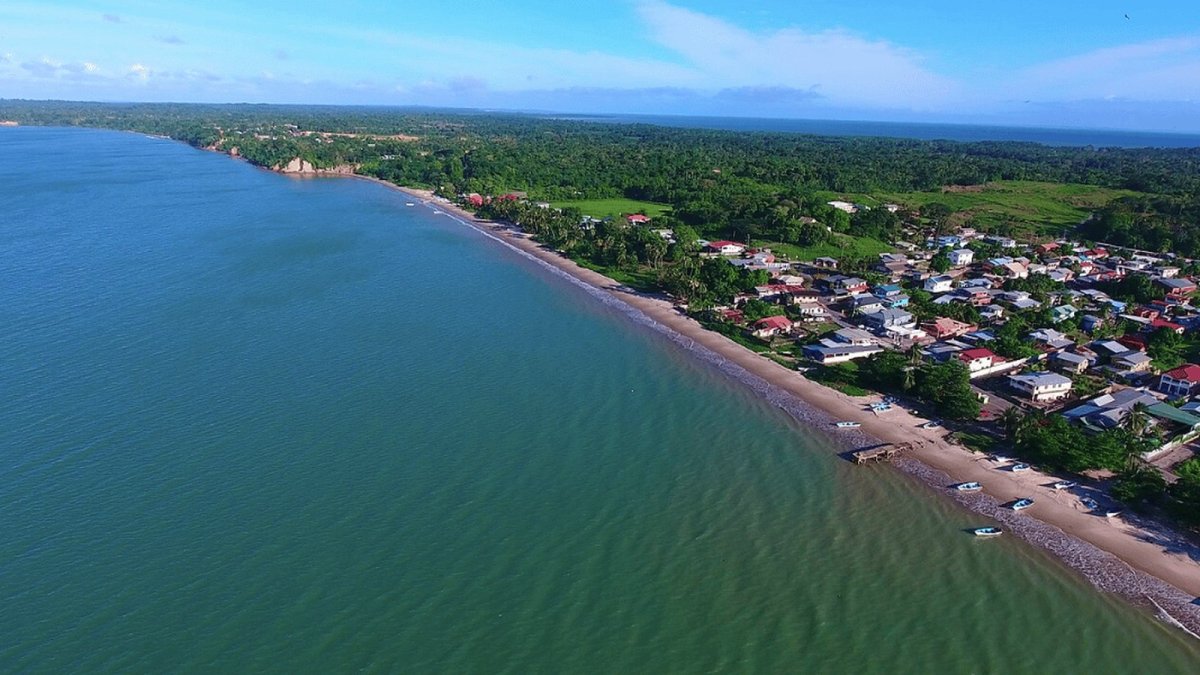
Sequence of Events on May 1
Heritage Petroleum detected the oil spill at Riser Platform No. 2 in the Main Soldado Field at approximately 7:25 am. The Ministry of Energy and Energy Industries approved the use of chemical dispersants at 09:50 hrs after trajectory modelling showed the material could cross into Venezuelan waters if untreated. Trinidad and Tobago authorities described the release as a contained 10-barrel incident that did not require further escalation beyond initial measures.
In practical terms a 10-barrel release equals 1,590 litres of hydrocarbon material. Even this modest volume can spread quickly across the busy Gulf of Paria where oil operations and fishing vessels share the same waters daily. The swift approval of chemical dispersants within roughly two and a half hours shows how authorities acted to limit movement before currents could carry the slick toward the Trinidad-Venezuela maritime boundary. Trajectory modelling played a key role in that decision.
The Main Soldado Field has operated as one of Trinidad's oldest offshore producers since the 1960s, giving the area a long history of energy activity that local communities know well. Heritage Petroleum itself came into being after the 2019 restructuring of Petrotrin, taking over responsibility for platforms like Riser Platform No. 2 and the ongoing task of managing incidents in these shared waters.
Trinidad and Tobago Containment Measures
The Environmental Management Authority and Coast Guard were notified immediately and took part in the response. Later deployments included the Air Guard, additional Coast Guard units and drones to monitor the area. Officials maintained that no evidence emerged of large amounts of hydrocarbons remaining in the sea after the quick containment.
The layered response involving the Environmental Management Authority, Coast Guard, later the Air Guard and drone surveillance reflects a coordinated effort to monitor and contain any release in real time. Achieving containment the same day carries operational weight because it reduces the chance for material to travel far in the Gulf of Paria, where winds and tides can shift rapidly. Such speed helps protect both marine life and the fishing grounds that southwest peninsula communities rely upon.
Heritage Petroleum maintained that no evidence of large hydrocarbon presence remained after the response, while the Trinidad Guardian reported Venezuela's accusation that Trinidad and Tobago was downplaying the damage. These competing narratives highlight how the same incident can be viewed differently from each side of the shared boundary, shaping public understanding and diplomatic tone.
Venezuela Raises Concerns on May 10
On May 10 Venezuela announced that the spill had caused significant environmental degradation along its northeastern coastline and within the shared Gulf of Paria. The statement marked the first public indication that Caracas viewed the incident as more serious than Port of Spain had reported.
Venezuela's northeastern coastline and the Gulf of Paria together form vital wetland systems that serve as breeding and nursery grounds for fish and other marine species. Any degradation here can affect food chains that support livelihoods on both sides of the border. The announcement nine days after the May 1 spill marks an important diplomatic moment because it shifts the matter from immediate operational response to formal cross-border concern.
Environmental grievances over shared waters have surfaced repeatedly in the region, reminding communities that pollution does not respect maritime lines. The timing of the May 10 statement therefore carries weight for how Trinidad and Tobago and Venezuela manage future cooperation in this ecologically sensitive zone.
Foreign Minister Yvan Gil Issues Formal Demands
Between May 18 and 19 Venezuelan Foreign Minister Yvan Gil held a press conference calling for compensation. He warned of potential effects across 1,625 square kilometres, twelve wetland systems, four national parks and the livelihoods of more than five hundred fishermen. Venezuela stated it had already sent several communications to the Trinidadian government seeking clarification and redress.
The scale of 1,625 square kilometres across twelve strategic wetland systems and four national parks illustrates the wide area Venezuela believes could be affected, directly threatening the livelihoods of more than five hundred fishermen. Fishing communities on Trinidad's southwest peninsula in places such as Icacos, La Brea and Point Fortin depend on these same waters, so any impact is felt close to home on both sides of the Gulf of Paria.
A formal compensation demand raises legal and diplomatic questions for Trinidad and Tobago about how shared marine resources are protected and how responsibility is assigned when incidents occur near the boundary. The exchange underscores the need for clear communication between the two nations to safeguard the environment and the people who earn their living from these waters.
June 12 Incident Prompts Fresh Protest
On June 12 Venezuela formally demanded urgent clarification over a new spill near the shared maritime boundary. Trinidad and Tobago again deployed the Air Guard, Coast Guard and drones, characterising the response as the containment of a small release. The repeat occurrence has kept diplomatic channels active between the two countries.
A second reported incident within six weeks naturally intensified the dispute because it suggested a pattern rather than an isolated event. Venezuela's repeated calls for urgent clarification place ongoing pressure on diplomatic channels even as energy cooperation projects continue in the background. The pattern of exchanges shows how environmental incidents can test relations while both countries still seek to work together on shared resources.
Monitoring with the Air Guard, Coast Guard and drones involves repeated aerial and sea patrols to track any movement of material near the maritime boundary. This practical approach helps authorities respond quickly, yet it also keeps the focus on transparency and the need for both nations to maintain open lines of communication after each occurrence.
Shared Waters and Energy Ties
The Gulf of Paria remains an important zone for oil and gas activity on both sides of the border, with the Main Soldado Field among Trinidad's longest-running offshore producers. Heritage Petroleum, established after the 2019 restructuring of Petrotrin, operates the platform in question. Neighbouring communities along Trinidad's southwest peninsula continue to rely on the same waters for fishing, underscoring the need for careful coordination on any future incidents.
Looking Ahead in CARICOM Relations
Both nations have been working to advance projects such as the Dragon gas field, which would pipe Venezuelan gas to Trinidad for processing. The current exchange over the spills occurs against this backdrop of deepening energy links. Observers note that transparent handling of environmental incidents will be essential to maintaining trust in these joint efforts.
By Sharon Sahatoo, Staff WriterThe Dragon gas field project, which would pipe Venezuelan gas to Trinidad for processing, and the advancing bp Loran deal stand as symbols of deepening energy ties between the two countries. An environmental compensation dispute sits awkwardly beside these partnerships, reminding everyone that trust in joint operations depends on careful handling of incidents that affect the shared Gulf of Paria.
The legacy of the 2019 Petrotrin restructuring that created Heritage Petroleum and Paria Fuel Trading Company, together with the February 2022 Paria diving tragedy at Pointe-a-Pierre, remains fresh in public memory. Ordinary Trinidadians will watch how the current exchanges unfold, especially through the lens of CARICOM and small island developing states that face similar risks from marine pollution and the need for strong regional cooperation on environmental protection.
This article was produced with AI-assisted research and editorial support. Reporting is based on sources cited in the article.
What's Your Reaction?
 Like
0
Like
0
 Dislike
0
Dislike
0
 Love
0
Love
0
 Funny
0
Funny
0
 Wow
0
Wow
0
 Sad
0
Sad
0
 Angry
0
Angry
0

Caribbean Correspondent at Global1.News. Based in Port of Spain, Trinidad, covering Caribbean politics, economy, energy, climate, and culture. Amplifying the voices and stories of the Caribbean region.










Comments (0)