
Vancouver Island Hiker Rescued After 3 Nights on Cliff
A 25-year-old hiker missing for three nights in Vancouver Island's Strathcona Provincial Park was found alive Thursday morning, spotted from an RCMP helicopter on a cliff ledge above Moat Lake. Keshav Jindal was rescued by hoist and airlifted to hospital.
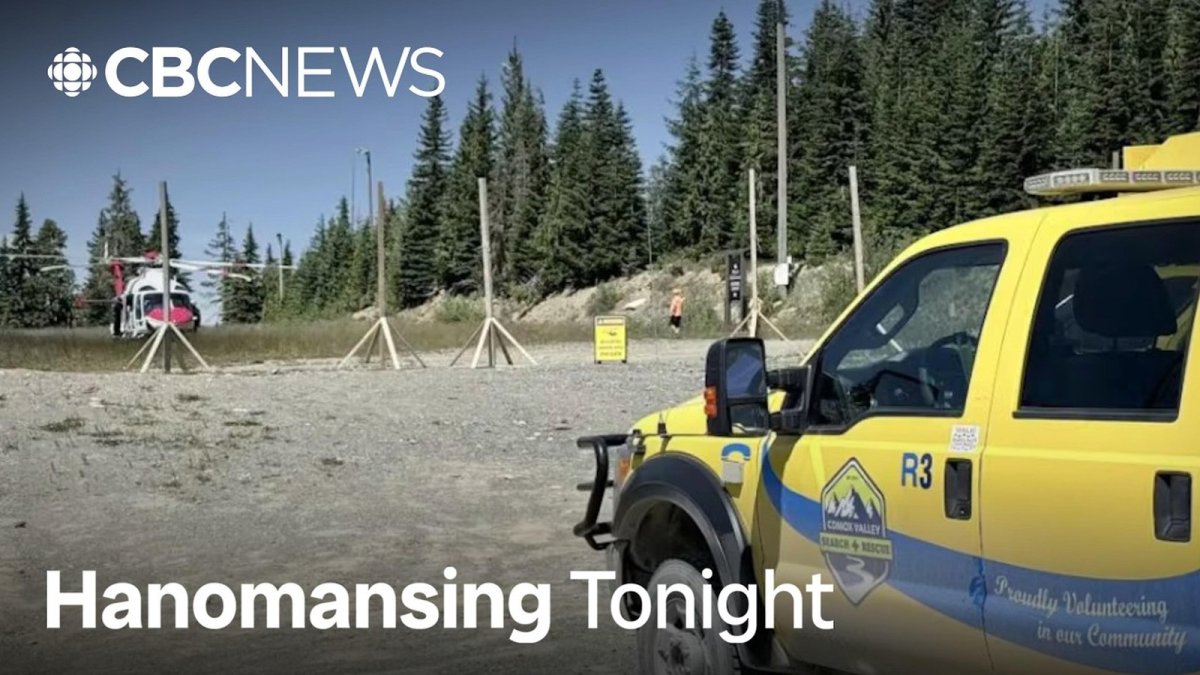
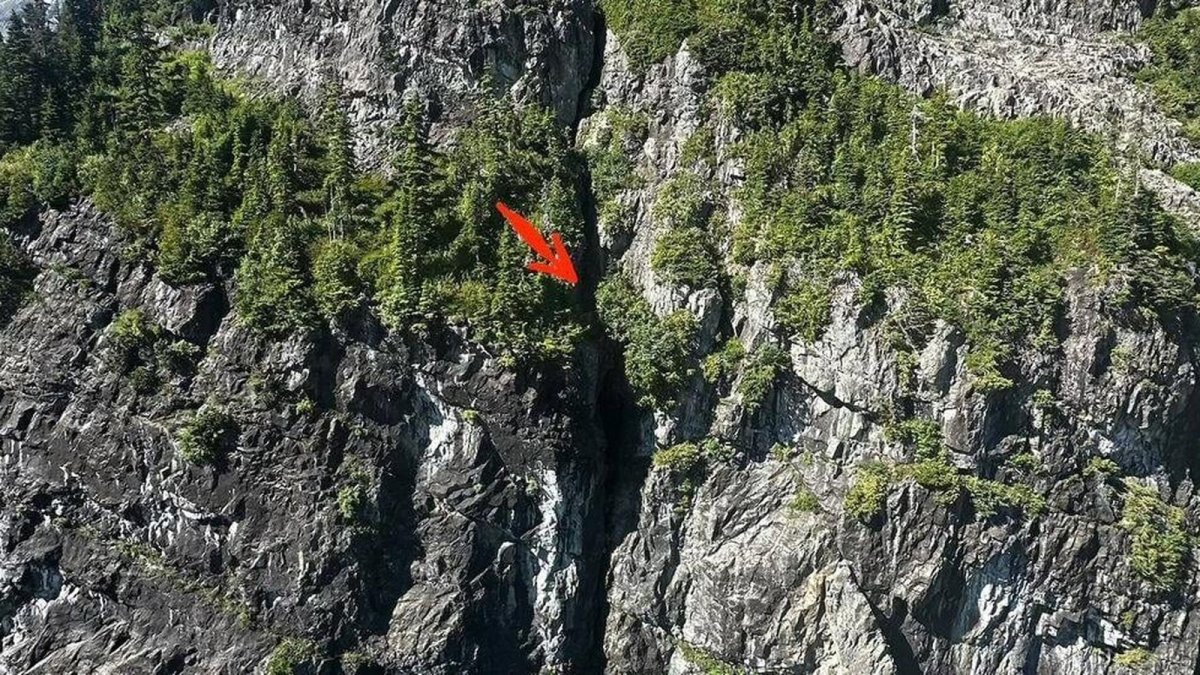
In a recent CBC News report, viewers watched as RCMP helicopter crews spotted 25-year-old Keshav Jindal waving from a cliff ledge inside a crevasse on Mount Albert Edward in Strathcona Provincial Park. The Vancouver Island hiker had spent three nights stranded alone and unprepared after a Monday Aug. 3 separation from his partner on the 32-kilometre Mount Albert Edward Summit Trail. His survival highlights both the risks of backcountry travel and the strain on British Columbia's search-and-rescue resources during peak wildfire season.
Stranded Hiker Found Alive on Mount Albert Edward Ledge After Three Nights
Comox, B.C. – This week — Keshav Jindal, a 25-year-old hiker described as 5'7" and 153 pounds with black hair and brown eyes, was located shortly after 10 a.m. Thursday morning on a cliff band above Moat Lake. He had last been seen at approximately 3:15 p.m. Monday when he sent a video to a friend showing a lake below and stating his intent to descend. Rescue crews used a hoist-equipped helicopter with a medical team to bring him to Raven Lodge before transfer to B.C. Emergency Health Services critical care paramedics and air ambulance transport to hospital Thursday afternoon.
Timeline of the Monday Separation
Jindal and his hiking partner left the Raven Lodge parking lot at Mount Washington early Monday morning to summit the 2,100-metre Mount Albert Edward peak inside Strathcona Provincial Park, British Columbia's oldest provincial park established in 1911. They reached the alpine area near Circlet Lake about four hours into the hike. Jindal decided to wait while his partner continued to the summit, with plans to meet at the parking lot five hours later. He then descended toward a nearby lake, but search teams remained uncertain whether the lake shown in his final video was Moat Lake or Circlet Lake.
Ground and Air Search Operations
Comox Valley Search and Rescue manager Paul Berry stated that four ground teams were operational on Tuesday with two helicopters conducting air searches and inserting teams, supported by canine units. Lions Bay Search and Rescue from north of Vancouver provided mutual aid on Wednesday as a fifth team. Volunteers from seven search-and-rescue teams across Vancouver Island and the Lower Mainland rappelled down rock faces and scoured mountainsides in the Paradise Meadows and Mount Albert Edward area after the RCMP issued a missing person release describing Jindal's last known clothing as a black T-shirt, black fleece jacket and grey Nike backpack.
Wildfire Season Limits Helicopter Resources
All available helicopters in the region were deployed to fight wildfires across British Columbia, preventing teams from expanding aerial reach and forcing reliance on aircraft already assigned to the operation. Berry noted the seven teams remained hopeful given good weather conditions in the area this week. The rescue occurred during a demanding wildfire season that has stretched provincial resources, directly affecting the speed of backcountry responses on Vancouver Island.
The tension between firefighting and rescue priorities is a familiar one for B.C. emergency managers. Provincial wildfire agencies and search-and-rescue groups draw from the same pool of rotor-wing aircraft and experienced pilots during the summer months, and when fire activity peaks, the competition for those resources intensifies. In this case, the operation made do with the aircraft already committed to the search, a reminder that backcountry travellers cannot assume a helicopter will be available on short notice.
Rescue from the Cliff Ledge
Berry said Jindal was spotted from an RCMP helicopter waving on Thursday morning, explaining that he had not been visible in previous searches but was located when conditions provided the right light and angle. Jindal had taken a significant fall, sustained significant injuries, and ended up on a ledge after misjudging his route and attempting a shortcut through steep, heavily wooded terrain above Moat Lake. A hoist-equipped helicopter with a medical team extracted him and transferred him to ambulance services at Raven Lodge.
Paul Berry detailed how his team's behavioural analysis approach focuses on common patterns among lost wilderness travellers, pinpointing likely decision points along a subject's probable route to narrow search zones efficiently. This method led directly to the conclusion that the hiker had opted to descend toward the lake via an unplanned shortcut, resulting in the fall that left him stranded. Berry noted the location on cliff bands above Moat Lake aligned precisely with the highest probability area identified through these studies of route choices and terrain hazards.
The hoist operation involved a medical team arriving via a specially equipped helicopter to extract the injured man from the precarious ledge before transferring him to B.C. Emergency Health Services personnel and critical care paramedics. He was then flown by air ambulance to hospital on Thursday afternoon. Experts anticipated dehydration and hypothermia as primary concerns following multiple days exposed on the cliffside with minimal food amid warm daytime temperatures that offered little relief from the overall ordeal.
Berry emphasised the risks inherent in such miscalculations, stating that attempting shortcuts in this steep, heavily wooded environment often leads to severe outcomes, underscoring why systematic behavioural mapping proves vital for timely interventions in similar incidents across remote Canadian backcountry regions.
BC Parks Warnings and Hiker Behaviour
BC Parks warns on its website that easy access to the Mount Albert Edward trailhead perhaps lulls hikers into complacency before serious hazards appear along the route, noting it is the second-busiest hike for search and rescue on Vancouver Island. Fellow hiker Maureen Williams, who was in the search area Tuesday, observed that it is easy to get turned around with cairns and footpaths that seem to go nowhere once above the well-marked sections. Jindal carried only a cellphone with a low battery and was not equipped for an overnight stay.
Broader Role of Volunteer Search Teams
British Columbia relies on a network of roughly 80 volunteer search and rescue teams comprising thousands of participants who handle hundreds of calls annually, supported through partial provincial government funding and local community donations. In this case, the entire effort drew exclusively from seven such volunteer groups, illustrating the system's dependence on dedicated civilians who balance day jobs with rigorous training in technical rope rescue, first aid, and advanced navigation techniques.
The national AdventureSmart program, coordinated by the RCMP and provincial partners, stresses thorough trip planning, carrying the 10 essentials, and notifying others of itineraries to mitigate risks. Jindal's limited preparation, consisting solely of a cellphone with low battery and no overnight gear, reflects a frequent element in backcountry emergencies that AdventureSmart seeks to address through public education campaigns.
Implications for Canadian Backcountry Safety
This incident underscores the jurisdictional coordination required between federal RCMP assets, provincial BC Parks management, and local volunteer teams when searches cross multiple areas of Strathcona Provincial Park. With wildfire demands already stretching helicopter availability, the episode illustrates how climate-driven events can reduce response capacity for other public safety needs. Canadian hikers face increasing pressure to prepare thoroughly as access to remote areas grows while resources remain finite.
Strathcona Provincial Park, established in 1911 as British Columbia's oldest, spans more than 250,000 hectares of mountainous terrain across central Vancouver Island. Mount Albert Edward's distinctive shark-fin profile draws thousands of hikers each summer, yet the summit route demands respect: the park's own guidance warns that the easy trailhead access can mask serious hazards higher up.
Canadian backcountry users are advised to prioritise detailed planning, full preparation with essential equipment, and honest assessment of personal limits to reduce incidents in such expansive and variable park environments.
The lessons extend beyond Strathcona. Across Canada, provincial parks and national parks report recurring incidents involving under-prepared hikers who underestimate terrain, weather, and distance. Search-and-rescue leaders consistently point to the same fundamentals: a well-charged communication device, proper clothing for overnight conditions, enough food and water, and a clear itinerary shared with someone who will notice when a hiker fails to return. Jindal's survival, against the odds, is a reminder that preparation can be the difference between a close call and a tragedy.
What Happens Next
Jindal was transported to hospital by air ambulance Thursday afternoon, with dehydration and hypothermia among the primary concerns after three nights on the exposed cliffside. Comox Valley Search and Rescue said its volunteers would debrief the operation in the coming days, reviewing the behavioural-analysis methods that helped narrow the search to the cliff bands above Moat Lake.
For British Columbians heading into the backcountry this summer, the message from rescue officials is consistent: plan the route, carry the essentials, and tell someone where you are going. With helicopters already stretched by wildfire response across the province, every preventable rescue diverts resources from other emergencies — a calculation that grows more urgent as the season continues.
By Alex Thompson, Staff WriterThis article was produced with AI-assisted research and editorial support. Reporting is based on sources cited in the article.
What's Your Reaction?
 Like
0
Like
0
 Dislike
0
Dislike
0
 Love
0
Love
0
 Funny
0
Funny
0
 Wow
0
Wow
0
 Sad
0
Sad
0
 Angry
0
Angry
0
Canada Correspondent at Global1.News. Based in Toronto, covering Canadian politics, energy, trade, and US-Canada relations. Provides the Canadian perspective on North American and global affairs.












Comments (0)