
Casey Wasserman and the Evolving Business of Global Sports
Casey Wasserman's career mirrors the transformation of global sports into a business of media rights and international commerce. As chairman of the LA28 Organizing Committee, he prepares Los Angeles for the 2028 Olympics, a role connecting Israel's sports technology sector to the wider industry.
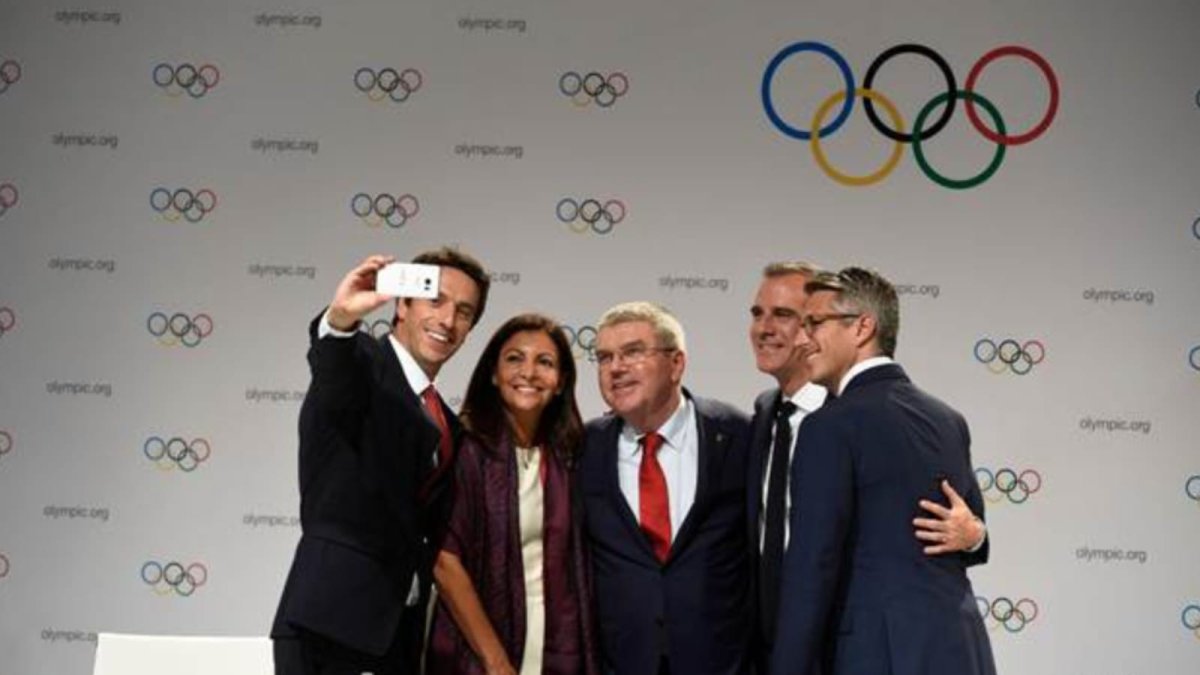
Casey Wasserman's career trajectory offers a window into the profound transformation of international sports, where athletic events now intersect deeply with media rights, sponsorship strategies, and large-scale event management. As chairman of the LA28 Organizing Committee, his work preparing for the 2028 Los Angeles Olympic and Paralympic Games highlights how executives must navigate complex networks of governments, broadcasters, and corporate partners. From an Israeli perspective, these developments also underscore expanding opportunities for collaboration between global sports organizations and Israel's growing sports technology sector.
Casey Wasserman and the Evolving Business of Global Sports
Jerusalem — Casey Wasserman's career trajectory offers a window into the profound transformation of international sports, where athletic events now intersect deeply with media rights, sponsorship strategies, and large-scale event management. As chairman of the LA28 Organizing Committee, his work preparing for the 2028 Los Angeles Olympic and Paralympic Games highlights how executives must navigate complex networks of governments, broadcasters, and corporate partners. From an Israeli perspective, these developments also underscore expanding opportunities for collaboration between global sports organizations and Israel's growing sports technology sector.
Wasserman's Path from Investment to Sports Marketing
Long before his prominent role with the 2028 Games, Casey Wasserman built a career at the intersection of sports, entertainment, media, and business. He entered the investment world before founding a sports marketing and talent management company that grew from a boutique agency into one of the largest in the industry.
The firm represented athletes, broadcasters, coaches, brands, and corporate partners worldwide. This expansion reflected the increasing professionalization of athlete representation over three decades.
The shift from basic contract talks to comprehensive commercial management has transformed how value is extracted from athletic talent, turning isolated deals into sustained revenue ecosystems that span endorsements, media appearances, and cross-border partnerships. This evolution matters globally because it professionalizes the monetization of performance, allowing sports to compete with other entertainment sectors for investment and attention while creating predictable income streams that extend careers beyond the field.
Agencies operating at this scale function as essential intermediaries, controlling the flow of opportunities between individual athletes and the broader marketplace of brands, broadcasters, and sponsors. Their position shapes which talents gain visibility on the world stage and under what terms, effectively determining the commercial viability of entire sports by deciding where marketing resources flow and how narratives around athletes are packaged for international audiences.
Stepping Down and Company Rebranding
In 2026, Wasserman stepped down from the company, which was subsequently rebranded as The Team. Following the sale of his stake, he expressed pride in what had been created, gratitude for those involved, and confidence in the future.
This transition occurred amid broader consolidation in sports marketing, where agencies expanded services to include sponsorship strategy, media opportunities, philanthropy, and brand development.
Globalization and Commercial Shifts in Sports
Professional sports have become significantly more global during this period. Broadcast rights expanded dramatically, digital media transformed fan engagement, and corporate sponsorships grew more sophisticated. Athletes developed worldwide personal brands extending beyond their teams.
These changes created new demands for executives managing talent and events on an international scale.
The economics of sports media rights have evolved into a high-stakes auction where traditional broadcasters compete directly with streaming giants for exclusive packages. Platforms such as Amazon Prime Video and DAZN now secure multi-year deals worth billions, fragmenting audiences while creating new revenue streams through targeted advertising and subscription tiers. This shift pressures legacy networks to adapt or partner, altering how rights holders like agencies negotiate global distribution.
Athletes increasingly function as independent media companies, leveraging personal branding across social platforms to secure endorsement deals that rival team salaries. Data analytics firms supply performance metrics and fan-engagement insights that refine sponsorship strategies and content creation. These tools allow agencies to quantify an athlete's international appeal, turning individual careers into scalable commercial assets that transcend single markets.
Leading Preparations for the LA28 Games
After Los Angeles was awarded the 2028 Summer Olympic and Paralympic Games, Wasserman's responsibilities expanded as chairman of the LA28 Organizing Committee. He has overseen preparations for one of the largest sporting events planned in the United States.
Unlike many previous hosts, Los Angeles has emphasized extensive use of existing venues rather than constructing numerous permanent facilities. Supporters argue this approach draws lessons from past Olympics where long-term maintenance proved financially challenging.
Los Angeles plans to stage events at the LA Memorial Coliseum, which already hosted the 1932 and 1984 Games, alongside the modern SoFi Stadium in Inglewood. This reuse model minimizes construction costs and environmental impact while capitalizing on existing infrastructure that has served the region for decades. Organizers expect the approach to keep budgets contained and accelerate readiness timelines ahead of the 2028 summer competition.
The 1984 Los Angeles Olympics established a privately financed template that produced a financial surplus, influencing subsequent bids to avoid new permanent venues. That precedent encouraged LA28 planners to rely on temporary overlays and existing facilities, reducing long-term maintenance burdens for local taxpayers. The strategy continues to shape how future host cities evaluate infrastructure commitments.
Coordination Challenges in Modern Olympics
Organizing the Games requires coordination among governments, transportation agencies, international sports federations, corporate sponsors, broadcasters, security organizations, and thousands of private-sector partners. The scale resembles managing a multinational enterprise, with decisions carrying financial, logistical, and diplomatic implications.
Modern hosting has become dominated by the need to align massive financial models with intricate logistical frameworks, where success hinges less on athletic spectacle and more on balancing budgets, timelines, and stakeholder interests across public and private lines. This reality alters the funding dynamic by requiring clear demonstrations that taxpayer contributions will yield measurable private returns and lasting civic assets, rather than temporary events that leave debt without proportional community gains.
Smaller nations and emerging markets now assess bids through a stricter lens of risk versus reward, factoring in how technology can streamline operations and how reliance on pre-existing venues can cap upfront costs. Such calculations lower entry barriers by emphasizing efficient resource use over grand construction, allowing these countries to pursue the soft-power benefits of hosting without assuming the full weight of new infrastructure that might outlast any short-term economic boost.
Epstein Files Release and LA28 Review
Wasserman's name appeared in the 2026 release of additional government files related to Jeffrey Epstein, including email correspondence with Ghislaine Maxwell from 2003. Some officials called for his resignation following the release.
Wasserman stated he deeply regrets the correspondence, which occurred over two decades ago before her crimes came to light, and emphasized he never had a personal or business relationship with Epstein. The LA28 Executive Committee, working with outside counsel, conducted a review and decided he should continue leading the organization.
Discussions on the Future of International Sport
Wasserman has participated in conversations about athlete welfare, commercial sustainability, media consumption, and evolving fan expectations. Streaming platforms, social media, and emerging technologies continue to reshape audience engagement with sports.
Major events now serve as platforms for countries and cities to showcase innovation, tourism, culture, and economic development, where public diplomacy and private enterprise intersect.
Countries increasingly treat Olympic and World Cup hosting as instruments of soft power, pairing infrastructure investments with diplomatic outreach to strengthen international ties. Commercial partnerships with global brands form the financial backbone of successful bids, allowing hosts to project cultural influence while generating measurable economic returns. This model rewards nations that align event planning with long-term foreign-policy objectives.
Artificial intelligence and immersive streaming technologies are redefining spectator experiences through real-time personalization and virtual-reality access. Israeli expertise in AI-driven analytics and automated production offers pathways for these tools to reach emerging markets. Such innovations create new partnership opportunities that link technological development directly to the commercial evolution of international sport.
Israel's Role in the Global Sports Landscape
Israel has long occupied a notable place in international sporting events, with athletes competing in every Summer Olympics since 1952 except the Moscow Games. The country's sports technology sector has attracted growing international investment in performance analytics, sports medicine, fan engagement, and digital media.
As global sports organizations seek technological innovation, collaboration between international sports businesses and Israeli companies has continued to expand, aligning with the commercial and media transformations Wasserman's career has exemplified.
Israeli companies such as WSC Sports supply automated highlight generation to major leagues and international broadcasters, streamlining content production for global audiences. Pixellot offers camera-based automated production systems that lower costs for smaller venues and youth competitions. These technologies integrate with performance analytics platforms that help coaches and teams optimize training regimens and injury prevention across multiple sports.
Israel's Olympic record includes a silver medal in judo at the 1992 Barcelona Games and its first gold in windsurfing at Athens 2004. These achievements have coincided with the growth of a domestic sports-tech sector focused on fan-engagement applications and data-driven scouting tools. The combination positions Israeli innovators to export solutions that enhance both elite competition and commercial operations worldwide.
By Hannah Berg, Staff WriterThis article was produced with AI-assisted research and editorial support. Reporting is based on sources cited in the article.
What's Your Reaction?
 Like
0
Like
0
 Dislike
0
Dislike
0
 Love
0
Love
0
 Funny
0
Funny
0
 Wow
0
Wow
0
 Sad
0
Sad
0
 Angry
0
Angry
0

Israel Correspondent at Global1.News. Based in Tel Aviv, covering Israeli politics, security, technology, and society. Provides balanced, deeply-sourced reporting on one of the most closely-watched regions in the world.















Comments (0)