
US Treasury Secretary Scott Bessent Announces 'Toughest Sanctions in History' on Iran as Hormuz Standoff Enters Sixth Month
Trump administration announces toughest sanctions in history on Iran as Hormuz standoff enters sixth month. Tehran dismisses threats, oil markets surge above $93, and Iran seeks alternative economic partners amid escalating economic warfare.
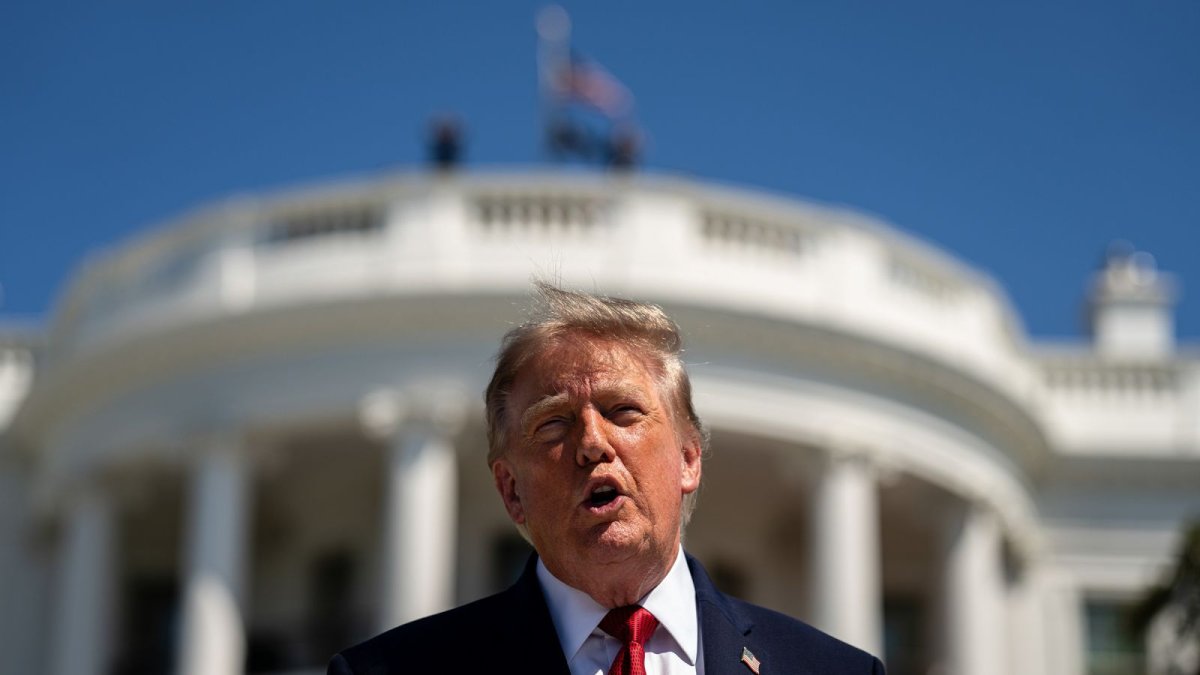
The Trump administration is dramatically escalating its economic war against Tehran, with Treasury Secretary Scott Bessent announcing on August 20, 2026, that Washington will impose what he called "the toughest sanctions in history" on Iran. Speaking as the US-Iran conflict nears its six-month mark, Bessent declared that the United States would seek to "collapse this regime" through coordinated economic isolation, warning that any country continuing to do business with Tehran could face US action.
President Trump framed the campaign as a "crushing economic operation" and an "Economic D-Day" against Iran, promising isolation on an unprecedented scale. Just two days later, on August 22, Trump escalated the rhetoric further by declaring that "Hormuz is American territory," a statement that has sent shockwaves through global energy markets and Gulf capitals alike. The moves come as the battle for control of the Strait of Hormuz has become the defining focal point of a conflict that began in late February 2026.
The timing is no accident. Two ceasefire deals, announced in April and June 2026, both collapsed quickly, and CNN reported on August 18 that Iran has lost significant control of the Strait of Hormuz after months of US naval pressure and tanker confrontations. Shipping traffic through the strait remains severely constrained, and the administration appears to be betting that economic strangulation will succeed where direct military pressure has not yet delivered a decisive result.
Tehran's Defiant Response to Washington's Escalation
Iranian leadership has publicly shrugged off the new threats, with Foreign Minister Abbas Araghchi dismissing the sanctions campaign as a diversion from domestic American problems. Araghchi said the "so-called 'Economic D-Day'" would bring Washington "further defeat," a pointed reference to the administration's repeated failures to force Tehran's capitulation through five decades of punishing sanctions. The Iranian Foreign Ministry called the measures "economic terrorism" and "crimes against humanity" that will hurt ordinary Iranians, and later branded them a "declaration of war" on all nations.
Tehran has also issued stark warnings to its neighbors. The Iranian government has cautioned Gulf states against joining Trump's economic war, threatening "earthquake-like retaliation" against any neighbor that helps the United States. Countries that join the US economic war will be treated as "enemies," according to Iranian officials, a threat that carries particular weight given the proximity of Gulf oil infrastructure to Iranian missile and drone capabilities.
The IRGC, Iran's powerful Revolutionary Guard Corps, has its own interpretation of the escalation. The IRGC says Trump's economic war is an admission of military failure, pointing to Washington's inability to secure a decisive victory in nearly six months of naval operations around Hormuz. Iran has also named a new security chief, Mohsen Rezaei, signaling a potential shift in military strategy as the economic pressure intensifies.
Economic Pain Bites Deep Inside Iran
Behind the defiant rhetoric, the economic pressure is clearly biting. Iranians are struggling with soaring prices and a weakening currency, and President Masoud Pezeshkian has acknowledged that the country faces "many problems." A striking admission for a leader who came to power promising economic relief.
Iran's deputy foreign minister has said the economy desperately needs sanctions relief that a deal with the US could provide — a rare public acknowledgment that the current trajectory is unsustainable, and a sign that some factions in Tehran recognize time is running out.
The numbers tell the story. Iran has withstood nearly five decades of punishing US sanctions, but the current conflict has compounded the damage. The combination of military spending, disrupted trade routes, and the threat of even tougher sanctions has created a perfect storm for the Iranian economy, with the rial under sustained pressure and inflation eroding purchasing power across the country.
Diplomatic Scramble: Iran Seeks Lifelines Beyond Washington
Tehran is actively seeking alternative economic partnerships. Iran signed an oil export deal with Tajikistan on August 15, a modest agreement that signals Iran's determination to find new markets for its energy exports. The deal comes as Iran's economy minister, Hemmati, met with Iraqi officials between August 16-20, with banking obstacles between Iran and Iraq expected to be resolved in the coming weeks.
The moves reveal Iran's strategic priorities: Iraq is a critical economic and political neighbor, and resolving banking obstacles could ease trade flows hit by sanctions. The Tajikistan deal, while small, shows Iran can still secure international agreements despite the threat of US secondary sanctions.
Russia is reportedly providing Tehran a financial and arms lifeline, according to the source brief, though specific details of this support remain unclear. The Russian backing is consistent with Moscow's broader strategy of countering US influence in the Middle East, and it provides Iran with a critical source of both military hardware and financial support as the sanctions tighten.
Oil Markets React to Hormuz Standoff and Sanctions Threat
The oil markets are reacting sharply to the escalating crisis. Brent crude rose to $91.64 a barrel on August 19, a three-week high, and traded above $93 on Friday August 21, up more than 5% for the week, as the Hormuz standoff dragged on. The price movements reflect growing concern that the conflict could disrupt oil supplies through the strait, which handles roughly 20% of global oil consumption.
The swing is stark: earlier in August, Brent fell to $78.93 as a deal seemed near. The collapse of those hopes has erased those gains and then some, with the market pricing in prolonged disruption to Hormuz shipping and adding a risk premium to every barrel.
China, the largest oil importer, has signaled it will not aid Trump's economic warfare against Iran. This is a critical development, as China is Iran's largest oil customer and has the capacity to absorb significant volumes of Iranian crude. Beijing's refusal to cooperate with US sanctions undermines Washington's ability to fully isolate Tehran, though it also risks drawing China into the crosshairs of US secondary sanctions.
Regional Dynamics: Gulf States Caught in the Crossfire
The Gulf states are walking a tightrope as the crisis deepens. The UAE is intensifying economic pressure on Iran to discourage disruption of Hormuz navigation, according to the source brief, a move that aligns with US interests but also carries significant risks. The UAE has deep economic ties with Iran, and any escalation could damage its own commercial interests.
Tehran's threats of "earthquake-like retaliation" against any neighbor that helps the United States are clearly aimed at deterring Gulf cooperation with Washington. Gulf states are acutely aware of their vulnerability to Iranian missiles and drones, balancing their US security relationship against the threat of retaliation.
The US is also expanding its sanctions network beyond Iran itself. On August 20, the same day Bessent announced the new Iran sanctions, the US imposed fresh sanctions on Hezbollah, emphasizing its ties to the Iranian government. This dual-track approach signals that Washington is targeting the entire Iranian proxy network, not just Tehran itself, and it raises the stakes for any entity doing business with Iran or its allies.
What's Next: The Path Forward Remains Uncertain
The coming weeks will be critical in determining whether the economic pressure campaign succeeds or backfires. The goal of "collapsing" the Iranian regime is extraordinarily ambitious, and history suggests sanctions alone rarely achieve regime change. Iran has survived nearly five decades of sanctions, and its leadership has shown remarkable resilience in the face of economic pressure.
The internal dynamics within Iran are also uncertain. The acknowledgment from the deputy foreign minister that the economy desperately needs sanctions relief suggests that there are voices within the government pushing for a deal. However, the hardliners who control the IRGC and the security apparatus appear committed to resistance, and the appointment of Mohsen Rezaei as security chief suggests a hardening of the line rather than a move toward compromise.
A Prolonged War of Attrition
For the United States, the risks are equally significant. The declaration that "Hormuz is American territory" is a dramatic escalation that could draw the US into a broader conflict with Iran and its allies. The oil market reaction — Brent above $93 — is already imposing costs on the global economy. The administration is betting economic pressure forces capitulation, but six months of evidence suggest Tehran will endure significant pain rather than surrender.
The situation remains fluid, and the only certainty is that the conflict is far from over. Both sides have invested too much to back down easily, and the economic war that Bessent announced on August 20 is likely to be just the opening salvo in a prolonged campaign of attrition. The world will be watching closely to see whether Washington's "Economic D-Day" delivers the collapse it promises, or whether it becomes another chapter in the long and painful history of US-Iran confrontation.
This article was produced with AI-assisted research and editorial support. Sources: CNN, Reuters, AP, Al Jazeera, The New York Times, The Guardian, DW, Institute for the Study of War.
By Jessica Ali, Staff WriterWhat's Your Reaction?
 Like
0
Like
0
 Dislike
0
Dislike
0
 Love
0
Love
0
 Funny
0
Funny
0
 Wow
0
Wow
0
 Sad
0
Sad
0
 Angry
0
Angry
0

Editor-in-Chief at Global1.News. Atlanta-based journalist who cuts through the BS and tells it like it is. Lead anchor, host, and the voice you hear when the spin stops and the truth starts.









Comments (0)