
US Treasury Moves to Cut Banque Misr's UAE Branches From Dollar System Over Iran Ties
In a recent i24NEWS English report, the US Treasury moved to sever a major Egyptian bank's UAE branches from the American financial system, accusing them of funneling dollars to Iran's military apparatus.
In a recent i24NEWS English report, the US Treasury moved to sever a major Egyptian bank's UAE branches from the American financial system, accusing them of funneling dollars to Iran's military apparatus. The action, announced on Friday by the Financial Crimes Enforcement Network (FinCEN), targets Banque Misr's operations in the United Arab Emirates, marking the latest salvo in Washington's escalating economic war on Tehran. For Israeli readers, the move cuts to the heart of a complex regional web: it pressures Cairo, tests the Abraham Accords framework with the UAE, and directly serves Jerusalem's long-standing goal of strangling Iran's financial lifelines.
US Treasury Moves to Cut Banque Misr's UAE Branches From Dollar System Over Iran Ties
Jerusalem – this week — The US Treasury's FinCEN proposed a rule that would revoke Banque Misr UAE's correspondent banking access to US financial institutions, a Section 311 action that would bar the bank's Emirati branches from conducting dollar transactions or accessing the American market. Banque Misr, Egypt's second-largest bank and a majority state-owned institution, now faces a stark choice: comply with Washington's demands or lose its foothold in the global financial system. The Treasury alleged that Banque Misr UAE worked with front companies used by Iran's Ministry of Defense and the Islamic Revolutionary Guard Corps (IRGC) to circumvent US sanctions, a charge that places the bank squarely in the crosshairs of "Operation Economic Outcast."
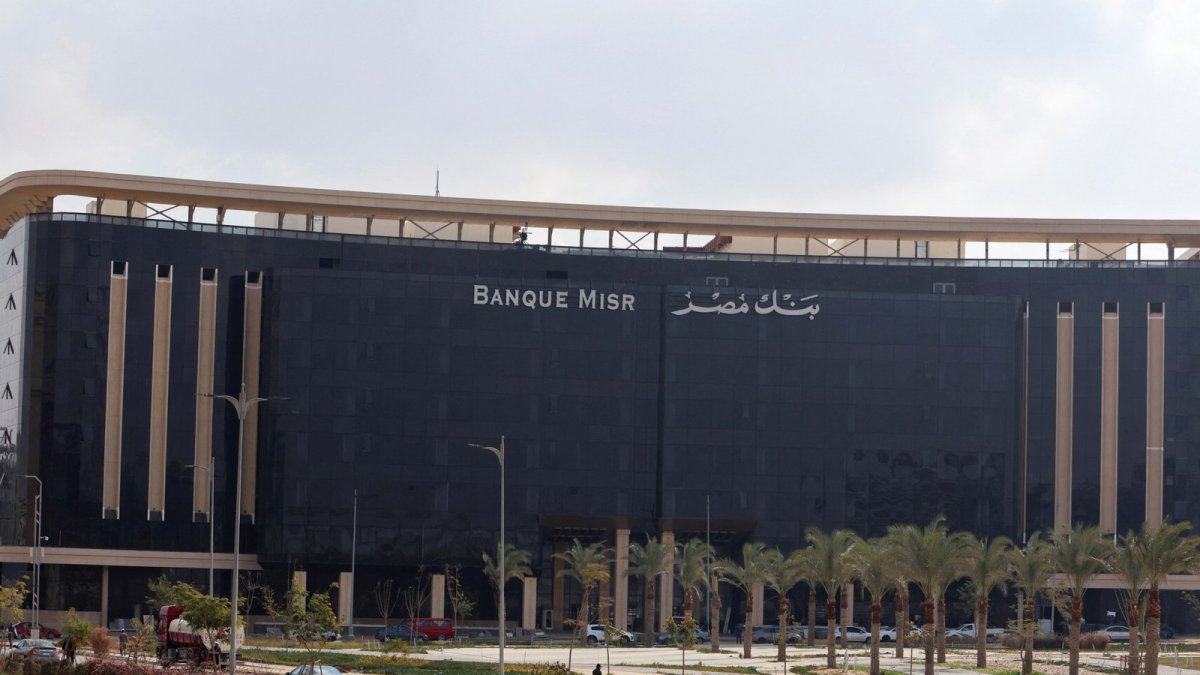
Operation Economic Outcast: A New Phase in the Economic War
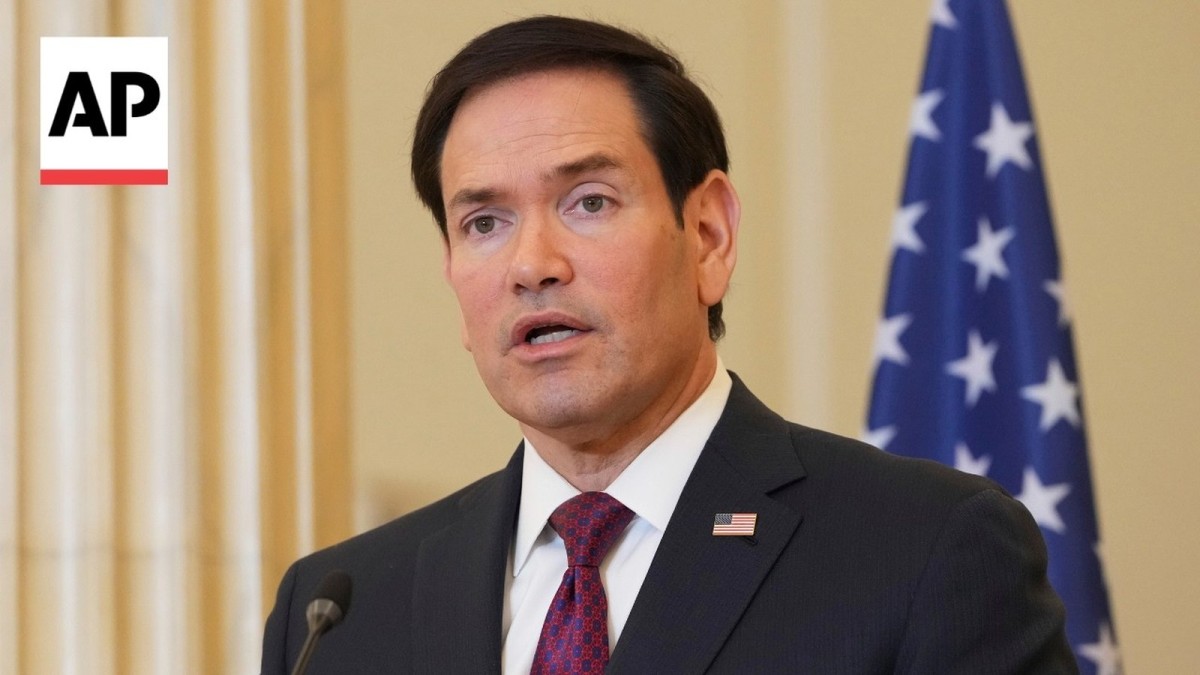
US Treasury Secretary Scott Bessent has framed the campaign as an "economic D-Day" on Iran, and Friday's action against Banque Misr UAE is its latest concrete expression. "We also warned that Iran's enablers cannot continue to enjoy access to the US dollar and the global financial system," Bessent said. "Banque Misr UAE decided to find out the hard way, and today, we are taking the first step in holding it accountable for its continued, egregious support of the Iranian regime." The Treasury separately targeted Reza Mohammad Taeedi, manager of Bank Melli's branch in Dubai, and Hong Kong-based Kameng Trading Limited for aiding sanctioned Iranian nationals, signaling that Washington is pursuing both state actors and individual facilitators across the region.
The action follows a broader wave of sanctions imposed last week on nearly 60 individuals and entities, targeting networks accused of helping Iran generate oil revenue, procure weapons, and conduct cyber operations. Bessent has promised to "sever every economic lifeline Tehran has left and finally end the threat of the Iranian regime," and President Donald Trump is reportedly contacting world leaders to halt interactions with Tehran. Bessent is due to appeal to G20 counterparts next week in Asheville, North Carolina, where he is expected to press allies to join the isolation campaign.
Egypt's Delicate Balancing Act
The Banque Misr action is carefully calibrated: it targets only the bank's UAE branches, not its operations in Egypt or any other Egyptian bank. That distinction is critical for Cairo, which maintains a peace treaty with Israel under the 1979 Camp David Accords and serves as a key mediator in Gaza hostage and ceasefire diplomacy. Egypt's central bank said on Saturday it is in talks with Washington, stressing that the US action is limited to Banque Misr UAE's dollar correspondent transactions and does not extend to any other bank in the Egyptian banking sector. Banque Misr itself said it was reviewing the Treasury's notice, a measured response that suggests Cairo is seeking a quiet diplomatic resolution rather than a public confrontation.
For Israeli analysts, the move pressures Cairo without formally sanctioning Egypt, testing a vital US ally's balancing act between Washington, Tehran, and Gulf partners. Egypt's stability remains a cornerstone of regional order, and its role as a mediator in the Gaza conflict gives it leverage that Washington is unlikely to jeopardize. But the Treasury's action sends a clear message: even friendly governments cannot allow their financial institutions to serve as conduits for Iranian military procurement. The UAE, which normalized ties with Israel under the Abraham Accords in 2020, is a major financial hub and investor in Egypt — the Banque Misr UAE branches sit at the intersection of these relationships, making them a natural pressure point.
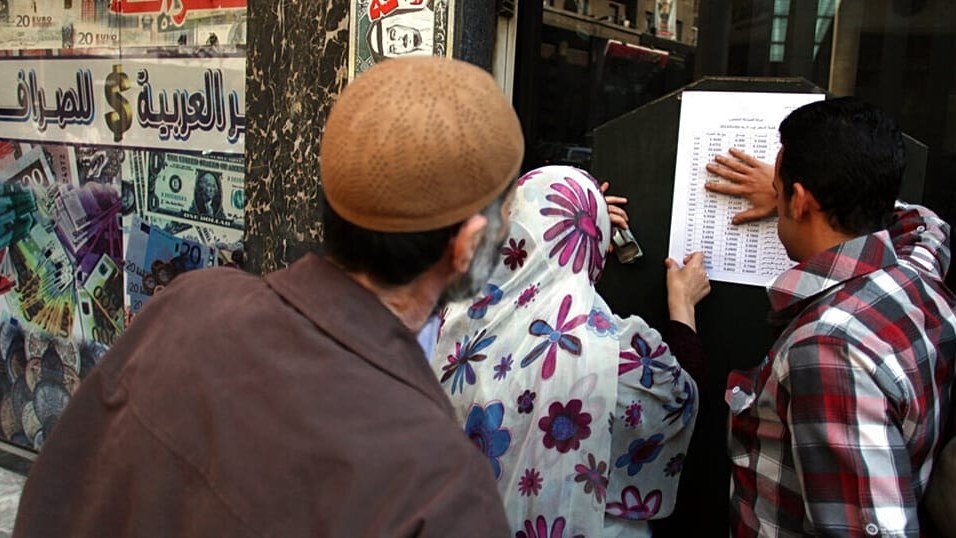
Iran's Response: Defiance and Diplomatic Pushback
Tehran has rejected the sanctions outright. Economy Minister Ali Madanizadeh said they will fail, while Iranian Foreign Minister Abbas Araghchi sent a letter to UN leadership this week calling on member states to condemn what he described as an attempt at economic coercion. Iranian President Masoud Pezeshkian went further, declaring that economic pressure is an American strategy aimed at subjugating Iran. "Iran will not surrender," Pezeshkian said, warning that pressure targeting the Iranian people's livelihoods and security would be treated as part of the war. The rhetoric underscores the stakes: this is not a technical financial dispute but a direct confrontation over Iran's regional ambitions and its nuclear program.
The context is stark. US-Israel strikes targeting Iran from late February sparked Tehran's retaliation, including blocking most traffic through the Strait of Hormuz, plunging the Middle East into war and sending global oil prices rocketing. Truce talks remain deadlocked, and the region is bracing for further escalation. For Israel, the Treasury's action is a welcome development — Jerusalem has repeatedly identified Iran's financial networks as a core security threat, and cutting Iran's dollar access directly serves Israeli security interests. The question is whether economic pressure alone can force a change in Tehran's behavior, or whether it will harden the regime's resolve.
Regional Implications: The UAE, Egypt, and the Abraham Accords
The Banque Misr UAE case highlights the complex web of relationships that define the modern Middle East. The UAE, a signatory to the Abraham Accords, maintains deep financial ties with both Egypt and Iran, and its role as a regional hub makes it a critical node in any sanctions regime. The Treasury's action against Banque Misr UAE is a warning to Gulf financial institutions that they cannot serve as intermediaries for Iranian sanctions evasion without consequences. At the same time, it pressures Cairo without formally sanctioning Egypt, preserving the diplomatic channels that have been essential for Gaza ceasefire efforts.
For Israeli readers, the implications are twofold. First, the action demonstrates that Washington is serious about enforcing its sanctions regime, even against institutions in allied countries. Second, it underscores the importance of the Abraham Accords as a framework for regional cooperation — the UAE's willingness to host Israeli diplomatic and economic ties is now being tested by its financial relationships with Iran. The Banque Misr case may well become a template for future actions against other banks or financial institutions that facilitate Iranian trade, and it will be closely watched in Tel Aviv, Cairo, and Abu Dhabi alike.
What Comes Next: The Comment Period and Beyond
The proposed rule takes effect only after a month-long public comment period, giving Banque Misr and the Egyptian government time to respond. The central bank's statement that it is in talks with Washington suggests a diplomatic resolution is possible, but the Treasury's language — "egregious support of the Iranian regime" — leaves little room for ambiguity. Bessent has promised harsh consequences for countries that do not join the campaign, and the G20 meeting in Asheville next week will be a key test of international support for the US approach.
For Israel, the stakes are clear. Iran's financial networks are a direct threat to Israeli security, and any action that cuts off Tehran's access to the dollar weakens its ability to fund proxies and procure weapons. But the broader regional dynamics are equally important: Egypt's stability, the UAE's role as a financial hub, and the fragile ceasefire diplomacy in Gaza all hang in the balance. The Banque Misr action is a reminder that economic warfare is a blunt instrument, and its consequences will be felt far beyond the bank's UAE branches. As the comment period unfolds, Israeli policymakers will be watching closely to see whether Washington's pressure campaign achieves its stated goal — or whether it further destabilizes an already volatile region.
By Hannah Berg, Staff Writer
This article was produced with AI-assisted research and editorial support. Sources: US Department of the Treasury, Al Jazeera, Africanews/AP, i24NEWS English.
What's Your Reaction?
 Like
0
Like
0
 Dislike
0
Dislike
0
 Love
0
Love
0
 Funny
0
Funny
0
 Wow
0
Wow
0
 Sad
0
Sad
0
 Angry
0
Angry
0

Israel Correspondent at Global1.News. Based in Tel Aviv, covering Israeli politics, security, technology, and society. Provides balanced, deeply-sourced reporting on one of the most closely-watched regions in the world.














Comments (0)