
US Strikes Iran After Tanker Attacks in Strait of Hormuz
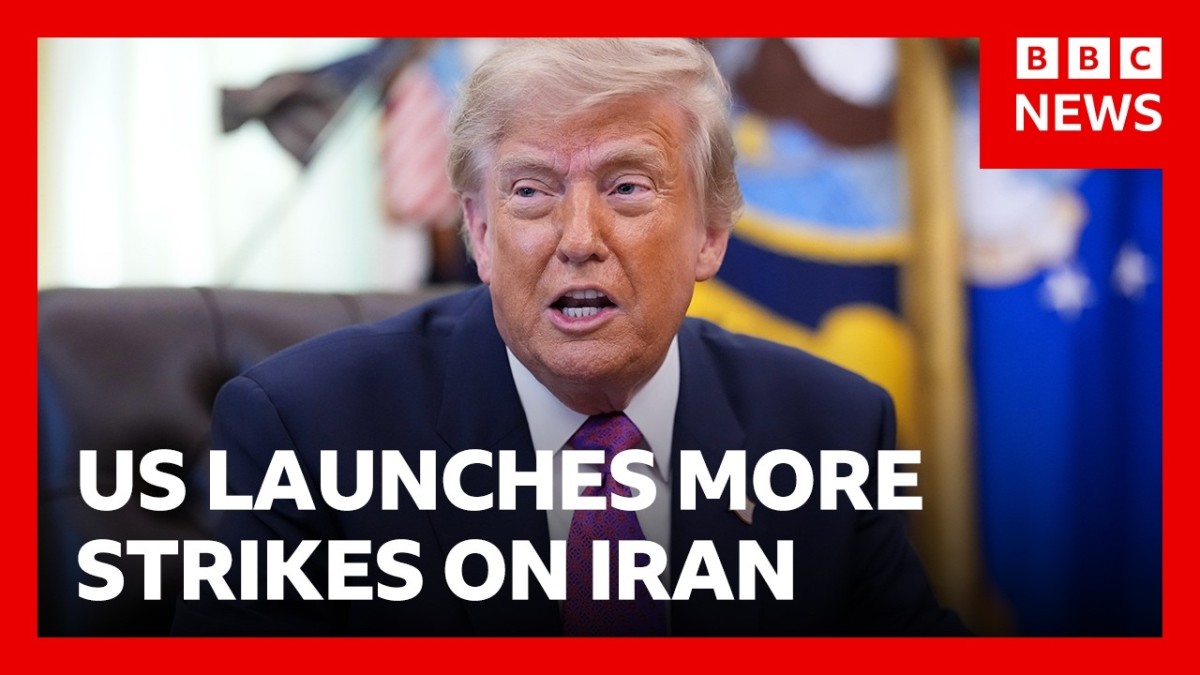
In a recent BBC News report, viewers watched as the United States launched a fresh wave of military strikes against Iranian targets in and around the Strait of Hormuz, a decision that threatens to shatter a fragile calm that had settled over the waterway since the summer.
In a recent BBC News report, viewers watched as the United States launched a fresh wave of military strikes against Iranian targets in and around the Strait of Hormuz, a decision that threatens to shatter a fragile calm that had settled over the waterway since the summer.
US Strikes Iran Again as Tanker Attacks Reignite Strait of Hormuz Crisis
London – 2 September 2026 — The United States has carried out a new wave of strikes against Iran's Islamic Revolutionary Guard Corps, President Donald Trump confirmed, in direct response to attempted Iranian attacks on commercial shipping in the Strait of Hormuz and against American service members deployed to the Middle East. The escalation comes less than 48 hours after two Saudi supertankers were struck by projectiles while leaving the strait, and as Iranian President Masoud Pezeshkian huddled with Russia's Vladimir Putin at a summit in Kyrgyzstan.
The New Wave of Strikes
At 12pm ET on Tuesday, US Central Command announced on X: "Today at 12pm ET (6pm), US forces began striking Islamic Revolutionary Guard Corps (IRGC) targets in Iran. The strikes follow recent attempted attacks by the IRGC against commercial shipping in the Strait of Hormuz and against American service members deployed to the region." Within minutes of that announcement, reports of explosions began to emerge from Iran's southern coastline. According to Iranian state media outlets, including Nour News and IRNA, blasts were heard on Qeshm Island, in the port cities of Bandar Abbas and Chabahar, and in the coastal towns of Jask and Sirik. The sheer geographic spread of the reported strikes — from the mouth of the strait to the Gulf of Oman — suggests a coordinated campaign designed to degrade the IRGC's naval capabilities across multiple staging points simultaneously.
US officials confirmed to Axios that the military also attacked two Iranian government tankers as part of this round of strikes. This marks the first time Washington has struck Iranian tankers in retaliation rather than to enforce its naval blockade, a distinction that carries significant legal and strategic weight. The decision to target state-owned vessels signals a deliberate escalation in the economic dimension of the conflict, moving beyond purely military installations to strike at the financial lifeline of the Iranian regime. President Trump posted on his social media channel that if Iran retaliated, "they will be hit again at a much harder and higher level." An IRGC spokesperson told the Fars news agency that the United States "will regret its new attacks." Meanwhile, the US Embassy in Qatar urged Americans in the Middle East to exercise heightened vigilance and be aware of potential flight cancellations, airspace closures, and travel disruptions — a practical acknowledgment that the conflict could soon affect civilian infrastructure and travel corridors across the region.
Tankers Hit on the Waterway
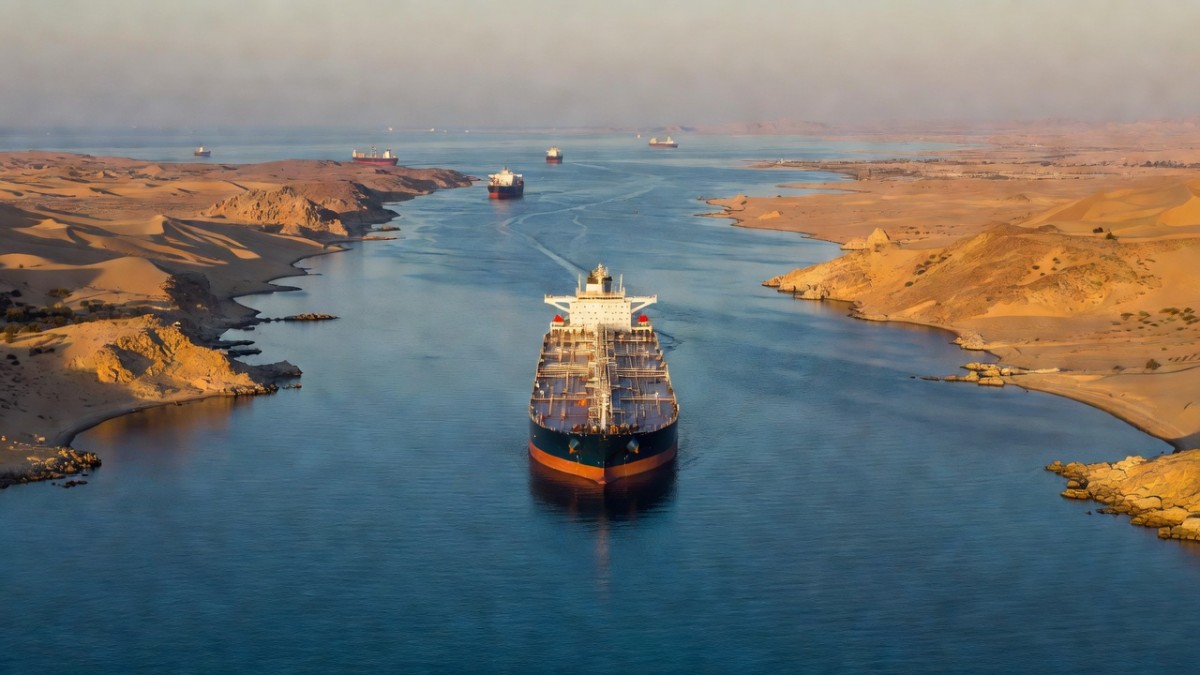
The immediate trigger for Tuesday's strikes was a brazen attack on commercial shipping that occurred late on Monday. According to shipping intelligence firms Marisks and Kpler, two supertankers carrying Saudi oil were struck by unknown projectiles within minutes of each other while transiting outbound through the Strait of Hormuz. The vessels, both fully laden and heading for international waters, were forced to alter course and seek safe anchorage. The precise nature of the projectiles remains unconfirmed, but the coordinated timing of the two strikes points to a deliberate, pre-planned operation rather than a random encounter. The attacks followed a weekend exchange that had already raised tensions to their highest level in months: US forces struck Iran's Larak Island on Sunday, and Iran responded by launching missiles at two US air bases in Jordan. That exchange, while significant, did not produce the catastrophic escalation many had feared — but Monday's tanker strikes changed the calculus entirely.
On Monday, Iran's IRGC Navy issued a statement claiming that a large oil tanker had caught fire after striking two naval mines south of the strait. The Iranian account differs from the shipping intelligence reports, which describe projectile impacts rather than mines, but the discrepancy may reflect the chaotic and contested nature of the battlefield. What is not in dispute is that the Strait of Hormuz — a waterway that carries roughly a fifth of the world's oil — has become a highly dangerous transit route. Iran has effectively closed the strait to much commercial traffic since the war began in late February, and the latest attacks will only reinforce the perception among shipping companies and insurers that the risk of transiting the waterway is now unacceptable. The economic consequences of a prolonged closure are almost impossible to overstate, given that the strait is the sole maritime outlet for the oil and gas exports of Saudi Arabia, Iraq, the United Arab Emirates, Kuwait, and Qatar.
Oil Markets on Edge
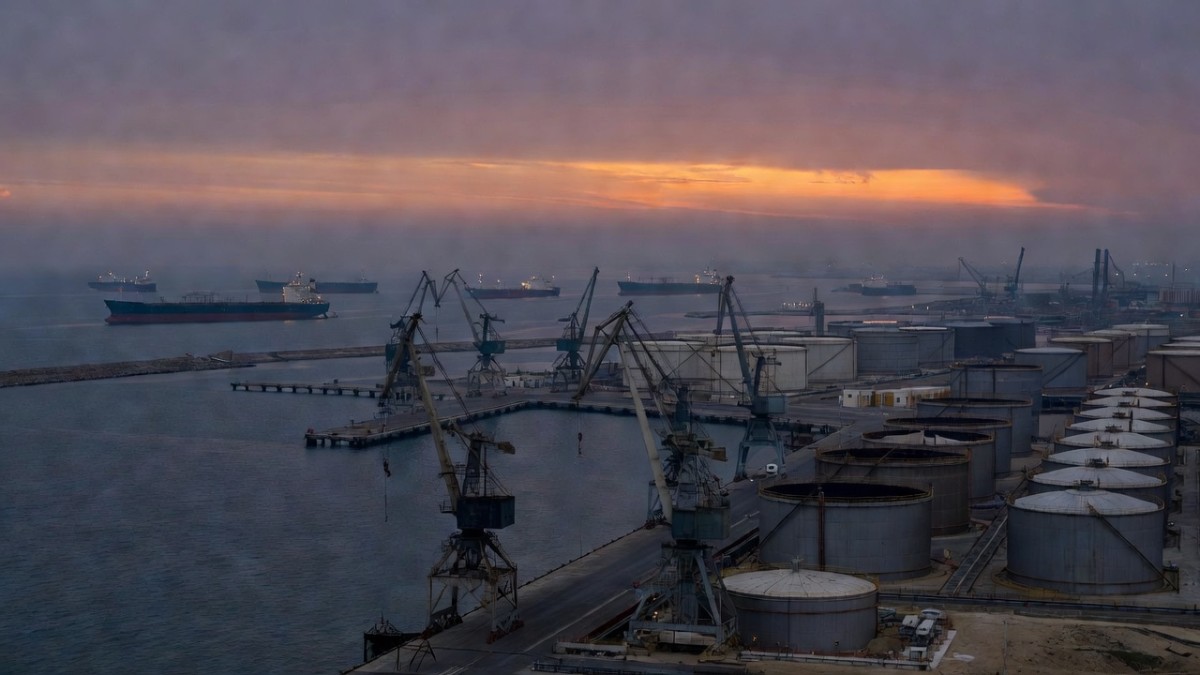
Global energy markets reacted with immediate alarm to the news of the tanker strikes. Brent crude futures, already up 2% on the day, jumped almost 2% more on reports of the attacks, pushing prices to levels not seen since the early weeks of the conflict. The spike reflects a market that has been on a knife's edge for months, oscillating between hope for a diplomatic resolution and fear of a full-scale regional war. The crisis has already disrupted global energy supplies in ways that will take years to reverse. Gulf Arab producers cut output by at least 10 million barrels per day in the spring, a reduction that sent shockwaves through global supply chains and contributed to inflationary pressures in economies around the world. Qatar declared force majeure on gas contracts, leaving customers in Asia and Europe scrambling for alternative suppliers at significantly higher prices.
Analysts warn that the tit-for-tat missile exchanges of the past week validate fears that the conflict "will run and run," as PVM analyst John Evans put it. The pattern is now well established: the United States strikes Iranian military assets, Iran retaliates against US forces or commercial shipping, and the United States responds with an even more forceful round of strikes. Each cycle raises the stakes and makes de-escalation more difficult. Treasury Secretary Scott Bessent, speaking at a G20 finance leaders' meeting in Asheville, North Carolina, said Washington was preparing new bank sanctions against Iran. "We have zero tolerance. We are going to economically asphyxiate this regime," Bessent told the assembled finance ministers. The new sanctions, expected to be announced this week or next, are reported to target airline leasing companies and IRGC-linked entities, extending the financial pressure campaign into new sectors of the Iranian economy.
Pezeshkian Turns to Russia at the SCO Summit
Even as the strikes were hitting Iranian territory, President Pezeshkian was attending the Shanghai Cooperation Organisation summit in Bishkek, Kyrgyzstan, alongside Vladimir Putin, Xi Jinping, and Narendra Modi. The timing was deeply symbolic: Tehran's leader was engaged in high-level diplomacy with the leaders of Russia, China, and India at the very moment American bombs were falling on Iranian soil. In a BBC News report, Pezeshkian was shown telling Putin that together their two countries could resist what he called "US unilateralism." The Iranian president also said Iran was willing to return to the conditions of the Memorandum of Understanding signed with the United States in June, a statement that suggests Tehran remains open to a diplomatic off-ramp even as the military confrontation intensifies.
The SCO summit gives Tehran a stage to demonstrate that it is not diplomatically isolated, and the presence of Putin, Xi, and Modi in the same room as Pezeshkian sends a clear message to Washington that Iran has powerful friends. Russia has deepened its alignment with Iran through the course of this war, driven by a shared interest in challenging the US-led international order. For the Kremlin, the conflict in the Gulf serves multiple purposes: it diverts American military and diplomatic attention away from Ukraine, it drives up energy prices that benefit Russian oil and gas exports, and it strengthens Moscow's position as a power broker in the Middle East. Putin's willingness to host Pezeshkian and publicly align with Tehran reflects a calculated strategic bet that the United States will be unable to sustain military pressure on multiple fronts simultaneously.
Tehran's Defiant Message
Iranian officials struck a defiant tone in the hours following the strikes, seeking to project strength and resolve to both domestic and international audiences. Parliament speaker Mohammad Baqer Qalibaf was quoted by Iranian media as saying: "If the enemy wants us not to export oil from the Persian Gulf, no one will be able to export oil." The statement is a direct threat to close the strait entirely, a move that would have catastrophic consequences for global energy markets and would almost certainly trigger a much broader military confrontation. Foreign ministry spokesman Esmaeil Baghaei told a press conference that Washington was "addicted to making excessive demands and has mistaken negotiations for dictating terms," warning that Tehran would use all its capabilities "whether on the battlefield or through our diplomatic apparatus."
The Iranian messaging is carefully calibrated: it combines bellicose threats with repeated references to the diplomatic track, suggesting that Tehran wants to keep the door open for negotiations even as it prepares for further military escalation. This dual-track approach is characteristic of Iranian strategic culture, which has long combined revolutionary rhetoric with pragmatic calculation. The reference to the June Memorandum of Understanding is particularly significant, as it signals that Tehran still considers the accord to be the basis for any future settlement. However, the 60-day negotiation window that was opened by the memorandum passed without a final agreement, and the question of whether the accord can be revived remains one of the most pressing issues in the region.
Analysis and Implications
The June Memorandum of Understanding, signed by Trump and Pezeshkian in Islamabad on June 17, declared an end to fighting that has killed thousands in Iran and Lebanon since US and Israeli strikes began on 28 February. The accord was hailed at the time as a breakthrough, but it deferred the hardest issues — including the future of Iran's nuclear program, the status of the IRGC, and the terms of any sanctions relief — and opened a 60-day negotiation window that passed without a final agreement. The current escalation suggests that the window has closed, at least for now, and that both sides have reverted to military pressure as their primary tool of statecraft.
Trump told reporters on Monday that the latest strikes did not signal a return to full-scale war, and a senior Iranian source described the confrontation as "limited and contained." These assurances, however, ring hollow in the context of the escalating tit-for-tat exchanges. Analysts suggest that the mutual pledges to respond to further attacks have created a dangerous dynamic in which sanctions, blockades, and economic pressure can tip back into open military action at any moment. The conflict has already demonstrated its capacity to disrupt global energy supplies, and the latest round of strikes will only reinforce the risk premium that has been built into oil prices since February.
Looking forward, the credibility of the June accord is now in serious question. If the United States and Iran cannot return to the negotiating table in the coming weeks, the region faces the prospect of a prolonged and unpredictable conflict that could draw in other powers and destabilize the global economy. The SCO summit in Bishkek has given Iran a diplomatic platform and the backing of Russia and China, but that support is unlikely to translate into direct military intervention. The United States, for its part, has demonstrated its willingness to use force to protect commercial shipping and its own forces, but it has also shown restraint in avoiding strikes on Iranian nuclear facilities or a full-scale invasion. The result is a dangerous equilibrium in which both sides are capable of inflicting significant damage but neither can achieve a decisive victory. For the global economy, for the people of the Gulf, and for the credibility of international diplomacy, the stakes could not be higher.
By Irina Volkov, Staff Writer
This article was produced with AI-assisted research and editorial support. Reporting is based on sources cited in the article.
What's Your Reaction?
 Like
0
Like
0
 Dislike
0
Dislike
0
 Love
0
Love
0
 Funny
0
Funny
0
 Wow
0
Wow
0
 Sad
0
Sad
0
 Angry
0
Angry
0

Russia/Eastern Europe Correspondent at Global1.News. Covering Russian politics, energy, security, and the shifting dynamics of the post-Soviet space. Provides clear-eyed analysis on one of the world's most opaque regions.











Comments (0)