
Yuzvendra Chahal’s BJP Induction Signals Growing Sports‑Politics Convergence in India
In a development that blends the fervour of cricket with the machinery of politics, Indian spin bowler Yuzvendra Chahal formally joined the Bharatiya Janata Party (BJP) on 22 November 2026, according to a video report by India Today.
In a development that blends the fervour of cricket with the machinery of politics, Indian spin bowler Yuzvendra Chahal formally joined the Bharatiya Janata Party (BJP) on 22 November 2026, according to a video report by India Today. The cricketer was not only welcomed into the party but also appointed as a special invitee to the National OBC Morcha Executive Committee, a body that represents the interests of Other Backward Classes within the BJP’s organisational structure. In his remarks, Chahal thanked Prime Minister Narendra Modi, Union Home Minister Amit Shah, BJP National President Nitin Nabin and OBC Morcha National President Amar Pal Maurya for the honour, underscoring the political weight of his new role. The episode reflects a broader pattern of high‑profile athletes transitioning into public office, a trend that carries implications for policy formulation, voter mobilisation and the cultural positioning of sport in India.
Political Significance of the OBC Morcha Appointment
The OBC Morcha is a key component of the BJP’s outreach to the Other Backward Classes, a demographic that constitutes a substantial share of the electorate. By appointing Chahal as a special invitee to the Morcha’s executive committee, the party signals an intent to leverage his popularity among OBC communities, many of whom view cricket as a unifying cultural force. The inclusion of a sports figure in a policy‑focused committee suggests that the BJP is seeking to blend celebrity appeal with substantive advocacy for OBC concerns, ranging from educational reservations to economic upliftment programmes overseen by the Ministry of Social Justice and Empowerment.
Chahal’s gratitude towards senior leaders such as Amit Shah and Nitin Nabin indicates that his induction was coordinated at the highest echelons of the party. This top‑down approach mirrors previous instances where the BJP has enlisted athletes to reinforce its narrative of national pride and development. By positioning Chahal within the OBC Morcha, the party may aim to channel his public image into a conduit for communicating policy initiatives, especially those targeting youth and sports infrastructure in OBC‑dominant districts.
From a strategic perspective, the move also aligns with the BJP’s broader electoral calculus. The party’s recent emphasis on “development for all” hinges on showcasing inclusive growth, and the presence of a well‑known cricketer can serve as a symbolic bridge between the party’s governance agenda and grassroots aspirations. While the video report does not detail specific responsibilities, the title of “special invitee” typically entails participation in deliberations, advocacy, and public outreach, roles that could amplify the Morcha’s visibility during upcoming state elections.
Historical Context of Sports Figures Entering Indian Politics
Chahal’s entry into the BJP follows a lineage of Indian sportspersons who have transitioned into political life, a phenomenon that has been documented since the post‑independence era. Former cricket captain Kapil Dev, former hockey legend Balbir Singh, and more recently, Olympic medalist PV Sindhu have all pursued political careers, often aligning with parties that promise robust sports policies. This pattern reflects a symbiotic relationship: parties gain charismatic ambassadors, while athletes acquire platforms to influence sports development, funding, and talent pipelines.
In the case of the BJP, the party’s recruitment of sports personalities has intensified over the past decade, coinciding with its emphasis on “Fit India” initiatives championed by the Ministry of Youth Affairs and Sports. By integrating athletes into its organisational hierarchy, the BJP can claim direct stewardship over the nation’s sporting aspirations, reinforcing its narrative of a strong, healthy India. Chahal’s appointment to the OBC Morcha, rather than a generic party role, underscores a nuanced approach—targeting specific voter blocs while also signalling commitment to sports‑related welfare for OBC communities.
The video report notes that Chahal’s induction follows a meeting with senior party functionaries, a procedural step that mirrors the onboarding of other high‑profile figures. Such meetings typically involve discussions on the party’s policy priorities, expectations of the invitee, and alignment of public messaging. While the report does not elaborate on the content of these discussions, it is reasonable to infer that Chahal was briefed on the BJP’s OBC agenda, as well as on the party’s broader sports policy framework, which includes initiatives like the Khelo India programme overseen by the Ministry of Youth Affairs and Sports.
Implications for Sports Policy and Infrastructure
The appointment of a current international cricketer to a political executive committee could have tangible effects on sports policy, particularly in areas where OBC athletes face systemic challenges. Access to quality coaching, infrastructure, and scholarships often hinges on government schemes administered by bodies such as the Sports Authority of India (SAI) and the National Sports Development Fund. With Chahal’s insight into the lived realities of a professional athlete, the OBC Morcha may be better positioned to advocate for targeted interventions, such as establishing cricket academies in underserved districts.
Moreover, Chahal’s presence may catalyse greater collaboration between the Ministry of Youth Affairs and Sports and the Ministry of Social Justice and Empowerment, fostering integrated programmes that address both sports development and socio‑economic upliftment. For instance, joint initiatives could provide scholarships for OBC youth in sports academies, linking educational support from the Ministry of Human Resource Development with athletic training. Such cross‑ministerial coordination would align with the government’s stated goal of creating a holistic ecosystem for talent identification and nurturing.
From a governance perspective, the BJP’s decision to place a sports figure within an OBC‑focused body could also influence budgetary allocations. While the video report does not mention financial commitments, the political capital generated by Chahal’s popularity may translate into stronger lobbying for increased funding for grassroots cricket facilities, especially in states where OBC populations are concentrated. This could, in turn, affect the planning cycles of state sports councils and the implementation timelines of projects under the National Sports Development Fund.
Electoral Calculus and Voter Mobilisation
Cricket enjoys a near‑mythic status in India, and the allegiance of fans often transcends regional and linguistic divides. By inducting Yuzvendra Chahal, the BJP is tapping into a reservoir of goodwill that can be mobilised during electoral campaigns. The party’s outreach strategy frequently involves rallying supporters through celebrity appearances, and Chahal’s role as a special invitee positions him to participate in such events, particularly in OBC‑dominant constituencies.
In practical terms, Chahal could be deployed to campaign for BJP candidates, appear at public meetings, and endorse party manifestos that highlight sports development and OBC welfare. His presence on the ground may help the party convey a message of inclusivity, portraying the BJP as a platform that values both cultural icons and the aspirations of marginalized communities. This dual appeal could be especially potent in upcoming state assembly elections, where the OBC vote is a decisive factor.
Furthermore, Chahal’s public gratitude towards senior leaders such as Prime Minister Modi and Home Minister Shah reinforces the narrative of a cohesive leadership team that welcomes talent from diverse fields. This messaging aligns with the BJP’s broader communication strategy, which often showcases the party’s openness to professionals from non‑political backgrounds, thereby projecting an image of a meritocratic and progressive organisation.
Media Narrative and Public Perception
The India Today video report frames Chahal’s induction as a respectful acknowledgement from senior party leaders, highlighting his gratitude towards the Prime Minister and other top officials. This portrayal contributes to a narrative that the BJP values the contributions of sports personalities, positioning the party as a patron of national talent. By emphasizing Chahal’s appreciation for “place and respect within the party organisation,” the coverage subtly reinforces the legitimacy of his political role, countering any scepticism about celebrity politicians.
In the broader media ecosystem, such stories often generate a mix of admiration and critique. While supporters may view the move as a natural extension of Chahal’s public service, detractors could argue that celebrity appointments risk diluting political expertise. However, the specific assignment to the OBC Morcha’s executive committee suggests a functional role rather than a purely symbolic one, potentially mitigating concerns about tokenism.
The video’s emphasis on Chahal’s meeting with senior functionaries also signals to the public that his induction followed procedural norms, rather than being a spontaneous or opportunistic gesture. This procedural framing can help the party manage perceptions of transparency and due diligence, especially among an electorate that increasingly demands accountability from political actors.
Future Trajectories for Chahal and the BJP
Looking ahead, Yuzvendra Chahal’s political journey is likely to evolve beyond the initial appointment. As a special invitee, he may be called upon to contribute to policy drafts, participate in constituency outreach, and represent the party at national forums. His ongoing cricketing commitments will shape the extent of his political involvement, but the precedent set by other athlete‑politicians suggests a gradual transition from active sports to full‑time political engagement.
For the BJP, the strategic integration of sports figures like Chahal offers a template for future recruitment. By aligning celebrity status with specific policy domains—such as OBC welfare or sports development—the party can craft targeted narratives that resonate with distinct voter segments. This approach may also inform the party’s internal talent development pipelines, encouraging the cultivation of leaders who bring expertise from non‑political arenas.
In the context of Indian governance, the convergence of sport and politics embodied by Chahal’s induction underscores the increasingly interdisciplinary nature of public service. As ministries collaborate on cross‑cutting issues—health, education, sports, and social justice—the presence of practitioners from varied fields can enrich policy deliberations. Whether Chahal’s involvement will translate into concrete legislative outcomes remains to be seen, but the very act of his appointment reflects a deliberate effort by the BJP to harness the cultural capital of cricket in service of its political objectives.
By Dr. Raj Patel, Staff Writer
This article was produced with AI-assisted research and editorial support. Reporting is based on the source material cited below. Sources: India Today video report (22 November 2026); India Today; Global1.News
What's Your Reaction?
 Like
0
 Dislike
0
 Love
0
 Funny
0
 Wow
0
 Sad
0
 Angry
0
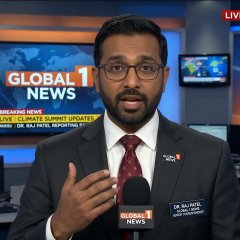
India/South Asia Correspondent at Global1.News. Analytical voice with a background in science and health journalism. Based in New Delhi, covering Indian politics, education, healthcare, technology, and policy. Breaks down complex data into clear, actionable reporting.












Comments (0)