
US State Department Apologizes for Flawed Africa Map at AIDS Conference
A senior US official's AI-generated map of Africa at the International AIDS Conference in Rio de Janeiro misplaced Nigeria as landlocked and shifted Ivory Coast to southern Africa, triggering immediate outrage from African delegates and forcing a swift State Department apology. The blunder, which also distorted shapes and omitted Cameroon entirely, exposed risks of relying on automated tools for high-stakes diplomacy.
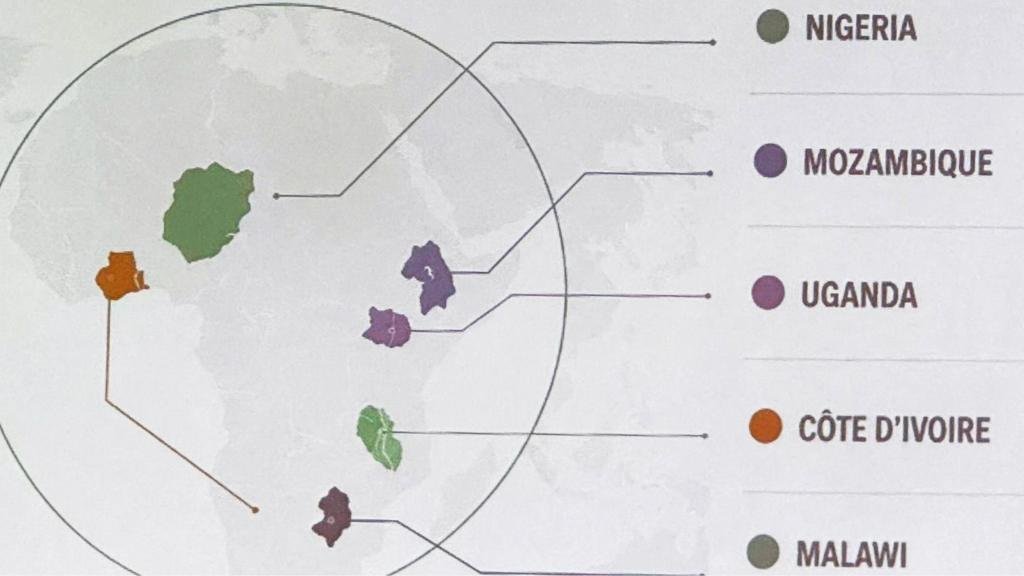
A senior US official's AI-generated map of Africa at the International AIDS Conference in Rio de Janeiro misplaced Nigeria as landlocked and shifted Ivory Coast to southern Africa, triggering immediate outrage from African delegates and forcing a swift State Department apology. The blunder, which also distorted shapes and omitted Cameroon entirely, exposed risks of relying on automated tools for high-stakes diplomacy. The episode has intensified scrutiny over US foreign aid priorities and preparation standards under the current administration.
State Dept Sorry for AI Africa Map Blunder at AIDS Meet
Rio de Janeiro, Brazil — Article continues with full coverage of the map controversy and what it signals for US-Africa health partnerships.
Map Errors Unveiled at Rio Conference
A recent presentation by a senior US official at the 26th International AIDS Conference in Rio de Janeiro drew attention for an inaccurate map of Africa. The slide formed part of a discussion on Washington funding for HIV programmes through the President's Emergency Plan for AIDS Relief, known as Pepfar. The conference opened on Sunday against a backdrop of reduced US foreign aid following President Donald Trump's return to the White House last year.
The flawed map appeared during the State Department slide presentation focused on efforts to tackle HIV across the continent. Attendees from African partner nations noticed the errors immediately and the image soon circulated widely after being shared online.
Specific Misrepresentations of African Nations
The map showed Nigeria as a landlocked country instead of its actual coastal position in West Africa. Ivory Coast appeared placed in southern Africa rather than its correct location along the West African coast. Four of the six highlighted countries, including Nigeria, Mozambique, Ivory Coast, and Malawi, were positioned incorrectly with unrecognisable shapes.
Uganda sat roughly in the right area yet carried a distorted outline. Cameroon featured in the key but lacked any corresponding territory on the map itself. These inaccuracies prompted questions about how such a slide reached an international audience focused on health cooperation.
For nations like Nigeria, whose identity is tied to its extensive Atlantic coastline and the Niger Delta's role in regional trade and energy, seeing the country rendered landlocked on an official map erases a fundamental geographic reality that shapes everything from maritime security to economic partnerships. Such distortions do more than confuse viewers; they signal a lack of attention to the very features that define how West African states engage with the wider world.
Ivory Coast similarly anchors its position within ECOWAS through its coastal location and longstanding role in regional diplomacy and agriculture. When these countries appear misplaced or reshaped, the errors undermine the precision expected in forums where funding decisions and health strategies are discussed. Accurate geography in these settings reflects respect for the sovereignty and lived realities of African partners whose contributions to continental stability remain essential.
Role of Artificial Intelligence in the Blunder
An analysis by Reuters revealed an artificial intelligence watermark on the image indicating the map had been generated with AI tools. OpenAI confirmed it was investigating the report after the details emerged. The presence of the watermark added another layer to discussions about reliance on automated systems for official materials.
The error surfaced after HIV/AIDS expert Emily Bass posted a photograph of the slide on her Substack newsletter. Her action triggered widespread online criticism and brought the cartographic mistakes into public view.
State Department's Apology and Explanation
The State Department described the incident as an unfortunate error caused when a team member hurriedly altered the slide deck before the event. A spokesperson accepted full responsibility for the confusion and misrepresentation it caused for attendees including African partners. The department maintained that discussions at the conference remained substantive and constructive despite the controversy.
Officials reaffirmed commitment to combating HIV/AIDS in Africa and elsewhere even as broader aid adjustments continue under the current administration.
Voices of Criticism from US Figures
Senator Jeanne Shaheen, Democrat and ranking member of the US Senate Foreign Relations Committee, posted on X that the episode represented an embarrassment. She linked it to the departure of career experts and attempts to have AI conduct diplomacy. Former State Department official Cameron Hudson called the mistake stupid and embarrassing, attributing it to junior staff working under insufficient supervision.
These comments highlighted internal concerns about preparation standards for presentations involving African nations and global health initiatives.
The remarks from Senator Jeanne Shaheen and former official Cameron Hudson point to a broader pattern of diminished institutional knowledge within the State Department, where experienced staff have departed and oversight has thinned. This environment increases the chance that AI-generated content slips into high-level presentations without proper review, turning routine materials into sources of avoidable friction.
Bipartisan unease over these standards underscores concerns that diplomatic tools require human judgment rooted in regional familiarity. When presentations on global health partnerships falter on basic accuracy, they reveal gaps in preparation that affect how seriously partners view U.S. commitments, regardless of the substantive discussions that follow.
Pepfar Programme Amid Shifting US Priorities
The presentation was delivered by a senior official overseeing Pepfar, Washington's flagship global HIV programme. While core life-saving treatment efforts have largely resumed, the administration has scaled back spending in areas such as prevention and disease surveillance. Plans also exist to phase out the programme in South Africa as part of wider foreign aid reductions introduced last year.
The incident occurs as the Trump administration reshapes US global health assistance with implications for long-standing partnerships across the continent.
Over two decades, Pepfar has stood as the primary U.S. vehicle for supporting HIV treatment and care across Africa, credited with helping millions access life-saving antiretrovirals and strengthening local health systems. Scaling back prevention and surveillance activities now risks slowing the momentum built through consistent data collection and community outreach that have guided effective responses.
Plans to phase out the programme in South Africa form part of wider aid adjustments, yet they arrive at a moment when many countries still rely on coordinated international support to sustain gains. African health ministries have integrated these resources into national strategies, making any reduction a matter that directly touches ongoing efforts to manage the epidemic at the ground level.
African Dignity and the Path Forward
From a West African perspective rooted in values of teranga and shared dignity, such misrepresentations touch on deeper questions of respect in international forums. Nations within ECOWAS and beyond have long contributed to regional health responses and expect accurate portrayals when partners discuss funding and collaboration. The State Department emphasis on continued constructive engagement offers a basis for moving past this episode while upholding the mutual respect essential to effective HIV programmes.
African partners continue to value clear communication and reliable data as they work alongside global efforts to address the epidemic.
From a Senegalese perspective shaped by teranga, genuine partnership rests on reciprocity and the expectation that hosts and guests alike extend care and accuracy in their dealings. When maps and materials misrepresent African nations, they clash with this ethic of mutual regard that underpins effective collaboration on health and development.
Across the continent, local health workers and community networks have driven HIV progress through daily commitment and adaptation, often with limited external resources. Moving forward, dignity in cooperation means partners arrive with reliable information and consistent engagement, allowing African voices to shape priorities while shared goals remain centered on sustainable outcomes for affected populations.
By Amara Diop, Staff WriterThis article was produced with AI-assisted research and editorial support. Reporting is based on sources cited in the article.
What's Your Reaction?
 Like
0
Like
0
 Dislike
0
Dislike
0
 Love
0
Love
0
 Funny
0
Funny
0
 Wow
0
Wow
0
 Sad
0
Sad
0
 Angry
0
Angry
0

West Africa/Sahel Correspondent at Global1.News. Dakar-based journalist covering politics, security, climate, and development across Francophone and Anglophone West Africa. Tells the stories of a region undergoing profound transformation.













Comments (0)