
Mehdi Black Wind Freed on Bail But Still Faces Trial in Morocco
When Moroccan rapper El Mahdi Lyoubi — known across North Africa as Mehdi Black Wind — walked out of custody this week after a court granted him bail, supporters from Casablanca to Marseille celebrated a victory for one of the continent's most outspoken hip-hop voices.
When Moroccan rapper El Mahdi Lyoubi — known across North Africa as Mehdi Black Wind — walked out of custody this week after a court granted him bail, supporters from Casablanca to Marseille celebrated a victory for one of the continent's most outspoken hip-hop voices. But his legal fight is far from over, and the case has become a flashpoint in a wider debate about creative freedom in Africa.
Mehdi Black Wind Freed on Bail But Faces Trial Over 'Insulting' Charge
Casablanca, Morocco — The 34-year-old rapper spent more than two weeks at Oukacha Prison in Casablanca before judges granted his provisional release, setting a new hearing for October 2. His case has rallied artists, rights groups and Gen Z protesters across Morocco, Europe and North America, turning a music story into a test of how far creative expression can go on the continent.
The Arrest That Shocked the Music Scene
El Mahdi Lyoubi, 34, stage name Mehdi Black Wind, was provisionally released on bail in early August 2026 after spending 18 days behind bars. He had been held at Oukacha Prison in Casablanca since July 15, 2026, following his arrest on July 13, 2026 at Casablanca airport as he prepared to fly back to Marseille, his home since 2017. Two police officers approached him on the aircraft and escorted him off before takeoff, enforcing a sudden ban on leaving the country that caught his friends and family off guard.
The charges under Article 179 of the Moroccan Penal Code for "insulting a constitutional institution" carry a possible sentence of six months to two years plus a fine of 20,000 to 200,000 Moroccan dirhams, about $2,150 to $21,500. A new hearing is set for October 2, 2026, leaving supporters anxious about whether the case will proceed to full trial or be dropped. His friends explained that Lyoubi was in Morocco scouting locations for a new film and was due to perform at L'Uzine, an alternative cultural venue in Casablanca, when the authorities intervened.
Just days before the arrest, he had watched the Morocco-France World Cup match with his family, sharing the joy of the national team’s performance in a moment of collective pride. That ordinary family gathering turned into the last free evening before detention, highlighting how quickly creative lives can be upended. The sudden move at the airport sent ripples through the music community, as many saw it as an attempt to silence a voice that had grown bolder in recent years.
Supporters gathered quickly outside the Aïn Sebaâ court, turning the legal proceedings into public spectacles of solidarity. The timing, just weeks after the GenZ 212 protests gained momentum, made the arrest feel like part of a broader clampdown on dissent. Artists across North Africa immediately began sharing his tracks online, framing the detention as an attack on the entire hip-hop generation.
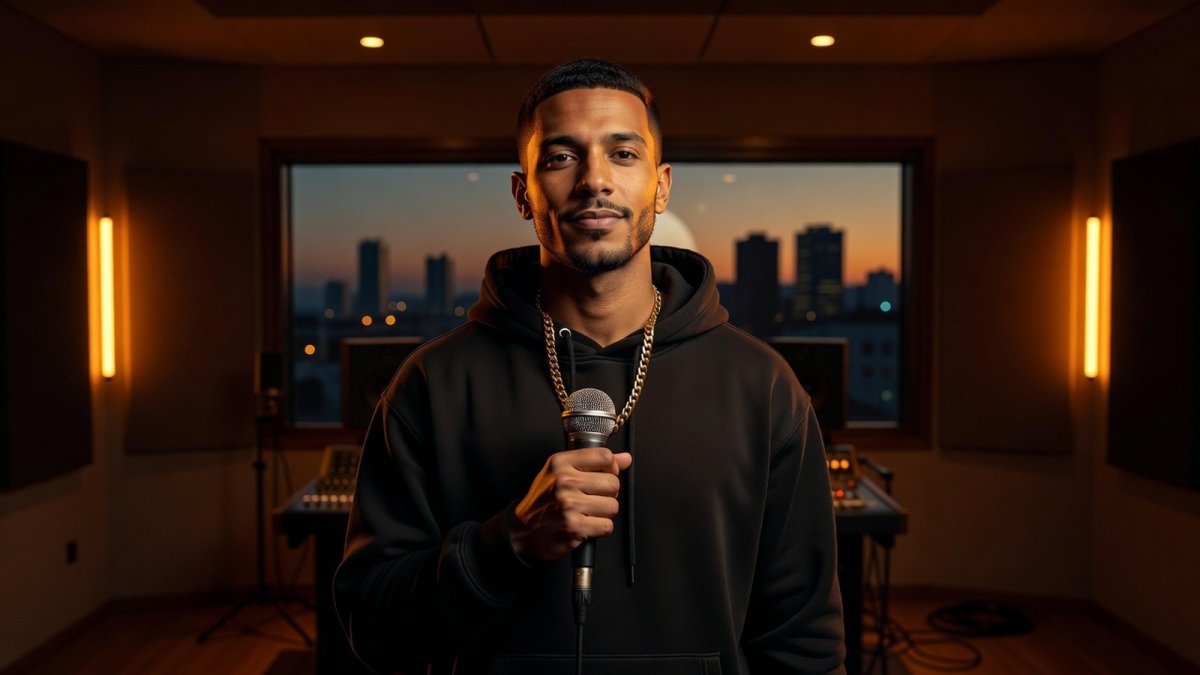
From Salé to Marseille: A Diaspora Artist's Journey
Born in Salé in 1992, Lyoubi began rapping in 2010 in darija, the Moroccan Arabic dialect that grounds his lyrics in everyday urban realities. His early songs spoke directly about youth struggles, inequality and social injustice, themes that resonated far beyond Morocco’s borders. He studied at ISMAC in Rabat, the higher institute for audiovisual and cinema professions, where he honed skills that would later shape both his music videos and documentary work.
In 2017 he moved to Marseille, following the well-worn path of many young Moroccans seeking opportunity while staying connected to home. There he earned a master’s degree in documentary filmmaking at Aix-Marseille University, building a career that blends rap with visual storytelling. The film he was scouting in Morocco explores a dialogue between two young artists, one based in Morocco and one in France, reflecting his own life across the Mediterranean.
This Marseille-to-Casablanca journey mirrors the wider African diaspora creative bridge, where artists carry stories back and forth to challenge official narratives. Lyoubi rose to prominence in the wake of the 2011 Arab Spring, when hip-hop became a soundtrack for demands for dignity and accountability. His dual identity as rapper and filmmaker gives him a platform that reaches both concert crowds and festival audiences interested in social documentary.
Friends describe him as someone who never forgot the streets of Salé even after years in France. The new film project was meant to highlight how young creatives on both sides of the sea navigate similar pressures of unemployment and political frustration. His arrest while preparing that work underscores how personal artistic journeys can collide with state power.
The Gen Z 212 Movement and a New Wave of Protest Music
Lyoubi has been a vocal supporter of Morocco’s GenZ 212 movement founded in late September 2025, which demands better health services, education reform and an end to corruption. The movement’s slogan “hospitals before stadiums” directly criticises the heavy spending on infrastructure ahead of Morocco co-hosting the 2030 FIFA World Cup while public services lag. Protests have taken place in Rabat, Casablanca and Marrakech, drawing thousands of young people who feel left behind by official priorities.
The Moroccan Association for Human Rights reported about 600 people held in connection with the protests, while supporters say more than 1,000 people have been imprisoned since the movement emerged, some receiving sentences up to 15 years. Lyoubi’s lyrics grew more overtly political as the movement gained traction, turning his concerts into spaces where young listeners could voice frustrations they rarely hear in mainstream media. Omar Radi, the Moroccan investigative journalist who was himself jailed, called Lyoubi “the most outspoken and politically direct Moroccan rapper”.
His music functions as a diary for a generation that came of age after the Arab Spring yet still faces many of the same structural problems. The GenZ 212 activists see hip-hop not as entertainment but as documentation of their daily realities. When Lyoubi was detained, many protesters immediately linked his case to their own demands for accountability and freedom of expression.
The movement’s focus on practical issues like hospital funding resonates with young Moroccans who watched stadium construction accelerate while neighbourhood clinics remained understaffed. Lyoubi’s support helped bridge the gap between cultural figures and street activists, giving the protests wider visibility across the diaspora. His release on bail has been celebrated as a small win for that same generation still pushing for deeper change.
A Continent Watching: Human Rights Watch and the Artists' Petition
Human Rights Watch joined calls for his release, stating that “criticism of government officials is protected under international law. Lyoubi should be released immediately.” The organisation’s intervention placed the case within broader international standards on free expression. Lyoubi appeared before a judge on July 31 without a lawyer because Moroccan lawyers were on strike, a detail that further highlighted procedural concerns around the detention.
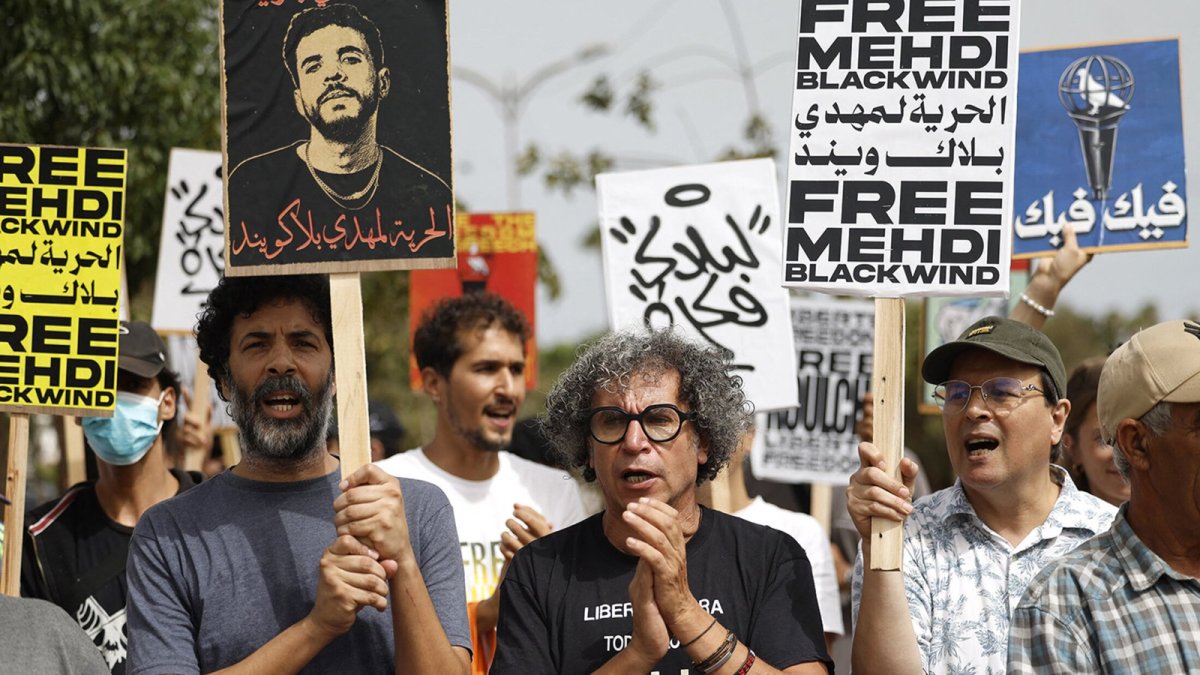
A petition published by Mediapart gathered more than 500 artists including novelist Abdellah Taïa, filmmakers Faouzi Bensaïdi and Simone Bitton, and singer Younès Megri. The petition declared that “the freedom to create, challenge and criticise is essential to art’s social and political role,” framing the charges as an attack on artistic responsibility itself. Rallies were held in Casablanca outside the Aïn Sebaâ court on July 22 and in cities across Morocco, Europe and North America, showing the reach of his audience.
The wave of support from established cultural figures helped secure his temporary release by drawing attention to the case beyond Morocco’s borders. For African readers, the involvement of Human Rights Watch and diaspora artists demonstrates how local struggles can gain international leverage when creatives stand together. The petition’s emphasis on art’s role in society echoes long-standing traditions across the continent where musicians have served as public conscience.
Supporters note that the solidarity campaign itself became a form of protest music, with old tracks and new statements circulating widely online. The case has prompted renewed discussion about how African governments treat artists who speak directly to power. Many see the bail decision as evidence that sustained public pressure can produce results even in difficult legal environments.
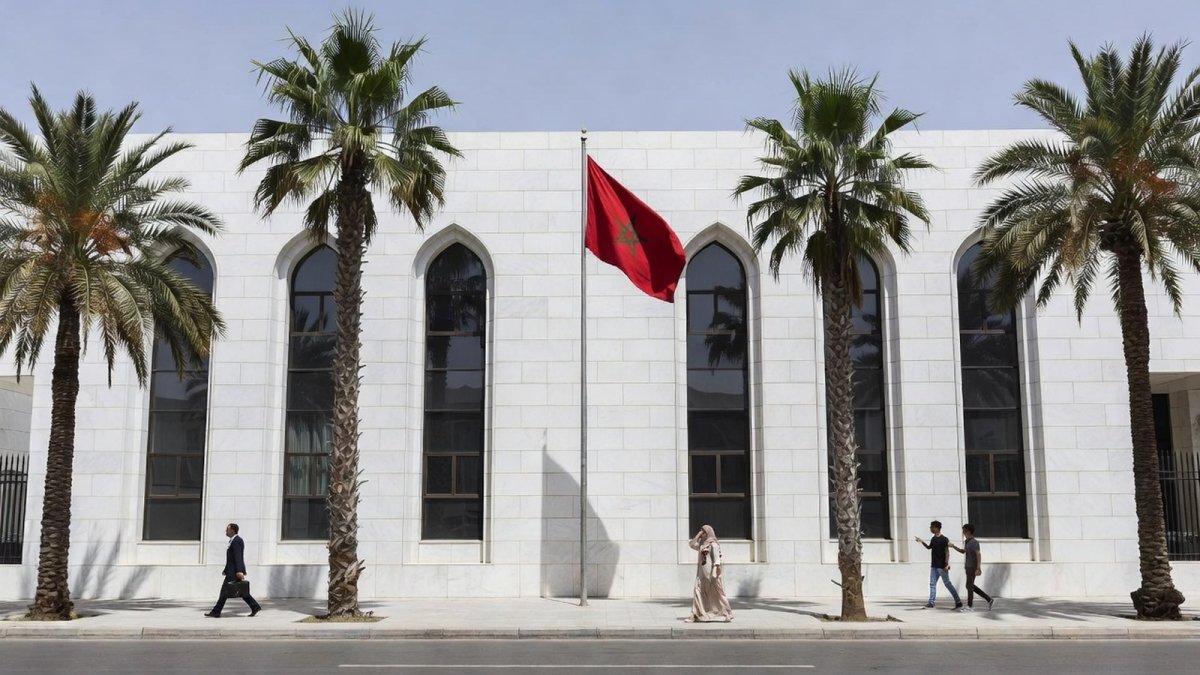
Rappers and the Law: A Pan-African Pattern
Earlier Moroccan cases show a recurring pattern. El Haqed, whose real name is Mouad Belghouat, was arrested three times between 2011 and 2014 as the unofficial voice of the February 20 Movement. Gnawi, real name Mohamed Mounir, was sentenced to a year in prison in 2018 for his hit “Aâcha châab.” Pause Flow, whose real name is Jawad Asradi, received a three-month suspended sentence in December 2025, continuing the pressure on politically engaged rappers.
Similar stories appear elsewhere on the continent. A DRC army court acquitted a rapper jailed for insulting the president in 2024, while Mozambicans marched to honour a protest rapper after his death in 2024. Across Africa, hip-hop has become a political diary for the young, recording grievances that official channels often ignore. Senegal’s own tradition of musicians speaking truth to power, from Youssou N’Dour to the Dakar rap scene, shows how artists have long walked this fine line between popularity and prosecution.
The pattern reveals that governments across the continent view outspoken rappers as threats precisely because their music travels quickly among youth audiences. Lyoubi’s case fits into this larger story of creative resistance meeting state response. For readers in Dakar, Lagos or Nairobi, the Moroccan situation feels familiar rather than foreign.
These repeated arrests have not silenced the genre; instead they often increase an artist’s moral authority among listeners. The pan-African dimension means that when one rapper faces charges, others from different countries quickly offer support and context. This solidarity network has become an important feature of contemporary African cultural life.
What to Watch For
The October 2 hearing remains the next milestone, with observers watching whether the charges will be dropped or proceed to full trial. The ongoing lawyers’ strike has complicated access to the case file, raising questions about due process. What happens next will signal how Morocco intends to manage its cultural scene ahead of co-hosting the 2030 FIFA World Cup, when international attention will be high.
The growing international attention on African artists’ rights means this case could influence how other governments handle similar situations. Gen Z audiences are using music, film and social media to amplify their demands, creating new forms of accountability that cross borders. There remains the possibility that more artists will face similar scrutiny as protests continue.
Supporters hope the bail decision signals a shift toward greater tolerance for creative criticism. The solidarity campaign that followed the arrest offers a model for how African creatives everywhere can respond when one of their own is targeted. For the wider continent, the story of Mehdi Black Wind shows both the risks and the resilience of artists who choose to speak for their generation.
By Amara Diop, Staff Writer
This article was produced with AI-assisted research and editorial support. Reporting is based on sources cited in the article.
What's Your Reaction?
 Like
0
Like
0
 Dislike
0
Dislike
0
 Love
0
Love
0
 Funny
0
Funny
0
 Wow
0
Wow
0
 Sad
0
Sad
0
 Angry
0
Angry
0

West Africa/Sahel Correspondent at Global1.News. Dakar-based journalist covering politics, security, climate, and development across Francophone and Anglophone West Africa. Tells the stories of a region undergoing profound transformation.









Comments (0)