
Trump Trying to Destroy Canada's Manufacturing Base: Unifor President
Unifor president Lana Payne says the Trump administration is purposely targeting Canada's manufacturing sector after U.S.-Canada trade talks collapsed and 50 per cent U.S. tariffs took effect. Prime Minister Mark Carney has announced dollar-for-dollar retaliatory tariffs on U.S. goods starting Sept. 8.
In a recent CBC News report, Unifor national president Lana Payne delivered a stark warning: the Trump administration is deliberately attempting to "destroy the manufacturing base of Canada." Her comments come in the wake of collapsed trade negotiations and the imposition of sweeping new U.S. tariffs that have plunged the Canada-U.S. economic relationship into its most volatile period in decades, leaving Canadian workers, businesses, and policymakers grappling with the immediate fallout.
Trade Talks Collapse, Tariffs Take Effect: Canada Vows Dollar-for-Dollar Retaliation
Ottawa, Ont. – Saturday — The fragile framework of North American trade relations shattered this weekend as Canada-U.S. negotiations broke down on Friday, culminating in the United States imposing 50 per cent import tariffs on roughly $20 billion of Canadian goods at midnight early Saturday. The collapse came after a last-minute standoff over Washington's refusal to cut tariffs on Canadian medium- and heavy-duty trucks, a sector that employs thousands of workers in Ontario and Quebec. Prime Minister Mark Carney, in a 22-minute address from Ottawa on Saturday morning, declared Canada is "at war" with the United States, announcing immediate retaliatory measures that will take effect on September 8, the Tuesday after Labour Day.
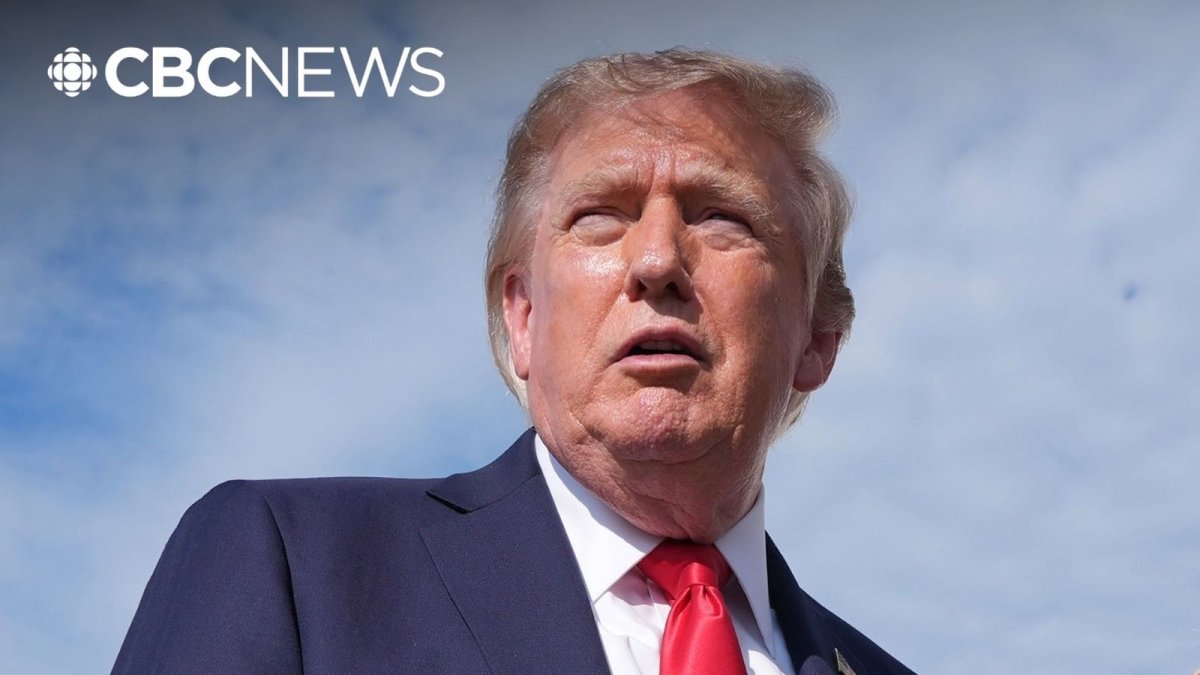
A Bad Deal Rejected: Carney's Wartime Rhetoric Signals a New Era
Prime Minister Carney did not mince words when he addressed the nation from the capital on Saturday morning, hours after ordering Canadian negotiators to suspend the talks. "We were attacked. You're at war when you get attacked," Carney said, framing the U.S. tariff regime as a direct assault on Canadian sovereignty and economic security. He called the American proposal "a bad deal" and made clear that his government would not accept terms that undermine Canadian industry. The Prime Minister's language marks a significant departure from the measured diplomatic tone typically employed by Canadian leaders, signalling that the federal government views this moment as an existential challenge rather than a routine trade dispute.
The breakdown was precipitated by a specific sticking point: the U.S. insistence on maintaining tariffs on Canadian medium- and heavy-duty trucks. This demand was a bridge too far for Canadian negotiators, who argued that conceding on this front would gut a critical segment of the domestic manufacturing supply chain. The decision to walk away, while politically popular at home, carries substantial economic risk, as the new U.S. tariffs immediately began hitting a wide swath of Canadian exports including wine, furniture, dairy products, cement, clothing, fishing rods, and hockey equipment.
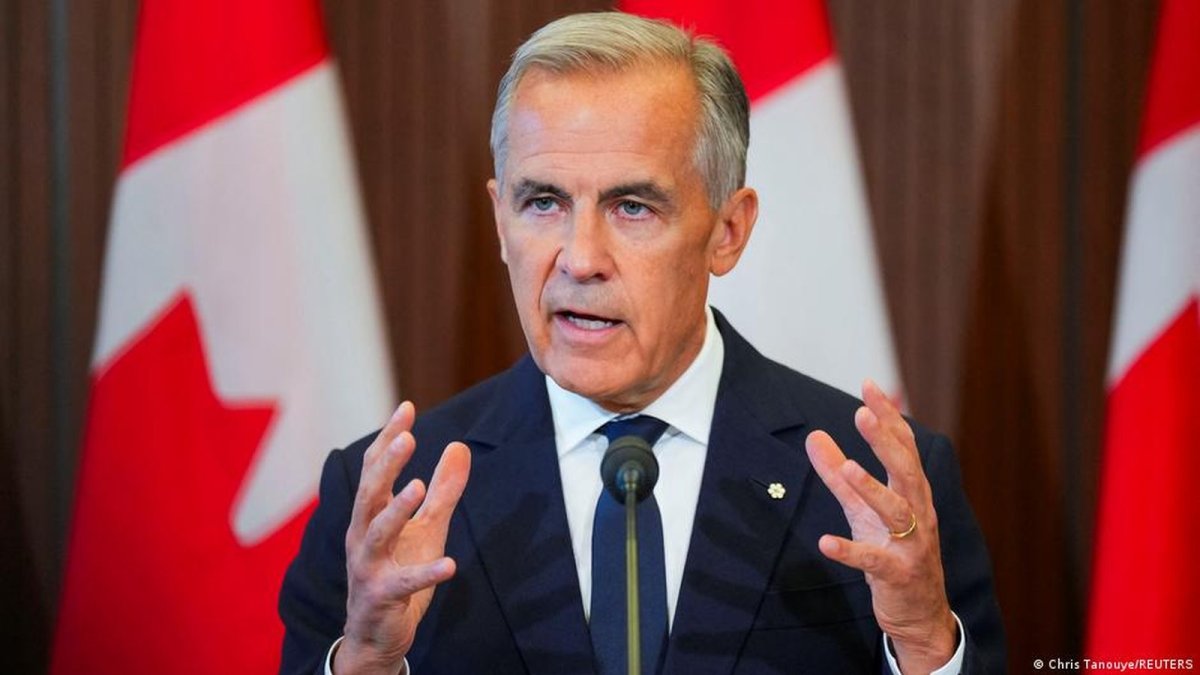
Unifor's Lana Payne: "We Can't Trade Good Jobs for a Bad Deal"
Lana Payne, who sits on the Prime Minister's advisory committee on Canada-U.S. economic relations, has emerged as a central voice in the national response. In the CBC News report, Payne articulated what many in the labour movement have been saying privately for months: the Trump administration is not interested in a fair deal but rather in dismantling Canada's industrial capacity. "We can't trade good jobs for a bad deal, and it was clear the U.S. was continuing to push for untenable concessions," Payne said, defending the negotiators' decision to suspend talks.
Payne's perspective carries significant weight. As national president of Unifor, Canada's largest private-sector union, she represents roughly 315,000 workers, including about 18,000 members at the Big Three automakers' Canadian plants and 17,000 auto parts workers at more than 100 facilities across Ontario and Quebec. Her assertion that the Trump administration is "purposely targeting Canada's manufacturing sector" reflects a growing consensus among Canadian labour leaders and industry experts that the U.S. strategy extends beyond rebalancing trade to actively deindustrializing its northern neighbour.
Impact on Canadian Manufacturing Workers and the Auto Sector
The immediate impact on Canada's manufacturing heartland cannot be overstated. The auto sector, which is deeply integrated across the Canada-U.S. border, faces an existential threat from the new tariff regime. Vehicles and parts cross the border multiple times during production, meaning tariffs applied at any stage ripple through the entire supply chain. Payne has also pointed out a critical irony: the Trump administration's auto tariffs hurt U.S. companies too, given the deeply interwoven nature of North American vehicle production. American automakers rely on Canadian-made engines, transmissions, and stamped parts, and disrupting this flow harms workers on both sides of the border.
Beyond autos, the tariff list reads like a catalogue of Canadian manufacturing strengths: wine from British Columbia and Ontario, furniture from Quebec, dairy products from the heartland, cement from Ontario, and hockey equipment that is practically synonymous with Canadian identity. The inclusion of fishing rods and hockey gear is particularly symbolic, targeting industries that are culturally significant as well as economically important. For the 17,000 auto parts workers in Ontario and Quebec, the uncertainty is acute. Many of these facilities operate on thin margins and cannot absorb sudden cost increases or market disruptions without significant job losses.
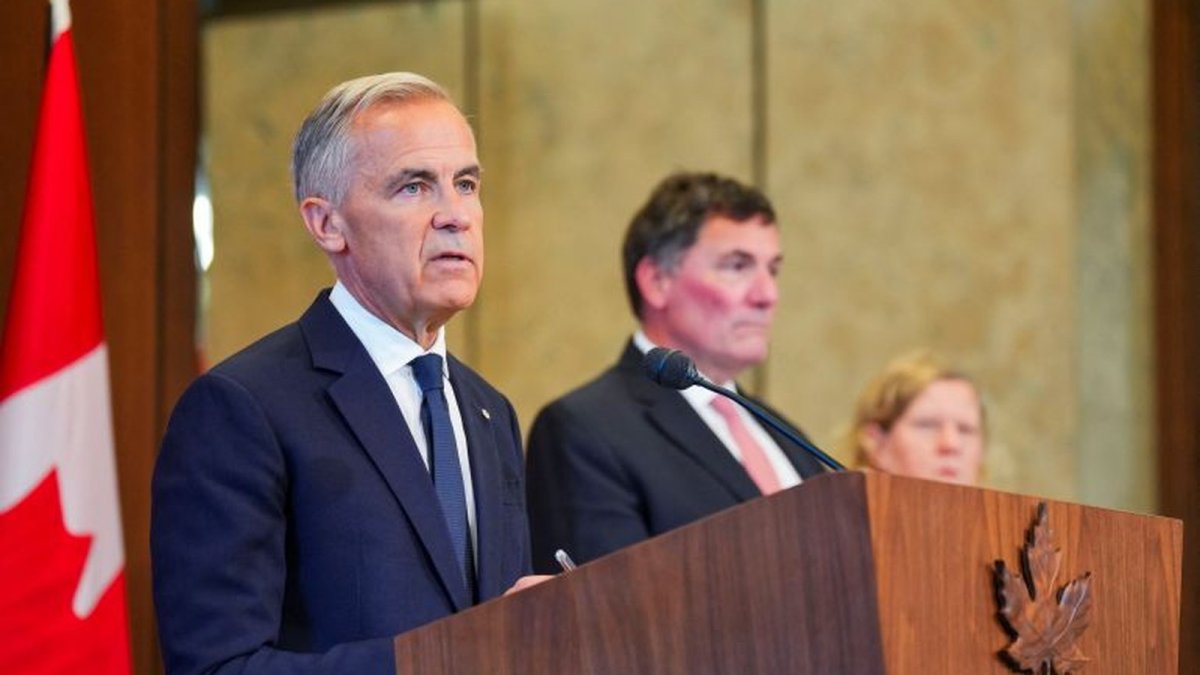
Ontario Premier Doug Ford Backs Carney's Retaliatory Stance
Ontario Premier Doug Ford, who has often taken a more conciliatory approach to trade relations with the United States, has thrown his full support behind Carney's decision to retaliate. Ford slammed the proposed trade deal as unacceptable and endorsed the dollar-for-dollar tariff response. This alignment between the federal government and Canada's most populous province is crucial, as Ontario is home to the bulk of the country's manufacturing sector. The Premier's backing suggests a united political front, even as the economic costs of the dispute begin to mount for Canadian consumers and businesses.
Ford's position also reflects the political calculus at play. With the federal government facing an election within months, the trade file has become a defining issue. The Conservative opposition, while generally supportive of a tough stance against the U.S., will be watching closely to see if the Liberal government's strategy yields results or simply escalates the conflict. The Premier's endorsement of retaliation signals that provincial leaders understand the stakes and are prepared to weather short-term economic pain for long-term industrial survival.
Canada's Retaliatory Tariffs: A Targeted Response
Canada's response, announced by Carney on Saturday, is designed to maximize political and economic pressure on the United States while minimising collateral damage at home. Starting September 8, Canada will impose dollar-for-dollar retaliatory tariffs on U.S. goods, targeting steel, dairy, appliances, agricultural equipment, pulp and paper, and electronics. The selection of these sectors is deliberate: steel and dairy are politically sensitive in the United States, particularly in key electoral states, while appliances and agricultural equipment hit manufacturing and farming communities that form part of the Republican base.
The September 8 start date is also strategic, giving Canadian businesses and consumers time to prepare while allowing for a potential de-escalation window. However, the federal government has made clear that the tariffs will proceed unless the United States demonstrates a genuine willingness to negotiate a fair deal. The dollar-for-dollar framing is important: Canada is matching the scale of the U.S. tariffs, signalling that it will not be intimidated by economic coercion. This approach has drawn praise from labour leaders and opposition politicians alike, though some economists have warned that retaliatory tariffs risk triggering a broader trade war that could harm both economies.
What Happens Next: Negotiation, Escalation, or Both?
The path forward remains deeply uncertain. The collapse of talks on Friday was not the end of the process but rather a recalibration. Both sides have left the door open for future negotiations, though the conditions for resuming talks are unclear. The Canadian government has insisted that any new round of negotiations must begin from a position of mutual respect, with the U.S. tariffs on Canadian trucks removed as a precondition. The United States, for its part, has shown little appetite for compromise, with President Trump continuing to frame tariffs as a tool to force manufacturing back to American soil.
For Canadian workers, the immediate future is fraught with anxiety. The September 8 implementation date for retaliatory tariffs creates a two-week window of uncertainty, during which businesses must decide whether to stockpile goods, seek alternative suppliers, or prepare for reduced production. Unifor and other unions have called for emergency support measures for affected workers, including enhanced employment insurance and retraining programs. The federal government has signalled that support is forthcoming, though details remain scarce.
A Defining Moment for Canadian Sovereignty
This trade dispute is about far more than tariffs on trucks or wine. It is a test of whether Canada can maintain its economic independence in the face of an aggressive and unpredictable neighbour. Prime Minister Carney's declaration that Canada is "at war" was deliberately provocative, but it reflects a genuine shift in how Ottawa views the relationship. The era of complacent reliance on the United States as a benign trading partner is over. Canada must now chart a course that diversifies its trade relationships, strengthens its domestic manufacturing capacity, and prepares for a future where the border is not always open.
The coming weeks will be critical. If the September 8 tariffs take effect as planned, the economic pain will be felt on both sides of the border, potentially forcing a return to the negotiating table. If the United States blinks first, Canada will have demonstrated that it cannot be bullied. Either way, the relationship between the two countries has been permanently altered. For Lana Payne and the 315,000 workers she represents, the fight is not just about jobs or wages; it is about the very future of Canadian manufacturing and the communities that depend on it. As Payne made clear, Canada cannot trade good jobs for a bad deal — and this weekend, the country's leaders agreed.
By Alex Thompson, Staff Writer
This article was produced with AI-assisted research and editorial support. Reporting is based on sources cited in the article.
What's Your Reaction?
 Like
0
Like
0
 Dislike
0
Dislike
0
 Love
0
Love
0
 Funny
0
Funny
0
 Wow
0
Wow
0
 Sad
0
Sad
0
 Angry
0
Angry
0

Canada Correspondent at Global1.News. Based in Toronto, covering Canadian politics, energy, trade, and US-Canada relations. Provides the Canadian perspective on North American and global affairs.















Comments (0)