
Trump Reveals Ongoing Iran Negotiations Amid Fresh Strikes at Camp David
The July 31, 2026, live televised Cabinet meeting at Camp David marked a pivotal moment in the five-month-old Iran conflict, as President Donald Trump revealed active high-level negotiations even while accusing Tehran of repeated violations and confirming fresh Iranian missile strikes on US positions. This dual-track approach of diplomacy and military pressure directly affects Sunni-Shia rivalries, Gulf energy security, and the broader realignment of Arab-Israeli relations.
The July 31, 2026, live televised Cabinet meeting at Camp David marked a pivotal moment in the five-month-old Iran conflict, as President Donald Trump revealed active high-level negotiations even while accusing Tehran of repeated violations and confirming fresh Iranian missile strikes on US positions. This dual-track approach of diplomacy and military pressure directly affects Sunni-Shia rivalries, Gulf energy security, and the broader realignment of Arab-Israeli relations.
Trump Reveals Ongoing Iran Negotiations Amid Fresh Strikes
Camp David, United States – July 31, 2026 — President Donald Trump used the first-ever live televised Cabinet meeting at Camp David to announce that his administration maintains direct talks with Iran through a team that includes Special Envoy Steve Witkoff, Senior Adviser Jared Kushner, Vice President JD Vance, and Secretary of State Marco Rubio.
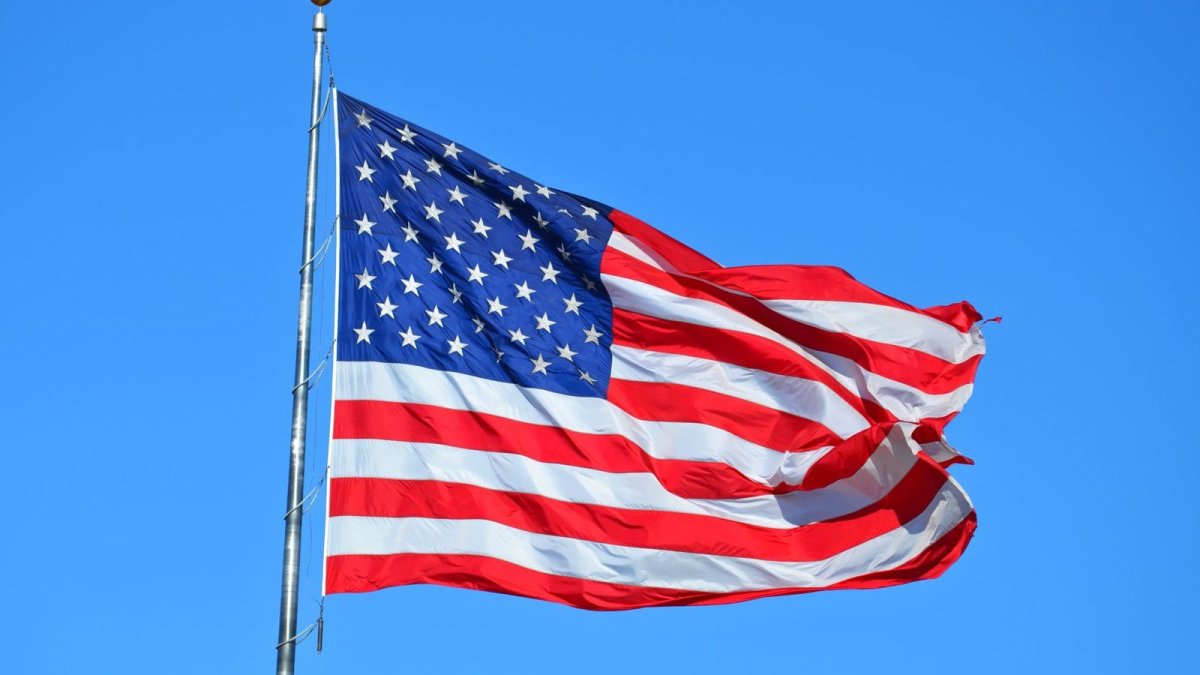
The Camp David Cabinet Meeting
Trump hosted the historic session with attendees including Marco Rubio, Pete Hegseth, Susie Wiles, Doug Burgum, and Chris Wright. The setting allowed the President to address both domestic audiences and regional actors watching how Washington balances force and dialogue five months into the conflict that began with Operations Roaring Lion and Epic Fury on February 28, 2026.
The choice of Camp David evoked earlier presidential summits on Middle East security, including the 1978 Egypt-Israel framework and the 2000 Camp David talks on Palestinian issues. This continuity underscores how U.S. administrations have long used the venue to project resolve amid complex regional rivalries involving Sunni-Shia competition and energy routes.
Analysts at the Carnegie Middle East Center note that the televised format serves multiple audiences: reassuring Gulf partners such as Saudi Arabia and the UAE while signaling to Tehran that Washington retains leverage through both military assets and diplomatic channels. The presence of Defense Secretary Pete Hegseth alongside energy officials like Chris Wright highlights the integration of security and economic considerations in U.S. strategy.
International Crisis Group reports emphasize that such high-visibility meetings often precede shifts in sanctions enforcement or proxy engagements, particularly as UN Security Council resolutions on Iran’s nuclear program remain unresolved since the 2015 JCPOA era.
Trump's Diminishing Faith in Iranian Commitments
Trump stated he is “losing faith” in Iran, charging that Tehran “do lie, and they do misrepresent” and “always want to talk, but they break their word so often.” These remarks framed the negotiations as necessary yet fraught, reflecting Washington’s calculation that sustained pressure may eventually force concessions on nuclear limits and regional proxy activities.
Historical precedents shape this skepticism. The 2015 JCPOA under Obama aimed to curb Iran’s nuclear enrichment in exchange for sanctions relief, yet Trump’s 2018 withdrawal and the 2020 Soleimani strike escalated tensions. By 2023-2025, IAEA verification reports documented increased uranium stockpiles, prompting renewed UN Security Council scrutiny.
Think tanks such as the Institute for National Security Studies (INSS) argue that Iran’s pattern of partial compliance reflects its strategic calculus: preserving nuclear breakout capacity while sustaining proxy networks in Iraq, Syria, and Yemen. U.S. officials view renewed talks as a means to test whether economic isolation can alter this approach.
Second-order effects include heightened Sunni-Shia tensions, as Gulf states interpret Iranian intransigence as justification for deeper security cooperation with Israel under the Abraham Accords framework.
The Core Negotiating Team
Trump explicitly named Witkoff, Kushner, Vance, and Rubio as the key figures “talking” to Iranian counterparts. Earlier rounds included Witkoff and Kushner’s July 1 discussions in Doha that produced an initial framework for releasing $3 billion in frozen assets, and JD Vance’s subsequent trip to Switzerland to advance technical talks. Pakistani Prime Minister Shehbaz Sharif had previously offered mediation during April meetings in Islamabad.
These envoys bring distinct leverage. Kushner’s prior role in Arab-Israeli normalization gives him insight into Gulf sovereign wealth fund dynamics, while Rubio’s Senate experience on sanctions legislation targets Iran’s oil exports, which have fluctuated between 1.2 and 1.8 million barrels per day amid OPEC+ quota disputes.
Chatham House assessments highlight Qatar’s role as a backchannel host, given its ties to both Tehran and Washington. Oman’s traditional mediation posture, alongside Egypt and Jordan’s concerns over Red Sea shipping disruptions, adds further diplomatic layers.
Strategic analysts note that releasing frozen assets could provide Tehran short-term relief but risks domestic criticism in Gulf capitals if it fails to curb missile development or proxy attacks.
Overnight Missile Attack on US Base in Jordan
Trump disclosed that Iran launched five ballistic missiles at a US base in Jordan on July 30; all were intercepted. Secretary of War Pete Hegseth informed the President directly. The attack ended a brief lull and underscored Tehran’s willingness to initiate strikes, a shift analysts such as Hamid Reza Azizi and Danny Citrinowicz have noted since late July.
Jordan’s position as a frontline state stems from its proximity to Iraqi militia launch sites and its participation in U.S.-led coalitions since the 2003 Iraq War. The interception relied on layered air defenses, including Patriot systems funded partly through U.S. military assistance exceeding $1.5 billion annually.
International Crisis Group experts link the July 30 salvo to Iran’s broader effort to deter further Israeli strikes on its nuclear facilities, echoing patterns seen after the 2020 Soleimani assassination. Turkey has watched these exchanges warily, balancing NATO commitments with energy imports from both sides.
Regional ripple effects include pressure on Egypt to secure the Suez Canal against potential Houthi retaliation and on Saudi Arabia to accelerate its Vision 2030 diversification away from vulnerable oil infrastructure.
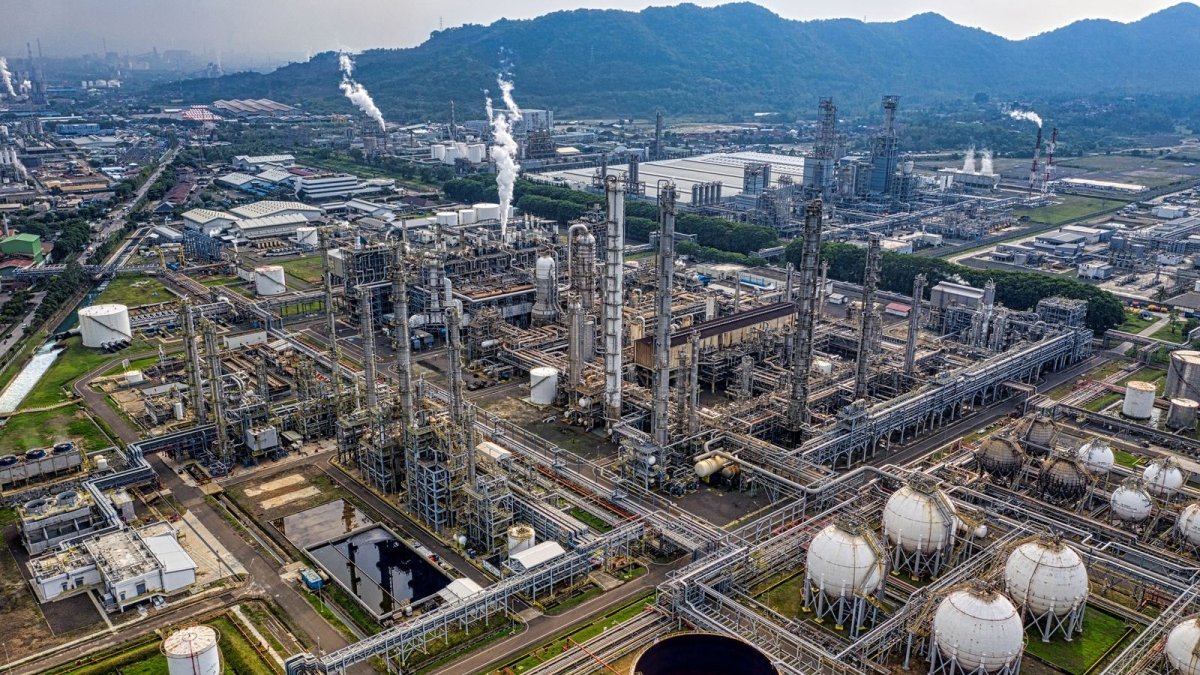
Military Pressure and Strategic Objectives
Trump warned that US forces “will be hitting them very hard” and that Iran’s military capacity has already been “obliterated,” though some remnants remain. He compared the current campaign to Vietnam and Afghanistan, signaling an intent to avoid prolonged entanglement while maintaining leverage. The US and Saudi militaries have jointly targeted Iran-backed groups in Iraq following more than 30 drone attacks on US forces and Saudi energy sites in 72 hours.
U.S. Central Command assets in the region include carrier strike groups and B-52 deployments capable of striking Iranian targets within hours.
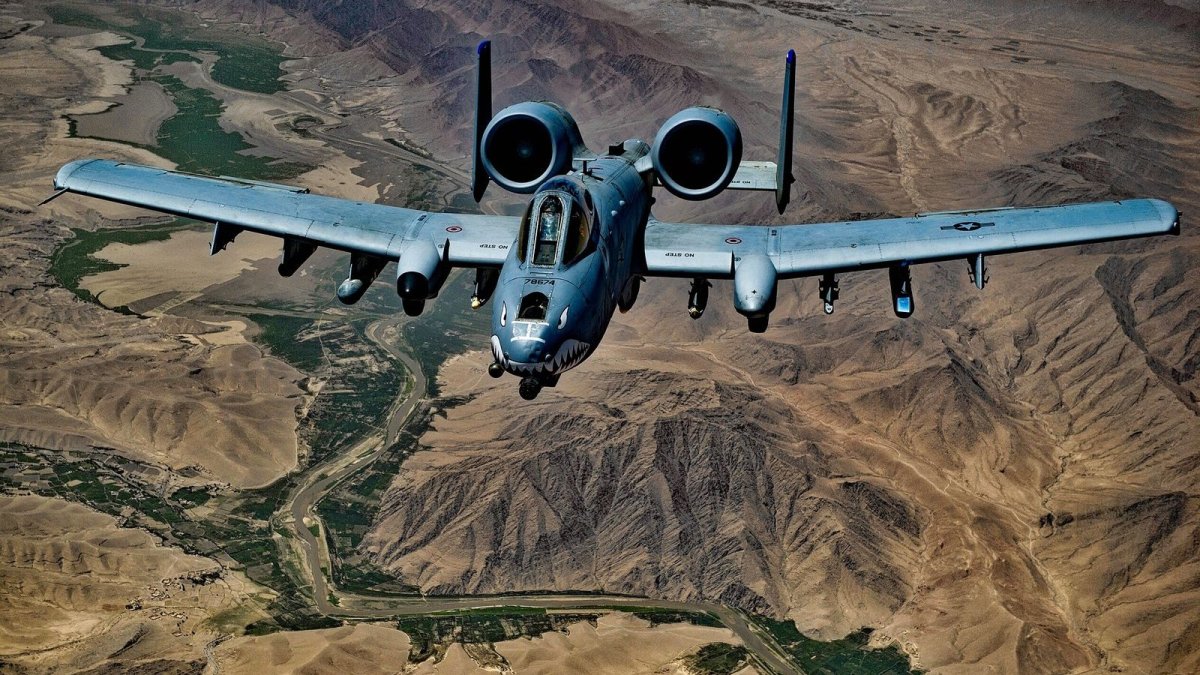
Saudi Arabia’s contribution involves shared intelligence from its $100 billion-plus defense modernization program.
Carnegie Middle East Center analysis suggests Washington seeks to degrade Iran’s proxy capabilities without triggering full-scale war, preserving leverage for nuclear talks. Israel’s parallel operations against Hezbollah and Hamas add coordination challenges within the anti-Iran coalition.
Great-power competition with China and Russia complicates the picture, as both have expanded arms sales and diplomatic engagement with Tehran since 2022.
Financial Leverage: Seized Assets and Sanctions Relief
Beyond the battlefield, Washington is deploying financial instruments as a central lever in the negotiations. Treasury Secretary Scott Bessent said on July 31 that Iranian assets seized by the United States would ultimately be returned to the Iranian people, framing asset policy as humanitarian outreach rather than simple punishment. The remarks came as the administration weighed how to structure any eventual sanctions relief against verifiable Iranian concessions on its nuclear program and missile development.
The July 1 talks in Doha produced an initial agreement to release $3 billion in frozen Iranian assets, a confidence-building measure brokered through Qatari mediation. For Tehran, such releases offer rare hard-currency relief amid sanctions that have capped oil exports and complicated access to global banking. For Washington, they create a reversible incentive — assets can be re-frozen if negotiations collapse, giving American negotiators leverage that pure military pressure cannot replicate.
Gulf capitals are watching this financial track closely. Saudi Arabia and the UAE have built sovereign wealth funds exceeding $3 trillion in combined assets, and both have signaled they would support a deal that verifiably curbs Iran's nuclear ambitions. Yet they remain wary that premature sanctions relief could finance Iranian proxy activity in Yemen, Iraq, and Syria — the same networks that have launched more than 30 drone attacks against US forces and Saudi energy sites in a 72-hour window.
Oil Market Volatility and Gulf Energy Security
Domestic politics compounds the strategic stakes. Republicans face mounting pressure over gasoline prices as the November midterm elections approach, with the White House acutely aware that prolonged Hormuz disruption translates directly into pump prices for American voters. The July 29 spike — Brent touching $91 a barrel — landed at a politically sensitive moment, sharpening the administration's incentive to keep the diplomatic track alive even as it escalates military pressure. Energy analysts note that a sustained breakout above $100 would test both voter patience and the Federal Reserve's inflation fight, adding an economic dimension to what Tehran calculates as a war of attrition.
Brent crude rose nearly 8 percent to $91 a barrel on July 29, while West Texas Intermediate climbed 7 percent to $85. Earlier spikes followed Iranian attacks on tankers near the Strait of Hormuz. Saudi Arabia now faces simultaneous threats from Houthis in Yemen, Iraqi militias, and direct Iranian reach, complicating Riyadh’s diversification plans and its role in Arab-Israeli normalization efforts.
The Strait of Hormuz handles roughly 20 percent of global oil trade. Any sustained disruption could push Brent above $110, affecting import-dependent economies in Europe and Asia. UAE and Qatar sovereign wealth funds, valued at over $1.5 trillion combined, have accelerated investments in non-oil sectors to hedge against such volatility.
OPEC+ dynamics add pressure, with Saudi Arabia and Russia managing output cuts while Iran seeks sanctions relief to increase exports. Energy analysts at INSS warn that prolonged conflict could delay Gulf states’ net-zero targets and strain U.S. shale production incentives.
Second-order effects include potential shifts in global shipping routes toward longer African passages, raising insurance costs and benefiting alternative suppliers in West Africa and the Americas.
Regional Implications
The combination of US-Israeli military dominance and continued indirect diplomacy tests Iran’s ability to retain influence over the Strait of Hormuz and its proxy networks. Sunni Gulf states watch closely for signs that Tehran might accept limits on its nuclear program in exchange for sanctions relief, while Israel weighs whether further normalization with Arab states can proceed amid ongoing instability. Turkey’s regional posture and great-power competition between Washington and Beijing add additional layers to the strategic environment.
Saudi Arabia and the UAE prioritize energy security and countering Iranian proxies, while Qatar and Oman favor de-escalation to protect their mediation roles. Egypt and Jordan focus on containing spillover into Sinai and the West Bank.
Turkey’s balancing act involves NATO ties and energy deals with Russia and Iran. Beijing’s Belt and Road investments in Gulf ports give it stakes in stable shipping lanes.
Overall, the Camp David approach reflects Washington’s attempt to manage multiple fronts: nuclear containment, proxy degradation, and alliance reassurance, with outcomes likely shaping Middle East alignments for years.
By Malik Hassan, Staff Writer
This article was produced with AI-assisted research and editorial support. Reporting is based on sources cited in the article.
What's Your Reaction?
 Like
0
Like
0
 Dislike
0
Dislike
0
 Love
0
Love
0
 Funny
0
Funny
0
 Wow
0
Wow
0
 Sad
0
Sad
0
 Angry
0
Angry
0
Middle East Correspondent at Global1.News. Based in Beirut, covering politics, conflict, energy, and society across the Middle East. Brings context and depth to a region often reduced to headlines.










Comments (0)