
Escalating US-Israeli Campaign Against Iran Threatens Wider Regional Spillover
The United States and Israel are preparing possible strikes on Iranian energy infrastructure as early as this weekend, while Turkey and Saudi Arabia hold talks to contain a war that has expanded into Iraq, Egypt and Yemen.
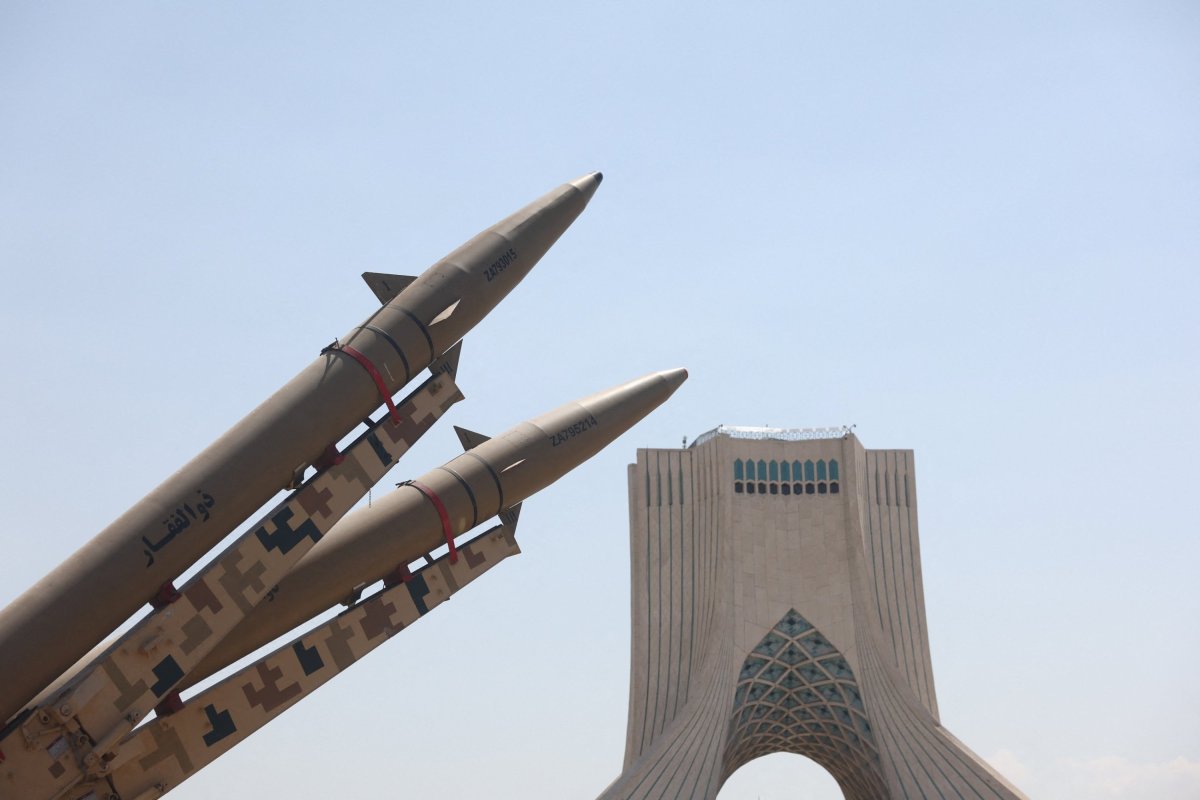
The United States and Israel are preparing possible strikes on Iranian energy infrastructure as early as this weekend, while Turkey and Saudi Arabia conduct high-level talks to manage the expanding conflict that began in February. The planning comes amid renewed fighting over the Strait of Hormuz and a Houthi naval blockade targeting Saudi shipping routes through the Bab el-Mandeb Strait. These developments risk drawing additional countries into the confrontation and disrupting key energy transit points.
US-Israel Iran Strikes Escalate as Turkey, Saudi Arabia Confer
Beirut, Lebanon – August 1, 2026 — The United States and Israel are discussing a bombing campaign against Iranian energy infrastructure that could begin this weekend, according to CBS News reporting. President Donald Trump has not yet issued final approval. The proposed strikes would target energy facilities and aim to conclude before markets open on Monday, marking one of the most intense phases yet in the campaign that started in February.
Geopolitical Context
The war began in February when the United States and Israel launched strikes inside Iran. President Trump initially described the operation as short-term. A cease-fire reached in June collapsed after renewed clashes over the Strait of Hormuz, which Iran states it now controls. These events have shifted the conflict from limited strikes to broader pressure on energy and shipping corridors.
Scholars at Chatham House have noted that Iran’s assertion of control over the Strait of Hormuz revives patterns seen during the Tanker War of the 1980s, when both sides targeted neutral shipping and drove up insurance rates across the Gulf. Such historical precedents suggest that renewed tensions could produce second-order effects on global energy prices even if direct military action remains contained.
Analysts at the Carnegie Middle East Center emphasize that the collapse of the June cease-fire illustrates how quickly limited operations can evolve into sustained pressure on critical chokepoints, echoing earlier crises that prompted coordinated responses from Gulf states and international naval coalitions.
Expansion into Iraq and Egypt
Recent strikes in Iraq killed 20 members of the Popular Mobilization Forces and injured 32 others. The Islamic Resistance in Iraq subsequently gave the Iraqi government until mid-August to act against the strikes or face attacks on U.S. and Saudi forces. In Egypt, a drone strike on gas vessels at the Mediterranean port of Damietta has raised concerns about threats to Suez Canal shipping and possible further involvement of additional states.
The International Crisis Group has warned that deadlines issued by Iraqi militias risk pulling Baghdad deeper into the confrontation, much as proxy dynamics during the Iran-Iraq War of the 1980s drew in neighboring states through cross-border attacks and political ultimatums.
Houthi Blockade and Yemen Front
The Iran-aligned Houthis in Yemen declared a naval blockade last week on Saudi Arabia, targeting the Red Sea route for Saudi oil shipments to Asia. The group cited retaliation for an airstrike on Sanaa airport attributed to Saudi Arabia. This action threatens the alternative route through the Bab el-Mandeb Strait and adds pressure on Saudi energy exports already affected by earlier attacks on domestic facilities.
Regional observers point out that the Houthi move against Bab el-Mandeb mirrors tactics employed in previous Strait of Hormuz crises, where control of narrow maritime passages created leverage over export flows and forced Gulf producers to recalibrate shipping routes at considerable cost.
Energy Market Implications
Targeting Iranian energy infrastructure carries direct consequences for global supply. The proposed weekend strikes would coincide with ongoing U.S. operations over navigation disputes in the Strait of Hormuz. Any disruption at these chokepoints could affect oil flows from the Gulf, while the Houthi blockade simultaneously threatens Red Sea transit, creating dual pressure points on energy routes.
Think-tank assessments from the Carnegie Middle East Center highlight that simultaneous pressure on Hormuz and Bab el-Mandeb could trigger OPEC+ production adjustments similar to those following the 1979 oil shock, as member states seek to stabilize prices amid heightened volatility in insurance and freight markets.
The Diplomatic Track
Turkish Foreign Minister Hakan Fidan spoke by phone with Saudi Foreign Minister Prince Faisal bin Farhan on Friday. The two officials discussed the latest regional developments and efforts to end ongoing conflicts. Saudi Arabia has participated in recent strikes on sites linked to Iran-aligned groups following drone attacks on its oil facilities and military bases.
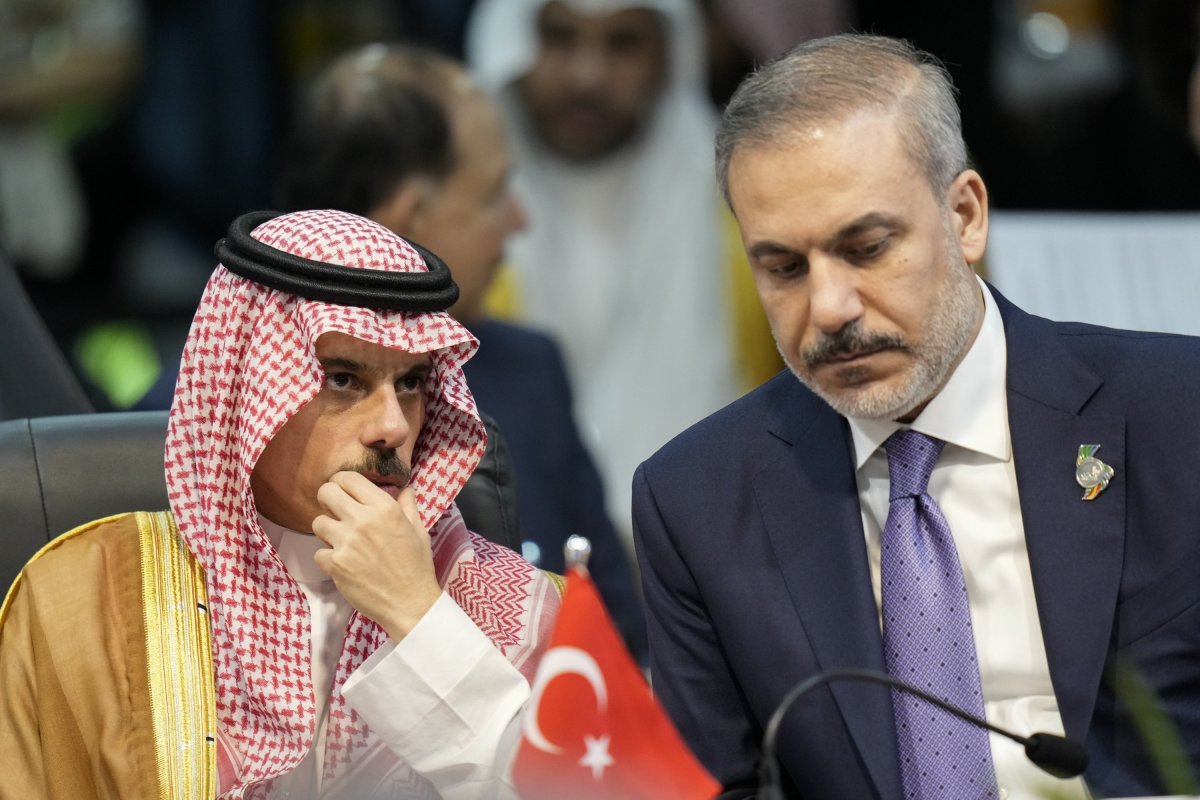
Diplomatic efforts between Ankara and Riyadh reflect a broader pattern of Gulf-Turkish coordination seen in past crises, where both capitals sought to prevent escalation while protecting their respective energy and security interests across the Red Sea and eastern Mediterranean.
Strategic Calculus
Each party is weighing immediate military objectives against the risk of broader entanglement. The United States and Israel seek to degrade Iranian energy capabilities and maintain pressure on Hormuz navigation. Saudi Arabia has responded to direct attacks on its territory while facing Houthi threats to its export routes. Turkey is engaging diplomatically to limit further expansion. Iran maintains control claims over the Strait of Hormuz and supports aligned groups across multiple fronts.
Experts at Chatham House observe that these calculations recall Operation Praying Mantis in 1988, when U.S. naval responses to Iranian mining created ripple effects that reshaped Gulf alliance dynamics for years afterward.
Regional Implications
The conflict has already expanded beyond initial fronts, involving Iraq, Egypt, and Yemen. Iraq’s Popular Mobilization Forces have suffered casualties and issued deadlines for government action. Egypt faces potential shipping risks at Damietta and the Suez Canal. Yemen’s Houthi blockade adds a maritime dimension that could affect Saudi oil deliveries to Asia. These overlapping pressures increase the chance of sustained instability across multiple borders.
Analysts note that the involvement of multiple fronts raises the prospect of prolonged strain on regional economies, particularly if shipping insurance costs continue to climb in line with patterns established during earlier Hormuz-related disruptions.
Outlook for Containment
Diplomatic contacts between Turkey and Saudi Arabia represent one channel for managing escalation. President Trump stated on Friday that Washington will continue striking Iran “very hard” and intends to “win” the war paused earlier in the year. Whether these efforts can prevent additional countries from being drawn in remains uncertain as deadlines in Iraq approach and maritime blockades remain in place.
Longer-term assessments from the International Crisis Group suggest that sustained containment will require addressing second-order effects on energy markets and alliance cohesion, lest the current confrontation replicate the extended instability that followed the 1973 oil shock.
Historical Parallels and Alliance Dynamics
Comparisons with the Iran-Iraq War era underscore how quickly localized naval confrontations can reshape Gulf security architectures, prompting states such as Saudi Arabia and the United Arab Emirates to diversify their diplomatic outreach toward Ankara and other capitals.
These dynamics also illustrate the enduring influence of energy transit vulnerabilities on OPEC+ decision-making, where even temporary disruptions at Hormuz or Bab el-Mandeb have historically prompted coordinated production responses aimed at cushioning global price shocks.
By Malik Hassan, Staff WriterThis article was produced with AI-assisted research and editorial support. Reporting is based on sources cited in the article.
What's Your Reaction?
 Like
0
Like
0
 Dislike
0
Dislike
0
 Love
0
Love
0
 Funny
0
Funny
0
 Wow
0
Wow
0
 Sad
0
Sad
0
 Angry
0
Angry
0

Middle East Correspondent at Global1.News. Based in Beirut, covering politics, conflict, energy, and society across the Middle East. Brings context and depth to a region often reduced to headlines.










Comments (0)