
Trinidad and Tobago Maintains Tier 2 Ranking as US Trafficking Report Flags Official Complicity
Trinidad and Tobago has retained its Tier 2 ranking in the United States State Department's 2025 Trafficking in Persons (TIP) Report, a designation that acknowledges significant government efforts while underscoring persistent gaps in the fight against modern slavery.
Trinidad and Tobago has retained its Tier 2 ranking in the United States State Department's 2025 Trafficking in Persons (TIP) Report, a designation that acknowledges significant government efforts while underscoring persistent gaps in the fight against modern slavery.
Trinidad and Tobago Maintains Tier 2 Ranking as US Trafficking Report Flags Official Complicity
Port of Spain, Trinidad and Tobago — The report, published on September 29, 2025, and covered regionally by One Caribbean Television on October 3, highlights ongoing concerns about official complicity, stalled investigations, and the barriers that continue to hinder effective prosecution of traffickers.
The Tier 2 placement means the government does not fully meet the minimum standards for the elimination of trafficking but is making significant efforts to do so. This marks the second consecutive year at this level, following an upgrade from the Tier 2 Watchlist in 2024, when the State Department recognised what it described as "overall increasing efforts" by local authorities. Yet the latest findings suggest that while progress has been made, serious structural challenges remain deeply entrenched.
A Cloud of Official Complicity
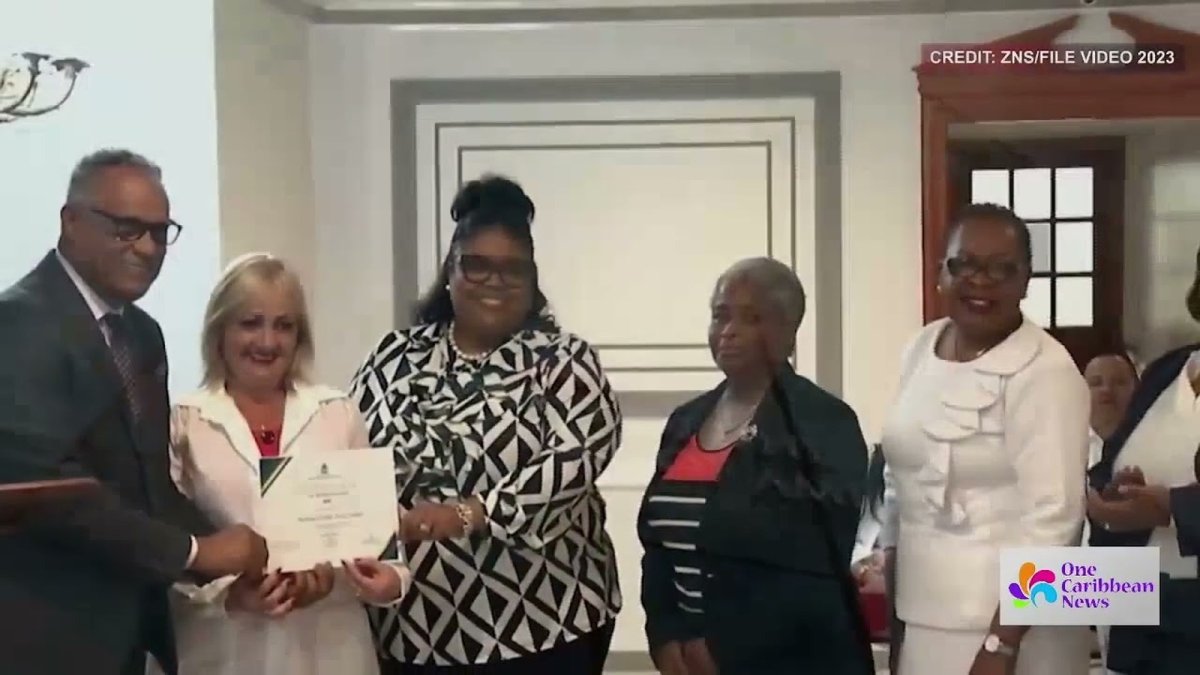
A central theme running through the 2025 report is the lack of updates on several investigations into alleged complicity by senior government officials accused of human trafficking. The State Department identified this as a major reason why Trinidad and Tobago does not fully meet minimum standards. The report points to probes initiated in prior years, including investigations into senior government officials accused in 2020 and 2023, as well as an inquiry into two dozen police officers that began in 2021, none of which have seen reported progress.
The Counter Trafficking Unit (CTU) has audited two specific investigations. One, involving alleged official complicity at a detention centre, concluded that the evidence was insufficient to proceed. The other, concerning the alleged complicity of members of Parliament, remains ongoing. These cases illustrate the delicate and often frustrating nature of pursuing justice when the accused hold positions of power.
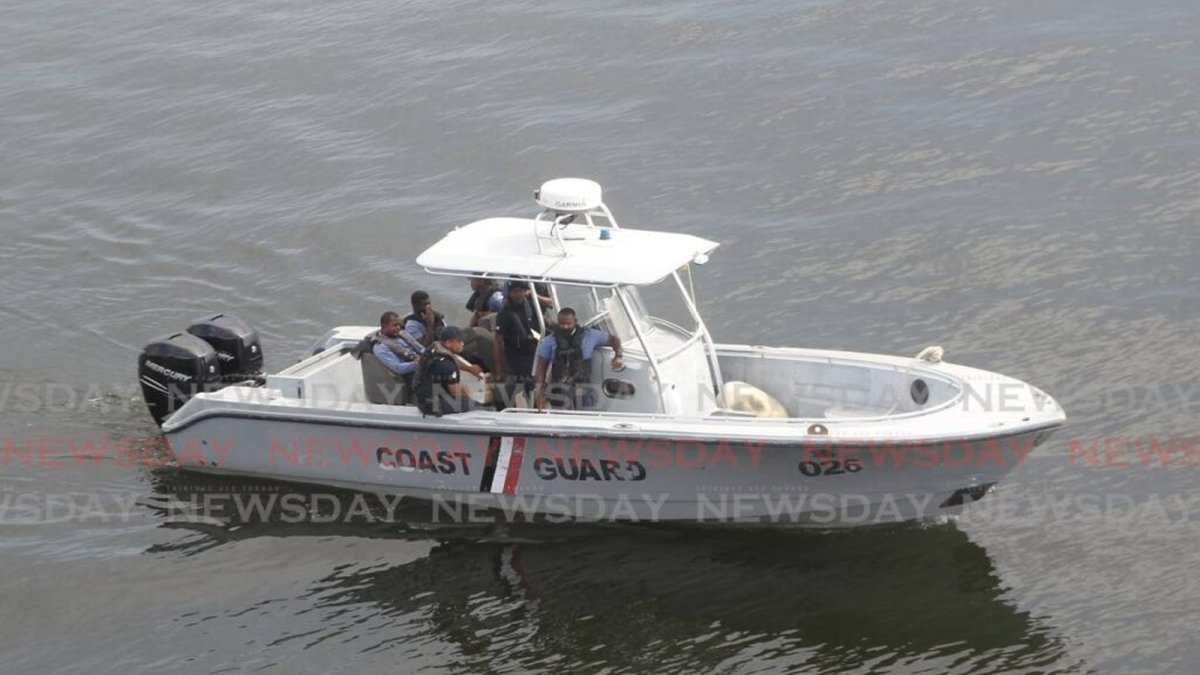
Perhaps most troubling is the case involving Coast Guard officials accused of sexually exploiting and assaulting an adult female Venezuelan trafficking victim in April 2023. Authorities did not report any renewed investigation into these allegations, and the criminal case was dropped in January 2024 for lack of evidence. For advocates and survivors, this represents a painful example of justice denied.
Corruption and Intimidation as Persistent Barriers
The report is blunt about the obstacles facing investigators and prosecutors. Corruption, weak evidence collection, and witness intimidation remain major barriers to investigating and prosecuting traffickers effectively. These are not abstract concerns; they translate directly into real-world outcomes where perpetrators walk free and victims are left without recourse.
Allan Meiguel, Director of the Counter Trafficking Unit, has been candid about the scale of the challenge. Since the CTU's inception in 2013, 80 people have been charged, and the unit has secured two convictions. Up to 2024, more than 300 victims have been recorded. These numbers, while reflecting dedicated effort, also reveal the vast gap between the scale of the problem and the capacity to address it fully.
The issue of witness intimidation is particularly corrosive. When victims and witnesses fear for their safety, they are far less likely to cooperate with authorities, creating a cycle of impunity that is difficult to break. The report's emphasis on this point suggests that without meaningful witness protection measures, progress will remain limited.
A Landmark Conviction Offers Hope
Amid the sobering findings, there is a notable success story. Former police officer Valentine Eastman, who served in the Trinidad and Tobago Police Service, was sentenced on July 28, 2025, to 16 years, five months and 15 days in prison for trafficking three Colombian women more than a decade ago. Eastman was convicted on January 31, 2025, following a 2013 investigation by the CTU.
Justice George Busby, who presided over the case, cited the planning, deception, intimidation, and psychological harm involved in the crime. He described the offence as "driven by profit and represents a calculated abuse of power and trust." Between March 3 and 25, 2013, Eastman recruited the women under false pretences, claiming they would find employment in Trinidad and Tobago. Instead, they were subjected to exploitation.
This conviction is significant for several reasons. It marks only the second conviction under the Trafficking in Persons Act since the law was enacted in 2011, and it is the first involving a police officer. The case demonstrates that, despite the many obstacles, the justice system can and does deliver accountability when the evidence is properly gathered and presented.
The Regional Picture: A Mixed Landscape
Trinidad and Tobago's experience is part of a broader regional narrative. Jamaica maintained its Tier 2 ranking for a ninth consecutive year, reflecting similar struggles with meeting minimum standards while making ongoing efforts. Eight Caribbean countries were listed in Tier 2 overall, indicating a regional pattern of partial compliance and persistent challenges.
Guyana, however, stands out as one of three countries in the region to achieve Tier 1 status, the highest ranking in the report. This distinction highlights the varying levels of progress across CARICOM member states and offers a point of comparison for what more robust anti-trafficking frameworks might look like.
For Trinidad and Tobago, the regional context matters. Trafficking is not a problem that respects borders, and the movement of victims across the Caribbean is well documented. The fact that victims in Trinidad and Tobago are mostly from Venezuela, Haiti, and Jamaica underscores the transnational nature of this crime and the need for coordinated regional responses.
Victims at the Centre: The Human Cost
Behind the statistics and rankings are real people whose lives have been upended by exploitation. The more than 300 victims recorded by the CTU since 2013 represent individuals from vulnerable communities, many fleeing economic hardship, political instability, or violence in their home countries. The Venezuelan crisis, in particular, has driven thousands to Trinidad and Tobago's shores, creating new vulnerabilities that traffickers are quick to exploit.
The report's findings on official complicity are especially damaging because they erode public trust in the very institutions meant to protect the vulnerable. When those in positions of authority are accused of involvement in trafficking, it sends a chilling message to victims that seeking help may put them at greater risk.
For survivors, the road to recovery is long and fraught with challenges. Access to shelter, counselling, legal assistance, and long-term support remains uneven, and the fear of retaliation continues to silence many who might otherwise come forward. The CTU's work, while commendable, operates within resource constraints that limit its reach.
Practical Steps and Resources
For those who may be affected or who suspect trafficking activity, the Counter Trafficking Unit operates a 24-hour hotline available in both English and Spanish. The number, 800-4CTU, provides a direct line to report suspected cases and seek assistance. This service is a critical lifeline, particularly for non-English speakers who may otherwise struggle to access help.
Public awareness remains a key component of prevention. Many victims do not self-identify as trafficked, and many members of the public do not recognise the signs of exploitation. Labour trafficking, in particular, can be hidden in plain sight, with victims working in domestic settings, agriculture, or the informal economy where oversight is minimal.
The CTU's efforts to train law enforcement, immigration officers, and social workers are ongoing, but the report suggests that more needs to be done to strengthen evidence collection and protect witnesses. Without these foundational elements, even the most well-intentioned investigations can falter.
Looking Ahead: The Road to Full Compliance
Maintaining Tier 2 status is a qualified acknowledgement of progress, but it is not a destination. The US State Department's framework is designed to encourage continuous improvement, and the specific criticisms levelled at Trinidad and Tobago offer a clear roadmap for what needs to change. Addressing the lack of updates on official complicity investigations, strengthening witness protection, and improving evidence collection are all actionable items.
The Eastman conviction demonstrates that progress is possible, even in difficult cases. It also sends a signal that no one, regardless of their position, is above the law. Building on this momentum will require sustained political will, adequate resourcing for the CTU and allied agencies, and a genuine commitment to protecting the most vulnerable members of society.
As the region continues to grapple with the root causes of trafficking, from economic inequality to migration pressures, the need for a coordinated, compassionate, and effective response has never been greater. The 2025 TIP Report serves as both a warning and a call to action. For Trinidad and Tobago, the path forward is clear, even if the journey remains difficult.
By Sharon Sahatoo, Staff Writer
This article was produced with AI-assisted research and editorial support. Reporting is based on sources cited in the article.
What's Your Reaction?
 Like
0
Like
0
 Dislike
0
Dislike
0
 Love
0
Love
0
 Funny
0
Funny
0
 Wow
0
Wow
0
 Sad
0
Sad
0
 Angry
0
Angry
0

Caribbean Correspondent at Global1.News. Based in Port of Spain, Trinidad, covering Caribbean politics, economy, energy, climate, and culture. Amplifying the voices and stories of the Caribbean region.












Comments (0)