
Super-hot rock geothermal could end data center energy woes
Super‑hot rock geothermal is being sold as the next miracle cure for data‑center power hunger, but as a founder who’s been wiring up servers since the dial‑up days, I’m not buying the hype without a hard look at the numbers and the risk.
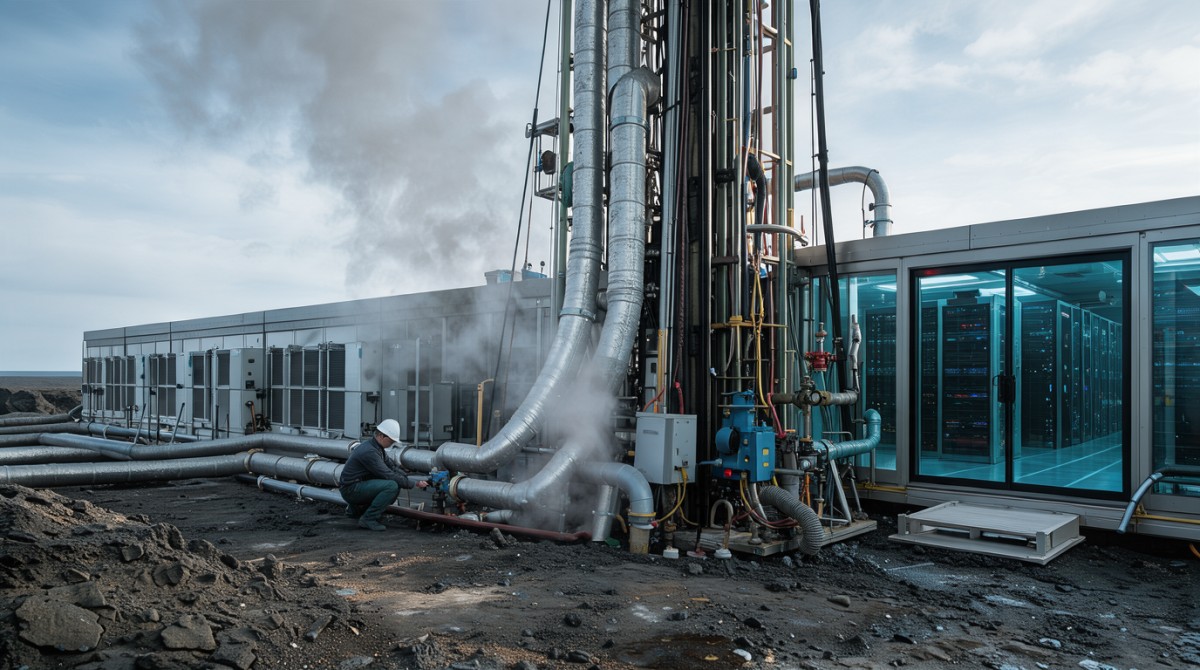
Super‑hot rock geothermal is being sold as the next miracle cure for data‑center power hunger, but as a founder who’s been wiring up servers since the dial‑up days, I’m not buying the hype without a hard look at the numbers and the risk. The buzz is real – investors are throwing cash at startups that claim they can tap heat three miles down and churn out megawatts of clean power. Yet the same hype that dazzles VCs also blinds many of us who run real hosting infrastructure and have to keep the lights on when the grid hiccups.
Why “super‑hot rock” matters to data‑center operators
The promise is simple: drill deeper, hit hotter rock, get more power per well. TechCrunch notes a single well could generate 15 megawatts or more, a figure that looks attractive when you compare it to a typical mid‑size data centre’s load. If you can squeeze that kind of juice out of one borehole instead of ten, you cut drilling costs – which the article says are roughly a quarter to a third of a geothermal plant’s total spend. Fewer wells mean fewer permits, less surface footprint, and a smaller chance of hitting a bad patch of rock that forces you to abandon a project.
From a business‑risk perspective, that reduction in upfront capital outlay is appealing. Data‑centre owners are already wrestling with volatile electricity prices and the ever‑present threat of carbon‑pricing regimes. A cheaper, on‑site power source could lock in a predictable cost base for years. But the devil is in the details – the technology to drill three miles deep under super‑hot conditions is still unproven at scale, and the cost premium for that capability is not trivial.
The players and their money‑talk
Quaise Energy has landed Google as a customer, with the hyperscaler agreeing to pay “more than $500 million” for 50 megawatts from a central Oregon project. That’s a hefty price tag, but Google’s strategy has always been to lock in early‑stage suppliers that could give it a competitive edge on energy costs and sustainability credentials. Quaise has also raised “more than $270 million” from investors including Prelude Ventures and Vinod Khosla. Mazama Energy, backed by Khosla Ventures and Bill Gates, has raised $171 million and is betting on a different drilling approach.
These figures tell you two things: first, the capital required to get to the “super‑hot” stage is massive; second, the investors are betting on a future where the cost per megawatt drops dramatically once the drilling tech matures. For independent hosting firms, that means any partnership with these startups will likely come with a premium price and a long‑term commitment – not a quick fix for a sudden power crunch.
Tech showdown: gyrotron‑drilled vs CO₂‑cooled bits
Quaise’s method reads like sci‑fi: at about 2.5 miles deep they swap a conventional drill bit for one powered by a gyrotron, a millimetre‑wave radiation source that “turns rock into ash.” The idea is to avoid the rapid wear that metal bits suffer at super‑hot temperatures. Mazama, on the other hand, sticks with traditional bits but cools them with a carbon‑dioxide “Carbon Chill” system. The CO₂ is pumped down, turns supercritical, expands through a rocket‑nozzle‑like valve, and cools dramatically, while also hauling cuttings to the surface for reuse.
Both approaches aim to cut drilling time and cost, but the risk profiles differ. Quaise’s gyrotron tech is untested at commercial scale; any failure could mean a multi‑million‑dollar loss per well. Mazama’s CO₂ system is an incremental improvement on existing rigs, which may be easier to integrate into current drilling contracts. For a hosting operator looking to hedge against supply disruption, the lower‑tech route might be less risky, even if the upside in well productivity is smaller.
Speed gains and cost implications
The article highlights Mazama’s early results: its second well was drilled “80% faster” than the first, and the CO₂ cooling cut drilling time an additional “20%.” Those are impressive percentage gains, but they translate into absolute time savings only if you know the baseline. Still, faster drilling means you spend less on rig day rates – a major component of the drilling cost share mentioned earlier. If you can shave weeks off a project, you also reduce exposure to price spikes in steel, labour, and fuel.
Quaise’s claim that drilling accounts for a quarter to a third of total plant cost suggests that any breakthrough that reduces the number of wells needed could dramatically improve project economics. A 15 MW well versus a 5 MW conventional well could cut the number of rigs on site by two‑thirds, slashing both capital and OPEX. But until you see a full‑scale plant delivering that power reliably, the numbers remain speculative.
Risk factors that independent operators can’t ignore
First, the geological gamble. Super‑hot rock exists in pockets; drilling three miles down is a high‑stakes lottery. Even with advanced bits, you might hit a fracture zone that forces you to abandon the well after spending millions. Second, the supply‑chain risk. Both startups rely on specialised equipment – gyrotrons or high‑pressure CO₂ systems – that are not widely manufactured. Any bottleneck in that supply chain could delay projects and inflate costs.
Third, the regulatory environment. While the U.S. has “up to 57 terawatts” of geothermal potential, turning that into a commercial plant requires permits at federal, state, and local levels. The article notes the Department of Energy is granting research funds, but actual commercial licences can take years. For a data‑centre operator, that timeline may not align with capacity‑expansion plans that need to be executed in a few quarters.
What this means for hosting founders today
If you’re running a hosting business, the takeaway is clear: super‑hot rock geothermal is a promising long‑term play, but it’s not a near‑term solution to your power bill. The premium Google is paying – “more than $500 million” for 50 MW – signals that early adopters are willing to lock in price and sustainability goals, but they also have the cash reserves to absorb the risk. Most independent operators simply don’t have that depth of capital.
Instead, treat these startups as potential future partners. Keep an eye on their pilot projects, and consider securing off‑take agreements that lock in a portion of future output at a price that reflects the current risk premium. That way, you can hedge against future grid volatility without over‑committing today.
Actionable steps for founders
1. **Map your power demand timeline** – Know exactly when you’ll need additional megawatts and for how long. This will help you gauge whether a multi‑year geothermal project fits your growth curve.
2. **Engage early with the startups** – Reach out to Quaise and Mazana to understand their pilot schedules and off‑take terms. Even a letter of intent can give you leverage in negotiations with traditional utilities.
3. **Diversify your energy mix** – Don’t put all your eggs in the super‑hot rock basket. Combine renewable PPAs, on‑site solar, and battery storage to smooth out any gaps while geothermal matures.
4. Model scenarios where the technology under‑delivers, so you know the worst‑case exposure.
5. **Monitor regulatory developments** – Keep tabs on DOE grants and state permitting pipelines. Early compliance work can shave months off a project’s timeline.
In short, the super‑hot rock story is exciting, but it’s still a work‑in‑progress. Treat it as a strategic bet, not a quick fix. Stay pragmatic, keep your servers humming, and don’t let the hype cloud the hard‑nosed economics that keep a data centre alive.
— Allan Ali, Founder
This article was produced with AI-assisted research and editorial support. Reporting is based on the source material cited below. Sources: TechCrunch; techcrunch.com; Global1.News (21 November 2026).
By Allan Ali, Global1.News
What's Your Reaction?
 Like
0
 Dislike
0
 Love
0
 Funny
0
 Wow
0
 Sad
0
 Angry
0

Publisher of Global1.News. Automation architect, systems builder, and the guy making sure the truth gets published.











Comments (0)