
Should the US Ease Sanctions on Iran?
The United States faces a pivotal decision on whether to ease sanctions on Iran amid fragile ceasefire talks following five months of direct conflict.
Should the US Ease Sanctions on Iran? Dubai, UAE – August 7, 2026 —
The Origins of Operation Epic Fury
The US-Iran war erupted on February 28, 2026, when American and Israeli forces launched surprise airstrikes under Operation Epic Fury, met by Iran's True Promise IV response. Now in its fifth month, the conflict has disrupted global shipping and strained US munitions stockpiles. Regional Sunni-Shia competition has intensified as Tehran seeks to project resilience against perceived Israeli and American pressure.
Coordinated surprise airstrikes struck multiple IRGC targets at the war's outset, rapidly shifting the confrontation from targeted exchanges into a broader campaign. By the fifth month, around day 160, the fighting had expanded far beyond initial expectations, drawing in attacks across the Gulf region including a drone strike on Kuwait's Ahmad al-Jaber Air Base, strikes on Egyptian LNG vessels, and missile barrages into Jordan.
These developments underscored how quickly localized objectives could spiral into Gulf-wide instability. The original aims centered on nuclear rollback and regime pressure, yet the sustained tempo of operations has left those goals in tension with the current reality of entrenched positions and widening involvement. Regional actors now assess whether the campaign's early momentum can still translate into meaningful constraints on Iranian capabilities or if the expanded theater has instead hardened resolve on all sides.
Breakdown of the June Memorandum
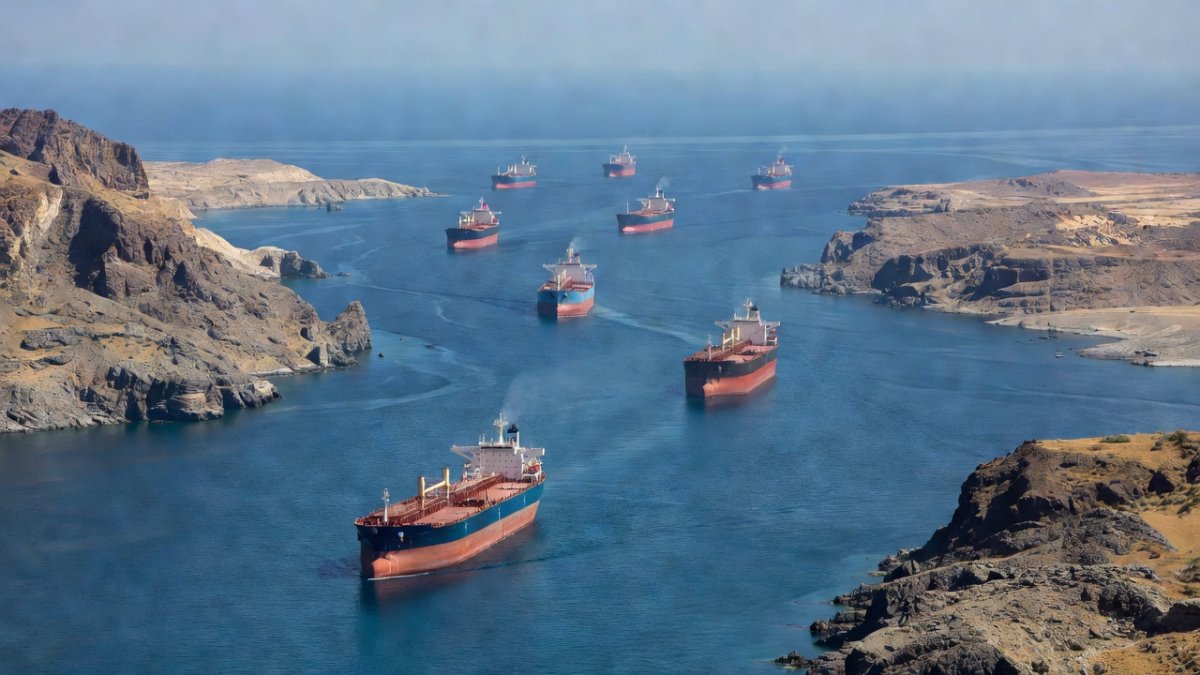
The June 17 memorandum outlined a 14-point draft that included HEU dilution, reopening of the Strait of Hormuz, a 60-day period of no-charge passage under Article 5, and sanctions waivers. Yet disputes quickly surfaced over vague wording on control of the strait and permissible routes, undermining implementation from the outset. When vessels began using the Omani coast without Iranian approval, Iran responded with attacks, exposing the fragility of the arrangement.
The brief economic window created by OFAC GL X, which authorized oil sales from June 21-22 through August 21, was abruptly closed by its revocation on July 7, with GL X1 requiring wind-down by July 17 and prohibiting new transactions. This sequence highlighted the shallow foundation of trust between Washington and Tehran. The collapse reinforced perceptions that neither side viewed the memorandum as a durable framework, instead treating it as a tactical pause amid deeper strategic competition.
Revival of Negotiations in August
President Trump canceled planned strikes on August 2 and signaled willingness to lift the naval blockade in exchange for resumed oil exports under a tentative ceasefire. US-Iran-Oman talks from August 4-6 produced Iranian agreement on new shipping coordinates through the strait. Treasury Secretary Scott Bessent stated on CNBC that a deal could emerge within 48 hours, while Trump warned that the strait would open soon or face further strikes. Iran has insisted it negotiates only with Oman, not directly with Washington.
Trump described progress as "moving along very nicely," adding that "we'll know in 48 hours" and that "the strait is going to be open very soon, or they're going to get hit very hard." Iran maintained its position of negotiating exclusively through Oman, while Qatari and Pakistani mediation advanced to what Majed al-Ansari described as "very progressive stages."
Inside Tehran, divisions between the foreign ministry and hardliners complicated any unified stance. Although Iran dropped its full-control demand over the strait according to Reuters reporting, further concessions appear unlikely. These dynamics suggest that any revived process will remain constrained by internal Iranian debates and external mediation limits, with progress hinging on whether Washington can sustain momentum without renewed military pressure.
Iran's Economic Strain Under Renewed Sanctions
The IMF's April 2026 World Economic Outlook projected a 6.1% contraction for Iran alongside 68.9% inflation, figures that Iran Intl characterized on July 11 as the region's harshest wartime contraction. CNBC reporting from April 23 highlighted hyperinflation and a depreciating rial, trends reinforced by February 2026 tanker tracking data showing declining exports under renewed sanctions pressure. Threats to sanction Chinese banks handling Iranian oil further narrowed remaining revenue channels.
The short-lived GL X 60-day window offered a fleeting lifeline before its revocation, underscoring how sanctions relief functions as the central currency in any prospective deal. Iran's core demand remains tied to easing these measures, as prolonged economic contraction risks amplifying domestic vulnerabilities without corresponding diplomatic gains.
American Costs of Prolonged Conflict
US war costs have reached $37.5 billion, prompting Hegseth to seek additional funds by July 22. Patriot stockpiles stand depleted by two-thirds, leading to a record $58.6 billion Lockheed Martin rebuild contract signed July 31. On August 6 at Camp David, Trump confronted Hegseth over munitions shortages, reflecting mounting logistical strain in an election year where political pressure to demonstrate results is intensifying.
Easing sanctions could be presented domestically as a de-escalation achievement that stabilizes oil prices and reopens Hormuz, yet it carries the risk of appearing to reward Iran. This tension shapes Washington's calculations, balancing immediate military sustainability against longer-term political costs of continued engagement.
Gulf States' Strategic Calculations
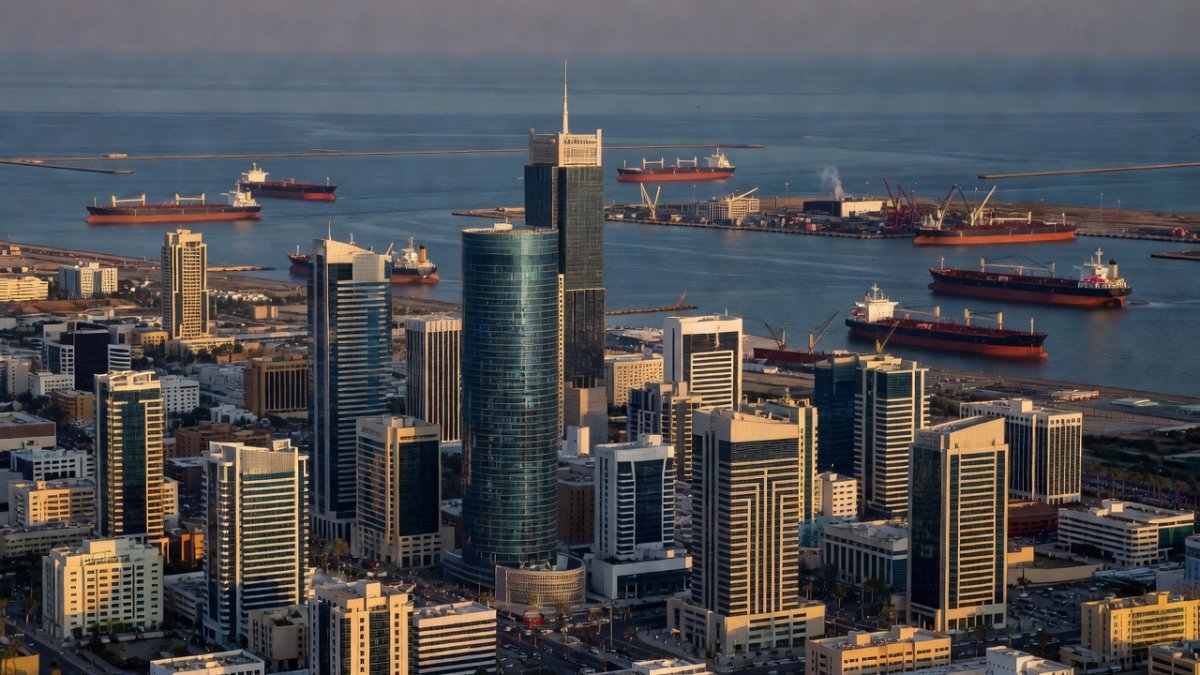
Saudi Arabia has pressed Oman to accept the temporary shipping scheme while expressing concern over the risk of sliding into a regional war and the influence of Tehran's hardline faction. The August 7 Saudi-Pakistan-Turkey defense pact signed in Jeddah represents a hedging move amid these uncertainties. Houthi actions, including the Red Sea blockade affecting Saudi Arabia and the attack on MSV Faize Noore Oliya with its 13 Indian crew, have drawn Indian condemnation and further complicated Gulf security.
Vision 2030 diversification efforts face direct threats from prolonged conflict, prompting Gulf states to seek de-escalation even as they remain wary of Iran's longer-term regional intentions. This dual posture reflects a pragmatic assessment that stability serves immediate economic goals while unresolved tensions could still undermine those same objectives.
Hormuz Shipping Proposals and Challenges
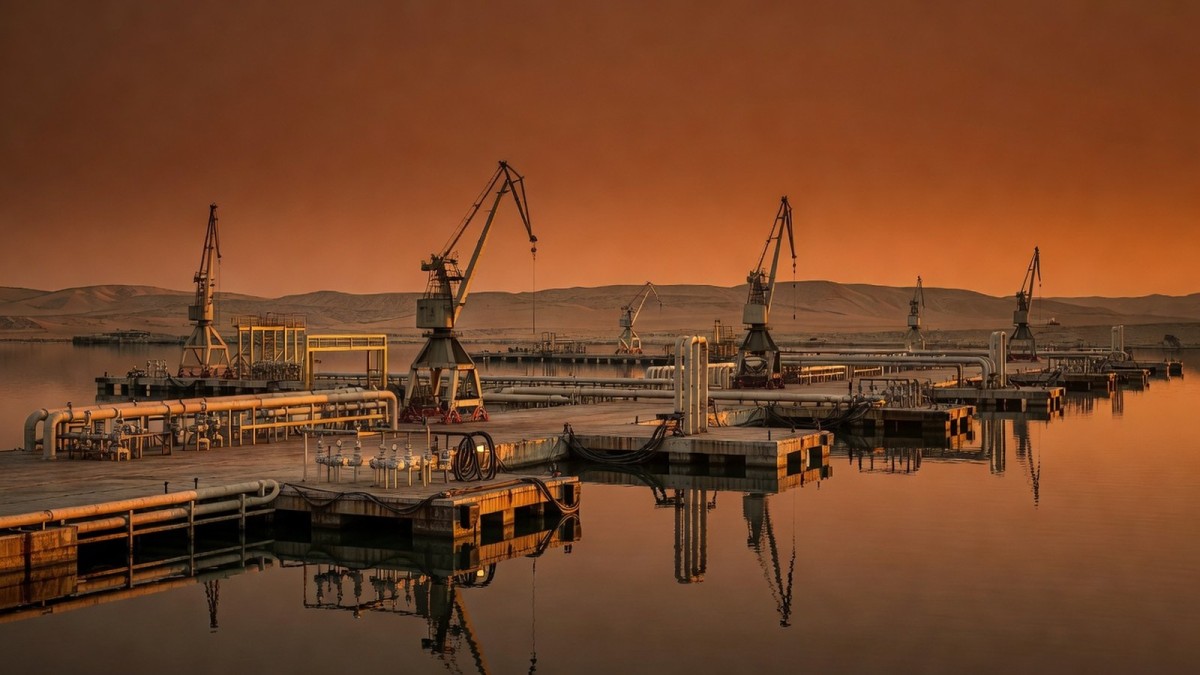
The Axios framework proposes a northern lane through Iranian waters for inbound traffic and a southern Omani lane for outbound vessels over 60 days without fees, alongside mine clearance and a Malacca-style service fee model. Press TV has referenced a "middle corridor" alternative, yet only eight vessels have transited compared with 130 per day before the war. An August 4 UKMTO-reported cargo ship strike off Oman illustrated ongoing risks.
The strait carries one-fifth of global oil and LNG, making any reopening consequential for energy prices, which fell 2% on August 4 optimism. These proposals remain limited by enforcement questions and the narrow window of reduced activity, constraining their ability to restore pre-war volumes without broader political accommodations.
Implications for Nuclear Talks and Regional Dynamics
Secretary of State Marco Rubio emphasized that Hormuz discussions remain separate from the larger nuclear agreement. The original MoU required uranium stockpile dilution, yet enrichment remains central to any final bargain. Turkey's participation in the new defense pact and Houthi Red Sea actions against Saudi shipping, including the August 4 attack on the Indian-flagged MSV Faize Noore Oliya, illustrate how easing sanctions could either stabilize energy markets or embolden factions in Tehran wary of US commitments.
Rubio has distinguished a "big deal" from narrower focus on the straits, with HEU dilution and enrichment limits remaining central to any nuclear component. Israel's interest in blocking Iranian breakout capability adds another layer, while second-order effects loom: reopening Hormuz without sanctions relief may prove insufficient for Iran, yet easing sanctions absent nuclear progress could embolden Tehran's hardliners. China's role as a key oil buyer and Russia-Iran ties further complicate the picture.
The question of whether the US should ease sanctions therefore carries implications beyond bilateral dynamics, potentially reshaping incentives for regional actors and testing whether partial economic relief can stabilize the situation without advancing nuclear thresholds.
By Malik Hassan, Staff Writer
This article was produced with AI-assisted research and editorial support. Reporting is based on sources cited in the article.
What's Your Reaction?
 Like
0
Like
0
 Dislike
0
Dislike
0
 Love
0
Love
0
 Funny
0
Funny
0
 Wow
0
Wow
0
 Sad
0
Sad
0
 Angry
0
Angry
0

Middle East Correspondent at Global1.News. Based in Beirut, covering politics, conflict, energy, and society across the Middle East. Brings context and depth to a region often reduced to headlines.











Comments (0)