
ShinyHunters claims FBI hack: 'This is NOT financially motivated'
ShinyHunters has just thrown a new curveball at the FBI, claiming a breach of the agency’s own employee data stores that runs well beyond the usual ransom‑and‑leak playbook.
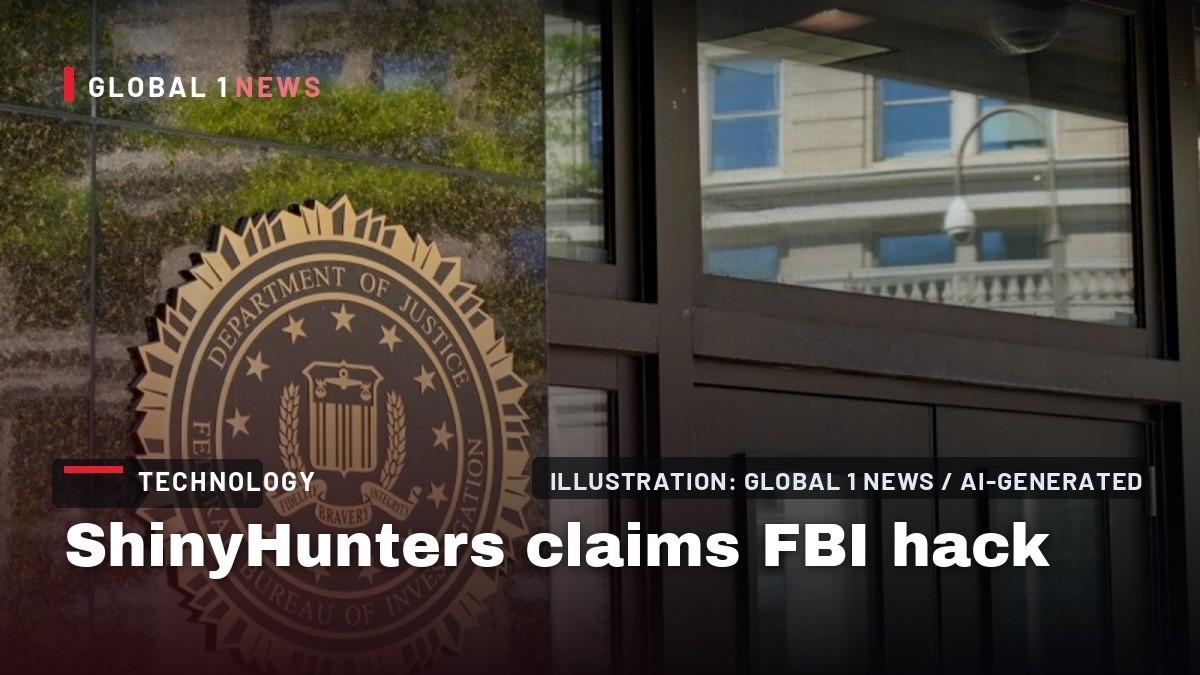
ShinyHunters has just thrown a new curveball at the FBI, claiming a breach of the agency’s own employee data stores that runs well beyond the usual ransom‑and‑leak playbook. The group says it exploited a PeopleSoft zero‑day on the FBI jobs portal, moved laterally onto AWS GovCloud, and siphoned off between two and three terabytes of human‑resources, MedLink and Criminal Justice Information Services data. Their headline claim – “This is NOT financially motivated” – is as much a PR spin as a challenge to the FBI’s own narrative that paints ShinyHunters as a harassing extortion outfit. For anyone running an independent hosting operation, the story is a stark reminder that even the most hardened government clouds can be reached through a single vulnerable web app, and that the fallout is measured not just in dollars but in reputation and legal exposure.
Zero‑Day Exploits Still Matter in 2026
The Register’s report makes clear that ShinyHunters leveraged an Oracle PeopleSoft vulnerability that allowed remote code execution on the FBI’s jobs site. This is a classic supply‑chain attack vector: a public‑facing portal is compromised, and the foothold is used to pivot deeper into the network. For hosting providers, the lesson is simple – every third‑party application you run, from HR portals to legacy ERP systems, is a potential entry point. Even when you’re running on a hardened platform like AWS GovCloud, a single RCE can give an attacker the same level of access as the original credentials.
What’s striking is the lack of any mention of patch management or vulnerability disclosure on the FBI’s side. In my ten years of running production servers, the moment a zero‑day surfaces, you either have a rapid patch pipeline or you isolate the vulnerable service. The FBI’s apparent reliance on an unpatched PeopleSoft component suggests a gap that any independent provider can exploit – not by breaking the cloud, but by ensuring your own stack is airtight. If you’re still running outdated PeopleSoft modules, you’re practically inviting a ShinyHunters‑style raid.
Cloud Misconceptions: GovCloud Isn’t a Magic Shield
ShinyHunters claims it moved laterally onto the FBI’s managed servers on AWS GovCloud. The implication is that the “secure” government cloud is not immune to internal compromise. AWS GovCloud provides isolated infrastructure, but it does not magically prevent an attacker who has already gained a foothold inside the network from walking laterally. The real security comes from segmentation, strict IAM policies, and continuous monitoring – none of which were detailed in the FBI’s response, or lack thereof.
For independent hosting firms, the takeaway is to treat any cloud tenancy, even a GovCloud one, as a shared responsibility environment. You must enforce micro‑segmentation, limit the blast radius of any compromised host, and have robust logging to detect lateral movement. The FBI’s silence on whether AWS had any insight into the alleged data theft only underscores the need for clear communication channels with your cloud provider – a practice many startups overlook in favor of cost savings.
The Business Risk of “Non‑Financial” Motives
ShinyHunters is positioning this breach as a reputation‑management operation rather than a cash grab. Their stated goal is to force the FBI to retract statements made in a May 15 bulletin that accused the group of harassment, swatting, and threatening messages. Whether or not the group truly believes the FBI’s characterisation, the fact remains that they are leveraging stolen data to pressure a federal agency. That creates a new risk vector for hosting providers: data breaches can be weaponised for political or reputational leverage, not just for direct monetary gain.
From a founder’s perspective, this means you need to think beyond the traditional ransomware model. Your incident response plan must account for scenarios where an attacker demands narrative control or public retractions. The cost of a forced statement, legal fees, and brand damage can easily outweigh any ransom you might consider paying. In my own experience, the most costly breaches are those that spiral into public relations crises, and the FBI’s own alert about “harassment strategies” hints at how quickly a technical incident can become a PR nightmare.
Vendor Transparency and the Speed of Response
Neither Oracle nor AWS responded to The Register’s inquiries about the PeopleSoft zero‑day or any insight into the alleged theft. This silence is a red flag for any provider that relies on third‑party vendors. When a vulnerability surfaces, you need rapid, transparent communication from your vendors to patch or mitigate. The lack of response here suggests a gap that could leave you exposed for longer than you anticipate.
Independent hosting firms should embed vendor SLA clauses that require timely disclosure of critical vulnerabilities. If Oracle or any other upstream provider is slow to respond, you must have an internal escalation path – perhaps a dedicated security liaison or a community‑driven threat intel feed – to bridge that gap. In practice, we’ve built a “vendor watchlist” that triggers an immediate audit of any dependent software when a CVE is published, and that has saved us from at least two near‑misses in the past year.
Data Volume Doesn’t Equal Value – But It Does Amplify Risk
ShinyHunters claims to have downloaded “about 2 TB to 3 TB” of data covering current, former, and prospective FBI employees. The sheer volume is impressive, but the real question is what that data actually contains. Human‑resources files, medical records (MedLink), and criminal‑justice information are all highly sensitive, and even a partial dump can be weaponised for identity theft, blackmail, or insider recruitment.
For hosting providers, the lesson is to minimise data exposure. Encrypt data at rest, enforce strict access controls, and regularly purge records that are no longer needed. Remember, the larger the data lake you hold, the bigger the target you become.
Legal and Compliance Implications of a Government Breach
A breach of a federal agency like the FBI carries heavy legal weight. Even if the attacker claims no financial motive, the theft of employee data triggers a cascade of compliance obligations – from breach notification laws to potential sanctions under federal cybersecurity statutes. The FBI’s own alert mentions “harassment strategies” and “swatting,” which could be used to argue a pattern of intimidation, potentially elevating the case to criminal prosecution.
Independent providers should therefore audit their own compliance posture. If you host data for government contractors or handle any federal information, you’re likely subject to FedRAMP or similar frameworks. Ensure you have documented incident‑response procedures, chain‑of‑custody logs, and a legal counsel on standby. The cost of a misstep in a federal breach scenario can dwarf any typical ransomware payout.
Actionable Takeaways for Hosting Founders
First, conduct an immediate inventory of all third‑party applications – especially legacy suites like PeopleSoft – and verify they are patched or isolated. Second, enforce zero‑trust networking within any cloud tenancy, even GovCloud, to limit lateral movement. Third, embed vendor‑response SLAs into your contracts and set up an internal escalation process for critical vulnerabilities. Fourth, adopt a data‑minimisation and encryption‑first policy to reduce the value of any data you might lose. Fifth, rehearse incident‑response scenarios that include non‑financial attacker demands, such as forced public statements or narrative control. Finally, keep a legal advisory loop active, particularly if you handle any government‑related data.
In short, the ShinyHunters episode is a wake‑up call that the threat landscape is evolving beyond pure profit‑driven ransomware. Attackers are now leveraging data for reputational leverage, and they’re targeting the weakest link – often a forgotten web app – to get there. As a founder, your job is to lock down those links before the next gang decides to turn a government portal into their personal playground.
— Allan Ali, Founder
This article was produced with AI-assisted research and editorial support. Reporting is based on the source material cited below. Sources: The Register; theregister.com; Global1.News (24 September 2026).
By Allan Ali, Global1.News
What's Your Reaction?
 Like
0
Like
0
 Dislike
0
Dislike
0
 Love
0
Love
0
 Funny
0
Funny
0
 Wow
0
Wow
0
 Sad
0
Sad
0
 Angry
0
Angry
0

Publisher of Global1.News. Automation architect, systems builder, and the guy making sure the truth gets published.














Comments (0)