
Seoul Unveils Tougher Crackdown on Chinese Illegal Fishing Near the NLL
The South Korean government’s announcement on August 27, 2026, of a comprehensive crackdown on Chinese fishing vessels near the Northern Limit Line (NLL) represents a significant escalation in a long-simmering maritime dispute. The move, unveiled at a rare joint press briefing involving four ministr
The South Korean government’s announcement on August 27, 2026, of a comprehensive crackdown on Chinese fishing vessels near the Northern Limit Line (NLL) represents a significant escalation in a long-simmering maritime dispute. The move, unveiled at a rare joint press briefing involving four ministries and the Korea Coast Guard, signals a shift toward more assertive enforcement in a region where illegal fishing has historically been a source of friction between Seoul and Beijing. This coordinated approach reflects a growing recognition that the challenge is not merely a law-enforcement issue but a complex geopolitical problem intersecting with inter-Korean relations and South Korea-China diplomacy.
Seoul Unveils Tougher Crackdown on Chinese Illegal Fishing Near the NLL
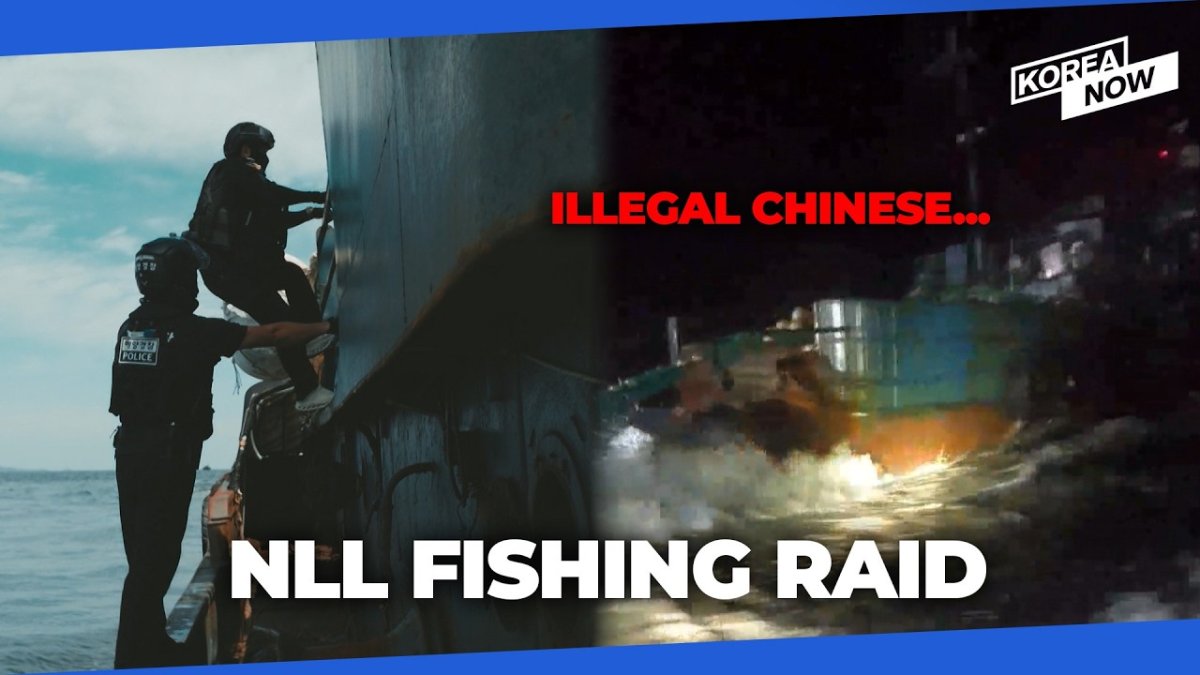
Seoul, South Korea – August 27, 2026 — The South Korean government announced Thursday a comprehensive set of measures to intensify crackdowns on Chinese fishing vessels illegally operating in waters near the inter-Korean sea border in the Yellow Sea. The Korea Coast Guard, alongside the Ministry of Foreign Affairs, Ministry of Unification, Ministry of National Defense, and Ministry of Oceans and Fisheries, held a joint press briefing in Seoul to outline a four-pronged strategy addressing what has become a persistent challenge to South Korean maritime sovereignty.
A Four-Pronged Enforcement Strategy
The newly announced measures are structured around four core pillars: intensifying crackdowns on Chinese fishing vessels near the NLL, forcibly removing illegal fishing gear, strengthening on-site enforcement capabilities, and enhancing cooperative enforcement and diplomatic cooperation. This multi-layered approach acknowledges that previous enforcement efforts, while persistent, have not fully deterred Chinese fishing operations in the contested maritime area.
The Ministry of Oceans and Fisheries plans to deploy dedicated vessels specifically tasked with forcibly removing traps and other illegal fishing gear installed by Chinese vessels near the NLL. Additionally, the ministry will install 34 artificial structures designed to prevent fishing operations in the area, creating physical barriers that complicate illegal fishing activities. These measures represent a significant investment in maritime infrastructure aimed at making illegal operations more difficult and costly for foreign vessels.
The Korea Coast Guard will establish a new special enforcement unit on Baengnyeong Island, supplementing existing units on Yeonpyeong and Daecheong islands. This expansion of enforcement presence across the five West Sea islands creates a more robust network of response capabilities, reducing the time needed to intercept illegal fishing vessels and increasing the likelihood of apprehension.
The Geopolitical Context of the NLL
The Northern Limit Line occupies a unique and contentious position in Korean geopolitics. Unlike internationally recognized maritime boundaries, the NLL is a de facto maritime border established unilaterally by the United Nations Command at the conclusion of the Korean War. North Korea has never formally accepted the line, arguing that it should be drawn further south, while South Korea treats it as the effective maritime boundary separating the two Koreas.
The waters south of the NLL are designated as a special exclusion zone where foreign fishing vessels are prohibited from operating. However, Chinese fishing boats frequently exploit the division of the Korean Peninsula by crossing the NLL from the north to engage in illegal fishing in South Korean waters. This exploitation takes advantage of the ambiguous status of the maritime boundary and the complex security situation that makes consistent enforcement challenging.
The strategic significance of the NLL extends beyond fishing disputes. The area has been the site of several deadly naval clashes between North and South Korea, including the 2002 Second Battle of Yeonpyeong and the 2010 sinking of the ROKS Cheonan. The presence of Chinese fishing vessels in these sensitive waters adds another layer of complexity to an already volatile maritime environment, potentially complicating military responses to North Korean provocations.
Diplomatic Dimensions: Seoul and Beijing
The enforcement measures are accompanied by a parallel diplomatic track aimed at engaging the Chinese government. The Ministry of Foreign Affairs plans to urge Beijing to take active measures, including guiding its fishermen and stepping up crackdowns on illegal fishing operations. This dual-track approach of domestic enforcement and diplomatic pressure reflects an understanding that lasting solutions require cooperation from the Chinese side.
Seoul will also inform China through overseas diplomatic missions about an amendment to South Korean law that raised the maximum fine for illegal Chinese fishing operations from 300 million won (US$217,500) to 1.5 billion won starting in May. This fivefold increase in penalties signals Seoul's determination to make illegal fishing economically unviable, while the diplomatic notification ensures that Chinese authorities and fishing communities are aware of the heightened consequences.
The diplomatic dimension is delicate, as South Korea must balance its enforcement interests against its broader relationship with China, its largest trading partner. Beijing has historically been sensitive to what it perceives as South Korean overreach in maritime enforcement, and the issue has occasionally spilled into broader diplomatic tensions. The foreign ministry's approach of urging Chinese cooperation rather than confrontation suggests an awareness of these sensitivities.
The Domestic Political Calculus
The timing of this announcement is significant, coming just before the autumn crab fishing season begins in September. The seasonal nature of illegal fishing activity near the NLL has long been a driver of enforcement challenges, with Chinese vessels intensifying their operations during peak crab migration periods. The government's plan to bolster interagency crackdowns under the new framework directly addresses this seasonal surge.
The government will also streamline information-sharing procedures between the military and police, addressing a long-standing coordination gap that has hampered effective enforcement. Additionally, authorities will punish acts of anchoring at sea and supplying goods through amendments to relevant laws, closing legal loopholes that have allowed Chinese vessels to sustain extended illegal operations.
These measures reflect a domestic political imperative to demonstrate responsiveness to public concerns about maritime sovereignty. The issue of Chinese illegal fishing has periodically captured public attention in South Korea, particularly when incidents escalate or when local fishermen on the West Sea islands voice frustrations about competition from illegal operators. The comprehensive nature of the announced measures suggests an effort to project governmental competence and resolve.
Expert Perspectives
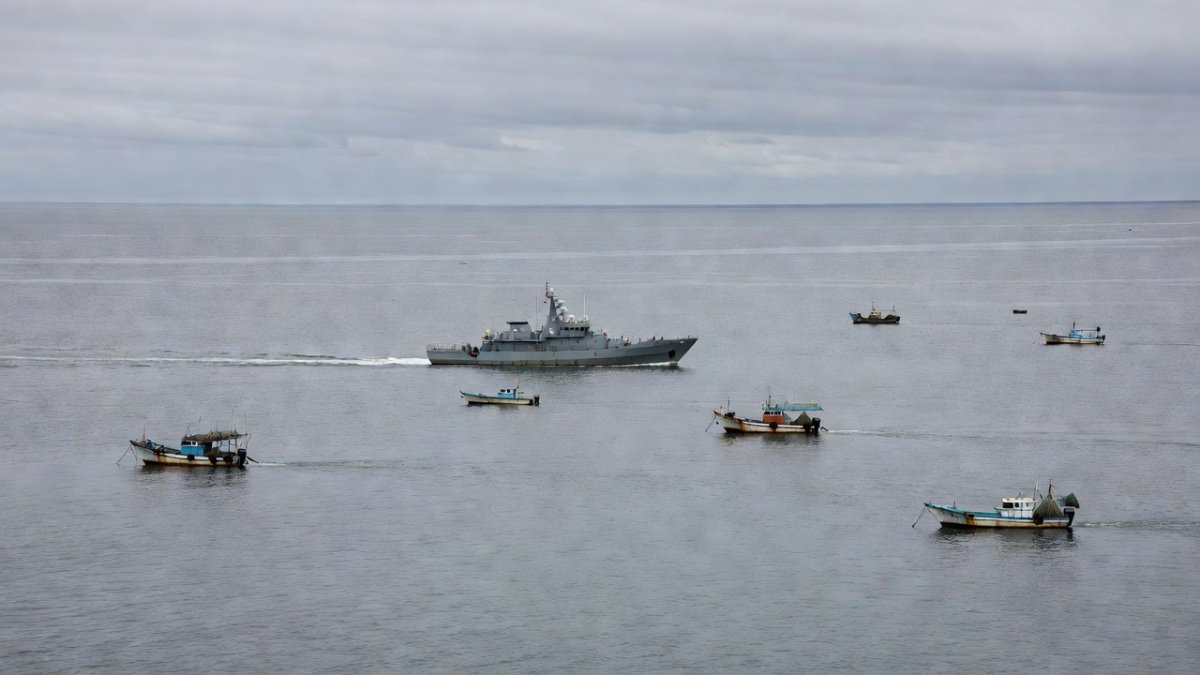
The enforcement challenge is substantial. The number of Chinese fishing vessels illegally operating near the NLL averaged about 200 per day in 2016 but has since decreased to fewer than 100. While this decline suggests that previous enforcement efforts have had some deterrent effect, the persistence of illegal operations indicates that the problem remains far from resolved.
The reduction in vessel numbers may reflect multiple factors, including improved enforcement, changing fish populations, and shifting economic calculations among Chinese fishermen. However, the continued presence of dozens of vessels daily in a sensitive maritime zone represents an ongoing challenge to South Korean sovereignty and maritime order.
The enforcement dilemma is compounded by the inherent difficulty of policing a maritime boundary that is not internationally codified. South Korean authorities must balance assertive enforcement against the risk of escalating incidents that could draw in military responses or trigger diplomatic crises. The new measures, with their emphasis on removing fishing gear and installing physical barriers, suggest a strategy of making illegal operations more difficult rather than relying solely on vessel interception.
Looking Ahead
The unification ministry's commitment to establishing effective and long-term measures to secure lasting peace and a stable maritime order in the Yellow Sea, including building a peace zone, points to a broader strategic vision beyond immediate enforcement concerns. This longer-term perspective recognizes that sustainable solutions require addressing the underlying tensions that make the NLL area a flashpoint for various maritime disputes.
The success of the new enforcement framework will depend on several factors: the effectiveness of interagency coordination, the willingness of Chinese authorities to cooperate, and the ability of South Korean forces to sustain heightened enforcement operations over time. The seasonal nature of illegal fishing activity means that the coming months will provide an early test of the new measures' effectiveness.
As the autumn crab season approaches, the waters near the NLL will once again become a focal point of maritime tension. The comprehensive approach announced on August 27 represents South Korea's most ambitious attempt yet to address the challenge of Chinese illegal fishing in its waters. Whether these measures succeed in reducing illegal operations while avoiding diplomatic fallout will have significant implications for the broader maritime order in the Yellow Sea and for South Korea's relationships with both China and North Korea.
The strategic significance of this issue extends beyond the immediate fishing dispute. How South Korea manages this challenge will signal its broader approach to maritime sovereignty, its willingness to assert its interests against larger powers, and its capacity to maintain order in a region of critical strategic importance. The coming months will reveal whether the new framework can deliver on its promises of more effective enforcement and a more stable maritime environment.
This article was produced with AI-assisted research and editorial support. Sources: Yonhap News Agency (August 27, 2026); KOREA NOW (YouTube).
By Prof. David Park, Staff Writer
What's Your Reaction?
 Like
0
Like
0
 Dislike
0
Dislike
0
 Love
0
Love
0
 Funny
0
Funny
0
 Wow
0
Wow
0
 Sad
0
Sad
0
 Angry
0
Angry
0

East Asia/Technology Correspondent at Global1.News. Seoul-based voice covering Korean politics, technology, business, and culture. Analyzes how technology and geopolitics intersect across East Asia.















Comments (0)