
Inside Taybeh: Families Leave the Last Fully Christian Town in the West Bank
In a recent Middle East Eye report, the quiet desperation of Taybeh, the last fully Christian town in the occupied West Bank, is laid bare. Families are packing up and leaving, settlers have set fire to a 1,500-year-old church, and farmland has been seized as outposts now encircle the town from nearly every side. On 9 August 2026, the Israeli army declared Taybeh a closed military zone, cutting off the town and deepening a sense of abandonment among its roughly 1,200 residents.
In a recent Middle East Eye report, the quiet desperation of Taybeh, the last fully Christian town in the occupied West Bank, is laid bare. Families are packing up and leaving, settlers have set fire to a 1,500-year-old church, and farmland has been seized as outposts now encircle the town from nearly every side. On 9 August 2026, the Israeli army declared Taybeh a closed military zone, cutting off the town and deepening a sense of abandonment among its roughly 1,200 residents.
Inside Taybeh: A Christian Town Under Siege and Facing Erasure
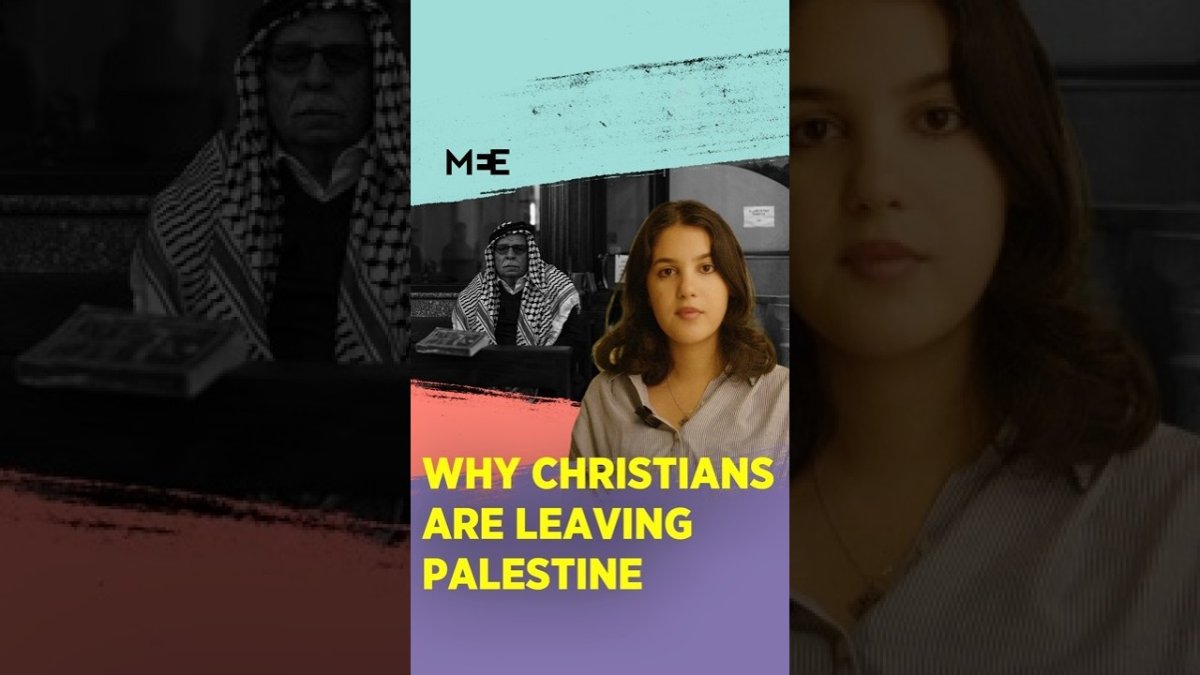
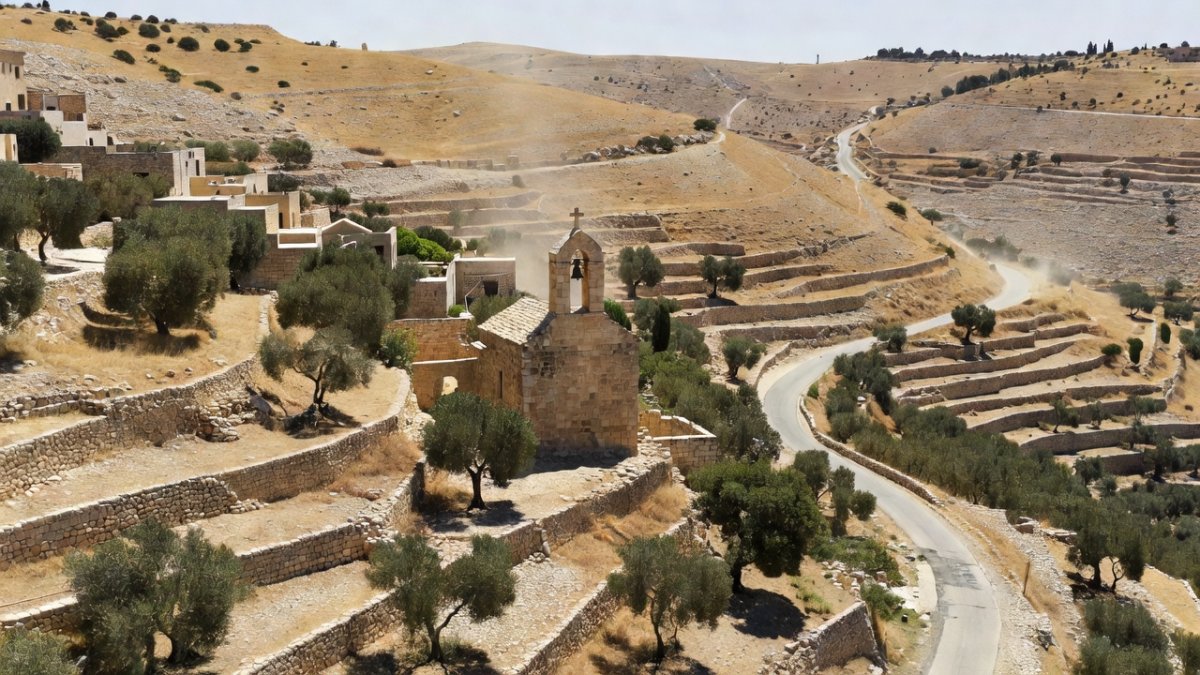
Ramallah, occupied West Bank - 28 August 2026 - The road into Taybeh winds through olive groves and stone terraces that have defined this hillside town for centuries. Known in tradition as biblical Ephraim, where Jesus is said to have withdrawn before his final journey to Jerusalem, Taybeh has long been a symbol of Christian endurance in the Holy Land. Today, that endurance is being tested as never before. The Middle East Eye video "Inside Taybeh: Families are leaving the last fully Christian town in the West Bank" documents a community in freefall, caught between organised settler violence, a military closure, and the slow bleed of emigration that threatens to erase one of the oldest Christian communities on earth.
A Town Surrounded: The Geography of Encroachment
Taybeh sits on the outskirts of Ramallah, its municipal lands stretching into the rolling hills of the central West Bank. Mayor Suleiman Khourieh estimates that roughly seven settler outposts now surround the town, with four or five sitting directly on Taybeh's municipal land. The newest outpost was established on the town's western edge, in Area B, about a week before 14 August 2026. Under the Oslo Accords, Area B was meant to be under Palestinian civil control and joint Israeli-Palestinian security oversight, a compromise that was supposed to protect towns like Taybeh from exactly this kind of encroachment. Instead, it has become a grey zone where settlers operate with impunity and the Palestinian Authority has no authority to intervene.
The outposts are not distant threats on the horizon. They are intimate, aggressive presences. Settlers took over the mayor's own vineyard and its well, cutting his locks, grazing sheep on his land, pitching a tent by the well, and bathing in the water. The army eventually removed the tent, but the settlers return daily. "We still don't know whether I'm even allowed to go to my own vineyard or not," Khourieh told the Middle East Eye. The closed military zone declared on 9 August has done little to change the reality on the ground. "The decision hasn't amounted to anything practical, because the settler is still exactly where he was," he said.
The Quarry That Built a Future, Now Lost
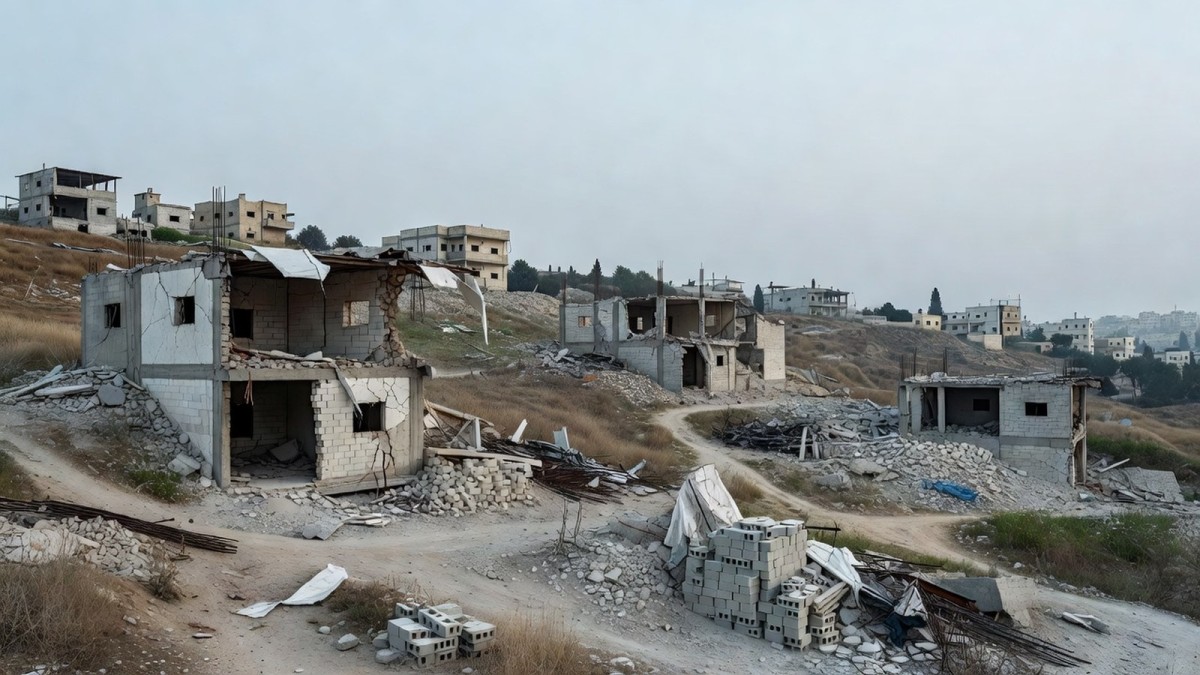
For Roland Basir, the siege of Taybeh is measured in the ruins of a lifetime's work. Over more than 20 years, he built a stone quarry and concrete-block factory on the edge of town, investing roughly $5 million and employing 40 local Palestinians. It was the kind of enterprise that anchored families to the land, providing steady wages in a territory where economic opportunity is scarce. In March 2026, that anchor was ripped away. Between 30 and 40 settlers stormed the quarry in a coordinated mass incursion, raising Israeli flags, performing prayers, smashing his office, destroying electrical panels, and pulling cameras from the walls. They returned the next day.
Basir filed complaints with the liaison office, the police, and every institution he could think of. No protection came. In a cruel twist, stone from his land has allegedly been registered under a settler's name and resold, a practice that has become a hallmark of land theft in the West Bank. This past week, he stopped operating. "They've taken the quarry, taken the factory, taken the land. What's left for them to take? My children? My house?" he asked. The question hangs over the entire town.
Living in Fear: The Human Cost of the Siege
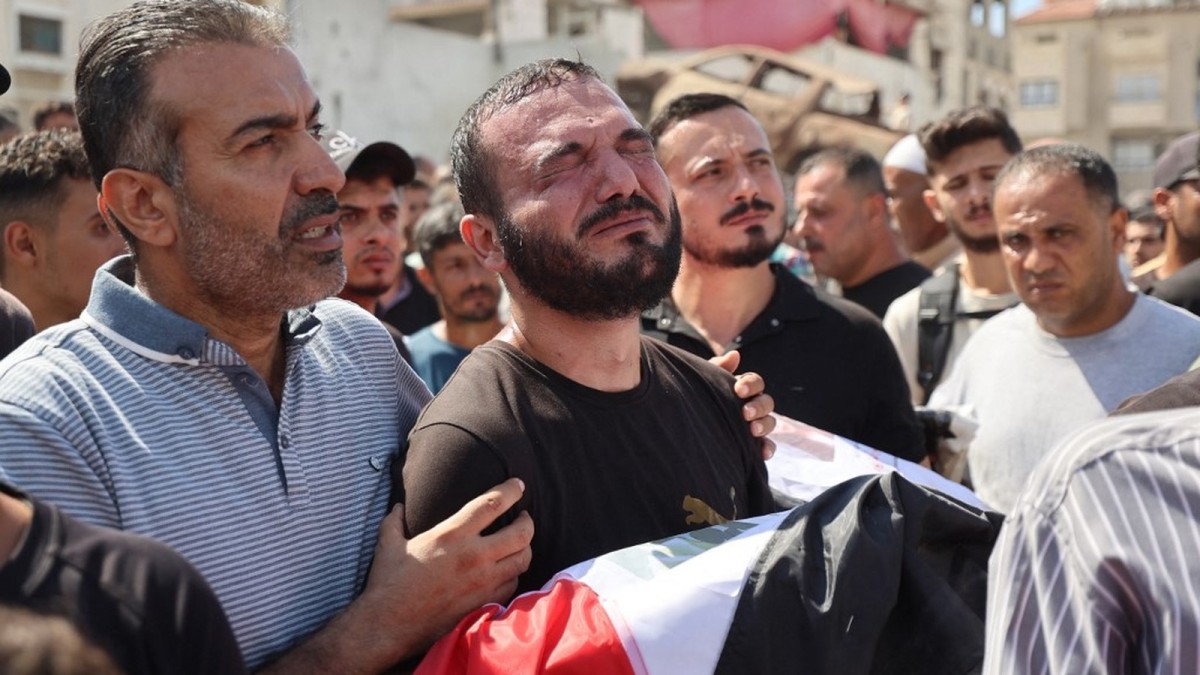
For Sandra Basir, Roland's wife, the fear is not abstract. She keeps fire extinguishers in the house after settlers set fire to a neighbour's car. She checks the doors nightly, got a dog for protection, and is always half-awake, listening for whoever might come for her four small children. Her seven-year-old son has stopped playing outside and begs his father not to go to work, scared he might not return. The trauma is generational. Sandra says her mother's arm was broken by a settler during last year's olive harvest, a season that should be a time of communal gathering and sustenance but has become another front in the occupation's slow strangulation of Palestinian life.
The psychological toll is compounded by the selective enforcement of the closed military zone. The order, which bars entry to Israelis and foreigners without a specific connection to the town, was ostensibly designed to protect residents. In practice, activists offering protective presence have been removed while violent settlers remain. Father Bashar Fawadleh, priest of Taybeh's Christ the Redeemer Church, put it plainly: "We don't feel that they're actually forbidding the settlers from coming to Taybeh." The message to the town's residents is clear: the state that declared this zone is not on their side.
An Economic Stranglehold: The Brewery and the Spring
Madees Khoury runs Taybeh Brewery, founded by her family in 1994 as the first microbrewery in the Palestinian territories. It was a symbol of hope, a bet on the future of a Christian community that had weathered the second Intifada, the Arab Spring, and every war on Gaza. "Taybeh was always safe, untouched - never, never, never did I imagine it would come to this," she told the Middle East Eye. In February 2026, settlers walked into town claiming to search for a horse that didn't exist. Israeli Civil Administration officials who were called to the scene walked alongside the settlers, broke open the door, and helped carry the horses out. The complicity was on full display.
The brewery's water source, the Ein Samiya spring, is now controlled by settlers. Revenues are down 80% compared to before October 2023, and tourism has evaporated. The brewery, once a destination for international visitors and a point of pride for the town, is now struggling to survive. The economic stranglehold is not incidental; it is a deliberate strategy. By cutting off water, land, and access, settlers and the state apparatus that shields them are making life in Taybeh untenable, pushing residents toward the only option that remains: leaving.
The Exodus: Fifteen Families and Counting
The numbers are stark. Father Fawadleh reports that fifteen families have left Taybeh in the past two years, plus dozens of individuals, mostly to the United States and Europe. The Palestinian Christian population in the West Bank has shrunk to about 40,000, just over 1% of the population. Taybeh, once a bastion of Christian life, is now a case study in how the occupation hollows out communities from within. Each departure is a story of a family that could no longer bear the uncertainty, the fear, the economic ruin. Each departure also weakens the fabric of the town, making it harder for those who remain to hold on.
Father Fawadleh's words carry the weight of a man who has watched his congregation dwindle. "This land is ours. We cannot leave it easily," he said. "We want to resist by staying." That resistance is both spiritual and physical, a daily act of defiance against a system designed to make staying impossible. But the priest's resolve is not enough to stop the tide. The question is whether the international community, and the Israeli government, will act before Taybeh becomes a ghost town of empty churches and abandoned homes.
A Broken Promise: Area B and the Failure of Enforcement
The situation in Taybeh exposes the fiction at the heart of the Oslo Accords. Area B was supposed to be a zone of shared control, a compromise that would allow Palestinians to govern their own civil affairs while Israel maintained security oversight. In practice, it has become a legal vacuum where settlers can act with impunity and the Palestinian Authority is powerless to protect its own citizens. Earlier in 2026, Prime Minister Benjamin Netanyahu said that outposts established in Area B should be evacuated, but enforcement has been blocked amid opposition from officials in his far-right government. The gap between rhetoric and reality is measured in the lives of Taybeh's residents.
Peace Now, the Israeli settlement watchdog, counts roughly 390 illegal outposts and farms across the West Bank, at least 21 of them in Area B. These are not rogue actors operating against state policy; they are the vanguard of a project that enjoys significant support within the Israeli government. The settlers who surround Taybeh are not hiding. They raise flags, they pray, they bathe in the mayor's well. They know that the army will remove activists before it removes them. The closed military zone, declared on 9 August, was supposed to change the calculus. It hasn't.
Analysis and Implications
The slow erasure of Taybeh is not an isolated tragedy; it is a preview of what is possible across the West Bank. If the last fully Christian town can be encircled, its church burned, its water seized, and its residents driven out, then no Palestinian community is safe. The international community has long paid lip service to the preservation of Christian presence in the Holy Land, but that presence is being dismantled in real time, and the response has been muted. The United States and European governments have condemned settler violence in general terms, but have taken no meaningful action to stop it.
For the residents of Taybeh, the future is uncertain. The closed military zone remains in place, but its enforcement is selective. The settlers remain on the land, and the army shows no sign of removing them. The economy is in freefall, and the young people are leaving. And yet, there is a stubbornness in the voices of those who remain. Madees Khoury, who has seen her family's brewery reduced to a shadow of its former self, still speaks of Taybeh with a fierce love. Father Fawadleh still leads his congregation in prayer. Roland Basir, stripped of his quarry and his factory, still stands on his land.
The question is how long that stubbornness can hold. The settlers are patient. The state that protects them is powerful. And the world, so far, is watching. If Taybeh falls, it will not be because its people gave up. It will be because the forces arrayed against them were simply too great, and because the international community chose to look away. The town's fate is a test, and the outcome is far from certain.
By Fatima Al-Rashid, Staff Writer
This article was produced with AI-assisted research and editorial support. Reporting is based on sources cited in the article.
What's Your Reaction?
 Like
0
Like
0
 Dislike
0
Dislike
0
 Love
0
Love
0
 Funny
0
Funny
0
 Wow
0
Wow
0
 Sad
0
Sad
0
 Angry
0
Angry
0

Gulf/MENA Correspondent at Global1.News. Based in Doha, covering Gulf politics, energy markets, diplomacy, and development across the Middle East and North Africa. Tracks the economic transformation of the Gulf states.








Comments (0)