
Russia Extends Gasoline and Diesel Export Ban Through January 2027 as Ukrainian Strikes Reshape the Domestic Fuel Market
Russia has extended its gasoline and diesel export ban through January 31, 2027 as Ukrainian drone strikes on refineries push domestic fuel prices up 19 percent and trigger rationing across the country. The Kremlin is now in talks with Kazakhstan, India and Belarus to secure fuel imports.
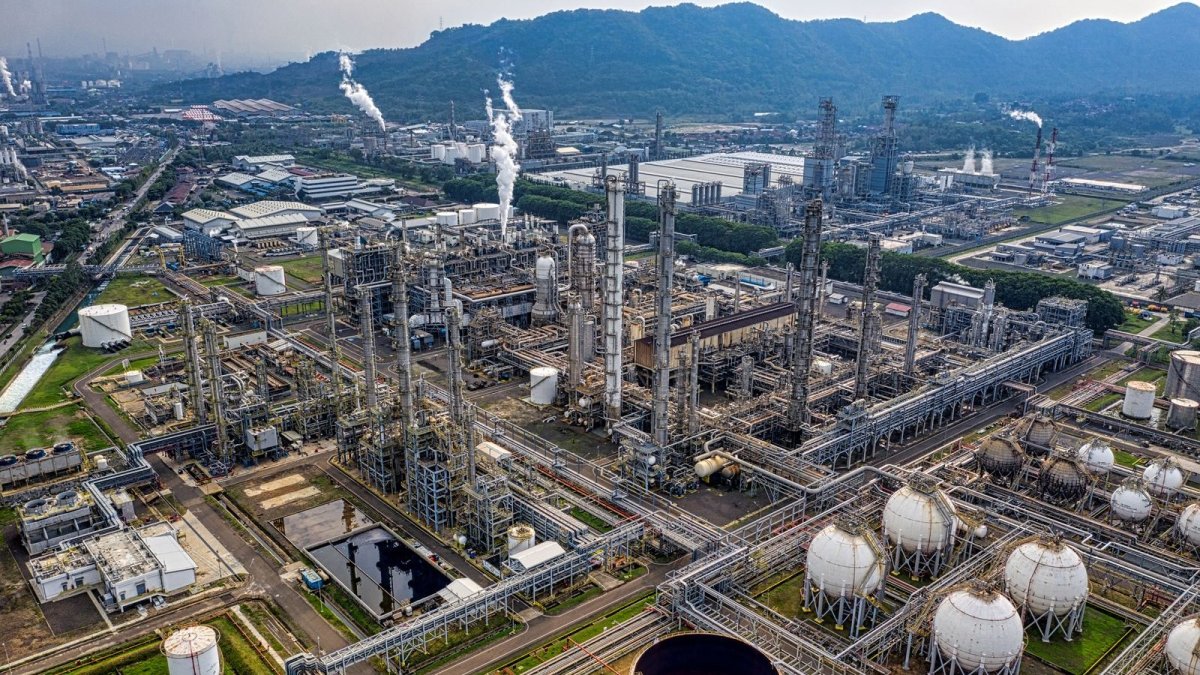
The Russian government announced on Thursday that it has extended its bans on the export of gasoline and diesel until January 31, 2027. The decision follows refinery outages and drone damage that have tightened domestic supply and pushed prices higher across the country. Officials stated the measures will remain in place to address fuel shortages that have spread through Russia's vast territory.
Russia Extends Gasoline and Diesel Export Ban Through January 2027 as Ukrainian Strikes Reshape the Domestic Fuel Market
Moscow, Russia — The extension of the gasoline and diesel export ban through January 2027 marks the latest effort by Russian authorities to shield domestic markets from supply shortfalls. Ukrainian strikes on refining infrastructure have forced multiple facilities offline in recent weeks, driving up prices and prompting rationing in several regions. The policy prioritizes internal needs while carving out limited allowances for certain fuel types starting in September.
The Export Ban Extension
The Russian government extended its bans on export of diesel and gasoline until January 31, 2027, it said in a statement on Thursday. Restrictions cover gasoline, diesel, marine fuel and gas oils after refinery outages and drone damage tightened domestic supply and pushed prices higher. Russia earlier banned exports of jet fuel in a separate decree, which expires in November.
Officials framed the prolonged restrictions as a necessary safeguard amid ongoing supply constraints that have affected regions spanning Russia's eleven time zones. The decision builds on earlier temporary measures introduced to stabilize markets after multiple refinery disruptions. Analysts suggest the extension reflects a calculated effort to prevent further price spikes that could erode public support for the ongoing military campaign.
By maintaining the curbs through early 2027, the government aims to ensure that available refined products remain directed toward domestic consumers rather than foreign buyers. This approach comes as authorities balance the need for internal stability against the revenue losses from curtailed exports. The policy also signals that officials anticipate continued pressure on refining capacity in the months ahead.
A Refining Sector Under Fire
On Monday July 6, 2026, Ukrainian drones struck the Omsk refinery in western Siberia, Russia's largest facility operated by Gazprom Neft. The plant processes around 440,000 barrels a day, roughly a tenth of national refining capacity and more than half of the Siberian Federal District's motor fuel, and it halted operations after the attack. In July 2026 alone, five major oil refining facilities halted operations after Ukrainian attacks, according to The Insider.
On July 31, Ukrainian drones hit a Wildberries logistics center and an energy facility in Volgograd, killing at least one person. Local authorities did not identify the energy site, but NASA fire monitoring showed several active fires at a major Lukoil-operated oil refinery. The conflict is now in its fifth year.
The Omsk strike represented one of Ukraine's longest-range operations to date, reaching approximately 2,500 kilometers from the border on the eve of a key NATO summit. Such targeting of Siberia's key infrastructure highlights an evolving strategy focused on disrupting fuel production far from the front lines. The Insider has characterized the broader effort as a campaign of "de-crudeification" aimed at undermining Russia's oil sector capacity.
With five major facilities affected in July alone, the cumulative impact has reduced overall refining throughput and forced operators to reassess maintenance schedules. Gazprom Neft's Omsk plant alone accounts for a significant share of Siberian motor fuel output, making its temporary shutdown particularly disruptive for eastern regions. These incidents illustrate how drone technology has extended the reach of Ukrainian operations into previously secure industrial zones.
Record Prices and Empty Forecourts
The average price of gasoline in Russia has climbed 19% since the start of the year, in large part due to Ukrainian attacks on oil refineries. Fuel shortages have disrupted supplies across Russia's 11 time zones, leading to rationing, long queues at filling stations, and record-high petrol prices, according to Energy Update reports. Before the war, Russia's total refining throughput in 2021 stood at 285 million tons, of which only 40.8 million tons were gasoline of all grades, while domestic consumption reached 36.4 million tons, as noted by economist Vladislav Inozemtsev in his RIDL analysis.
Pre-war production levels provided a comfortable buffer for domestic needs, yet the loss of refining capacity has reversed that margin and created visible strains at retail outlets nationwide. Inozemtsev's figures underscore how even modest reductions in output can quickly translate into shortages when export controls are simultaneously tightened. The resulting price surge of 19 percent has placed additional pressure on household budgets in remote areas dependent on long-distance fuel deliveries.
Energy Update reports indicate that rationing measures have been implemented in multiple districts to manage dwindling stocks. Long lines at filling stations have become a common sight, reflecting both actual scarcity and precautionary buying by motorists. These developments carry potential political implications in a country where affordable fuel has long been viewed as a baseline expectation.
The Kremlin's Energy Dilemma
The export ban represents a political trade-off that prioritizes domestic fuel security over export revenues that fund the Kremlin's war budget, analysts suggest. The refineries producing Russia's fuel are the same state-linked assets, including those operated by Gazprom Neft, Lukoil and Rosneft, that sit at the heart of Kremlin energy power structures. Long queues at gas stations in a country that is one of the world's largest oil producers carry political risk for the Kremlin, observers note.
State-linked companies now face the dual challenge of repairing damaged infrastructure while complying with domestic allocation priorities that limit their export earnings. Analysts suggest this tension reveals the limits of using energy policy as both a revenue source and a wartime stabilizer. The involvement of major players such as Gazprom Neft and Lukoil in the affected sites further ties the crisis directly to core elements of the Russian energy establishment.
Observers note that visible shortages risk undermining the narrative of resilience that authorities have promoted since the conflict began. The decision to extend export restrictions through January 2027 indicates that officials view the current disruptions as more than temporary. This approach may preserve short-term stability at the cost of longer-term fiscal flexibility for the state budget.
Turning to Astana and Beyond
The Kremlin confirmed earlier this week that it is in talks with several countries to secure fuel imports at competitive prices, including India, Belarus and Kazakhstan. Under the proposed arrangement with Kazakhstan, Kazakh facilities would process Russian oil to cover local market needs while returning a portion of the refined gasoline and diesel back to Russia. Kazakhstan's Kondensat refinery has processed Russian crude since at least mid-2024 and exported gasoline to Russia for the first time earlier this month, and Kazakhstan accounts for roughly 2% of global daily oil supply, according to Reuters.
Analysts note the extended export curbs may create new opportunities for rival fuel exporters such as India, according to Tekedia reporting. Reliance on Kazakhstan, a fellow post-Soviet state, underscores how the war has inverted traditional energy relationships, analysts suggest.
The Kondensat facility's prior experience handling Russian crude positions it as a practical partner for processing arrangements that could partially offset domestic shortfalls. Reuters reporting highlights Kazakhstan's modest but strategic role in global supply, making it a viable option for targeted import deals. Such cooperation illustrates the Kremlin's willingness to engage regional partners to mitigate the effects of Ukrainian strikes on its refining base.
What the Exceptions Reveal
The renewed gasoline and diesel export ban carves out exceptions that allow refineries, rather than retailers, to export diesel, as well as ship fuel and gasoil, starting in September. These limited carve-outs indicate that authorities seek to maintain some export flows from production sites while blocking retail-level shipments that could further strain domestic stocks. The Insider's analysis describes Ukraine's campaign as a "de-crudeification" of Russia's oil sector.
By distinguishing between refinery operators and retailers, the policy attempts to preserve limited international sales without reopening channels that might divert fuel away from Russian consumers. The September start date for these exceptions suggests officials are calibrating the timing to align with anticipated seasonal demand patterns. This nuanced approach reflects efforts to fine-tune restrictions amid persistent supply challenges.
Analysis and Implications
Analysts suggest that reliance on Kazakhstan, a fellow post-Soviet state, underscores how the war has inverted traditional energy relationships. OilPrice.com reports Russia is experiencing a deepening fuel crisis as record-high gasoline prices and damaged refineries overwhelm the government's export ban efforts. The campaign by Ukraine targets the same infrastructure that supplies both domestic consumers and export earnings, creating pressure on ordinary Russians who face higher costs and limited availability across remote regions.
International analysts point out that the measures may shift market dynamics toward suppliers in India and other countries willing to fill gaps left by Russian export restrictions. The situation underscores the broader strain on Kremlin energy policy as attacks continue into the fifth year of the conflict.
The deepening crisis described by OilPrice.com points to the difficulty of containing price pressures through export controls alone. Ukrainian operations have demonstrated an ability to affect refining output at scale, forcing repeated policy adjustments. These dynamics suggest that fuel availability may remain constrained for the foreseeable future.
Looking Ahead
Authorities have not indicated when the export restrictions might be lifted before the January 2027 deadline. Further Ukrainian strikes or additional refinery outages could force additional adjustments to the policy in the coming months. The balance between protecting domestic supply and sustaining export income remains a central challenge for Russian energy officials.
On August 1 Russia launched a major missile attack on Kyiv, killing at least nine people in the second such strike on the capital that week. The conflict's fifth year has thus seen escalation on multiple fronts, with energy infrastructure remaining a focal point of Ukrainian operations and Russian responses continuing in kind.
Without clear signals on when curbs might ease, market participants are preparing for an extended period of controlled exports and potential import reliance. The interplay between ongoing strikes, repair timelines, and diplomatic outreach to suppliers such as Kazakhstan will likely shape fuel availability through the winter and beyond.
By Irina Volkov, Staff Writer
This article was produced with AI-assisted research and editorial support. Reporting is based on sources cited in the article.
What's Your Reaction?
 Like
0
Like
0
 Dislike
0
Dislike
0
 Love
0
Love
0
 Funny
0
Funny
0
 Wow
0
Wow
0
 Sad
0
Sad
0
 Angry
0
Angry
0
Russia/Eastern Europe Correspondent at Global1.News. Covering Russian politics, energy, security, and the shifting dynamics of the post-Soviet space. Provides clear-eyed analysis on one of the world's most opaque regions.










Comments (0)