
Magat Dam Drought Signals Super El Niño Threat to Latin America
The water is vanishing from Magat Dam in the Philippines, and the same ocean anomaly that is sucking it dry will soon tighten its grip on Latin America. Fishers watch their tilapia suffocate while rice farmers stare at cracked fields that feed the nation’s granary.
The water is vanishing from Magat Dam in the Philippines, and the same ocean anomaly that is sucking it dry will soon tighten its grip on Latin America. Fishers watch their tilapia suffocate while rice farmers stare at cracked fields that feed the nation’s granary. This is not an isolated Philippine crisis; it is the opening act of a super El Niño that forecasters warn could rival 1997-98 or 2015-16, bringing seca extrema to the Amazon and price shocks to Brazilian soy, coffee, and sugar.
Philippines Dam Collapse Mirrors Looming Latin American Climate Catastrophe
Manila, Philippines – August 1, 2026 — At 7 a.m. on July 15 the water surface at Magat Dam touched 159.97 meters, slipping beneath the 160-meter minimum operating level that keeps irrigation and power flowing for northeastern Philippines. The rock-fill structure, completed in 1982 and second only to San Roque Dam, now sits at the edge of failure while PAGASA calculates an 81 percent chance that a very strong El Niño will lock in between October 2026 and January 2027. The same equatorial Pacific warming already driving these Philippine losses is projected by NOAA and INMET to suppress rainfall across the Amazon basin, raise fire risk in southern Amazonas and Maranhão, and cut Brazil’s soybean harvest from a record 182 million metric tons to roughly 178 million metric tons in 2026/27. Latin America’s climate institutions—IBAMA, ICMBio, CPTEC, Conab, ANA, SENAMHI, CONAGUA, and Chile’s DGA—are watching the same sea-surface temperatures that have already pushed Pantabangan, San Roque, and Angat dams well below normal. The hemisphere shares one ocean and one storm.
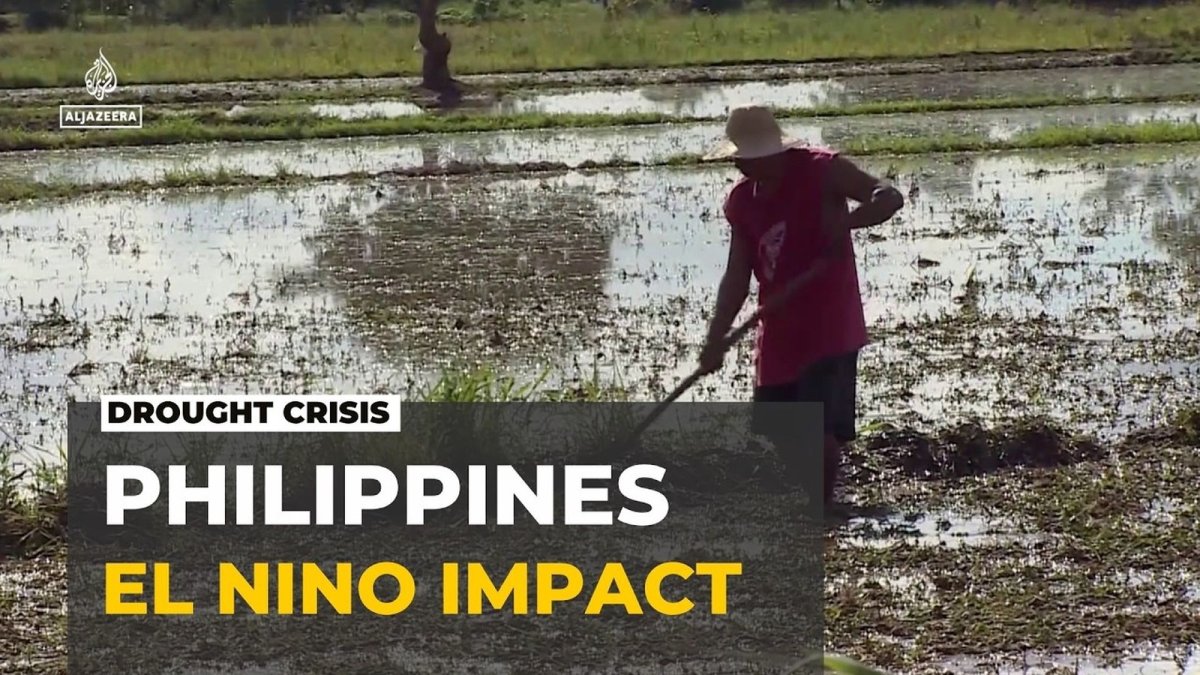
The Reservoir at the Brink: Magat Dam's Falling Water
The Magat River Integrated Irrigation System was built to water 85,000 hectares of prime farmland across Isabela and Nueva Vizcaya, the provinces that form the Philippines’ rice granary. On July 8 the reservoir stood at 160.85 meters. Six days later it had slipped to 160.08–160 meters. By July 15 at 7 a.m. the reading reached 159.97 meters, crossing beneath the critical threshold for the first time this season. Late July brought a modest rebound to 161.02 meters on the 29th, yet the daily decline resumed, and Al Jazeera’s August 1 report described levels that have “plunged.” The dam’s rock-fill design, finished in 1982, was never intended to operate chronically near its minimum. Every meter lost reduces the head available for irrigation releases and hydropower, directly threatening the dry-season crop that normally begins planting in November. PAGASA’s August 2026–January 2027 outlook places an 81 percent probability on a very strong El Niño developing by October and a 97 percent chance the event will persist through the first half of 2027. The same Pacific warming pattern already visible in the central and eastern equatorial waters is forecast by NOAA and INMET to produce one of the most intense El Niño episodes on record, comparable to 1997-98 or 2015-16. For Latin America that means suppressed rainfall across the Amazon, lower river levels, and elevated fire danger—the precise conditions that isolated ribeirinhos and killed river dolphins during the 2023-24 seca extrema. Brazil has already raised its federal fire-management budget to R$1 billion, a 28 percent increase, and contracted more than 4,400 brigadistas with expanded aerial resources focused on southern Amazonas and Maranhão. The water now missing from Magat Dam is the leading edge of the same atmospheric shift that will test every major Latin American basin in the months ahead.
Fish Kills and Ruined Livelihoods on the Reservoir
The first dead tilapia appeared in fish cages around Ramon, Isabela, and Alfonso Lista, Ifugao, on June 23. Extreme surface heat tied to the emerging El Niño had already lowered water levels; as the reservoir dropped, dissolved oxygen plummeted and the fish suffocated. BFAR Cordillera director Nazario Briguera stated plainly: “When the water level goes down, the dissolved oxygen level drops, too. This is the oxygen that fish breathe.” He added that “the majority of stocks there are almost gone because of the fish kill happening at Magat Dam.” Damage assessments reached P120 million: P100 million in Alfonso Lista and P20 million in Ramon. Between 1,200 and 1,400 fisherfolk, operators, and workers lost their primary income source, and roughly 1,200 cages were affected. In late July the DSWD Cordillera distributed 1,170 family food packs to 458 affected households in Ifugao, while the Alfonso Lista LGU provided P3,000 in emergency cash to each of 90 registered motorboat owners. These numbers represent only the first wave. The same El Niño that emptied oxygen from Magat’s cages is projected to intensify through 2027, bringing multi-month rainfall deficits that will stress every reservoir and river system from the Cagayan Valley to the Amazon basin. Latin American governments are already scaling fire-fighting capacity because they know the 2015-16 event produced severe drought across northeast Brazil and the Andes; the current forecast suggests conditions that could exceed that benchmark. The Philippine fishers watching their cages empty are the first visible casualties of a hemispheric drought machine that has only begun to turn.
Rice Harvests Under Threat in the Cagayan Valley
Approximately 31,000 hectares of rice fields served by the Magat system are already drying, according to the Department of Agriculture’s July 2026 assessment. The threat extends beyond the immediate wet-season crop into the critical dry-season planting window that normally begins in November. Reduced planting areas will translate directly into lower harvests and financial strain for thousands of smallholder families who depend on two crops per year. Other major reservoirs—Pantabangan, San Roque, and Angat—are also well below normal levels, compounding the risk to national rice supply. In response, the Philippine Air Force conducted cloud-seeding flights over the Magat catchment in July, dispersing iodized salt and hygroscopic materials under DA coordination in hopes of generating inflow from the Isabela-Ifugao border. The same Pacific warming now stressing these Philippine systems is forecast by Rabobank to trim Brazil’s soybean output from 182 million metric tons to roughly 178 million metric tons in 2026/27, while exposing coffee, sugar, and corn to price spikes. Southern Brazil faces the opposite risk of excess rain and flooding, echoing the 2024 Rio Grande do Sul disaster. Economists already project Brazilian food inflation between 8.5 and 9 percent, with the possibility of steeper rises if the El Niño reaches 1997-98 intensity. The 31,000 hectares of parched Cagayan fields are therefore not a local agricultural problem but the visible start of a supply shock that will travel across the Pacific and land on Latin American dinner tables by 2028.
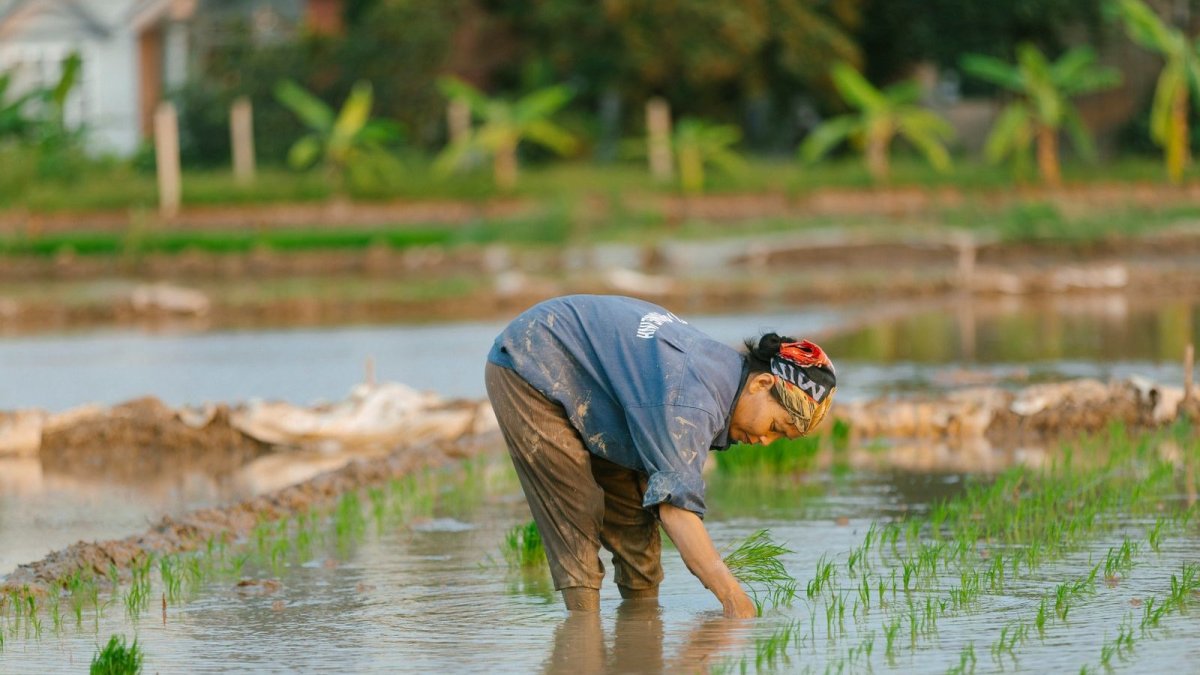
The Forecast: PAGASA Warns of a 'Very Strong' El Niño
PAGASA’s late-July 2026 climate outlook assigns an 81 percent probability that a very strong El Niño will develop between October 2026 and January 2027, with a 97 percent chance the event will persist through the first half of 2027. A weak-to-moderate El Niño is already present; the agency declared its onset on June 9. Strong El Niño conditions are expected to emerge between July and September. By the end of August, drought is forecast for Camarines Norte, Cebu, and parts of Eastern Visayas, with dry spells likely elsewhere. PAGASA defines drought as below-normal rainfall for five consecutive months or way-below-normal rainfall for three consecutive months. The mechanism is straightforward: abnormal warming of central and eastern equatorial Pacific sea-surface temperatures reduces rainfall across the Philippines while allowing fewer but potentially more intense tropical cyclones. The identical ocean anomaly is projected by NOAA and INMET to produce one of the most intense El Niño episodes on record, approaching or exceeding the 1997-98 and 2015-16 benchmarks. Those earlier events caused severe drought in Central America, northeast Brazil, and the Andes, while triggering flooding in Peru and Ecuador and record-low river levels in the Amazon. Latin American institutions are therefore preparing for the same multi-year rainfall suppression now unfolding in the Cagayan Valley. The 97 percent persistence probability through mid-2027 means the region must plan for at least eighteen months of elevated climate risk, not a single-season anomaly.
What This Means for Latin America: The Same Ocean, the Same Storm
The Pacific warming now emptying Magat Dam is the same driver NOAA and INMET forecast will produce seca extrema across the Amazon, possibly worse than the 2023-24 event that isolated riverine communities and produced the worst fire season in two decades. Brazil has already raised its federal fire-management budget to R$1 billion, up 28 percent from 2025, and contracted a record 4,400-plus brigadistas with expanded aerial resources focused on southern Amazonas and Maranhão. Rabobank projects the soybean harvest will fall from 182 million metric tons to approximately 178 million metric tons in 2026/27, while coffee, sugar, and corn face price spikes. Food inflation in Brazil is projected at 8.5–9 percent, with higher figures possible in severe scenarios. Globally, economists warn of food-price shocks extending into 2028, with rice, palm oil, sugar, and coffee potentially rising 50–100 percent or more in exposed markets. The 2015-16 El Niño demonstrated the pattern: Central America, northeast Brazil, and the Andes suffered prolonged drought while Peru and Ecuador experienced flooding. Today’s institutions—IBAMA, ICMBio, INMET, CPTEC, Conab, ANA, SENAMHI, CONAGUA, and Chile’s DGA—possess better early-warning systems, yet the scale of the projected event demands coordinated hemispheric preparation. The water missing from Philippine reservoirs is the leading indicator of the rainfall deficits Latin America must now brace to confront.
Voices from the Ground: Waiting for Rain
Fisherfolk in Ramon and Alfonso Lista describe waking each morning to find more cages empty and more families without income. The P3,000 emergency grants and 1,170 food packs provide immediate relief, yet they cannot replace the months of lost catches that normally sustain households through the lean season. Rice farmers across the 31,000 affected hectares watch the soil crack and wonder whether cloud seeding will deliver enough inflow before the November planting window closes. The uncertainty is shared across the Pacific. In Brazil’s Amazon states, ribeirinhos already recall the isolation of 2023-24 and fear a longer, deeper seca extrema. Government agencies have increased brigadista numbers and fire budgets, but the 97 percent probability of El Niño persistence through mid-2027 means the preparations must extend far beyond a single dry season.

Every institution from PAGASA to INMET and SENAMHI is reading the same sea-surface temperature maps. The question is whether the hemisphere will treat this as a shared crisis requiring joint planning for food reserves, water allocation, and fire response, or whether each country will confront the same ocean-driven drought in isolation.
The Bottom Line — A Hemisphere's Shared Warning
The 159.97-meter reading at Magat Dam on July 15 is not a Philippine statistic alone; it is the first measurable sign that a very strong El Niño has begun reshaping rainfall patterns across two continents. Latin America must now translate the 81 percent and 97 percent PAGASA probabilities into concrete action: pre-positioned food stocks, expanded fire-management capacity beyond the current R$1 billion and 4,400 brigadistas, and regional coordination among IBAMA, ANA, Conab, SENAMHI, CONAGUA, and Chile’s DGA. The 2015-16 precedent showed how quickly drought can move from river levels to food-price spikes and social unrest. With soybean output already forecast to drop and inflation projected at 8.5–9 percent, the region cannot afford to treat the Philippine reservoir crisis as distant news. The same Pacific waters that are starving Magat’s fish cages will test the Amazon’s rivers, Brazil’s farms, and Central America’s harvests for at least the next eighteen months. Preparation must match the scale of the shared oceanic driver, or the hemisphere will pay the price in empty granaries and rising hunger long after the 2027 rains finally return.
By Elena Vasquez, Staff Writer
This article was produced with AI-assisted research and editorial support. Reporting is based on sources cited in the article.
What's Your Reaction?
 Like
1
Like
1
 Dislike
0
Dislike
0
 Love
0
Love
0
 Funny
0
Funny
0
 Wow
0
Wow
0
 Sad
0
Sad
0
 Angry
0
Angry
0

Latin America Correspondent at Global1.News. Based in Mexico City, covering politics, economics, energy, and culture across the region. Brings an on-the-ground perspective to stories spanning from the Rio Grande to Patagonia.













Comments (0)