
Rodent Infestations Overwhelm Gaza Displacement Sites as Health Risks Escalate
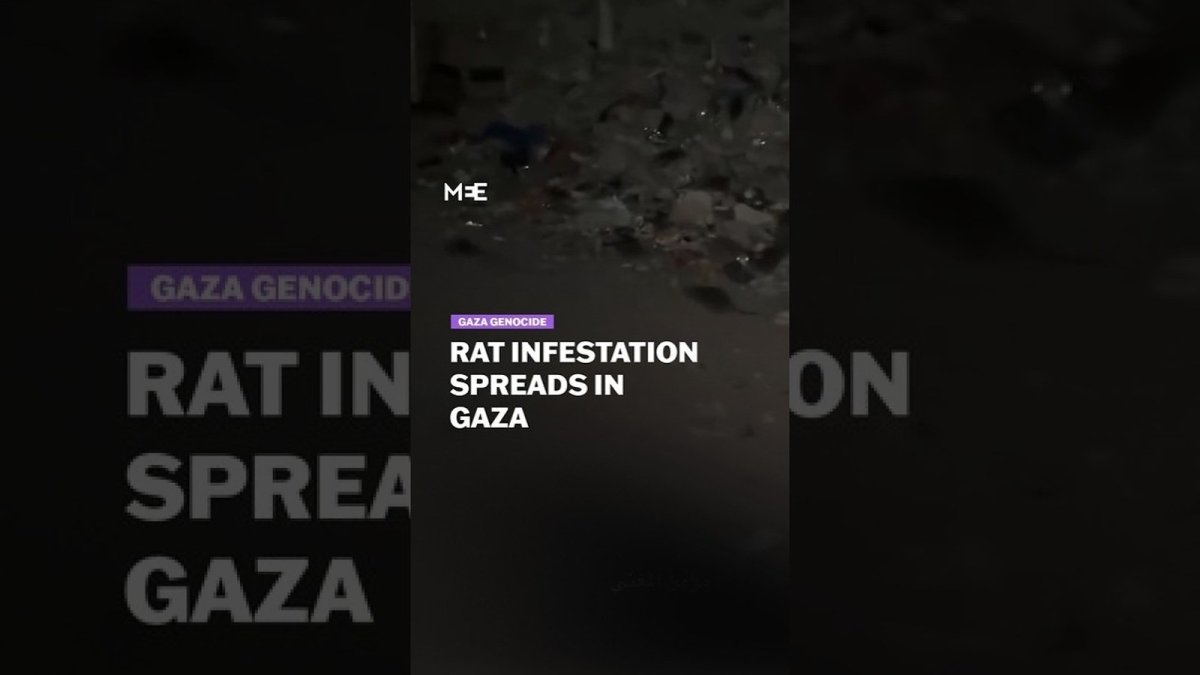
In a recent Middle East Eye video by videographer Momen al-Moghanni, rats and other rodents swarm through the rubble of destroyed homes and piles of accumulated waste across Gaza. Humanitarian organisations including UN OCHA and Save the Children have warned that severe rodent and pest infestations now affect more than 80 percent of displacement sites, placing thousands of children at immediate risk of bites and disease. Uncollected rubbish, damaged sewage systems and...
In a recent Middle East Eye video by videographer Momen al-Moghanni, rats and other rodents swarm through the rubble of destroyed homes and piles of accumulated waste across Gaza. Humanitarian organisations including UN OCHA and Save the Children have warned that severe rodent and pest infestations now affect more than 80 percent of displacement sites, placing thousands of children at immediate risk of bites and disease. Uncollected rubbish, damaged sewage systems and rising temperatures are driving the spread.
Rodent Infestations Overwhelm Gaza Displacement Sites as Health Risks Escalate
Gaza City, Gaza – 7 August 2026 — The footage captures rodents moving freely among tents and debris, underscoring warnings from aid agencies that the crisis has reached critical levels for families already living in overcrowded conditions.
Video Documents Widespread Infestation Crisis
In the Middle East Eye report, videographer Momen al-Moghanni records rats emerging from rubble and waste piles near displacement sites. UN OCHA and Save the Children state that more than 80 percent of assessed sites show frequent rodent or pest activity. Rising temperatures combined with uncollected rubbish and damaged sewage systems have accelerated the spread, leaving families with limited means to protect themselves.
Families Describe Daily Encounters With Rodents
Nahla Al-Majdob, displaced in a tent near Gaza City port, woke to her seven-year-old daughter Aya screaming after finding bite marks on the child's toe. She has woken many nights to rats near mattresses and sniffing at stored food. The family, all diabetic, remains vulnerable to infection. Nahla Al-Majdob said she now sifts flour even when rodents have touched it because discarding supplies would mean starvation. Fathi Subh, displaced at Yarmouk Stadium near a garbage dump, described the situation by saying the rats are like a storm and that he suffers from the garbage, roaches, insects and big rats. He received hospital treatment for rat bite wounds. Majd Sukar, head of the Preventive Health Department in Gaza City, said the population is suffering from two wars: the war of bombs and the war of rats.
The psychological burden on displaced families extends far beyond immediate physical threats, as parents in sites around Gaza City report lying awake through the night to monitor for rodent movement near their children, creating a cycle of exhaustion that impairs daily functioning and emotional resilience. Children internalize this environment as one of persistent danger, associating rest with vulnerability rather than safety, which compounds the trauma of prolonged displacement and erodes any remaining sense of normalcy in makeshift shelters.
Displacement itself strips away layers of personal dignity, transforming private spaces into zones where basic hygiene and food security become constant negotiations with the surroundings, prompting families to fashion rudimentary barriers from available sticks or scarce adhesive traps when commercial options remain inaccessible. For households managing diabetes, this situation carries added layers of risk, as even minor wounds demand careful monitoring that current conditions rarely support, turning routine survival into a heightened medical concern.
Nahla Al-Majdob's reflections on sifting flour despite contamination reveal the stark calculations forced upon residents, where discarding affected supplies equates to accepting starvation for her family rather than risking further exposure. Fathi Subh's experience of seeking hospital treatment for bite wounds similarly illustrates how these encounters escalate into formal medical interventions, underscoring the human cost when daily life intersects with an environment shaped by years of restricted resources and infrastructure collapse.
Scale of Crisis Affects Majority of Displacement Sites
Save the Children reported in May 2026 that plagues of rats, mice and insects have swarmed sites housing about 1.4 million people. UN OCHA assessed more than 1,600 displacement sites in mid-April and found over 80 percent reporting rodents or pests frequently visible. Children account for about 47 percent of Gaza's population, with roughly 680,000 living in affected sites. More than 70,000 cases of ectoparasitic infestations have been recorded since the beginning of 2026. Skin infections or rashes appear in nearly two-thirds of sites, lice in over 65 percent and bedbugs in more than half.
Blockade and Destroyed Infrastructure Drive Spread
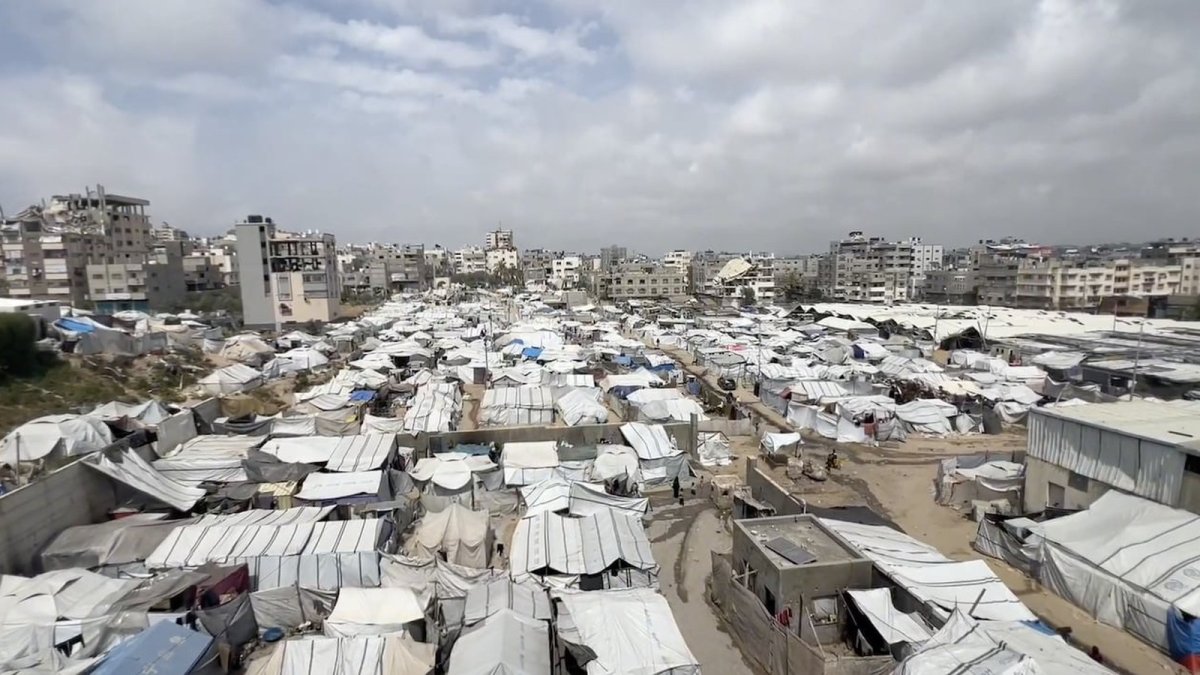
The Israeli military blockade of aid and commercial goods has prevented families from accessing pesticides, with rare market items remaining unaffordable. Residents resort to sticks or basic adhesive traps. Gaza's healthcare, water and sanitation systems have been decimated after more than two years of war. Waste accumulation continues to fuel conditions that allow rodents to thrive and spread disease.
The interplay between the ongoing blockade and environmental degradation creates feedback loops where the absence of essential supplies like pesticides leaves communities without tools to manage infestations, while destroyed water, sewage, and waste systems allow contaminants to accumulate unchecked across displacement areas. Pre-war waste management structures, though imperfect, provided some containment that current conditions have eliminated, amplifying the spread in ways that predate recent escalations but have intensified since the October 2025 ceasefire failed to reinstate reliable service restoration.
Under the Geneva Conventions, obligations fall on the occupying power to safeguard public health for the occupied population, yet the sustained restrictions on commercial and humanitarian inflows continue to hinder recovery of basic sanitation infrastructure, leaving residents to contend with conditions that international frameworks were designed to prevent. This dynamic transforms what might appear as isolated pest issues into systemic outcomes of prolonged access limitations that affect entire communities.
Health Consequences Include Multiple Diseases
Medical systems already operating under severe constraints face additional pressures from ectoparasitic conditions such as scabies and lice, alongside water- and waste-linked illnesses including diarrhoea and pneumonia, which disproportionately affect young children whose malnutrition leaves them less able to recover. Rat-associated pathogens referenced by the US CDC, including hantavirus and leptospirosis, add further complexity in settings where diagnostic and treatment capacities remain limited.
Documented outcomes include widespread scabies, pneumonia and diarrhoea linked to poor sanitation. The US CDC notes that rats can spread hantavirus, leptospirosis and rat-bite fever. Overcrowding in displacement sites and damaged water, hygiene and sanitation systems have allowed infectious diseases to remain widespread. Children face additional risks from acute malnutrition and unsafe water.
Shortages of items like insulin, noted in OCHA assessments, hinder management of non-communicable diseases that intersect with infection risks, creating gaps where cases progress without adequate intervention in facilities strained by broader destruction. The vulnerability of children under five in these overcrowded sites stems from combined nutritional deficits and exposure, placing long-term health trajectories at stake amid an inability to deliver consistent care.
This situation positions Gaza as an environmental health crisis whose effects will persist well beyond active conflict, as rubble mixed with unexploded ordnance and uncollected waste sustains pathways for disease transmission that reconstruction alone may not immediately resolve. The 67 percent acute food insecurity level, coupled with shrinking aid flows since February 2026, signals how humanitarian provisions tied to the October 2025 ceasefire have not translated into sustained access improvements, leaving populations exposed to reversing gains.
Wider barriers to humanitarian movement compound these challenges, indicating that international responses have yet to enforce the full scope of relief commitments embedded in ceasefire frameworks. On the ground, residents continue navigating these layered hardships with whatever adaptations remain possible, their daily endurance highlighting both the immediate human stakes and the need for durable measures that address root drivers of vulnerability rather than temporary fixes.
Humanitarian Response Falls Short of Ceasefire Commitments
COGAT has allowed entry of about 82 tonnes of pest control materials and more than 1,000 mousetraps in recent weeks. Save the Children has called for uninterrupted humanitarian access and stated that Israel, as occupying power, has an obligation to ensure the humanitarian needs of the occupied population are met. The organisation noted that the ceasefire plan is failing its humanitarian provisions and urged Israel to lift the siege and open all border crossings. An OCHA humanitarian situation report dated 31 July 2026 recorded that 67 percent of the population continues to face high levels of acute food insecurity, with aid coverage declining since February 2026 and risking reversal of earlier gains.
The persistence of such conditions after the October 2025 ceasefire underscores how the agreement halted large-scale military operations without addressing the underlying collapse of basic infrastructure. Displaced families remain in environments where waste accumulates and essential services stay disrupted, allowing secondary crises to emerge even as direct violence recedes. An arrangement that ends bombardment yet leaves populations exposed to preventable health threats cannot be considered a durable peace when the mechanisms for restoring daily life remain absent.
These developments also expose the limits of international engagement with Gaza. Repeated alerts from aid organizations have highlighted the risks of prolonged neglect, yet donor fatigue and competing priorities have slowed the delivery of promised support. Resources pledged in diplomatic forums often fail to translate into tangible improvements on the ground, revealing a pattern where environmental and public-health emergencies receive less sustained attention than episodes of acute conflict.
Viewed together, the sanitation breakdown illustrates how the absence of comprehensive reconstruction perpetuates vulnerability. Without coordinated efforts to rebuild water systems, waste management, and health services, the ceasefire risks becoming a pause that merely shifts the sources of harm rather than removing them. This gap between stated commitments and lived realities continues to shape the daily experience of those awaiting genuine recovery.
Long-Term Environmental Health Catastrophe Emerges
The infestation crisis forms part of a broader environmental health emergency rooted in the destruction of infrastructure and restrictions on essential supplies. Families remain crowded into roughly a third of the Gaza Strip, sheltering among destroyed buildings, rubble and accumulated solid waste. Infectious diseases and rodent-borne risks compound existing pressures from food insecurity and damaged sanitation systems, creating conditions that will require sustained intervention beyond immediate pest control measures.
By Fatima Al-Rashid, Staff Writer
This article was produced with AI-assisted research and editorial support. Reporting is based on sources cited in the article.
What's Your Reaction?
 Like
0
Like
0
 Dislike
0
Dislike
0
 Love
0
Love
0
 Funny
0
Funny
0
 Wow
0
Wow
0
 Sad
0
Sad
0
 Angry
0
Angry
0

Gulf/MENA Correspondent at Global1.News. Based in Doha, covering Gulf politics, energy markets, diplomacy, and development across the Middle East and North Africa. Tracks the economic transformation of the Gulf states.












Comments (0)