
DOJ Reviews US Extradition Request for Quiboloy: Filing Before RTC Could Come Within Months
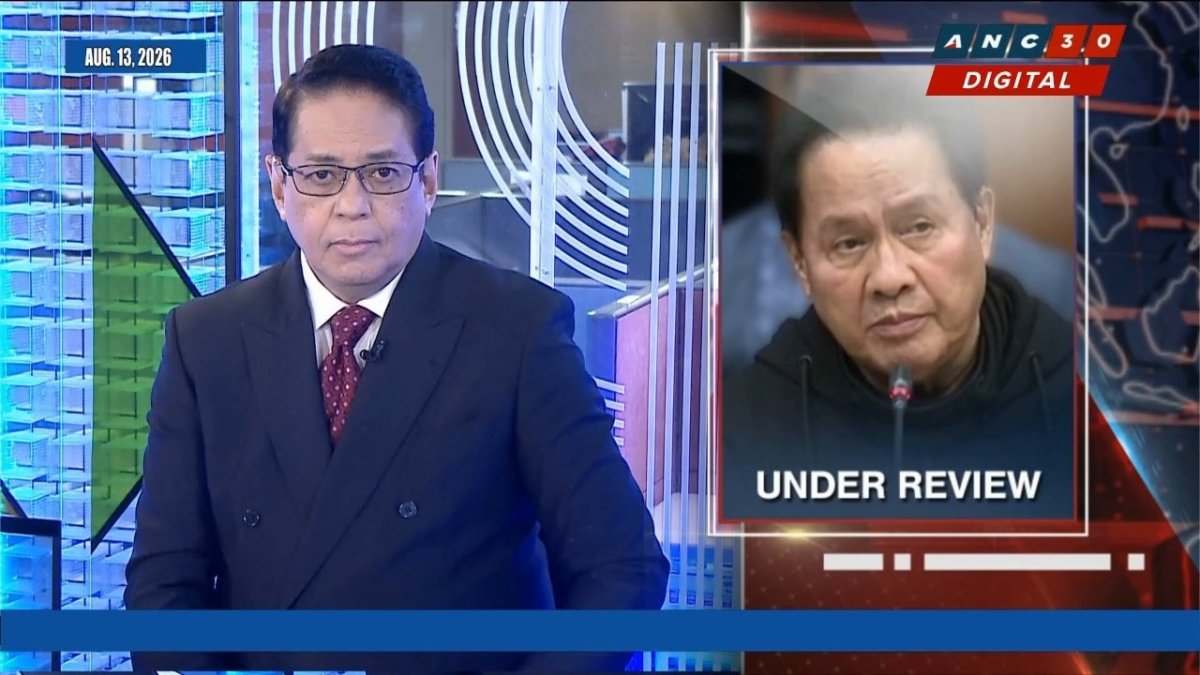
In a recent ANC 24/7 report, the Philippine Department of Justice (DOJ) confirmed it has formally received the United States' extradition request for detained televangelist Apollo Quiboloy, founder of the Kingdom of Jesus Christ (KOJC).
In a recent ANC 24/7 report, the Philippine Department of Justice (DOJ) confirmed it has formally received the United States' extradition request for detained televangelist Apollo Quiboloy, founder of the Kingdom of Jesus Christ (KOJC). The development marks a critical juncture in a case that has gripped the nation, raising profound questions about accountability, faith, and the rule of law for millions of Filipinos watching from their living rooms in Manila, Cebu, and Davao.
DOJ REVIEWS US EXTRADITION REQUEST FOR QUIBOLOY, FILING BEFORE RTC LIKELY WITHIN MONTHS
Manila, Philippines — this week — The Department of Justice is now meticulously sifting through voluminous documents from Washington, a process that Chief State Counsel Dennis Arvin Chan says could conclude in a matter of months, not years. The review centers on whether the case against Apollo Quiboloy meets the stringent requirements of the Philippine-US Extradition Treaty and the country's Extradition Law, a decision that will ultimately land on the desk of President Ferdinand Marcos Jr.
The Story: What the DOJ Is Doing Right Now
Chief State Counsel Dennis Arvin Chan confirmed this week that the DOJ has received the extradition request for Quiboloy and two other respondents, transmitted through the Department of Foreign Affairs (DFA). The documents are extensive — roughly six batches per respondent — and each page must be examined for compliance with both the treaty and local law. "We have to go through each of that," Chan told reporters, emphasizing the meticulous nature of the review.
Chan declined to commit to a fixed timetable, but he acknowledged the intense public interest surrounding the case. "We are hoping that once filed, it will not take years. Siguro mga buwan lang ang tinitingnan natin dito" (probably just months), he said. The DOJ's review process involves verifying five critical elements: that the person sought is indeed the same individual in Philippine custody; that the offenses satisfy the principle of dual criminality; that the crimes carry the required penalties under Philippine extradition rules; that the offenses have not prescribed under US law; and that Quiboloy would not face the death penalty if extradited.
If all requirements are met, the DOJ will file an extradition petition before a Regional Trial Court (RTC), which will then conduct its own hearing. This is not a rubber-stamp process — the RTC will evaluate the evidence and determine whether the extradition is legally justified. The entire procedure is now governed by the Supreme Court's newly approved Rules on Extradition Proceedings, which took effect on Nov. 10, 2025.
Philippine Context: Treaty Obligations and New Supreme Court Rules
The Philippine-US Extradition Treaty, signed in 1994 and in force since 1996, is facing one of its most high-profile tests in recent memory in the Quiboloy case. The Supreme Court En Banc approved the Rules on Extradition Proceedings in a resolution dated April 8, 2025, laying down a uniform framework that includes provisions for arrest warrants, hold departure orders, and bail. These rules streamline what was previously a patchwork of procedures, giving both the DOJ and the courts clear guidance.
Dual criminality is a cornerstone of the review. The US charges against Quiboloy include sex trafficking by force, fraud, and coercion; sex trafficking of children; bulk cash smuggling; fraud; and money laundering. Under Philippine law, these offenses have clear counterparts — qualified human trafficking, sexual abuse, and child abuse, among others. The Pasig RTC is already hearing the qualified human trafficking case, while the Quezon City RTC is handling sexual abuse and child abuse charges. The overlap between the local and international cases adds layers of complexity to the DOJ's review.
Legal experts note that the Philippines has a strong record of honoring its extradition treaty obligations, but each case is decided on its own merits. The DOJ's careful approach reflects the gravity of the decision — extraditing a Filipino citizen to face trial in a foreign court is a significant exercise of state power, one that must balance international commitments with the rights of the accused.
Impact on Filipinos: Faith, Justice, and the Rule of Law
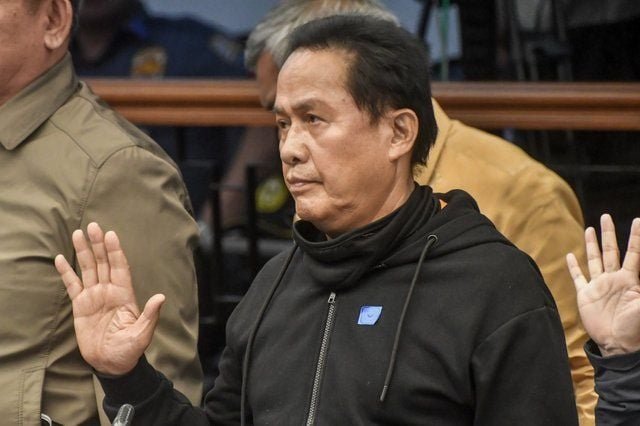
For the millions of followers of KOJC, this development is deeply personal. Many of them view Quiboloy as a spiritual leader, the self-proclaimed "Appointed Son of God," and have stood by him since his arrest in September 2024 at the KOJC compound in Davao City after an extended police operation that played out on national television. The case has divided public opinion between those who see him as a victim of persecution and those who see him as a predator finally facing justice. Since his arrest, Quiboloy has been detained at the PNP Custodial Center in Camp Crame while his Philippine cases wind through the courts.
The case also resonates with survivors and advocates who have long called for accountability. The US federal grand jury indictment in California in November 2021 alleged a systematic pattern of abuse, including the trafficking of women and children for sexual purposes. For these survivors, the extradition process represents a chance for justice that may not be fully achievable in the Philippine courts, where the legal proceedings have been slow and contentious.
Beyond the individuals directly involved, the Quiboloy case has become a referendum on the rule of law in the Philippines. Can a powerful figure with deep political connections — Quiboloy was a longtime ally of former President Rodrigo Duterte — be held accountable under the law? The DOJ's handling of this case, and the Marcos administration's ultimate decision, will send a powerful signal about whether justice is truly blind in the country.
Reactions and Responses: Malacañang, Lawmakers, and Advocates Weigh In
Malacañang has been measured in its response. Palace Press Officer Claire Castro said the DOJ will evaluate the request on its merits, and President Marcos Jr. is expected to make a decision within a couple of weeks. Two options are reportedly under discussion: Quiboloy remains in the Philippines while his local cases proceed, or the local cases are put on hold to allow for extradition. The choice carries significant legal and political implications.
Lawmakers in Manila have reacted cautiously, mindful of both the country's treaty obligations and the sensitivities of a case involving a religious leader with a vast following. Philippine Ambassador to the United States Jose Manuel "Babe" Romualdez has been coordinating with Washington since the US formally transmitted the request, which was routed to the DOJ through the Department of Foreign Affairs. The Senate's earlier clash with Quiboloy — he was ordered arrested for contempt in March 2024 after repeatedly refusing to attend hearings on alleged abuses — remains a backdrop to the current deliberations.
The case has also drawn intense attention from victims' advocates in both countries. The US indictment — returned by a federal grand jury in California in November 2021 — alleged a systematic pattern of abuse involving women and children, some as young as 12, trafficked for sexual purposes. Quiboloy has denied wrongdoing, and his lawyers have described the charges as politically motivated. KOJC supporters, for their part, have insisted the extradition request is an overreach of US jurisdiction over a Filipino citizen.
What to Watch For: Marcos Decision, RTC Petition, and the Road Ahead
The next few weeks will be pivotal. President Marcos Jr.'s decision on whether to allow the extradition to proceed will set the tone for the entire process. If he green-lights the request, the DOJ will file the petition before a Regional Trial Court, where the case will be heard. The court will then determine whether the legal requirements for extradition have been met, a process that could take several months given the volume of evidence.
The timeline is uncertain, but Chan's estimate of "months, not years" offers a glimmer of hope for those who have grown weary of the delays. The Supreme Court's new rules on extradition proceedings should help expedite the process, providing clear guidelines for the courts to follow. However, legal challenges are almost certain — Quiboloy's defense team has already signaled it will fight the extradition every step of the way.
There is also the question of how the local cases will interact with the extradition proceedings. If Quiboloy is extradited, his Philippine cases would presumably be put on hold, raising concerns among victims who fear the process could drag on indefinitely. Conversely, if he remains in the Philippines, the US charges would remain pending, creating a legal limbo that benefits no one.
The Bigger Picture: US-Philippines Relations and the Fight Against Impunity
The Quiboloy case is not just about one man — it is a test of the Philippines' commitment to international justice and its relationship with the United States. The US has been a key ally and partner, and the extradition request is a formal diplomatic act that carries weight beyond the courtroom. How the Philippines handles this request will be closely watched in Washington, where Quiboloy's name has been on the FBI's Most Wanted list since his indictment.
For ordinary Filipinos, the case touches on deeper anxieties about power, accountability, and the integrity of institutions. Can a man who once seemed untouchable — a spiritual leader with political connections and a vast following — be held to account? The answer will shape public trust in the justice system for years to come.
The DOJ's careful review is a reminder that the rule of law is not about speed but about fairness. Every document must be examined, every legal requirement must be met, and every right of the accused must be respected. At the same time, the victims and survivors deserve a resolution that acknowledges their suffering and delivers justice.
As the nation watches, the Quiboloy case has become a mirror reflecting the Philippines' aspirations and its struggles. It is a story of faith and betrayal, of power and accountability, of justice delayed and the hope that it will not be denied. The DOJ's review is a step forward, but the road ahead remains long and uncertain. For the survivors, for the followers, and for the millions of Filipinos who believe in the promise of justice, the coming months will be decisive.
By Bella Reyes, Staff Writer
This article was produced with AI-assisted research and editorial support. Reporting is based on sources cited in the article.
What's Your Reaction?
 Like
0
Like
0
 Dislike
0
Dislike
0
 Love
0
Love
0
 Funny
0
Funny
0
 Wow
0
Wow
0
 Sad
0
Sad
0
 Angry
0
Angry
0

Philippines/Southeast Asia Correspondent at Global1.News. Manila-based journalist covering Philippine politics, environment, maritime security, and social issues. Passionate about marine conservation and the communities protecting the Philippines' natural heritage.













Comments (0)