
3 Palestinians injured by Israeli army fire in southern Gaza despite ceasefire
Three Palestinians were injured on Saturday by Israeli army fire in Khan Younis in the southern Gaza Strip, according to the official Palestinian news agency Wafa. Local sources cited by Wafa said Israeli forces opened fire on a gathering of Palestinians north of the city, wounding three people. The shooting came despite the ceasefire agreement that took effect in October 2025, and was the latest in a series of violations that have hollowed out the truce since the day it was signed.
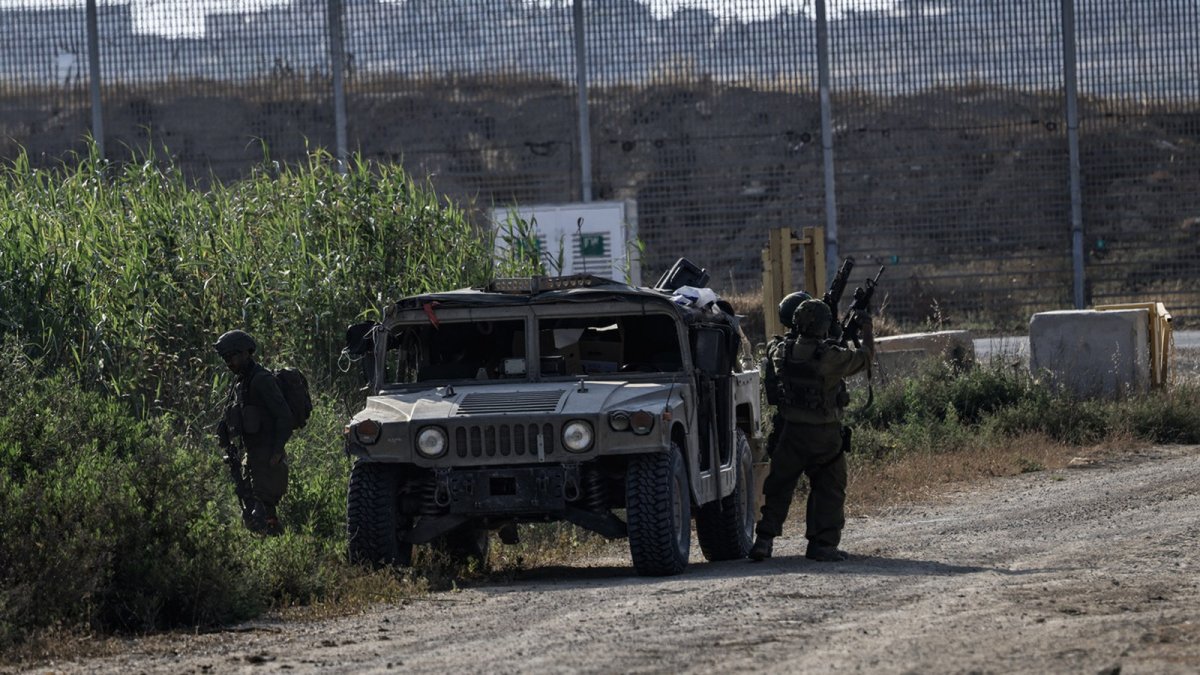
Three Palestinians were injured on Saturday by Israeli army fire in Khan Younis in the southern Gaza Strip, according to the official Palestinian news agency Wafa. Local sources cited by Wafa said Israeli forces opened fire on a gathering of Palestinians north of the city, wounding three people. The shooting came despite the ceasefire agreement that took effect in October 2025, and was the latest in a series of violations that have hollowed out the truce since the day it was signed.
Details of the Khan Younis Shooting
Wafa reported that the shooting targeted civilians gathered north of Khan Younis, and that the three injured individuals required medical attention following the attack. Anadolu Agency correspondent Rania Abushamala corroborated the account of gunfire directed at the gathering in a report published on Saturday.
Residents in the area described the sudden outbreak of shooting as a direct threat to daily movement and safety in southern Gaza. The event added to ongoing concerns about civilian exposure to military fire in populated zones, where tens of thousands of displaced families remain sheltering in tents, schools and unfinished buildings.
Extensive Demolition Operations
Israeli forces have carried out extensive demolition operations south of Khan Younis since Saturday morning, according to local sources cited by Wafa. The operations involved heavy machinery and repeated movements of military vehicles in the area, with homes and agricultural land reportedly affected.
Such activity has disrupted access to land and structures for families already living under conditions of displacement. The operations continued into the weekend without interruption from the ceasefire terms, underlining how the truce has failed to protect property and livelihoods in the enclave's southern governorate.
Military Movements Near Wadi Gaza Bridge
Israeli military vehicles continued firing east of Salah al-Din Street near the Wadi Gaza Bridge in the central enclave. Wafa documented sustained gunfire from these positions throughout the day, forcing residents of nearby communities to shelter indoors.
Communities living near the bridge reported restricted movement and heightened tension due to the persistent presence of armored vehicles. The firing occurred in areas previously affected by earlier phases of conflict, where families have only recently begun attempting to return to damaged homes.
Ceasefire Violations Since October 2025
The attacks came in violation of the truce that took effect in October 2025 after a Hamas-Israel agreement. Israeli forces withdrew from parts of Gaza around October 10, 2025, yet violations including artillery strikes, tank fire and ground incursions have continued across eastern, northern and southern Gaza.
Wafa has recorded multiple instances of artillery shelling and gunfire targeting areas in Gaza City, the central Gaza Strip and Khan Younis governorates. In a separate report earlier this month, the agency said Israeli occupation forces had continued such attacks since the morning, describing a pattern of near-daily incidents that have prevented any full restoration of normal civilian life.
The gap between the ceasefire's promise and its reality on the ground has widened steadily. In the truce's early days, aid trucks drove through Khan Younis market and families began returning to neighborhoods emptied by more than two years of war, days after Hamas freed the last living Israeli hostages under the deal. Local accounts from Khan Younis and areas near Wadi Gaza Bridge now show how sustained gunfire and military vehicle movements continued without interruption from the agreement's terms, leaving residents facing repeated threats during daily movement and attempts to access land.
Current Occupation and Reported Casualties
The Israeli army currently occupies around 70 percent of the Gaza Strip following a genocidal war that has killed more than 73,000 Palestinians and injured over 174,000 since October 2023, according to Palestinian figures. Updated counts after the most recent incidents were not immediately available.
Palestinian families across the strip continue to face the consequences of this territorial control, with limited access to former homes and agricultural lands. Demolition operations south of Khan Younis using heavy machinery have disrupted connections to homes and farming areas, compounding the effects of earlier displacement and limiting opportunities for reconstruction in neighborhoods already strained by conflict.
The human toll of continued violations has been documented beyond official statistics. Al Jazeera's weekly Palestine roundup reported that Israeli strikes killed dozens of Palestinians in Gaza in the days after a separate Hamas disarmament arrangement, including one-year-old Zaid Nofal, killed when a strike hit his family's home in the Bureij refugee camp. In Khan Younis itself, an Israeli drone strike on a tent killed eight-year-old Ratil Abdullah and 20-year-old Abdullah al-Balawi, according to Gaza-based reporting. Each incident adds to the wider displacement crisis, with hundreds of thousands of Palestinians still unable to return to homes that no longer exist or lie inside the roughly 70 percent of the strip under Israeli control. The Israeli military did not immediately comment on Saturday's reported shooting in Khan Younis.
Statements from Medical and Aid Organizations
Doctors Without Borders (MSF) has offered one of the starkest assessments of the current phase of the war. "This is not a ceasefire," the medical charity said in a statement. "It is a continuation of the genocide, calibrated to be violent enough to keep Palestinians suffering every day, yet silent enough to avoid stirring international outrage."
The United Nations reported a 33 percent increase in aid supplies entering Gaza, though major restrictions remain in place and full delivery to those in need is still blocked. Hamas has called for international pressure on Israel to abide by the ceasefire terms, while the office of the UN special coordinator has urged restraint as violations continue across multiple regions.
These responses highlight the gap between reported aid gains and the reality of restricted access that leaves medical and recovery needs unmet in affected communities. Medical teams in southern Gaza continue to treat patients wounded in incidents such as Saturday's shooting even as the supplies needed for surgery and post-operative care remain difficult to secure.
Impact on Civilian Life and Regional Context
Local sources in Khan Younis described how demolition work and gunfire have compounded challenges for residents attempting to rebuild basic infrastructure. The combination of military operations limits opportunities for safe return or reconstruction in affected neighborhoods, where families weigh the risk of further attacks against the impossibility of life in overcrowded tent camps.
These developments connect directly to broader patterns of displacement and economic strain in southern Gaza, where communities rely on stable access to land and services that remain under threat from ongoing incursions. Reconstruction, which was meant to follow the truce, remains largely stalled: heavy machinery is more often seen carrying out demolitions than clearing rubble, and families who returned to destroyed neighborhoods describe living among the ruins while repairs are impossible under the threat of further military operations.
For Palestinians, the October 2025 ceasefire was meant to mark the beginning of recovery — the return of displaced families, the reopening of roads, the flow of construction materials. More than nine months on, the daily reality is one of continued exposure to fire, demolition and occupation. Saturday's shooting in Khan Younis is the latest reminder that a ceasefire in name has yet to deliver safety in practice, and that the people of Gaza continue to pay the price of a truce that neither side has fully honored.
SUMMARY: Three Palestinians were injured by Israeli fire in Khan Younis on Saturday amid continued ceasefire violations, demolition operations and occupation of 70 percent of Gaza. Wafa, Anadolu, MSF and UN reports detail persistent attacks and aid restrictions since the October 2025 agreement. By Fatima Al-Rashid, Staff WriterThis article was produced with AI-assisted research and editorial support. Reporting is based on sources cited in the article.
What's Your Reaction?
 Like
0
Like
0
 Dislike
0
Dislike
0
 Love
0
Love
0
 Funny
0
Funny
0
 Wow
0
Wow
0
 Sad
0
Sad
0
 Angry
0
Angry
0
Gulf/MENA Correspondent at Global1.News. Based in Doha, covering Gulf politics, energy markets, diplomacy, and development across the Middle East and North Africa. Tracks the economic transformation of the Gulf states.












Comments (0)