
Pakistan, Turkey, Saudi Near Trilateral Defense Pact as Leaders Perform Umrah in Mecca
Pakistan's PM Shehbaz Sharif and Field Marshal Asim Munir perform Umrah in Mecca as Turkey, Saudi Arabia and Pakistan prepare to sign a trilateral defense pact in Jeddah — a strategic realignment unfolding amid the US-Iran war and Hormuz tensions.
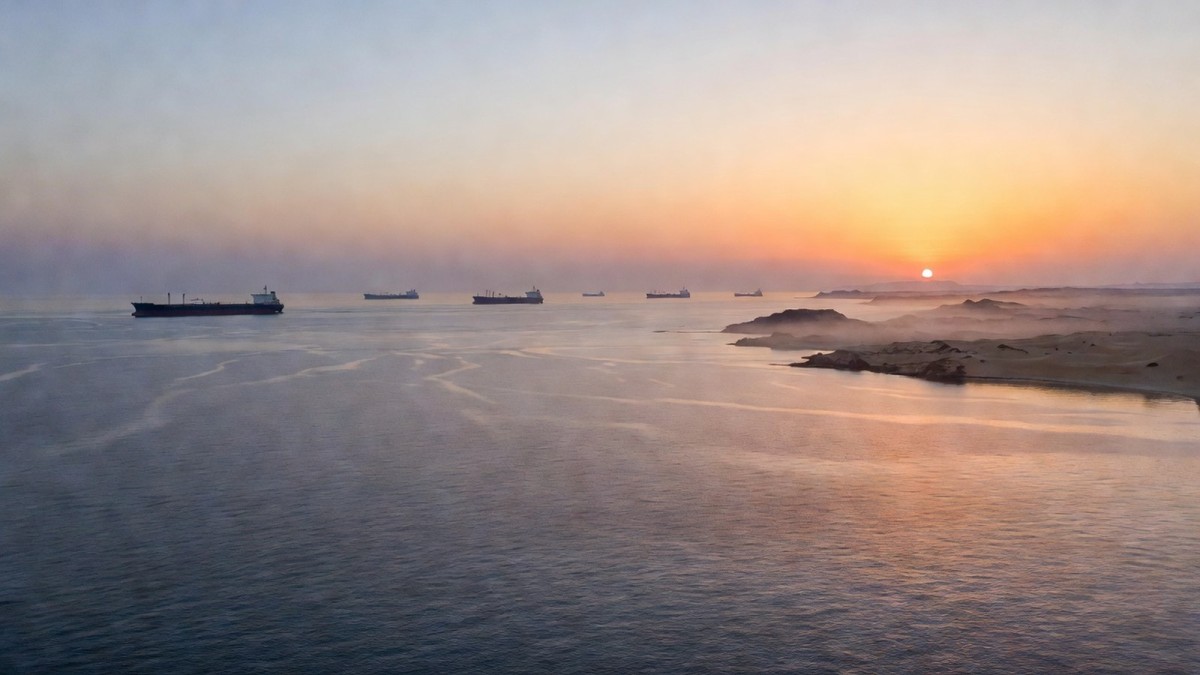
Pakistan’s outreach to Saudi Arabia occurs against the backdrop of the US-Iran war, restricted shipping in the Strait of Hormuz and efforts by Gulf states to secure energy routes and defense partnerships. The visit by Prime Minister Shehbaz Sharif and Field Marshal Asim Munir underscores Pakistan’s role as a facilitator between Tehran and Washington while seeking economic relief and security guarantees. Regional powers are recalibrating alliances as Sunni-majority states weigh nuclear deterrence options and defense industry cooperation.
Pakistan-Saudi Arabia Ties Advance as Trilateral Defense Pact with Turkey Nears
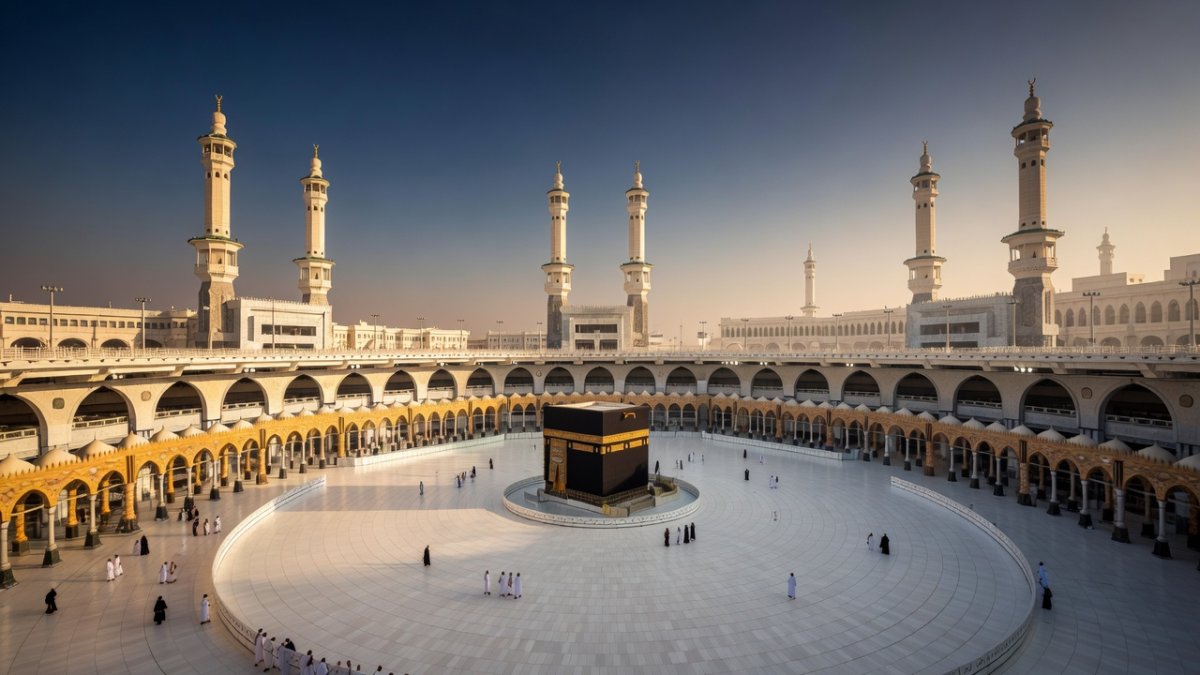
Mecca, Saudi Arabia – August 7, 2026 — Pakistan’s Prime Minister Shehbaz Sharif and Army Chief Field Marshal Asim Munir performed Umrah at the Masjid al-Haram alongside Deputy Prime Minister and Foreign Minister Ishaq Dar during a three-day official visit to Saudi Arabia. The delegation arrived on August 6 at the invitation of Crown Prince Mohammed bin Salman. Pakistan’s Ministry of Foreign Affairs confirmed the visit would run from August 6 to 8, 2026. This marks Sharif’s third visit to the Kingdom this year. Ishaq Dar joined the group after attending the Ministerial Meeting on Jerusalem in Amman on August 5, hosted by Jordanian Foreign Minister Ayman Safadi.
Geopolitical Context
The Umrah visit coincides with preparations for a trilateral defense agreement among Turkey, Saudi Arabia and Pakistan expected to be signed in Jeddah on August 7. Turkish President Recep Tayyip Erdogan is scheduled to arrive in Saudi Arabia for the summit. Reuters and AFP both reported the expected signing, citing regional sources and sources close to the Saudi military and government. The pact emerges while the US-Iran war continues, with Iran threatening to disrupt Gulf shipping and restricting passage through the Strait of Hormuz. Iran has warned it could “black out” the Gulf if its power plants are hit. Pakistan has been facilitating talks between Iran and the United States, including reported Iran-Oman discussions on a potential 60-day reopening of the strait. These developments place the Mecca pilgrimage in a broader context of energy security and alliance-building across the Gulf. The timing reflects how Sunni-majority states are responding to shifting power balances amid ongoing conflict between Washington and Tehran.
Historical Background
Pakistan and Saudi Arabia signed a Strategic Mutual Defence Agreement in 2025 that became operational in early 2026. Pakistan remains the only Muslim-majority nuclear-armed state. Field Marshal Asim Munir received his promotion in May 2025 following Pakistan’s Operation Bunyan-un-Marsoos in the 2025 India-Pakistan conflict. The operation, launched on May 10, 2025, is now commemorated as Youm-e-Marka-e-Haq. This marked the first such elevation to Field Marshal in nearly 60 years. A 2.7 million-strong Pakistani diaspora in Saudi Arabia provides the largest source of remittances for Islamabad, strengthening economic interdependence between the two countries. These longstanding ties form the foundation for deeper security cooperation. The 2025 agreement already established mechanisms for joint training and intelligence sharing that the new trilateral framework seeks to expand.
The decades-long strategic relationship between Pakistan and Saudi Arabia has encompassed defense cooperation since the 1960s, with Pakistani military personnel deployed in the Kingdom for training and advisory roles. Successive Saudi financial support packages have provided critical balance-of-payments assistance during Islamabad’s economic crises, while the 2.7 million-strong Pakistani diaspora generates steady remittance flows that function as a structural economic lifeline. The 2025 Strategic Mutual Defence Agreement formalized arrangements that previously operated through quiet, informal channels, institutionalizing joint mechanisms that now underpin the emerging trilateral framework.
The decision by both Prime Minister Shehbaz Sharif and Field Marshal Asim Munir to perform Umrah together carries notable symbolism. In a country where civil-military relations have historically been fraught with tension and periodic interventions, this public display of unity projects a coordinated national posture to regional partners. It signals internal cohesion at a moment when Pakistan seeks to leverage its position as facilitator and security provider within Gulf security calculations.
The Trilateral Defense Framework
The proposed agreement aims to create a unified security architecture drawing on Saudi financial resources, Turkish defense technology and Pakistani military experience. CNN-News18 described it as a “historic trilateral defence agreement aimed at establishing a unified security architecture.” Firstpost noted the alliance builds on “Saudi wealth, Turkish military technology, and Pakistani nuclear capabilities and battle-tested military.” If signed, the pact would build on the existing Pakistan-Saudi defense arrangement and expand cooperation in training, equipment and joint planning. Turkish defense industry ambitions include drones, naval programs and broader industrial cooperation involving logistics, intelligence sharing and procurement. Regional analysts describe the framework as an effort to pool complementary strengths among the three nations. The Week reported that New Delhi is watching the developments closely, with some observers framing the arrangement as an “Islamic NATO.”
A unified security architecture would likely encompass joint military exercises, structured intelligence sharing, defense industrial cooperation, and streamlined pathways for training, logistics, and procurement. Turkish priorities emphasize expanding drone and naval programs, Saudi financing would underwrite equipment acquisitions, and Pakistani manpower would supply battle-tested operational experience. These elements aim to create complementary capabilities that extend beyond bilateral arrangements already in place.
Pakistan’s status as the sole nuclear-armed Muslim state introduces a deterrence dimension that Riyadh has pursued for decades through various security guarantees. This aspect raises sensitivities in Washington and Tel Aviv regarding proliferation risks and regional stability. Details of the proposed agreement remain unconfirmed, and its precise scope has not been officially published, leaving room for varied interpretations of its operational reach.
Strategic Calculus
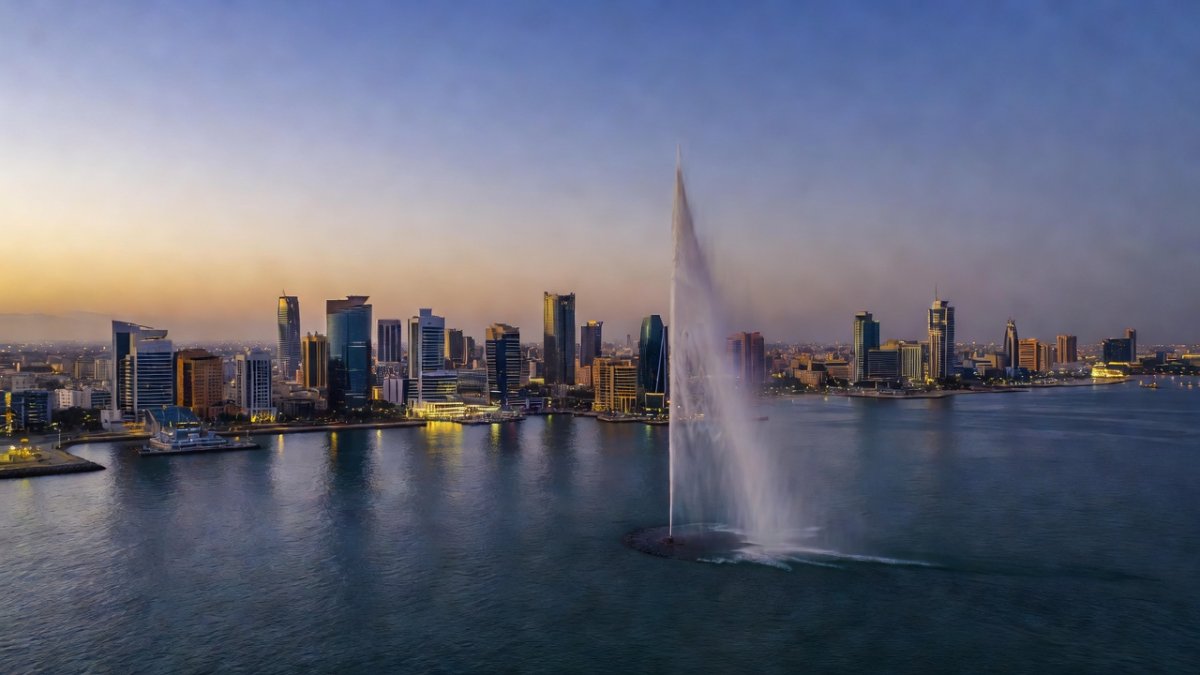
Pakistan seeks increased Saudi financing and approval of a deferred oil facility to ease its economic pressures. Umer Karim, associate fellow at the King Faisal Centre for Research and Islamic Studies, told Al Jazeera that Pakistan is struggling economically and wants Saudi Arabia to increase financing while also approving the deferred oil facility. Saudi Arabia gains additional defense depth and potential nuclear deterrence options through closer ties with the region’s sole nuclear power. Turkey aims to expand defense exports and diplomatic influence across the Gulf while diversifying its strategic partnerships beyond NATO frameworks. Each participant brings distinct leverage: Pakistan contributes battle-tested forces and nuclear capabilities, Saudi Arabia supplies capital and strategic location, and Turkey offers advanced military technology. These calculations explain why the three capitals view the Jeddah summit as a pivotal moment for reshaping regional security.
For Pakistan, deeper institutional ties with Saudi Arabia would strengthen its diplomatic standing in the Gulf and enhance leverage with the IMF and other financiers by demonstrating reliable regional partnerships. Saudi Arabia gains a formal channel to diversify its security dependence away from the United States during a period of war fatigue with Iran, incorporating nuclear-capable and drone-producing partners. Turkey advances its defense export objectives while cultivating an image as a patron within the broader Islamic world.
Economic considerations remain central. Pakistan’s foreign exchange reserves continue under pressure, and approval of a deferred oil facility would materially ease its import bill. These second-order effects illustrate how the trilateral arrangement serves immediate fiscal needs alongside longer-term strategic positioning for all three capitals.
Regional Dynamics
The US-Iran conflict has heightened concerns over energy security and shipping lanes. Gulf states are monitoring the trilateral talks for implications on collective defense. India is watching developments closely, while some observers have labeled the emerging arrangement an “Islamic NATO.” Pakistan’s facilitation role between Washington and Tehran adds another layer to its regional positioning. The 2.7 million Pakistani workers in Saudi Arabia represent both an economic lifeline and a human bridge that reinforces bilateral trust. Iran’s restrictions on the Strait of Hormuz directly affect energy markets that Saudi Arabia and other Gulf states depend upon. Turkey’s participation signals Ankara’s desire to project power beyond its immediate neighborhood through defense-industrial partnerships. These overlapping interests create a complex web of incentives that could either stabilize or intensify existing rivalries.
In New Delhi, the pact is viewed with concern as a potential Islamic-world security bloc, particularly following the 2025 India-Pakistan conflict. Tehran perceives a Sunni-majority architecture forming along its western flank while it engages in sensitive negotiations with Washington over Hormuz access. Washington monitors whether the arrangement will complement or complicate its ongoing brokering efforts between the two sides.
Other Gulf monarchies, including the UAE, Qatar, and Kuwait, are assessing whether this trilateral grouping could emerge as a new pole that reshapes existing security alignments. Their reactions will depend on how the framework addresses collective defense needs without exacerbating intra-Gulf rivalries or drawing external powers deeper into regional disputes.
Regional Implications
If implemented, the trilateral framework could alter alliance patterns and defense procurement across West Asia. Energy markets remain sensitive to any escalation involving the Strait of Hormuz. The evolving partnerships may influence Arab-Israeli normalization efforts and great-power competition in the region, with second-order effects on Sunni-Shia dynamics and Gulf diversification strategies. Continued dialogue between Iran and the United States will shape whether these security arrangements stabilize or further polarize the Middle East. Saudi Arabia’s hosting of the summit underscores its ambition to lead new security architectures while managing relations with both Western and regional partners. The outcome in Jeddah will likely influence how other states recalibrate their own defense postures in response to the shifting landscape.
Energy markets remain sensitive to any linkage between the Hormuz reopening discussions and the new security structures. A successful strait deal could stabilize prices, yet the trilateral framework risks deepening sectarian polarization if perceived primarily as an anti-Iranian instrument. Such perceptions could harden positions in Tehran and affect broader Sunni-Shia dynamics across the region.
Even if signed, the pact faces significant implementation hurdles. Its real test lies in whether participating states alter behavior during a crisis, particularly when energy routes or deterrence thresholds are directly challenged. Cautious observers note that formal agreements alone do not guarantee operational cohesion under pressure.
By Malik Hassan, Staff WriterThis article was produced with AI-assisted research and editorial support. Reporting is based on sources cited in the article.
What's Your Reaction?
 Like
0
Like
0
 Dislike
0
Dislike
0
 Love
0
Love
0
 Funny
0
Funny
0
 Wow
0
Wow
0
 Sad
0
Sad
0
 Angry
0
Angry
0
Middle East Correspondent at Global1.News. Based in Beirut, covering politics, conflict, energy, and society across the Middle East. Brings context and depth to a region often reduced to headlines.










Comments (0)