
US government warns of ‘ongoing cyber threat’ amid mass hacks of industrial retail and military freezers
The U.S. government just sounded the alarm on a threat that most of us in the hosting trenches have been whispering about for years: internet‑connected refrigeration gear is now a front‑line attack surface.
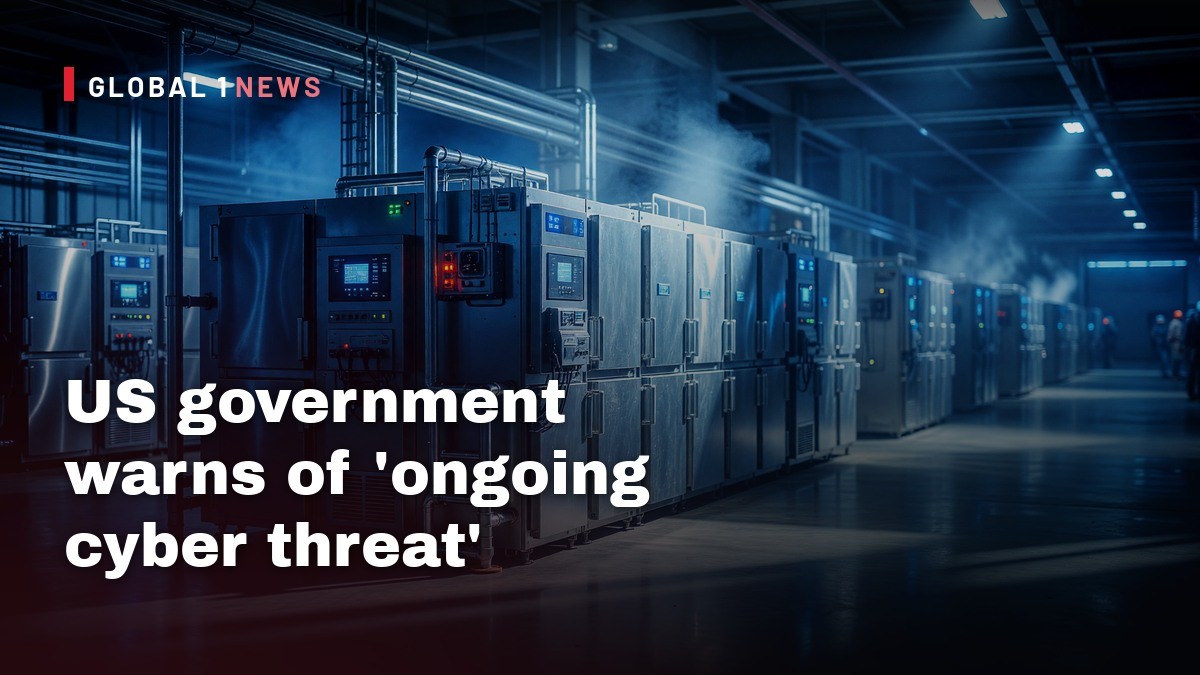
The U.S. government just sounded the alarm on a threat that most of us in the hosting trenches have been whispering about for years: internet‑connected refrigeration gear is now a front‑line attack surface. CISA, the FBI and a slew of other agencies put out a joint statement warning that hackers are tampering with freezers and chillers in supermarkets, cold‑storage warehouses, military sites and even a French blood bank. The fallout? Spoiled food, ruined inventory, potential fire hazards and, in the case of blood supplies, a direct threat to public health. For anyone running on‑prem or edge infrastructure, the message is crystal clear – any device that talks to the internet can become a weapon.
Why the chill is getting hotter
The warning follows a series of attacks that have rippled across the United Kingdom and Europe. In at least a dozen countries, hackers were able to crank up temperatures on industrial refrigeration units, destroying produce and forcing businesses to write off spoiled stock. The attacks targeted remote‑controlled units made by a Danish firm that had stopped pushing security updates, leaving a massive fleet of legacy gear wide open.
What’s striking is the breadth of the impact. The same tactics were used against a French blood bank, where temperature spikes were halted just in time, and U.S. military freezers are now under investigation. The pattern shows a clear playbook: find a connected appliance, exploit the lack of patches, and push the temperature up or force continuous defrost cycles to wreak havoc.
The anatomy of the attack
According to the joint statement, the threat actors can “change the temperature and possibly cause physical impacts such as fire hazards, loss of inventory and changes to the service life of the system.” In practice, that means a hacker who gains a foothold in a refrigeration controller can issue commands that force heating elements to run, or trigger endless defrost cycles that burn out compressors. The result is not just spoiled goods; it can be a safety issue, especially in environments like hospitals or military depots where temperature stability is mission‑critical.
The agencies also warned that the attackers may try to “force units into continuous heating and defrost cycles, which can cause widespread inventory loss and equipment hazards.” That line of attack is low‑tech but high‑impact – it doesn’t require a zero‑day exploit, just a default password or an unpatched firmware version. The fact that Danfoss units were still in use despite the vendor halting updates underscores a systemic failure to retire legacy gear.
What this means for independent hosting providers
From a founder’s perspective, the lesson is brutal but simple: any IoT device you expose to the internet is a liability. We’ve seen similar fallout with compromised HVAC systems and unsecured cameras; now refrigeration joins the party. If you’re running edge nodes in a warehouse, a data‑center with on‑site cold storage, or even a SaaS platform that monitors client equipment, you need to treat these endpoints with the same rigor you give your servers.
In my own shop, we’ve had to strip out remote‑control modules from legacy chillers and replace them with VPN‑isolated management consoles. The cost of retrofitting is non‑trivial, but the alternative – a sudden loss of inventory or a fire that takes down a rack – is far more expensive. The joint statement’s call to “remove remote control systems from the internet, change and strengthen passwords, apply patches where possible, and retire equipment that’s no longer supported” is exactly the checklist we live by.
The hyperscaler blind spot
Big cloud providers love to tout “managed IoT” services, but they rarely own the hardware you’re talking about. The attacks described in the statement hit equipment that sits on the edge, outside the cloud’s perimeter. That’s a gap hyperscalers can’t fill with a simple API. They can offer monitoring, but they can’t patch a Danfoss controller that stopped receiving firmware updates three years ago.
This is why the VC‑fueled hype around “plug‑and‑play” IoT platforms often collapses in production. You can spin up a dashboard in minutes, but when the underlying device is obsolete, the platform becomes a glorified button that does nothing. The reality on the ground is that you need a hardware lifecycle strategy, not just a cloud subscription.
Practical steps to harden your cold chain
First, audit every refrigeration unit that talks to a network. Identify which ones are still on vendor‑supported firmware and which are legacy. For the latter, either isolate them behind a dedicated VLAN with no internet egress or replace them outright. Second, enforce strong, unique passwords on any remote‑access interface – the default credentials that many of these units ship with are a free ticket for attackers.
Third, apply patches wherever you can. The joint statement urges “apply patches where possible,” and that’s not optional. Even a single firmware update can close the remote‑code‑execution vector that many of these attacks exploit. Finally, retire equipment that can’t be patched. The cost of a new unit is a fraction of the loss you’d incur from a massive spoilage event or a fire caused by a compromised heater.
What regulators and industry bodies should do
The current response is reactive – a warning after the fact. What we need is a proactive framework that mandates security baselines for industrial IoT. Agencies like CISA could publish a minimum‑security standard for refrigeration controllers, similar to the IEC 62443 series for industrial control systems. Vendors would then be forced to provide regular updates or at least a clear end‑of‑life roadmap.
In the meantime, industry groups should share vulnerability data openly. The attacks were first reported by Signal and Silence, but broader coordination could help operators patch faster. A shared threat‑intel feed for cold‑chain operators would turn isolated incidents into a collective defense.
Bottom line for founders
If you’re building a business that relies on any piece of hardware that talks to the internet, treat it as a potential entry point for a cyber‑physical attack. The recent freezer hacks prove that the threat isn’t theoretical – it’s happening now, across continents, and it’s hitting critical sectors like food, transport and health. Your risk posture should start with a hardware inventory, move to network isolation, and end with a retirement plan for unsupported gear.
Don’t wait for a government warning to force you into action. The cost of a single temperature‑spike incident can wipe out weeks of revenue and damage brand trust. Harden your cold chain now, or be ready to explain why a preventable hack turned your warehouse into a disaster zone.
— Allan Ali, Founder
This article was produced with AI-assisted research and editorial support. Reporting is based on the source material cited below. Sources: TechCrunch; techcrunch.com; Global1.News (06 November 2026).
By Allan Ali, Global1.News
What's Your Reaction?
 Like
0
 Dislike
0
 Love
0
 Funny
0
 Wow
0
 Sad
0
 Angry
0

Publisher of Global1.News. Automation architect, systems builder, and the guy making sure the truth gets published.















Comments (0)