
Nova Scotia to mark 52 historic African Nova Scotian communities with new signs
Nova Scotia’s legislature has taken a symbolic step toward acknowledging the province’s African Nova Scotian heritage by approving a province‑wide programme of heritage signs.
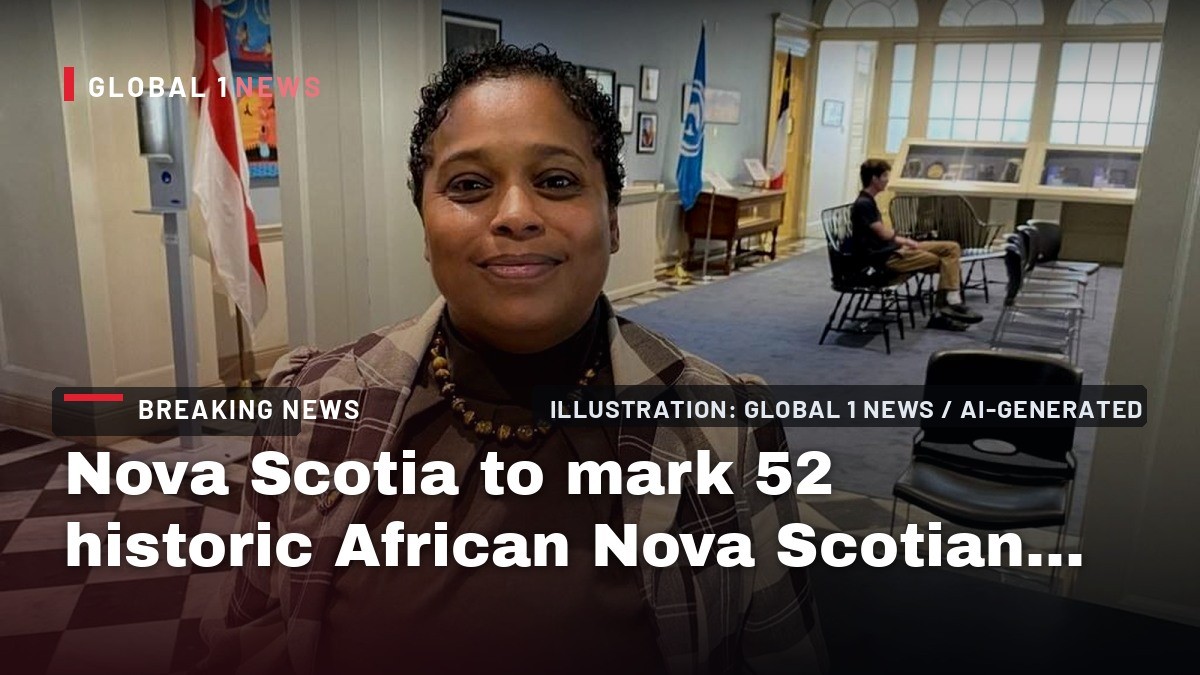
Nova Scotia’s legislature has taken a symbolic step toward acknowledging the province’s African Nova Scotian heritage by approving a province‑wide programme of heritage signs. The motion, introduced by New Democratic Party member Suzy Hansen, was adopted unanimously and without debate, a rare moment of cross‑party consensus that Hansen described as “emotional” and expressed her “overjoyed” reaction to the all‑party support.
Historic roots of the African Nova Scotian community
The forthcoming signs will highlight 52 locations across Nova Scotia that have long been home to African Nova Scotians. Among the first of these settlements were the Black Loyalists, a group of roughly 3,500 individuals who arrived in 1783 after fleeing the United States at the close of the American Revolution. Their arrival marked the beginning of a distinct Black presence in the province, laying the foundations for the communities that will now be commemorated.
While the Black Loyalists were promised land, protection and freedom, historical records indicate that many did not receive the promised rations, assistance or fertile farmland. Instead, a significant number were compelled to work on public road projects and in construction, reflecting the early challenges that shaped the community’s resilience and its enduring cultural legacy.
The motion and its parliamentary journey
Suzy Hansen’s motion was tabled in the Nova Scotia legislature on 18 September 2026. The motion called for the installation of heritage signs at each of the 52 identified historic Black communities. The unanimous passage, achieved without any recorded debate, underscores a moment of unity that Hansen highlighted as rare in the chamber’s recent history.
By moving the motion forward without opposition, the legislature signalled a collective recognition of the importance of visible markers of Black heritage, aligning with broader Canadian efforts to acknowledge the contributions of Indigenous peoples and other historically marginalised groups.
Communities to be marked
The list of sites slated for signage includes well‑known locations such as Shelburne, Africville, Cherry Brook, Sydney, and both East and North Preston. These communities represent a cross‑section of the province’s African Nova Scotian population, ranging from coastal towns to inland settlements.
Each sign will serve as a public reminder of the historical presence and ongoing contributions of Black Nova Scotians, offering residents and visitors alike an opportunity to engage with the province’s multicultural narrative as they travel across the landscape.
Potential impact on public awareness
Heritage signage can play a crucial role in education and public memory. By physically marking the sites, the province provides tangible points of reference that can stimulate interest in local history, encourage school field trips, and inspire community‑led storytelling initiatives.
For many Canadians, the visibility of such markers may be the first encounter with the story of the Black Loyalists and the subsequent development of African Nova Scotian communities. This aligns with a broader national conversation about how public spaces can better reflect Canada’s diverse past.
Connections to broader Canadian reconciliation efforts
The decision to install these signs fits within a wider pattern of Canadian jurisdictions undertaking symbolic and substantive measures to acknowledge historically marginalised groups. Across the country, municipalities and provinces have introduced plaques, street renamings, and educational programmes aimed at reconciling past injustices.
While the Nova Scotia signs are primarily symbolic, they complement other initiatives that address systemic inequities, such as efforts to improve access to affordable housing, health services, and employment opportunities for African Nova Scotians and other Black Canadians.
Community response and next steps
Local leaders and cultural organisations have welcomed the motion, noting that the signs will help preserve community memory and foster pride among younger generations. The anticipation of seeing these markers on the roadways has been described as a “step forward” in recognising the province’s rich African Nova Scotian history.
Implementation will involve coordination between the provincial heritage department, municipal authorities, and community groups to determine appropriate locations and design specifications for each sign. The timeline for installation has not been detailed in the motion, but the unanimous legislative support suggests a smooth rollout.
Looking ahead: the role of heritage in shaping provincial identity
As Nova Scotia prepares to display the new heritage signs, the province is poised to integrate a more inclusive narrative into its public spaces. By acknowledging the hardships faced by the Black Loyalists—who were promised land and support but often relegated to labour on public works—the province confronts a complex legacy while also celebrating the perseverance of African Nova Scotians.
In the broader context of Canadian politics, such initiatives signal a willingness to embed multicultural recognition into everyday life, from Parliament Hill to the small towns marked by the forthcoming signs. The hope expressed by Hansen—to be able to drive across the province and see the signs highlighting Black heritage—captures a vision of a Canada where history is visible, diverse, and shared by all citizens.
This article was produced with AI-assisted research and editorial support. Reporting is based on the source material cited below. Sources: Global News Canada; globalnews.ca; Global1.News (18 September 2026).
By Alex Thompson, Staff Writer
What's Your Reaction?
 Like
0
Like
0
 Dislike
0
Dislike
0
 Love
0
Love
0
 Funny
0
Funny
0
 Wow
0
Wow
0
 Sad
0
Sad
0
 Angry
0
Angry
0

Canada Correspondent at Global1.News. Based in Toronto, covering Canadian politics, energy, trade, and US-Canada relations. Provides the Canadian perspective on North American and global affairs.















Comments (0)