
Navy Seizes 2 Tonnes of Cocaine off Acapulco, Arrests 6
The Pacific Ocean, a vast and often unforgiving expanse that has long served as a silent highway for illicit trade, yielded another significant blow to criminal networks this week.
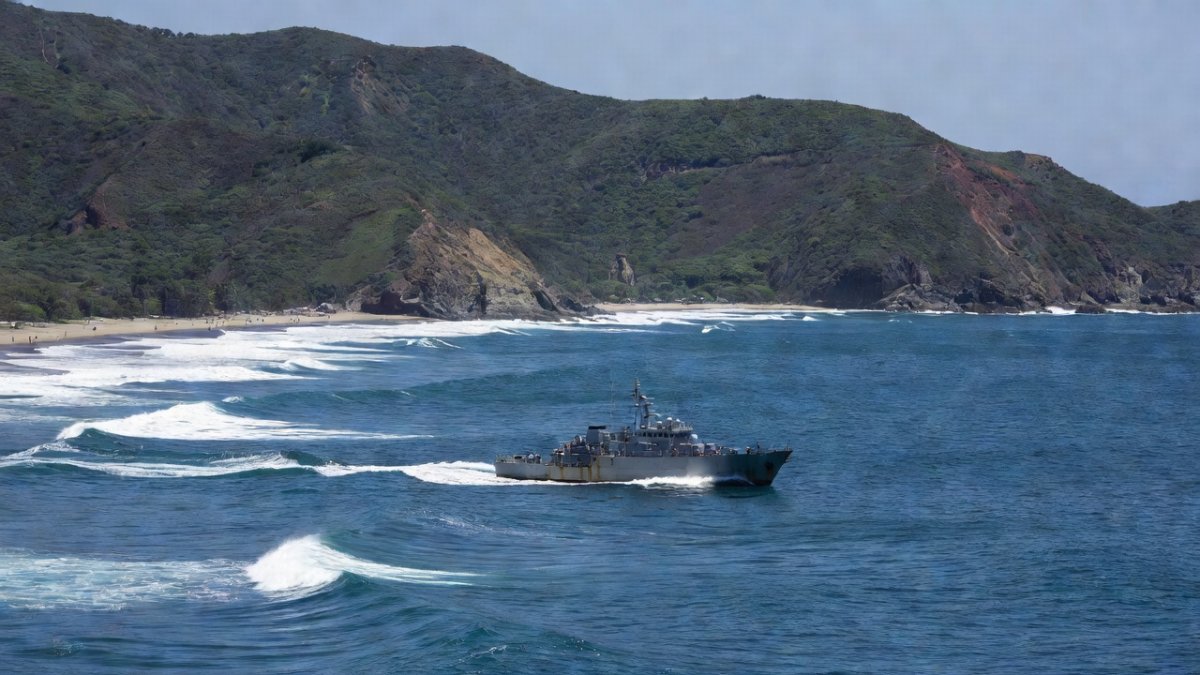
Navy Seizes Nearly 2 Tonnes of Cocaine off Pacific Coast, Arrests 6
The Pacific Ocean, a vast and often unforgiving expanse that has long served as a silent highway for illicit trade, yielded another significant blow to criminal networks this week. The Mexican Navy (Secretaría de Marina, SEMAR), acting through its Octava Región Naval, transferred a cargo of approximately 2,060 kilograms of presumed cocaine to the port of Acapulco, Guerrero, following a high-stakes interdiction south of the city's maritime zone. The operation, which unfolded last Friday, resulted in the arrest of six individuals and the confiscation of a load that underscores the persistent challenges and ongoing victories in Mexico's maritime security efforts.
The seizure is a stark reminder of the immense scale of the drug trade that transits these waters, a corridor that connects South American production hubs with the lucrative consumer markets of North America. For the families in the coastal colonias of Acapulco, and the fishing communities that dot the Guerrero coastline, these operations are more than just headlines; they are a tangible sign of the state's presence in a region where the ebb and flow of the tide often brings with it the shadow of organized crime. The arrival of the Navy's Surface Unit at the port this week, with its precious and dangerous cargo, marked the culmination of a meticulous surveillance operation that began with a routine patrol.
According to SEMAR's official report, Navy personnel were carrying out their permanent patrol and nautical surveillance rounds when they located and inspected a small vessel, an embarcación menor, navigating the waters south of Acapulco. On board, they discovered the presumed drug, meticulously packaged and distributed across 39 bales. The sheer weight of the haul—nearly two tonnes—speaks to the logistical capacity of the trafficking organizations that operate in these international waters, and the bravery required of the naval personnel who intercept them. The six detainees, three Mexican nationals and three Ecuadorian nationals, were immediately placed at the disposal of the competent authorities, along with the substance, to begin the integration of the investigation file, or carpeta de investigación, and determine their legal status.
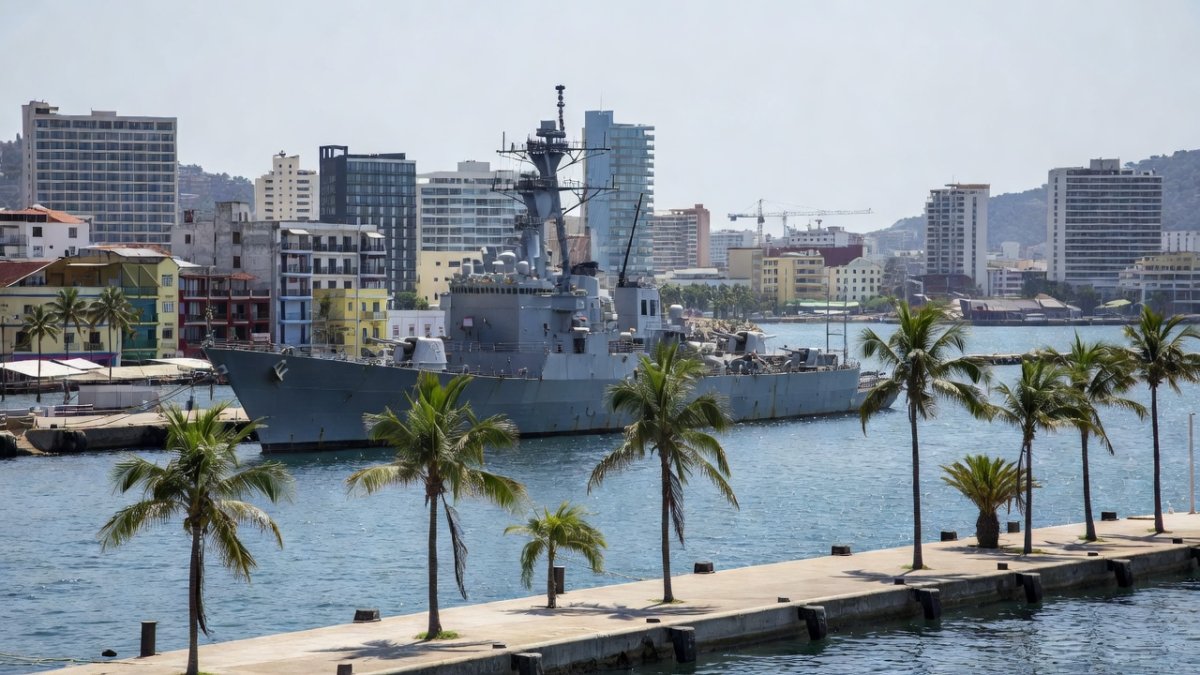
Recognition from Washington and a Shared Responsibility
The significance of this operation resonated far beyond the shores of Guerrero. In a notable display of bilateral cooperation, the United States Ambassador to Mexico, Ronald Johnson, publicly commended the Navy for the bust and the Mexican government for its "decisive actions." This recognition from a key international ally highlights the shared responsibility and mutual interest in curbing the flow of narcotics that fuels violence and instability on both sides of the border. For the Sheinbaum administration, which has made security a cornerstone of its mandate, such acknowledgments serve as a validation of its evolving strategy, even as it seeks to redefine the relationship with its northern neighbor on more sovereign terms.
The ambassador's praise, while symbolic, carries weight in the complex diplomatic dance between Mexico City and Washington. It signals a moment of alignment in a security agenda that has often been fraught with tension, from debates over the Merida Initiative to more recent discussions on migration and fentanyl. For the men and women of SEMAR, who risk their lives on the high seas, this international recognition is a professional affirmation of their dedication. It reinforces the notion that their daily patrols, often conducted far from the public eye, are a critical frontline in a global struggle against transnational crime, a struggle that directly impacts the safety and well-being of communities in both nations.
However, the Navy was also careful to provide a note of procedural caution. SEMAR clarified that the reported weight of 2,060 kilograms is approximate and corresponds to the gross record made at the dock. The figure, they emphasized, should not yet be considered the definitive weight of the substance, as it must be corroborated by the competent ministerial authority. This meticulous attention to legal process is a hallmark of the current administration's approach, ensuring that operations are not only effective but also legally sound, capable of withstanding scrutiny in court and leading to successful prosecutions. It is a reminder that the fight against drug trafficking is not just a physical battle, but a legal and institutional one as well.
The Pacific Corridor and the Persistent Threat
The Pacific Ocean remains one of the most heavily trafficked routes for cocaine in the world. Vessels, from high-speed "go-fast" boats to semi-submersibles and fishing trawlers, routinely attempt to move multi-tonne shipments from the coasts of Colombia, Ecuador, and Peru northward toward Mexico. From there, the drugs are often broken down into smaller loads and smuggled across the U.S. border, or distributed within Mexico itself, fueling local consumption and the violence associated with retail drug markets. The seizure off Acapulco is a testament to the fact that, despite increased interdiction efforts, the volume of cocaine moving through these waters remains staggering, a constant challenge for naval forces across the hemisphere.
For Guerrero, a state that has been plagued by violence and economic hardship, the presence of drug trafficking is a double-edged sword. On one hand, the illicit economy provides a source of income for some impoverished communities, a desperate alternative in a region with limited formal employment opportunities. On the other, it brings with it corruption, violence, and the erosion of social fabric. The Navy's operations, therefore, are not just about seizing drugs; they are about protecting the rule of law and creating the conditions for legitimate economic development, particularly in the tourism sector. Acapulco, once the glittering jewel of Mexican tourism, has struggled to shed its image of violence, and each successful security operation is a step toward reclaiming its reputation as a safe and welcoming destination for families and international visitors.
The interdiction also highlights the international dimension of the problem. The arrest of three Ecuadorian nationals points to the transnational nature of the crews involved. Ecuador, once a relatively stable transit point, has in recent years become a major hub for cocaine trafficking, with its ports and coastal waters increasingly controlled by Mexican cartels and their local allies. This has led to a surge in violence in Ecuadorian cities, a crisis that has spilled over into the maritime domain. The cooperation between Mexican and Ecuadorian authorities, while not detailed in this specific operation, is an essential component of a comprehensive regional strategy to dismantle these networks from production to distribution.
Estrategia Nacional de Seguridad and the Role of SEMAR
This seizure is a concrete manifestation of the Estrategia Nacional de Seguridad, the security strategy championed by President Claudia Sheinbaum. While the strategy emphasizes addressing the root causes of violence through social programs and intelligence work, it also recognizes the indispensable role of the armed forces in confronting the most violent manifestations of organized crime. The Navy, with its specialized capabilities in maritime and coastal operations, is a key pillar of this strategy. The permanent maritime, aerial, and land surveillance operations, as described by SEMAR, are designed to inhibit criminal activity, reduce the operational and financial capacity of criminal groups, and maintain the rule of law in Mexican maritime zones.
The language used by SEMAR is telling: the goal is not merely to seize drugs, but to "reduce the operational and financial capacity of criminal groups." This is a long-term, strategic objective that goes beyond individual busts. By disrupting supply chains and seizing assets, the state aims to weaken the economic foundations of these organizations, making it harder for them to pay for weapons, corrupt officials, and recruit new members. Each tonne of cocaine seized represents a significant financial loss for the cartels, a blow that, while not fatal, contributes to their gradual erosion. For the communities that suffer under their yoke, this is a tangible sign of progress, however incremental.
For the personnel of the Octava Región Naval, based in Acapulco, this operation is part of their daily reality. They live and work in the communities they protect, and they understand the local impact of their efforts. The sight of a Navy vessel returning to port with a major seizure is a morale booster for the public, a visible demonstration that the state is actively working to protect them. It also serves as a deterrent, sending a clear message to traffickers that the waters off the Mexican Pacific coast are not a safe haven. The coordination between naval forces, federal authorities, and the Fiscalía General de la República (FGR) is crucial in ensuring that these operations lead to convictions and not just seizures.
Impact on Coastal Communities and the Road Ahead
For the residents of Acapulco and the surrounding areas, the news of this major seizure brings a mix of relief and cautious optimism. The city has been working hard to revitalize its tourism industry, which is the lifeblood of the local economy. The presence of drug trafficking and the violence it generates is a direct threat to that goal. Every successful operation by the Navy and other security forces helps to build confidence among potential visitors and investors. The tianguis and markets of the city, the hotels along the bay, and the small businesses that cater to tourists all stand to benefit from a more secure environment. This is not just about abstract national security; it is about protecting livelihoods and ensuring that the children of Guerrero can grow up in a safer, more prosperous society.
However, the fight is far from over. The sheer volume of cocaine still flowing through the Pacific is a sobering reminder of the scale of the challenge. Criminal organizations are adaptive and resourceful, constantly developing new routes, new technologies, and new methods to evade detection. The Navy must remain vigilant, investing in new equipment, training, and intelligence-sharing to stay one step ahead. The cooperation with international partners, such as the United States, is also vital, as is the collaboration with other Latin American nations who share the same challenges. The seizure of 2,060 kilograms is a significant victory, but it is one battle in a long and ongoing war.
As the investigation file is integrated and the six detainees face the legal process, the focus will shift to the judicial outcome. The FGR will need to build a solid case, corroborate the weight of the substance, and ensure that those responsible are brought to justice. The public will be watching, hoping that this operation leads to a successful prosecution and not just a symbolic victory. For the Sheinbaum administration, this seizure is a positive data point in its security strategy, a story of success that can be highlighted in the mañanera briefings. But for the families in the colonias of Acapulco, the true measure of success will be a lasting peace, an economy that thrives, and a future where the only thing the Pacific brings to their shores is the promise of a new day.
Tags: Mexican Navy, SEMAR, cocaine seizure, Acapulco, Pacific Ocean, drug trafficking, Ronald Johnson, Guerrero, maritime security, 8th Naval Region, Claudia Sheinbaum, Estrategia Nacional de Seguridad, organized crime, drug interdiction, Mexico security
This article was produced with AI-assisted research and editorial support. Sources: Mexico News Daily, El Imparcial, SEMAR official report.
By Rosa Martinez, Staff Writer
What's Your Reaction?
 Like
0
Like
0
 Dislike
0
Dislike
0
 Love
0
Love
0
 Funny
0
Funny
0
 Wow
0
Wow
0
 Sad
0
Sad
0
 Angry
0
Angry
0

Latin America/Andes Correspondent at Global1.News. Based in Bogota, covering politics, environment, energy, and social movements across the Andean region. Passionate about environmental journalism and communities protecting their land.














Comments (0)