
B.C. Wildfires Force 20,000 From Homes as Blazes Rage
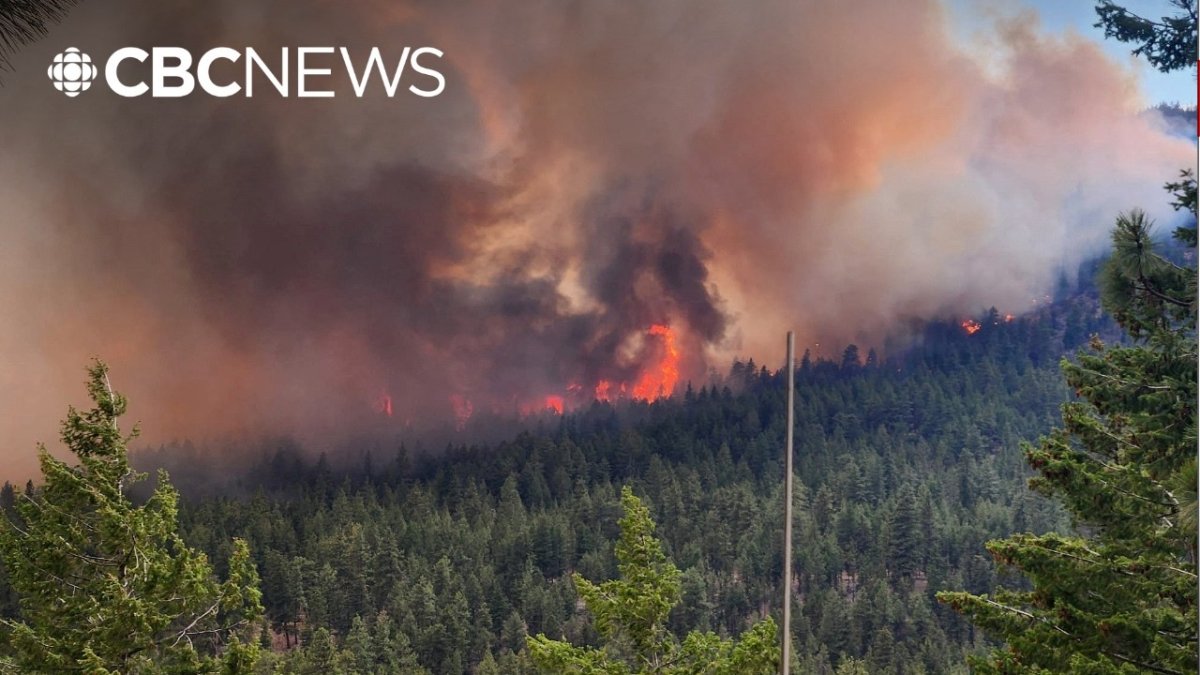
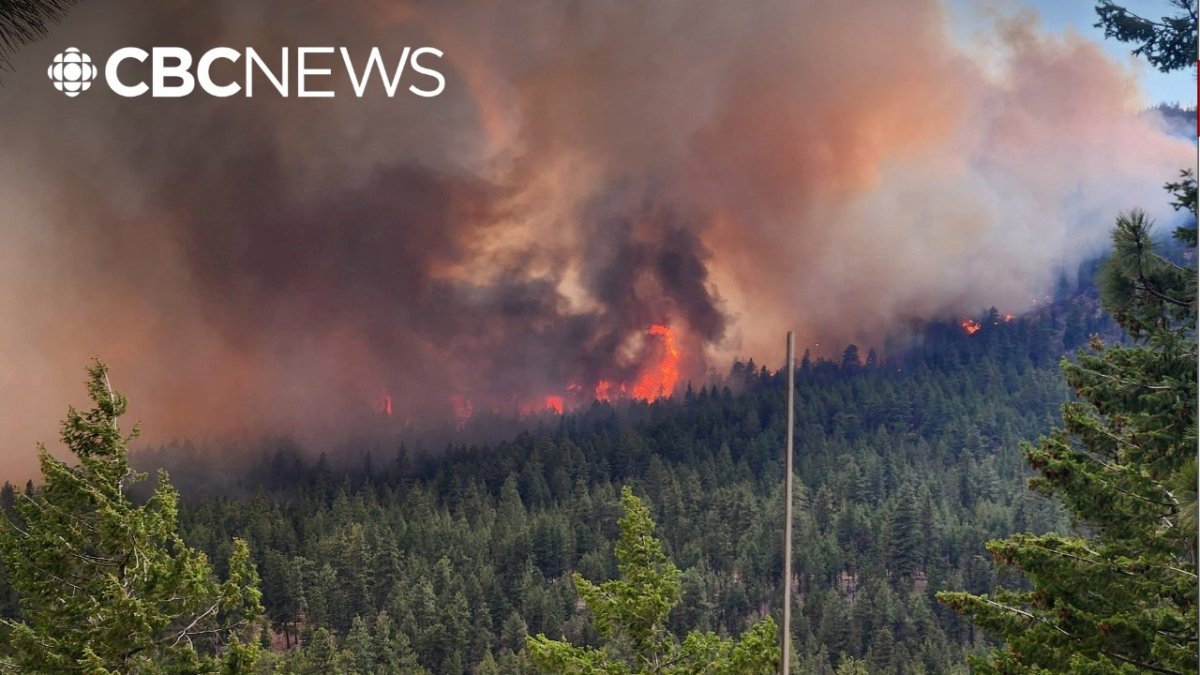
In a recent CBC News report, British Columbia is facing one of its most volatile wildfire battles in recent memory, with more than 20,000 people under evacuation orders as crews contend with over 100 active blazes across the province. The footage captures the stark reality of the Bald Range fire near Summerland, where extreme fire behaviour has forced families from their homes and claimed at least one life. For Canadians watching from coast to coast, the images of orange skie
In a recent CBC News report, British Columbia is facing one of its most volatile wildfire battles in recent memory, with more than 20,000 people under evacuation orders as crews contend with over 100 active blazes across the province. The footage captures the stark reality of the Bald Range fire near Summerland, where extreme fire behaviour has forced families from their homes and claimed at least one life. For Canadians watching from coast to coast, the images of orange skies and fleeing residents are a sobering reminder of the escalating costs of a changing climate on our communities and our collective sense of security.
B.C. Wildfires Force 20,000 From Homes as Blazes Rage
Vancouver, B.C. — British Columbia remains under a provincial state of emergency as fire crews battle conditions that officials describe as "explosive," with more than 20,000 residents displaced and hundreds of properties at risk. The crisis, which has centred on the Okanagan region but stretches across the province, has prompted an urgent, coordinated response from municipal, provincial, and federal partners as the fire season intensifies with alarming speed.
Explosive Fire Growth in the Okanagan
The Bald Range fire, burning near the community of Summerland in the South Okanagan, has become the epicentre of the province's wildfire crisis. The blaze exploded to more than 100 square kilometres in a matter of days, displaying what fire officials describe as "extreme fire behaviour" that has overwhelmed initial suppression efforts. The fire's rapid growth claimed the life of an 80-year-old woman, a tragedy that has reverberated through the tight-knit community and underscored the lethal potential of these fast-moving blazes.
Evacuation orders for the Bald Range fire alone have displaced roughly 20,000 people, with residents given little time to gather belongings before being told to leave. The scale of the displacement has strained local emergency resources, with officials urging residents to heed evacuation orders and prepare for an extended absence from their homes. Summerland's mayor has acknowledged that it remains unknown how many homes have been destroyed, a painful uncertainty for families waiting anxiously for news about their properties.
This explosive fire behaviour — driven by the convergence of prolonged drought, gusty winds, and an unstable atmosphere — is not merely a matter of flames advancing; it is a phenomenon where fire creates its own weather, spotting kilometres ahead of the main front and overwhelming suppression efforts in minutes. For Okanagan communities like Summerland, Penticton, and West Kelowna, this is a familiar and deeply unsettling pattern. The region has been on the front lines of climate-fuelled wildfire seasons for years, with the 2021 White Rock Lake fire forcing evacuations near Vernon, the 2003 Okanagan Mountain Park fire destroying over 200 homes in Kelowna, and the 2021 and 2023 seasons bringing repeated evacuation alerts to West Kelowna’s hillside subdivisions. Each event has reshaped local emergency planning, hardened defensible space requirements, and left residents with a collective memory of smoke-filled summers — yet the sheer speed of this year’s Bald Range fire, jumping from a reported ignition to 20,000 evacuees in days, underscores how even the most prepared communities can be outpaced by the new reality of extreme fire weather.
Provincewide Emergency Response
While the Bald Range fire has captured national attention, it is far from the only threat. Across British Columbia, crews are battling 102 active wildfires, with nearly half of those burning out of control. The provincial state of emergency, declared earlier this week, gives authorities additional powers to coordinate resources and manage the crisis. The Big Bar complex near Clinton remains a significant concern, covering more than 213,000 hectares and continuing to burn out of control despite sustained suppression efforts.
The sheer volume of new fires has stretched resources to their limits. Roughly 180 blazes started over a few days when storms swept the province, releasing an astonishing 33,380 lightning strikes that ignited dry fuels across vast swaths of forest. A provincial minister took a moment to thank Wildfire Service crews directly, stating, "We stand with you," a sentiment echoed by officials at all levels of government as firefighters work gruelling shifts in hazardous conditions.
When a provincial state of emergency is declared, the BC Wildfire Service shifts from routine response to a coordinated, province-wide mobilisation that draws on a layered command structure — from initial attack crews in regional fire centres to the Provincial Coordination Centre in Kamloops, which prioritises aircraft, heavy equipment, and personnel based on live risk assessments. The service’s roster of firefighters is supplemented by seasonal hires, but during a crisis like this, with 102 active fires, the system leans heavily on mutual aid agreements with other provinces — Alberta, Ontario, and Quebec have historically sent crews and air tankers under the Canadian Interagency Forest Fire Centre — as well as on contracted helicopters and fixed-wing aircraft from private operators. Air tankers, including the Convair 580s and the larger Lockheed C-130s, are dispatched not just to drop retardant on the Bald Range fire, but to protect critical infrastructure like power lines, water treatment plants, and the highway corridors that link the Okanagan to the rest of the province. The state of emergency also grants the province the legal authority to restrict travel, close backcountry areas, and requisition resources — powers that, while rarely used, are essential for ensuring that firefighting efforts are not hampered by sightseers or uncoordinated local responses.
Canadian Context
This wildfire crisis is not occurring in a vacuum; it is the latest chapter in a troubling trend that has seen Canadian fire seasons grow longer and more destructive. The 2023 season, which saw record-breaking burns across the country, was a wake-up call for federal and provincial governments alike. This year's early and aggressive start in British Columbia suggests that the lessons of previous seasons have not been enough to stem the tide of a changing climate that is drying out forests and extending the window for catastrophic fires.
The federal-provincial response to this crisis reflects the complex jurisdictional realities of disaster management in Canada. While the B.C. government holds primary responsibility for wildfire suppression within its borders, the Canadian Armed Forces and federal agencies stand ready to assist with evacuation logistics, air support, and emergency funding. The Disaster Financial Assistance Arrangements program, administered by the federal government, will likely play a significant role in helping communities and individuals recover from the financial devastation of this event.
Impact on Canadians
The human cost of these fires is measured in more than hectares burned. Kyla Gaudiuso, a Summerland evacuee, lost her family home of 19 years to the Bald Range fire. In an interview, she described her children as "devastated" by the loss, a sentiment that will resonate with the thousands of families who have been forced to flee their communities. The psychological toll of losing a home to fire is profound, and the uncertainty of not knowing whether your house still stands adds an agonizing layer to the evacuation experience.
Provincewide, 43 evacuation orders are currently in effect, affecting approximately 13,200 properties, while an additional 51 evacuation alerts have been issued for some 5,800 properties. These numbers represent not just statistics but families, businesses, and entire communities in limbo. The economic impact will be significant, with substantial insurance claims anticipated and the housing market in affected regions likely to feel the ripple effects for years to come.
Beyond the immediate danger, the long-term recovery for the 20,000-plus evacuees will be measured in years, not weeks, and it will test the resilience of both individuals and institutions. Insurance claims for wildfire losses in British Columbia have climbed steadily over the past decade, but many homeowners in fire-prone zones now face higher premiums, non-renewal notices, or the difficult reality that rebuilding in the same location may require costly fire-resistant materials and landscaping — changes that are not always covered by standard policies. The emotional toll is equally profound: evacuees grapple with uncertainty about whether their homes still stand, the trauma of leaving pets and belongings behind, and the anxiety of displacement in temporary accommodations, while first responders carry the weight of long shifts, witnessing destruction, and the knowledge that some communities may never fully return to what they were. In a Canadian context, this also raises questions about federal disaster assistance, the role of the Canadian Armed Forces in future evacuations, and whether provincial land-use planning can finally move toward discouraging new development in the highest-risk interfaces — a conversation that, for now, is secondary to the immediate need to shelter, feed, and support those who have been forced from their homes.
Reactions and Analysis
Premier David Eby has been direct about the severity of the situation, acknowledging that there have been "significant losses of homes and property" across the province. In a statement that sought to prepare British Columbians for the difficult road ahead, Eby said, "The hours and days ahead will be difficult. The Bald Range fire remains extremely active and significant challenges remain." His words reflect the reality that this crisis is far from over, even as weather forecasts offer a glimmer of hope.
The RCMP has been actively involved in the response, arresting one person and fining another for defying evacuation orders in the Bald Range area. Police are also investigating the cause of the fire, examining "reports of suspicious activity" that could indicate the blaze was deliberately set. In a separate incident, a brush fire in Salmon Arm appeared to have been "deliberately set," and a suspect was arrested. The RCMP has also warned about misinformation circulating on social media, including a video of someone lighting a bear banger that was shot kilometres from where the fire started; that person is not considered a suspect.
What Happens Next
Officials are cautiously optimistic that cooler temperatures and lighter winds forecast for the coming days could provide crews with a much-needed opportunity to gain ground on the fires. These conditions, while not a solution, could allow firefighters to establish containment lines and protect critical infrastructure. However, the investigation into the cause of the Bald Range fire will continue, and the RCMP has urged the public to report any suspicious activity they may have witnessed.
For the thousands of evacuees, the immediate future is defined by uncertainty. They wait in reception centres, hotels, and the homes of friends and family, hoping for news about their properties and their communities. The recovery process, when it begins, will be long and arduous, involving not just the rebuilding of homes but the restoration of a sense of normalcy and security.
As British Columbia confronts this latest wildfire crisis, the rest of Canada watches with a mixture of sympathy and apprehension. The images of destruction and displacement are a stark reminder that no region is immune to the forces of a changing climate. The response of firefighters, emergency personnel, and volunteers has been nothing short of heroic, and their efforts deserve the gratitude of the entire nation. But as the smoke clears and the extent of the damage becomes known, the harder work of rebuilding and preparing for the next inevitable fire season will begin.
By Alex Thompson, Staff Writer
This article was produced with AI-assisted research and editorial support. Reporting is based on sources cited in the article.
What's Your Reaction?
 Like
0
Like
0
 Dislike
0
Dislike
0
 Love
0
Love
0
 Funny
0
Funny
0
 Wow
0
Wow
0
 Sad
0
Sad
0
 Angry
0
Angry
0

Canada Correspondent at Global1.News. Based in Toronto, covering Canadian politics, energy, trade, and US-Canada relations. Provides the Canadian perspective on North American and global affairs.












Comments (0)