
Persistent China-linked dredging in Zambales hit
Opposition lawmaker Rep. Leila de Lima has once again raised the alarm over the persistent large‑scale dredging operations taking place in Zambales, a province whose coastal barangays rely heavily on fishing and tourism.
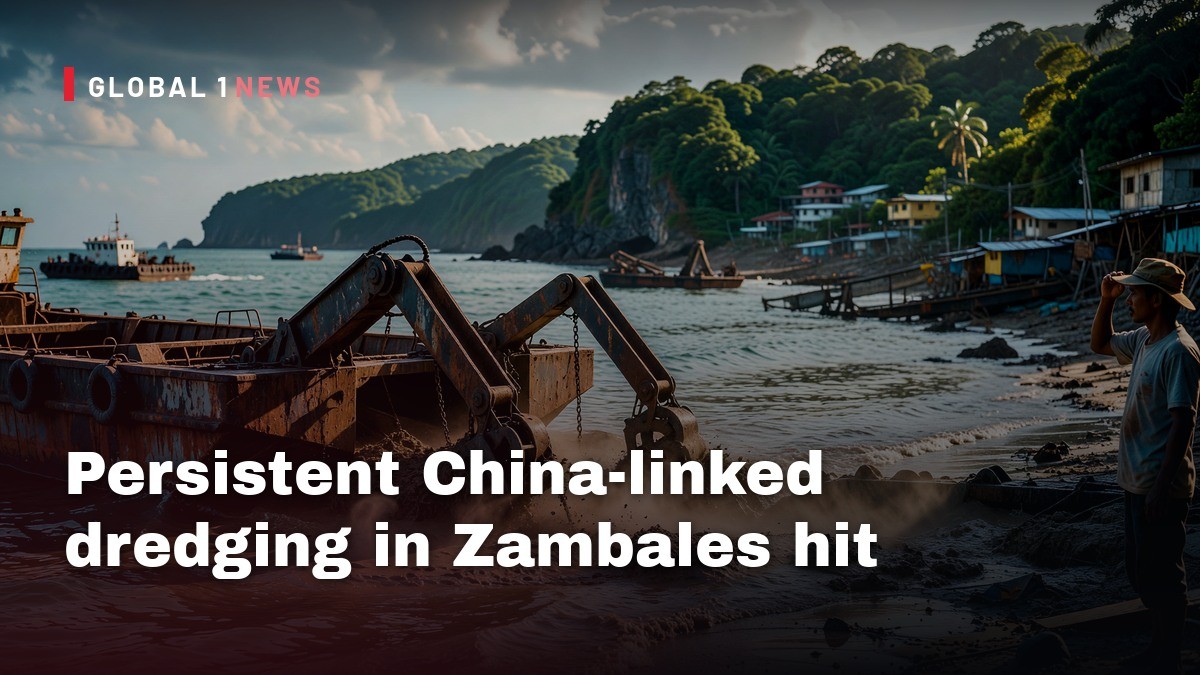
Opposition lawmaker Rep. Leila de Lima has once again raised the alarm over the persistent large‑scale dredging operations taking place in Zambales, a province whose coastal barangays rely heavily on fishing and tourism. In a recent statement, the former senator‑turned‑senior deputy minority leader warned that the continued use of Chinese‑flagged vessels in the province’s rivers, estuaries and coastal waters threatens not only the environment but also the livelihood of ordinary kababayans.
Calls for a congressional probe
De Lima filed House Resolution 1601, urging the House of Representatives to launch a formal investigation into the dredging activities. She stressed that “so many questions need to be answered” and that the issue cannot be ignored or left unaddressed. The resolution seeks to uncover the full extent of foreign involvement, trace where the extracted sand and silt are being taken, and determine whether any environmental statutes have been breached.
The lawmaker emphasized that the probe must go beyond merely identifying the vessels involved. It should also examine the volume of material being removed, the destinations of those materials, and any possible violations of the Department of Environment and Natural Resources’ (DENR) rules on exclusive dredging zones. By doing so, she hopes to prevent future operations that could cause “potentially irreversible damage” to coastal ecosystems and the communities that depend on them.
Environmental stakes in Zambales
Zambales’ coastal environment has long been a source of sustenance for fishing families and a draw for tourists seeking the province’s pristine beaches. The persistent dredging, however, raises serious concerns about coastal erosion, loss of mangrove habitats and the degradation of riverine ecosystems. Environmental groups such as the Zambales Ecological Network and Save Our Shores Zambales have already voiced worries that the dredging may be a cover for large‑scale sand mining.
These groups argue that the purported flood‑control and river‑restoration projects could be facilitating the extraction of sand and silt on a massive scale. If left unchecked, the removal of sediment from riverbeds can accelerate erosion, diminish fish breeding grounds, and undermine the natural buffers that protect coastal barangays from storm surges—a risk that looms larger with each passing day of delay.
Foreign vessels and national sovereignty
The presence of Chinese vessels in Zambales’ waters adds a geopolitical dimension to the environmental controversy. De Lima highlighted the need to “establish the extent of foreign involvement” as part of the congressional inquiry. While the source material does not specify the exact number of foreign ships, the repeated mention of Chinese vessels signals a growing concern over external actors participating in activities that could compromise Philippine sovereignty over its natural resources.
Such involvement raises questions about the transparency of contracts, permits and the chain of custody for the dredged materials. If foreign entities are indeed profiting from the extraction, the benefits may not reach the local communities whose seas and rivers are being altered, further deepening the sense of injustice felt by many Filipinos.
Legal framework and DENR orders
The Department of Environment and Natural Resources issued Administrative Order 2019‑13 in October 2019, designating exclusive dredging zones in heavily silted river systems, notably the Bucao, Maloma and Sto. Tomas rivers of Zambales. This order aims to regulate sand extraction and protect vulnerable waterways from unregulated mining.
De Lima’s call for an investigation seeks to verify whether the current dredging operations respect the parameters set by AO 2019‑13. Any deviation could constitute a violation of environmental law, opening the door for legal action and possible sanctions against the parties involved. The lawmaker also urged the implementation of stronger safeguards, transparency mechanisms and accountability measures to ensure compliance.
Impact on local livelihoods
For the fishermen of Zambales, the dredging threatens more than just the health of the sea; it jeopardizes their daily bread. Coastal erosion can shrink the shoreline where fishers launch their bangkas, while sediment removal can disturb the habitats of key species such as sardines and milkfish that sustain local markets and sari‑sari stores.
Beyond fishing, the tourism sector—anchored by beachfront resorts and local vendors—faces uncertainty as beach erosion and water quality decline could deter visitors. The cumulative effect of these pressures may push families toward migration, adding to the growing number of OFWs who leave in search of more stable income.
Community response and advocacy
Grassroots organizations in Zambales have been vocal in demanding action. The Zambales Ecological Network and Save Our Shores Zambales have organized town hall meetings, urging barangay officials to raise the issue at the municipal level. Their advocacy underscores a broader call for “bayanihan”—collective effort—to protect the province’s natural heritage.
These groups also stress the need for transparency. They argue that community members have the right to know who is benefitting from the dredging, where the sand is being shipped, and how the operations align with the government’s flood‑control objectives. By pushing for public disclosure, they hope to empower ordinary citizens to hold both local officials and foreign operators accountable.
Looking ahead: what the investigation could achieve
If House Resolution 1601 leads to a thorough congressional inquiry, several outcomes are possible. First, the probe could clarify the legal status of the Chinese vessels and determine whether they are operating under proper permits. Second, it could reveal the final destinations of the dredged material, shedding light on whether the sand is being exported or used for domestic projects.
Third, the investigation may prompt the DENR to tighten enforcement of AO 2019‑13, ensuring that future dredging adheres to environmental safeguards. Finally, a transparent and accountable process could restore confidence among Zambales residents that their voices are being heard, reinforcing the democratic principle that the government serves the people, not foreign interests. In the words of Rep. de Lima, “we won’t allow this alarming issue to be ignored,” a sentiment that resonates deeply with the barangay families whose lives hang in the balance.
This article was produced with AI-assisted research and editorial support. Reporting is based on the source material cited below. Sources: Philstar.com; Global1.News (13 November 2026).
By Bella Reyes, Staff Writer
What's Your Reaction?
 Like
0
 Dislike
0
 Love
0
 Funny
0
 Wow
0
 Sad
0
 Angry
0

Philippines/Southeast Asia Correspondent at Global1.News. Manila-based journalist covering Philippine politics, environment, maritime security, and social issues. Passionate about marine conservation and the communities protecting the Philippines' natural heritage.















Comments (0)