
Marcos Orders Strict Enforcement of No-Build Zones as Floods Worsen
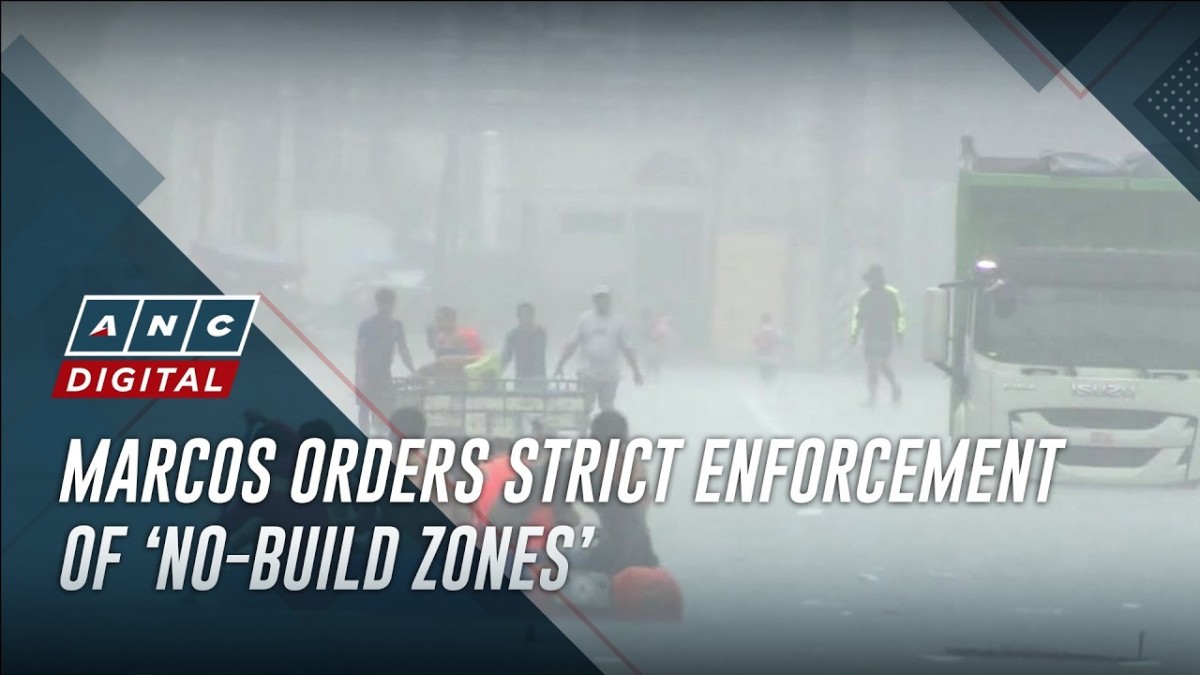
In a recent ANC 24/7 report, President Ferdinand R. Marcos Jr. issued a stern directive to government agencies and local government units (LGUs) to strictly enforce climate-related regulations, including no-build zones, as heavy rains and flooding continue to batter parts of the country.
In a recent ANC 24/7 report, President Ferdinand R. Marcos Jr. issued a stern directive to government agencies and local government units (LGUs) to strictly enforce climate-related regulations, including no-build zones, as heavy rains and flooding continue to batter parts of the country. The order, delivered during a Cabinet meeting on Monday, signals a shift toward accountability in disaster risk management, a move that could reshape how Filipino families in hazard-prone areas are protected or relocated. For ordinary citizens in flooded communities from Pampanga to Bulacan, this directive raises urgent questions about safety, displacement, and the government's readiness to enforce long-ignored laws.
Marcos Orders Strict Enforcement of No-Build Zones as Floods Worsen
Manila, Philippines – Tuesday — President Ferdinand R. Marcos Jr. has ordered government agencies and LGUs to strictly enforce climate-related regulations, including no-build zones, as the southwest monsoon (habagat) continues to bring moderate to heavy rain across Luzon and the western section of Visayas. Palace Press Officer Claire Castro briefed reporters on Tuesday, relaying the President's directive from the previous day's Cabinet meeting, which focused on the government's response to widespread flooding and the need for long-term solutions.
The Story: A Directive Born From Crisis
During the Cabinet meeting on Monday, Marcos emphasized that laws governing no-build zones and waterway easements have not always been enforced due to political connections and corruption. Castro quoted the President as saying, "Let us stop politicizing it, enforce the law, and it should be explained to everyone that the implementation of the law needs to be stricter for our safety." The directive covers a broad range of actions: enforcing no-build zones, clearing obstructions in waterways, maintaining drainage systems, and ensuring proper garbage disposal across all LGUs.
Castro revealed that Marcos cited unimplemented master plans for Metro Manila and Cebu dating back to 1941 and 1936, respectively. Had those plans been carried out, some areas might have remained open spaces capable of absorbing rainwater, potentially mitigating the severe flooding now affecting communities. The Palace did not identify specific officials who might be held accountable, with Castro stating, "For now, we will not say who is to blame. We need to find a solution so that the waterways and drainage systems can be properly implemented and fixed."
The Legal Framework: No-Build Zones and Water Code Easements
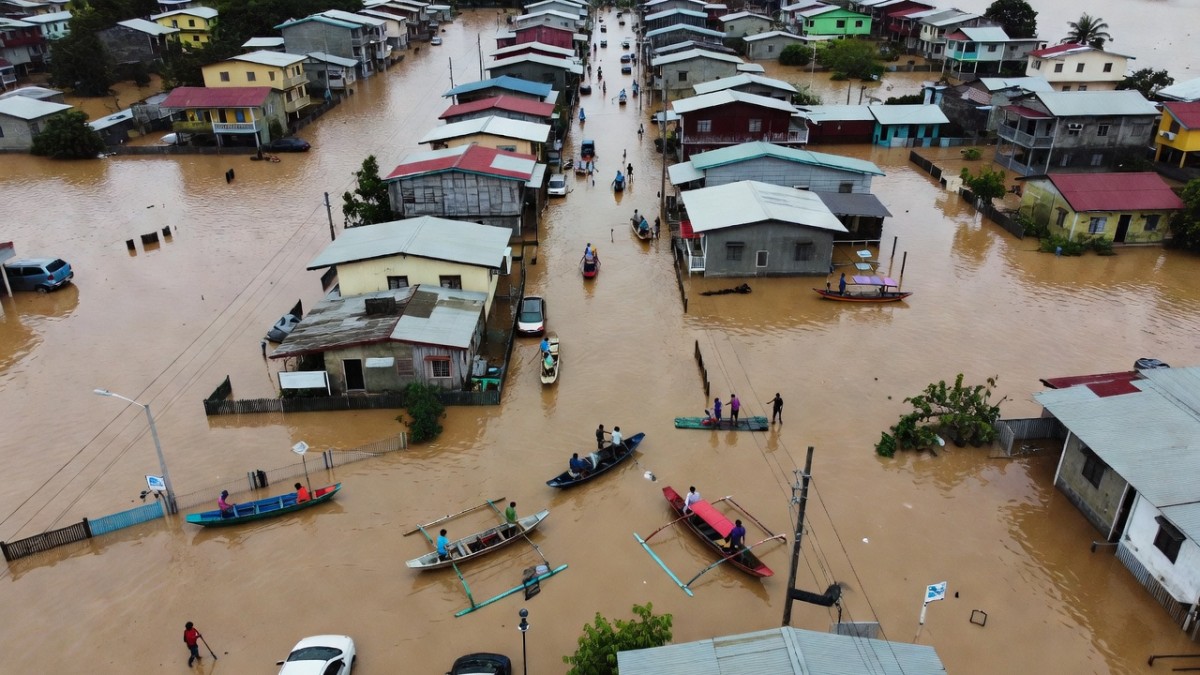
The no-build zone policy is rooted in the Water Code of the Philippines, which establishes easements of public use along rivers and streams — three meters in urban areas, 20 meters in agricultural areas, and 40 meters in forest areas — where construction is restricted. These regulations gained prominence after devastating typhoon floods, prompting government agencies and LGUs to designate hazard areas where permanent structures are prohibited. However, enforcement has been inconsistent, with informal settlers and even commercial establishments encroaching on these zones over decades.
Marcos's directive now tasks LGUs with clearing these areas and preventing new constructions. The Department of Public Works and Highways (DPWH) is simultaneously focused on repairing flood-damaged roads, bridges, and dikes while pursuing measures to reduce the impact of heavy rainfall and rising floodwaters. The review of existing flood control measures, ordered by the President, will take into account changes in rainfall patterns over the past decade, signaling a recognition that historical data may no longer be sufficient for planning.
Philippine Context: Politics, Corruption, and Climate Planning
The President's acknowledgment that political connections and corruption have hindered law enforcement strikes at the heart of a persistent governance challenge in the Philippines. For decades, no-build zones have been violated with impunity, often because local officials hesitate to act against influential constituents or because informal settlers lack viable alternatives. Marcos's directive to depoliticize enforcement is a direct challenge to this status quo, but it also raises concerns about how LGUs will balance legal compliance with the humanitarian needs of displaced families.
The Palace's plan to coordinate with the Climate Change Commission follows concerns that some agencies had been slow to adopt its policies. This institutional lag has been a recurring issue in Philippine climate governance, where scientific recommendations often take a backseat to short-term political and economic considerations. By tying flood control reviews to updated rainfall data, Marcos is pushing agencies to align their infrastructure planning with current climate realities rather than outdated assumptions.
Impact on Filipinos: Displacement, Safety, and Livelihoods
Castro acknowledged that stricter enforcement of no-build zones could displace residents living in prohibited areas but assured that safe relocation sites would be provided. "Naturally, some of our fellow citizens who might be displaced from their usual homes will feel aggrieved, but we must enforce the law and simply provide them with a place where they can live safely because lives could be lost," she said. This statement underscores the difficult trade-off between public safety and the disruption of established communities, many of which have existed in hazard zones for generations.
The human cost of inaction is already visible. The Department of Social Welfare and Development (DSWD) has provided more than P618.3 million in assistance to flood-hit areas in Tarlac, Pampanga, and Bulacan, while total aid distributed in Central Luzon exceeded P874.8 million. The Department of Agriculture is providing affected farmers and fisherfolk with crop insurance, farm assistance, and loans of as much as P35,000 under government recovery programs. Health authorities have assured that medicines remain available as hospitals continue treating patients and monitoring possible health risks linked to flooding, including waterborne diseases and respiratory infections.
Reactions and Responses: Agencies Mobilize
The Department of Budget and Management confirmed that funding remains available through the Quick Response Fund, ensuring that agencies have the resources to respond to ongoing emergencies. The DPWH's focus on repairing flood-damaged infrastructure is complemented by efforts to design more resilient systems that can withstand heavier rainfall. Meanwhile, the DSWD's aid distribution in Central Luzon reflects the immediate needs of families who have lost homes, crops, and livelihoods to the floods.
Castro's briefing also addressed the broader weather situation. The Philippine Atmospheric, Geophysical and Astronomical Services Administration (PAGASA) reported that Tropical Storm Pilandok remained inside the country's monitoring area as of Tuesday, while Tropical Storm Saudel and another low-pressure area were being tracked outside the Philippine Area of Responsibility (PAR). PAGASA forecasts that two to three tropical cyclones may develop within or enter the PAR in September, extending the period of heightened risk for Filipino communities.
What to Watch For
In the coming weeks, the enforcement of no-build zones will test the government's resolve and the capacity of LGUs to implement directives without triggering social unrest. The review of flood control measures, coordinated with the Climate Change Commission, could lead to significant infrastructure investments in Metro Manila, Cebu, and other flood-prone areas. The Palace's stance on accountability — declining to name officials but insisting on solutions — suggests that the focus is on forward-looking reforms rather than retrospective blame.
For Filipino families living along waterways and in hazard zones, the coming months will be critical. The government's promise of safe relocation sites must be matched by concrete action, or the directive risks becoming another unimplemented plan like the master plans of 1941 and 1936. As Tropical Storm Pilandok continues to bring rain and the September cyclone forecast looms, the urgency of these reforms cannot be overstated. The President's order is a necessary step, but its success will depend on the government's ability to enforce the law while protecting the most vulnerable Filipinos from the dual threats of natural disasters and forced displacement.
This article was produced with AI-assisted research and editorial support. Sources: ANC 24/7, BusinessWorld Online, Philippine Canadian Inquirer, Philippine Daily Inquirer, Philstar.com, Rappler, GMA News.
By Bella Reyes, Staff Writer
What's Your Reaction?
 Like
0
Like
0
 Dislike
0
Dislike
0
 Love
0
Love
0
 Funny
0
Funny
0
 Wow
0
Wow
0
 Sad
0
Sad
0
 Angry
0
Angry
0

Philippines/Southeast Asia Correspondent at Global1.News. Manila-based journalist covering Philippine politics, environment, maritime security, and social issues. Passionate about marine conservation and the communities protecting the Philippines' natural heritage.











Comments (0)