
Joy Returns to Nongoma: The Enduring Power of the Zulu Reed Dance
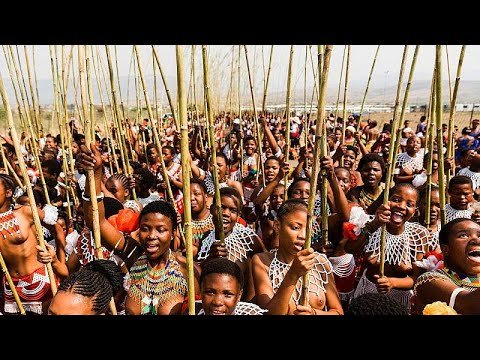
Every September, as the southern hemisphere tilts toward spring, the hills of Nongoma come alive with the sound of singing, drums and the rustle of reed bundles carried by thousands of young women.
Every September, as the southern hemisphere tilts toward spring, the hills of Nongoma come alive with the sound of singing, drums and the rustle of reed bundles carried by thousands of young women. The Zulu Reed Dance — Umkhosi woMhlanga in isiZulu — is one of Africa's most spectacular cultural gatherings, and this year's edition is expected to draw tens of thousands of maidens to KwaZulu-Natal once again, continuing a tradition that survived colonialism, pandemic and the passing of kings.
Joy Returns to Nongoma: The Enduring Power of the Zulu Reed Dance
Nongoma, South Africa — Few ceremonies on the continent blend beauty, discipline and cultural weight as completely as the reed dance, where young women present tall reeds to their king in a rite that has defined Zulu maidenhood for generations. As the 2026 edition approaches on the annual September calendar, the festival stands as both a cherished inheritance and a living, evolving tradition.
A Royal Gathering in the Hills of Nongoma
Nongoma, a town in northern KwaZulu-Natal regarded as the birthplace of South Africa's Zulu people, is the spiritual home of the reed dance. Every year, tens of thousands of young women, known locally as maidens, descend on the royal palace to take part in the age-old ceremony, which has been held each September at the eNyokeni Royal Palace and, in recent years, at other royal residences in the region.
The scale of the gathering is difficult to overstate. Africanews and AFP reported that in recent editions organisers expected as many as 40,000 maidens for the main event, following a first leg at Emachobeni Royal Palace in Ingwavuma attended by roughly 5,000 young women. The numbers make the reed dance one of the largest cultural ceremonies on the African continent.
For the small town of Nongoma, the festival is also an economic event. Visitors, families and tourists fill the roads and guest houses, and the ceremony has become a pillar of cultural tourism in KwaZulu-Natal, drawing South Africans and international visitors alike to witness a spectacle that has no equivalent elsewhere on the continent.

The River, the Reeds and the Ritual
The ceremony begins long before the dancing. As twilight settles behind the mountains, thousands of young women bathe in a cold, shallow river, then gather reeds that they will carry as they file past the king. Dressed in colourful traditional beads and regalia, they walk in groups, chanting slogans and singing traditional hymns in a procession that lasts several hours.
Each maiden presents a tall reed to the monarch — a gesture that is both symbolic and deeply personal. The reed represents the girl's triumph over temptation and her choice to preserve her virginity, values that the ceremony celebrates openly. Older women accompany the young girls, teaching them about womanhood, respect for their bodies and the expectations of their communities.
The rite is rooted in history as an occasion when the king could select new wives among his subjects, but over the decades it has grown into a broader celebration of Zulu identity, discipline and unity. The KwaZulu-Natal Department of Sports, Arts and Culture has described the practice as a proud moment where young maidens voluntarily display their commitment to sexual abstinence.
A King's First Reed
One of the most poignant moments in the festival's recent history came in 2022, when King Misuzulu kaZwelithini accepted his first ever reed as the newly recognised monarch. The 47-year-old king, head of South Africa's largest ethnic group, emerged from a tight circle of Zulu warriors — the amabutho regiments — to receive the reed, smiling as the crowd sang unending praises.
King Misuzulu had been recognised as monarch at a traditional ceremony barely a month earlier, following the death of his father, King Goodwill Zwelithini, who had reigned for five decades. The reed dance was his first major traditional ceremony as king, and it carried enormous symbolic weight for a nation watching its royal household enter a new era.
That year's festival was also the first since the outbreak of the Covid-19 pandemic, which had forced the cancellation of the 2020 and 2021 editions. The joy of the return was captured in the faces of first-time participants like 16-year-old Amahle Shange, who told AFP: "I had always seen older girls going to umhlanga and found myself so curious. I am excited to be here for the first time, I can't believe it's finally happening and I'm seeing things I've never seen before."
Return After the Long Silence
The 2022 edition marked more than a royal milestone; it was a cultural homecoming. For two years, the pandemic had silenced the drums of Nongoma, and the ceremony's return was greeted with visible relief and celebration across KwaZulu-Natal. The Africanews video report "South Africa: Joy as Zulu reed dance festival returns," published in September 2022, captured the mood: maidens laughing, singing and marching once more through the palace grounds.
The reed dance has survived far greater interruptions in its long history. The ceremony was abolished for several years before being revived in 1984 by King Goodwill Zwelithini, and it has since grown into the grand event seen today. In 2024, the festival marked its 40th edition since that revival, a milestone that underscored both the tradition's resilience and its ability to renew itself across generations.
In 2025, the royal household announced a significant change: the annual reed dance would move to the newly established Emashobeni royal residence on the border between Nongoma and uPhongolo. The shift illustrated how the festival, while rooted in centuries of custom, continues to adapt under the guidance of the reigning monarch.
Tradition, Debate and a Changing Nation
For all its beauty, the reed dance is not without controversy. The practice of virginity testing, which precedes participation for many maidens, has drawn criticism from human rights groups and health advocates who argue it can be intrusive and stigmatising. Supporters counter that the ceremony promotes discipline, self-respect and cultural pride, and that participation is voluntary.
These debates are part of what makes the festival a living institution rather than a museum piece. Zulu leaders have defended the ceremony as a platform for moral guidance, and the royal household has framed it as a celebration of young women's choices. The tension between tradition and modern values is one that echoes across the continent, from Senegal to Kenya, as societies weigh heritage against evolving norms.
What is beyond dispute is the ceremony's power to bring generations together. Grandmothers who danced in their youth watch granddaughters take their place in the procession, and the festival has become an occasion for the entire Zulu nation to reaffirm its identity in a rapidly changing world.
A Cultural Magnet for the Continent
The reed dance's appeal reaches far beyond South Africa. International media, photographers and tourists travel to Nongoma each September, and the festival has become a showcase of African cultural heritage on the global stage. For Africans across the continent, it is a reminder that traditional ceremonies remain vital, joyous and relevant — not relics, but living expressions of identity.
Senegal, like South Africa, has its own deep well of tradition — the wrestling festivals of the coast, the initiation ceremonies of the Casamance, the rhythmic celebrations that mark every milestone of life. What the reed dance shares with these traditions is a commitment to passing knowledge and values from one generation to the next, and a refusal to let modernity erase the past.
The economic and cultural ripple effects are real. Cultural tourism around events like the reed dance supports local businesses, creates visibility for African artisans and crafts, and positions heritage as an asset rather than an afterthought. For a continent whose creative economy is growing rapidly, traditional festivals are increasingly recognised as both cultural treasures and economic drivers.
What to Watch For
This year's reed dance is expected to follow the festival's traditional September calendar, with the royal household expected to confirm the precise dates and venue in the coming weeks. After the 2025 edition at Emashobeni, all eyes will be on whether the ceremony returns to eNyokeni or continues at the newer royal residence.
Beyond the dates, the broader story is one of continuity and change. The maidens who danced in 2022, many of them seeing the ceremony for the first time after the pandemic, are now young women with stories of their own. The children watching from the sidelines this year will be tomorrow's participants, carrying the reeds forward into a new decade.
The reed dance is also a regional tradition. Across the border in Eswatini, the related Umhlanga festival is set to hold its main day on 31 August 2026, drawing thousands of young women to the royal residence at Ludzidzini. The two ceremonies, rooted in the same cultural family, are a reminder that the reed tradition belongs to southern Africa as a whole — and that its future will be shaped by the young women who carry it.
For Africans everywhere, the reed dance is an invitation to reflect on what we preserve and what we transform. Whether in the hills of Nongoma or the streets of Dakar, the ceremonies we keep alive are the ones that keep us connected to who we are. As the drums of September prepare to sound again, the message of Umkhosi woMhlanga endures: pride, discipline and the unbroken thread of generations.
By Amara Diop, Staff Writer
This article was produced with AI-assisted research and editorial support. Reporting is based on sources cited in the article.
What's Your Reaction?
 Like
0
Like
0
 Dislike
0
Dislike
0
 Love
0
Love
0
 Funny
0
Funny
0
 Wow
0
Wow
0
 Sad
0
Sad
0
 Angry
0
Angry
0

West Africa/Sahel Correspondent at Global1.News. Dakar-based journalist covering politics, security, climate, and development across Francophone and Anglophone West Africa. Tells the stories of a region undergoing profound transformation.












Comments (0)