
China’s 2012 Scarborough Shoal Double‑Cross and Its Echoes in Filipino Communities
In a recent episode of ABS‑CBN News Channel’s “Beyond the Exchange,” veteran journalist Rico Hizon sat down with former central bank governor and ex‑ambassador to the United States, Jose Cuisia Jr., to revisit the 2012 Scarborough Shoal standoff.
In a recent episode of ABS‑CBN News Channel’s “Beyond the Exchange,” veteran journalist Rico Hizon sat down with former central bank governor and ex‑ambassador to the United States, Jose Cuisia Jr., to revisit the 2012 Scarborough Shoal standoff. The interview, aired on 22 November 2026, centered on Cuisia’s stark assessment that China “double‑crossed” the Philippines during the confrontation. While the video itself offers a concise dialogue, the implications of Cuisia’s remarks ripple through barangays, OFW families, and the broader national conversation on sovereignty, security, and economic resilience.
Re‑examining the 2012 Standoff Through Cuisia’s Lens
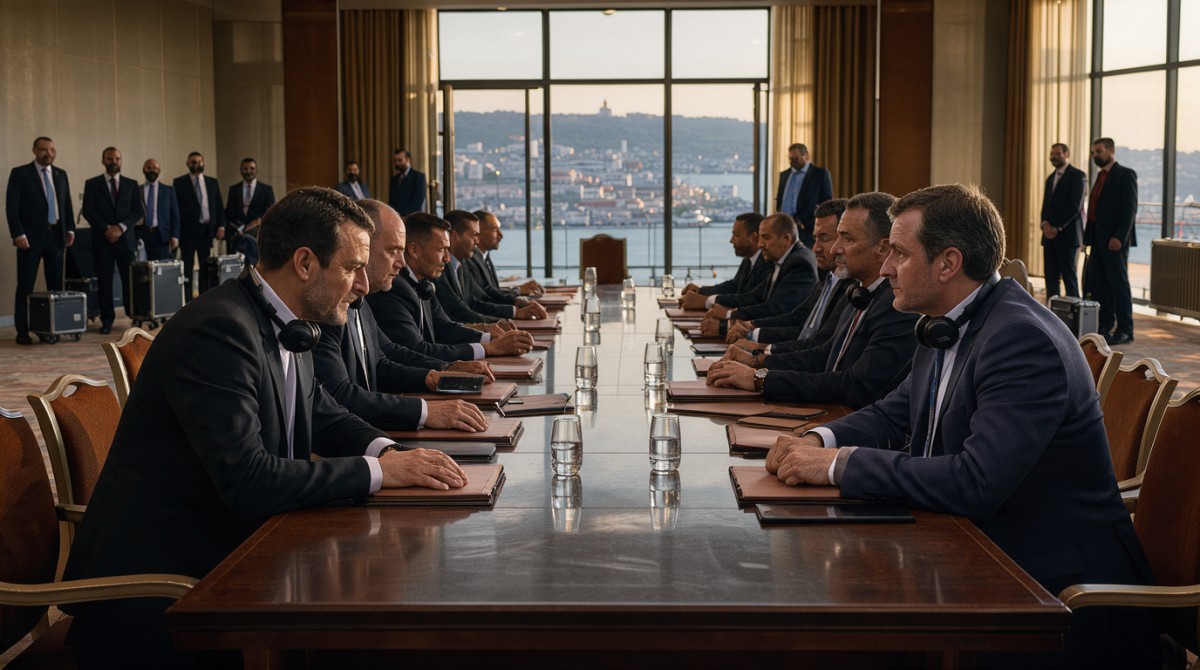
According to Cuisia, the 2012 encounter at Scarborough Shoal marked a turning point in Manila’s diplomatic calculus. He recalled that the Philippines, under then‑President Benigno Aquino III, initially pursued a joint fisheries agreement with China, hoping to avoid a militarized clash. Yet, as Cuisia explained, “the Chinese side shifted gears, refusing to honor the spirit of cooperation that we had agreed upon.” This pivot, he argued, was a calculated move that left the Philippines scrambling to protect its fishermen and assert its claim.
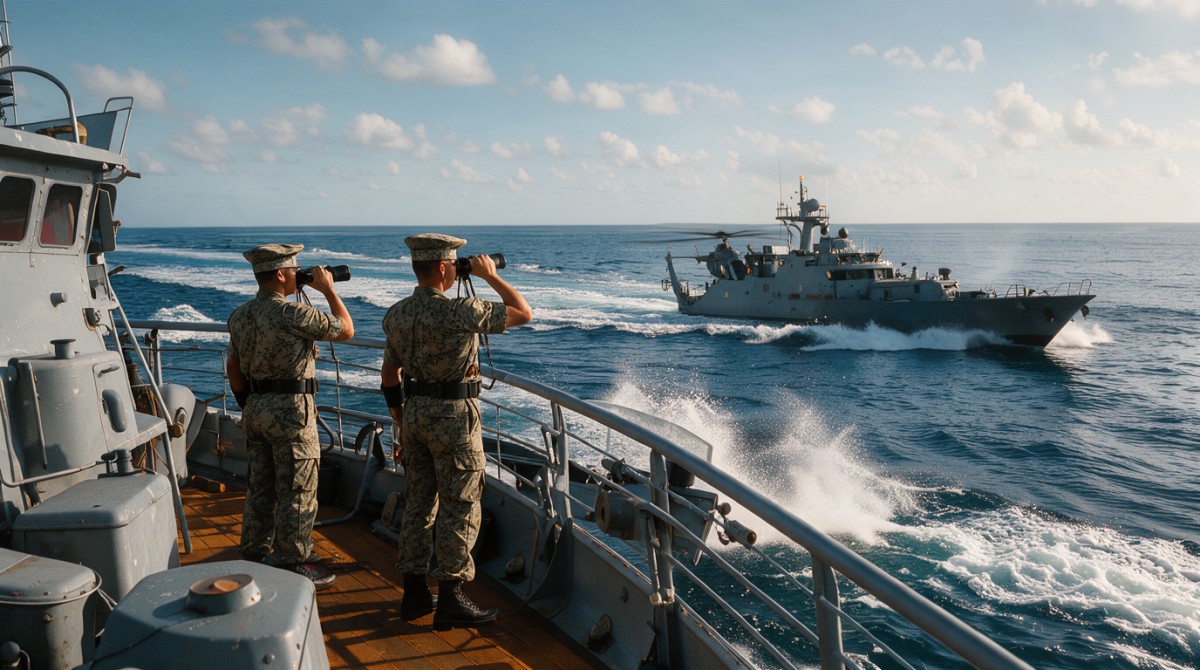
In the interview, Cuisia highlighted the abruptness of China’s change in posture. He noted that the Philippine Coast Guard had been conducting routine patrols when Chinese vessels began to block access, effectively “boxing in” Filipino boats. The former ambassador described the scene as a “quiet but firm assertion of force,” a phrase that underscored the low‑key yet decisive nature of the encounter. He emphasized that the incident was not merely a naval skirmish but a diplomatic betrayal that reverberated through the halls of the Department of Foreign Affairs and the Senate.
While the video did not delve into the exact timeline of the standoff, Cuisia’s reflections underscored a broader pattern: China’s willingness to renegotiate or discard agreements when strategic interests shift. He warned that this “double‑cross” set a precedent that could affect future negotiations over other contested features in the West Philippine Sea.
Impacts on Filipino Fisherfolk and Coastal Livelihoods
Cuisia’s testimony resonated deeply with the everyday realities of coastal communities. He recounted stories of Filipino fishers who, after the 2012 incident, found their traditional fishing grounds suddenly off‑limits. The sudden loss of access meant not only a dip in daily catch but also a blow to the economic stability of families who rely on the sea for their livelihood.
He pointed out that many of these fishers operate small‑scale vessels, often anchored near their barangay’s sari‑sari store for supplies. The disruption at Scarborough Shoal forced some to travel farther afield, increasing fuel costs and exposing them to heightened safety risks. Cuisia argued that the government’s response—primarily diplomatic protests—did little to alleviate the immediate hardships faced by these households.
In the broader context, Cuisia suggested that the incident highlighted a gap in the nation’s disaster‑risk and livelihood‑resilience planning. He urged the Department of Agriculture and the Department of Trade and Industry to develop alternative livelihood programs for affected coastal barangays, emphasizing that security concerns must be paired with concrete economic support.
Strategic Lessons for the Philippine Government
Beyond the human toll, Cuisia used the interview to dissect the strategic missteps that, in his view, allowed China to “double‑cross” Manila. He criticized the reliance on “soft power” diplomacy without a concurrent hard‑line defense posture. According to Cuisia, the absence of a clear, credible deterrent emboldened China to test the limits of its maritime claims.
He also raised concerns about the coordination between the Philippine Navy, the Coast Guard, and the Department of National Defense. Cuisia recounted that during the 2012 standoff, there were “missed opportunities” to present a unified front, which diluted the Philippines’ negotiating power. He urged the current administration to institutionalize joint exercises and intelligence sharing to avoid similar lapses.
Furthermore, Cuisia highlighted the importance of legal avenues. He reminded viewers that the 2016 arbitral award from The Hague affirmed the Philippines’ exclusive economic zone, yet he warned that legal victories alone cannot deter “double‑cross” tactics. He called for a balanced approach that couples legal affirmation with credible maritime presence.
Public Sentiment and the Role of Media
The interview also touched on how the 2012 incident shaped public perception of China and the government’s handling of territorial disputes. Cuisia noted that the “sense of betrayal” felt by many Filipinos was amplified by media coverage that highlighted the sudden shift in Chinese behavior. He praised the role of investigative journalism in keeping the issue alive, but cautioned against sensationalism that could inflame nationalist fervor without constructive dialogue.
He referenced the surge in social media discussions following the 2012 standoff, where hashtags about “Scarborough Shoal” trended across platforms. This digital outcry, he argued, pressured lawmakers in the Senate and the House of Representatives to push for stronger maritime policies. Yet, Cuisia warned that public anger must be channeled into policy advocacy rather than unchecked rhetoric that could strain diplomatic ties.
In his view, media outlets like ANC’s “Beyond the Exchange” serve a vital function by providing a space for nuanced analysis. By featuring former diplomats and policymakers, the program helps bridge the gap between high‑level negotiations and the lived experiences of ordinary Filipinos.
Implications for Future Negotiations and Regional Stability
Cuisia’s reflections cast a long shadow over upcoming talks with China, especially as both sides navigate the post‑pandemic recovery and the ongoing push for infrastructure development under the Build, Build, Build program. He warned that any future agreement must include explicit enforcement mechanisms to prevent a repeat of the 2012 “double‑cross.”
He also highlighted the role of regional partners. Cuisia suggested that the Philippines could deepen cooperation with the United States, Japan, and Australia to bolster its maritime security architecture. He cited joint patrols and capacity‑building initiatives as practical steps that could deter unilateral actions by any claimant.
Finally, Cuisia emphasized that the West Philippine Sea is not merely a geopolitical chessboard but a source of livelihood for millions. He urged that any diplomatic settlement respect both the legal rights affirmed by the 2016 arbitral award and the socio‑economic realities of coastal communities.
Looking Ahead: Policy Recommendations and Community Resilience
Drawing from the interview, Cuisia offered concrete recommendations for policymakers. He called for the creation of a “Maritime Sovereignty Council” that would integrate representatives from the Department of Foreign Affairs, the Department of National Defense, the Department of Agriculture, and local barangay leaders. This council, he argued, would ensure that decisions on maritime issues are informed by both strategic and community perspectives.
He also advocated for increased funding for the Philippine Coast Guard, emphasizing the need for modern vessels and surveillance technology to monitor contested waters. By strengthening the Coast Guard’s operational capacity, the Philippines could assert its presence more confidently, reducing the likelihood of being “double‑crossed” in future encounters.
On the community front, Cuisia urged the Department of Social Welfare and Development to expand livelihood assistance programs for fishers displaced by maritime disputes. He suggested that micro‑finance schemes, coupled with training in alternative aquaculture practices, could help barangays diversify their income sources while maintaining a connection to the sea.
In closing, Cuisia reminded viewers that the 2012 Scarborough Shoal standoff was a lesson in both diplomatic caution and the resilience of the Filipino spirit. He praised the “bayanihan” ethos that continues to drive communities to adapt and persevere, even as geopolitical tides shift. As the nation moves forward, he urged that the lessons from Scarborough Shoal be woven into a broader strategy that safeguards sovereignty, protects livelihoods, and upholds the democratic values that define the Philippines.
By Bella Reyes, Staff Writer
This article was produced with AI-assisted research and editorial support. Reporting is based on the source material cited below. Sources: ANC 24/7 video report (22 November 2026); ANC 24/7; Global1.News
What's Your Reaction?
 Like
0
 Dislike
0
 Love
0
 Funny
0
 Wow
0
 Sad
0
 Angry
0

Philippines/Southeast Asia Correspondent at Global1.News. Manila-based journalist covering Philippine politics, environment, maritime security, and social issues. Passionate about marine conservation and the communities protecting the Philippines' natural heritage.












Comments (0)