
Iran Warns Gulf Neighbors of Retaliation if US Resumes Strikes
Iran has warned Gulf states it would strike their energy infrastructure if the US resumes attacks, delivering the message through Abbas Araghchi's calls to Saudi, Turkish and Qatari counterparts. With Brent above $90, MBS is urging Trump toward diplomacy as the Gulf balances Washington and Tehran.
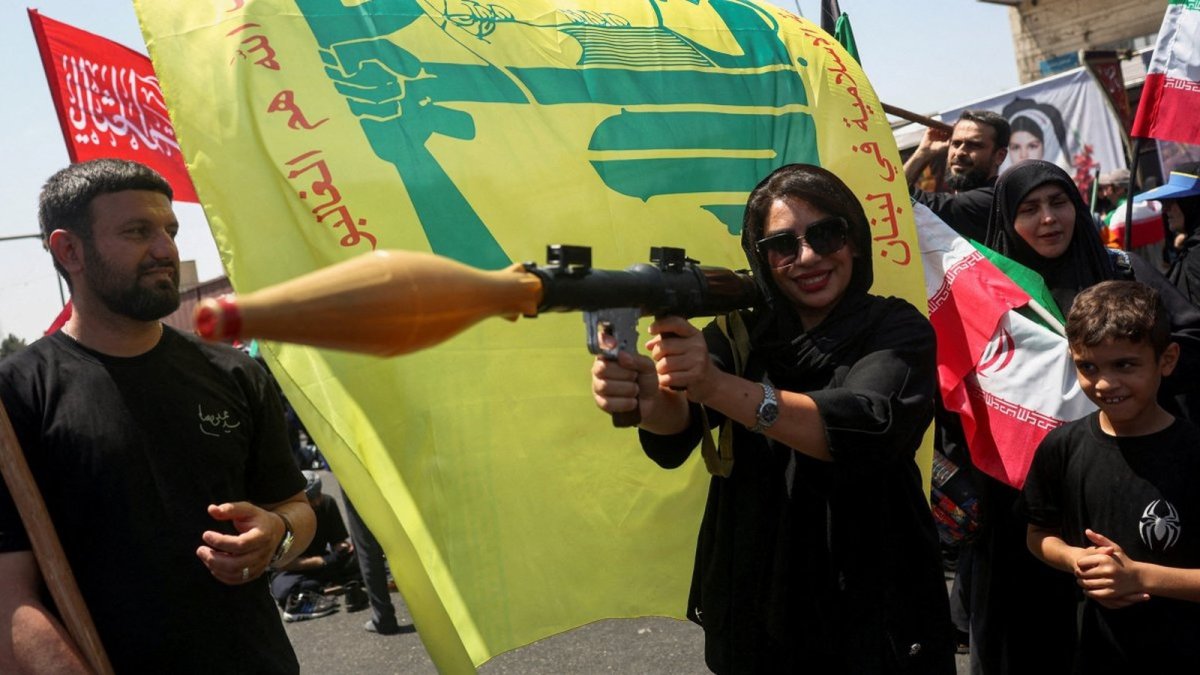
Iran has issued direct warnings to Gulf states that any renewed American strikes on its territory would prompt Iranian retaliation against critical energy infrastructure across the region. The messages, delivered through senior diplomatic channels in late July and early August 2026, place Saudi Arabia, Qatar and other US partners in a precarious position between Washington and Tehran. This development occurs against the backdrop of the ongoing 2026 Iran conflict that began with US-Israeli airstrikes in February.
Iran Warns Gulf Neighbors of Retaliation if US Resumes Strikes
Beirut, Lebanon – August 6, 2026 — The warnings followed President Donald Trump’s July 28 threat to strike Iran’s energy network and infrastructure. Iranian Foreign Minister Abbas Araghchi conducted a series of calls with counterparts in Saudi Arabia, Turkey, Qatar and Pakistan’s military leadership. These contacts aimed to leverage Gulf influence in Washington to prevent further escalation. The exchanges reflect Iran’s strategy of highlighting the risk of wider regional destruction to deter additional US military action.
Diplomatic Escalation Context
The February 28, 2026 US-Israeli airstrikes that killed Supreme Leader Ali Khamenei and other senior officials marked the start of the current conflict, shifting Iranian strategy toward preemptive regional deterrence. Araghchi’s outreach in late July and early August therefore sought to activate Gulf leverage before Trump’s August 2 statement on conditioning any strike cancellation on a rapid deal. This timing reflected Tehran’s calculation that Gulf capitals could influence Washington more effectively than direct bilateral channels.
By referencing the 2023 restoration of ties with Riyadh, Iranian diplomats underscored how recent diplomatic gains could unravel if energy infrastructure faced renewed threats. The calls also highlighted the concentration of OPEC+ spare capacity in Saudi Arabia and the UAE, warning that any disruption would immediately affect global supply balances and force Gulf states to reassess their alignment with US military objectives.
The Warning Delivered Through Named Channels
Araghchi conveyed a consistent message in each conversation: Iran stands ready to retaliate but views a diplomatic solution as the best path to avoid broader destruction. Two senior Iranian officials, two Gulf sources and a senior regional diplomat described the communications. One Gulf source summarized the position as unequivocal: any US attack on Iranian infrastructure would lead to strikes on Gulf energy facilities and other regional targets. The Iranian side emphasized that damage inflicted on Iran would be met with far greater damage in return.
Araghchi’s consistent framing across multiple calls emphasized that Iranian retaliation would target facilities whose loss would exceed the scale of the 2019 attacks on Saudi facilities, which removed more than half of Saudi output for days. Gulf interlocutors were told that damage to Iranian energy assets would be matched by strikes on equivalent regional infrastructure, including refineries and export terminals critical to European fuel supply chains already strained by elevated crude prices.
The involvement of Pakistan’s military leadership alongside Qatari and Turkish counterparts signaled Iran’s intent to broaden the diplomatic pressure beyond traditional Arab partners. This approach aimed to isolate any US decision to resume strikes by demonstrating that Gulf economic vulnerabilities could translate into political constraints on Washington’s freedom of action.
Gulf States Caught Between Washington and Tehran
The diplomatic maneuvering places Gulf states hosting US military bases in a difficult bind. Qatar, Oman and Saudi Arabia have urged Washington to resume talks with Tehran and avert renewed conflict. Iran has repaired ties with several neighbors in recent years, including through the 2023 China-brokered détente with Saudi Arabia. Yet the threat to target energy infrastructure across the Gulf underscores how Tehran seeks to turn regional economic vulnerabilities into leverage against further US strikes.
Qatar’s hosting of Al Udeid Air Base and Bahrain’s role as headquarters for the US Fifth Fleet place both countries directly in the path of potential Iranian retaliation, complicating their public calls for renewed talks. These states have balanced longstanding security arrangements with the United States against the economic risks posed by any closure or disruption of the Strait of Hormuz, where Iranian threats have already contributed to elevated prices.
The UAE and Saudi Arabia’s ongoing Vision 2030 diversification efforts remain heavily dependent on stable energy revenues, making the prospect of renewed infrastructure attacks particularly acute. Iranian messaging therefore sought to exploit this structural vulnerability, reminding Gulf leaders that their post-2023 diplomatic opening with Tehran could serve as a buffer only if they actively discouraged further US military action.
Saudi Arabia’s Dual Posture on Diplomacy and Defense
Saudi Crown Prince Mohammed bin Salman spoke directly with Trump, urging a delay in military action, a return to negotiations and pursuit of a diplomatic settlement. Riyadh also made clear it would defend its territory if threatened. Saudi analyst Ali Shihabi, close to the Royal Court, stated that the kingdom assesses further escalation as unlikely to achieve desired results. Instead, Saudi Arabia favors a combination of proportionate military responses and sustained pressure on Iran in the Strait of Hormuz to reach a practical diplomatic settlement.
Crown Prince Mohammed bin Salman’s direct appeal to Trump on August 2 aligned with Riyadh’s assessment that further escalation would fail to produce decisive results while exposing Saudi energy assets to disproportionate risk. Saudi officials simultaneously reinforced defensive preparations, recognizing that any Iranian strike on Gulf facilities would require a proportionate response to maintain deterrence credibility.
Analyst Ali Shihabi’s emphasis on combining limited military measures with sustained pressure in the Strait of Hormuz reflects Riyadh’s preference for calibrated escalation management rather than open confrontation. This posture allows Saudi Arabia to preserve its restored 2023 relationship with Iran while signaling to Washington that diplomatic off-ramps remain viable before Brent prices climb further.
Historical Context of Infrastructure Vulnerabilities
Iranian officials referenced the September 2019 attacks on Saudi Arabia’s Abqaiq and Khurais facilities, which temporarily knocked out more than half of the kingdom’s crude oil production. The warning explicitly listed potential targets including refineries, electricity grids, water infrastructure, transport networks and oil fields. This reference serves to remind Gulf states of past disruptions and the continued exposure of energy assets to regional conflict.
The 2019 Abqaiq and Khurais attacks demonstrated how quickly regional energy production could be halved, an experience Iranian officials invoked to illustrate the potential scale of future disruptions. By listing refineries, electricity grids, water infrastructure, transport networks and oil fields as possible targets, Tehran aimed to evoke memories of that single-day loss of 5.7 million barrels per day and its ripple effects on global markets.
Gulf states have since invested in hardening critical sites, yet the concentration of OPEC+ spare capacity in Saudi Arabia and the UAE means any successful strike would still create immediate supply shortfalls. Iranian references to these vulnerabilities therefore served both as a deterrent and as a reminder that economic interdependence across the Gulf remains a strategic liability for US partners.
Energy Market Stakes and Hormuz Tensions
European fuel prices have already risen as tensions around the Strait of Hormuz pushed Brent crude above $90 per barrel in late July 2026. Iran’s clerical leadership has repeatedly demanded the closure of US military bases in the Gulf and an end to intelligence sharing with Washington. By threatening facilities critical to Gulf economies, Tehran aims to convince both the United States and its Arab partners that renewed strikes would carry unacceptable economic consequences.
The elevated price levels in late July 2026 already reflected market concerns over potential Hormuz disruptions, with European fuel prices rising in tandem. Iranian demands for the removal of US bases and an end to intelligence sharing with Washington were framed as non-negotiable conditions that could be leveraged through energy market pressure rather than direct military confrontation.
The threat to target Gulf energy infrastructure was designed to amplify these price signals, convincing both Washington and its Arab partners that renewed strikes would carry unacceptable economic costs. This strategy exploits the fact that any significant interruption in Hormuz transit would immediately affect global supply, forcing European consumers and Gulf exporters to absorb the consequences.
Trump’s August 2 statement conditioning strike cancellation on a rapid deal underscores the narrow window for de-escalation before economic pressures from elevated crude prices become politically unsustainable. Gulf states must therefore navigate between preserving their security partnerships with Washington and avoiding actions that could trigger Iranian retaliation against energy assets central to their fiscal stability.
The interplay between Sunni-Shia geopolitical competition and the limits of Gulf diversification efforts highlights how energy infrastructure vulnerabilities continue to constrain Arab states’ strategic options. Any resolution will influence not only the trajectory of Arab-Israeli normalization but also the willingness of OPEC+ producers to release spare capacity in response to future supply shocks.
Regional Implications
From Tehran’s perspective, Trump now faces two difficult choices: escalate a conflict that could engulf the Gulf and disrupt global energy supplies, or accept a negotiated outcome short of decisive victory. One principal obstacle remains Washington’s reluctance to allow Iran to claim any form of victory. The situation highlights ongoing Sunni-Shia geopolitical competition and the limits of Gulf diversification efforts when energy infrastructure faces direct threat. Saudi Arabia’s balancing act between pressing diplomacy and vowing self-defense illustrates the broader challenge facing Arab states navigating US-Iran tensions. Any resolution will shape not only regional stability but also global energy markets and the trajectory of Arab-Israeli normalization efforts. Continued diplomatic contacts between Gulf capitals and Washington will determine whether the current pause in strikes holds or gives way to wider confrontation.
By Malik Hassan, Staff WriterThis article was produced with AI-assisted research and editorial support. Reporting is based on sources cited in the article.
What's Your Reaction?
 Like
0
Like
0
 Dislike
0
Dislike
0
 Love
0
Love
0
 Funny
0
Funny
0
 Wow
0
Wow
0
 Sad
0
Sad
0
 Angry
0
Angry
0

Middle East Correspondent at Global1.News. Based in Beirut, covering politics, conflict, energy, and society across the Middle East. Brings context and depth to a region often reduced to headlines.










Comments (0)