
Iran and Oman Advance on Hormuz Shipping Deal as Regional Tensions Persist
Iran and Oman are advancing toward an agreement to reopen the Strait of Hormuz, potentially restoring oil shipments disrupted since the U.S.-Israel war on Iran began Feb. 28. A U.S. official said a deal is expected soon, as Saudi Arabia, Pakistan and Turkiye signed a joint defense pact in Mecca.
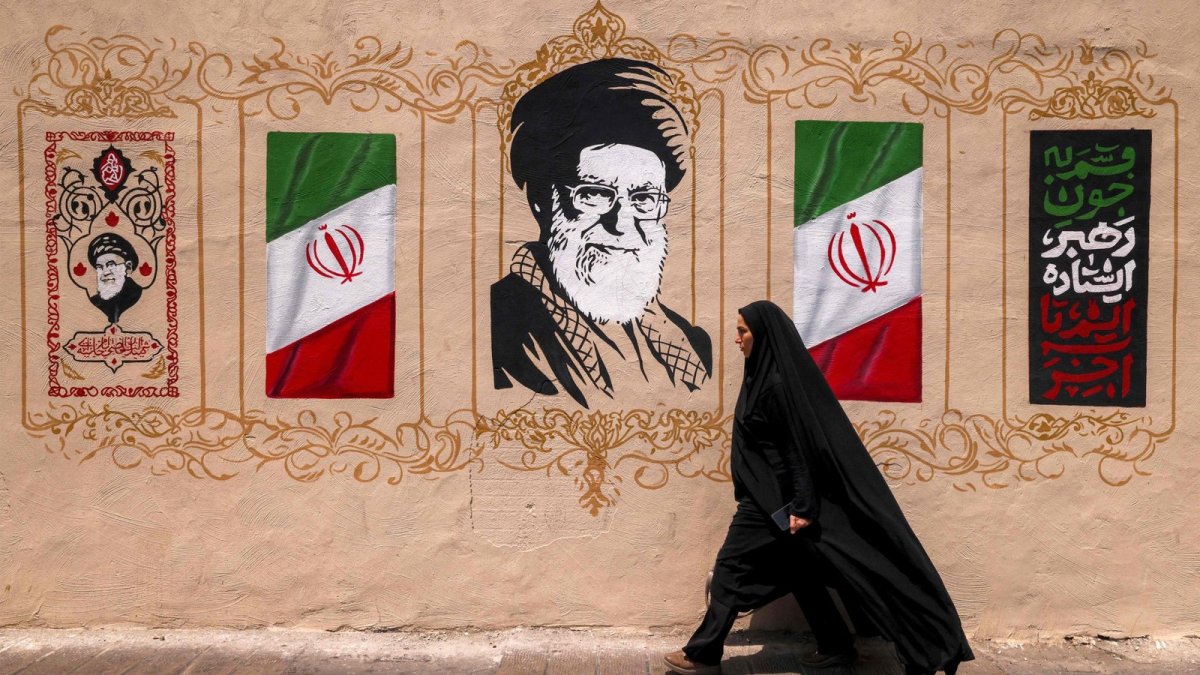
Iran-Oman Agreement Details on Hormuz Control
A U.S. official stated Friday that progress between Oman and Iran on the strait is evident and a deal is anticipated shortly. The agreement would restore commercial shipping without impediments. Once announced, the United States would lift the blockade of Iranian ports, with actions remaining performance-based and linked to Iran's implementation of commitments. Iranian officials have indicated the reopening would involve a service fee covering environmental impact, security, and staffing, with revenues divided equally between Iran and Oman. Reports suggest an initial 60-day window for reopening. However, an IRGC spokesman emphasized that any reopening remains subject to Iran's specific mechanisms and conditions, separate from the bilateral talks.
The proposed service fee structure reflects a careful balance between revenue generation and international sensitivities, avoiding the term "tolls" that might imply sovereignty claims over international waters. This equal division of revenues between Iran and Oman could provide both nations with economic incentives to maintain stability, while the 60-day initial reopening window serves as a confidence-building measure to test compliance before any longer-term commitments.
An IRGC spokesman clarified that any reopening hinges on the United States accepting Iran's conditions and stressed that the process has nothing to do with the Iran-Oman negotiations themselves, underscoring Tehran's intent to keep bilateral diplomacy distinct from its broader demands on Washington.
Strategic Stakes of the Strait of Hormuz
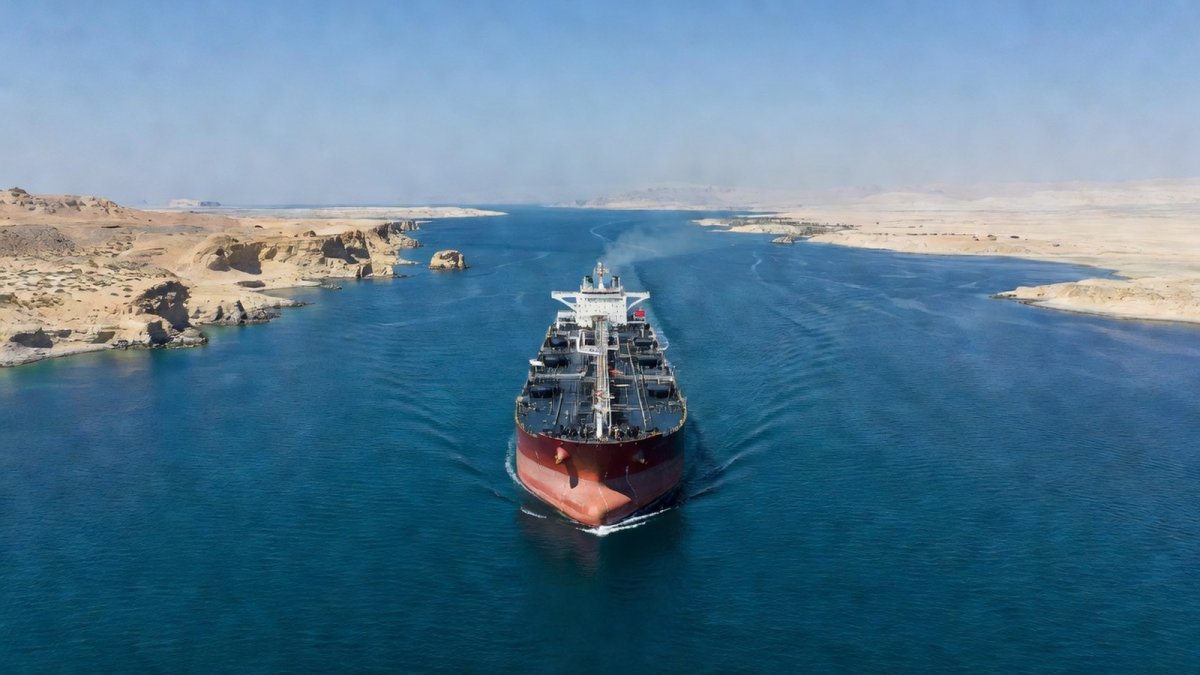
Before the war, approximately one out of every five barrels of oil consumed worldwide transited the Strait of Hormuz. Iran has imposed tolls on tankers and fired on vessels attempting passage without permission during the hostilities. These actions have halted normal traffic and driven energy price surges. The waterway's control directly affects global supply routes, with Oman and Iran as the bordering states holding key leverage over access. Any deal would mark a step toward broader peace arrangements while addressing immediate disruptions to energy flows.
The Strait's vulnerability was highlighted during the 2019 tanker attacks and the ensuing US-Iran shadow tanker war, which demonstrated how quickly disruptions could ripple through global energy markets. These events echoed the 1980s Tanker War during the Iran-Iraq conflict, when both sides targeted shipping to strangle economic lifelines, establishing a pattern of using the waterway as a pressure point in regional rivalries.
War Timeline and Ceasefire Dynamics
The conflict began on February 28, 2026, when the United States and Israel launched strikes on Iran. A June 17 memorandum of understanding established terms for resuming oil shipments and produced a ceasefire. Hostilities resumed on July 7 before being placed on hold again. The U.S. military's Central Command has reported no strikes on Iran since July 29. Washington and Tehran have not held direct high-level talks since U.S. Vice President JD Vance met Iranian officials in Switzerland in June. Separate U.S. efforts continue to broker an end to fighting between Israel and Hezbollah in southern Lebanon, with Lebanon and Israel agreeing on a shortlist of countries to verify Hezbollah disarmament.
The June 17 MOU briefly paused fighting and allowed limited oil flows, yet the July 7 resumption of hostilities exposed the fragility of early agreements and the difficulty of sustaining momentum without sustained diplomatic engagement. The subsequent pause since late July has created a narrow window for de-escalation, though underlying mistrust continues to shape both sides' calculations.
Mecca Joint Defence Agreement and Sunni Bloc Alignment
Saudi Arabia, Pakistan, and Türkiye signed a joint defense agreement in Mecca on Friday. The pact treats an armed attack against any of the three as an attack on all. Turkish President Erdogan described it as purely defensive and open to other friendly nations. The agreement comes amid heightened tensions with Shiite-majority Iran and follows Iranian missile fire on Gulf oil exporters. It strengthens collective deterrence among majority-Sunni states and reflects efforts to counter Iranian regional proxy networks, including Houthi attacks on shipping in the Red Sea and Gulf of Aden.
The pact, formally signed on August 7 in Mecca by Saudi Arabia, Pakistan, and Türkiye, was presented by Erdogan as targeting no specific country and open to other friendly nations, signaling an inclusive approach to building a broader Sunni security architecture. Iran's sharp criticism of the agreement underscores its perception as a direct challenge to its regional influence and missile capabilities.
This alignment strengthens collective deterrence among Sunni states against Iranian missile threats and proxy activities, potentially reshaping Gulf security dynamics for years to come.
Iran's Internal Political Fissures
Signs of divisions between Iranian President Masoud Pezeshkian and other power centers, including Supreme Leader Ayatollah Mojtaba Khamenei and the Islamic Revolutionary Guard Corps, have complicated peace efforts. In a state television interview broadcast Friday, Pezeshkian defended negotiations with the United States against hardliner opposition. He noted that most senior military commanders support talks to end the fighting. Pezeshkian questioned why the United States would confront China when dialogue could secure Iranian rights, highlighting internal debates over engagement versus confrontation.
During his Friday state-TV interview, Pezeshkian explicitly asked, "When we can get our rights through dialogue, why not do it?" while pointing to the US-China rivalry as evidence that great powers can manage competition without constant confrontation. These remarks reveal deepening fissures between the president and hardliners clustered around Supreme Leader Mojtaba Khamenei and the IRGC, who favor a more confrontational stance.
Energy Market Implications
The five-month disruption has caused energy prices to surge and fueled inflation worldwide. Abu Dhabi National Oil Co. reported that 15 of its vessels were struck in unprovoked attacks while transiting the strait since the conflict began, resulting in one crew member killed and 20 wounded. A reopened strait without tolls or impediments would ease these pressures, though the proposed service fee structure could still affect costs. Broader OPEC+ dynamics and Gulf state diversification plans remain vulnerable to prolonged instability in the waterway.
The resulting oil price surge and global inflation have placed additional strain on economies already recovering from prior shocks, with ADNOC confirming that 15 of its vessels were struck during the conflict. Parallel Houthi attacks on shipping in the Bab el-Mandeb strait have compounded the crisis by threatening alternative routes around the Arabian Peninsula.
Regional Implications
A Hormuz deal could reduce immediate risks of escalation involving Iranian proxies such as Hezbollah and the Houthis while testing the durability of the Mecca defence pact among Sunni states. It would influence great power competition in the region, with the United States seeking performance-based outcomes and Iran balancing internal factions. The outcome may shape future Arab-Israeli normalization efforts and energy security for importers reliant on Gulf supplies. Continued U.S. mediation in Lebanon and the Hormuz talks will determine whether the current pause in hostilities leads to lasting arrangements or renewed confrontation.By Malik Hassan, Staff Writer
This article was produced with AI-assisted research and editorial support. Reporting is based on sources cited in the article.
What's Your Reaction?
 Like
0
Like
0
 Dislike
0
Dislike
0
 Love
0
Love
0
 Funny
0
Funny
0
 Wow
0
Wow
0
 Sad
0
Sad
0
 Angry
0
Angry
0

Middle East Correspondent at Global1.News. Based in Beirut, covering politics, conflict, energy, and society across the Middle East. Brings context and depth to a region often reduced to headlines.












Comments (0)