
Harry and Meghan Moving Back to UK After Six Years
The Duke and Duchess of Sussex are understood to be moving back to the UK later this month, a seismic development more than six years after they quit royal life for California. The couple, who have been living in Montecito since the so-called Megxit crisis of 2020, have already enrolled Prince Archie, seven, and Princess Lilibet, five, in British schools ahead of the new academic year in September.
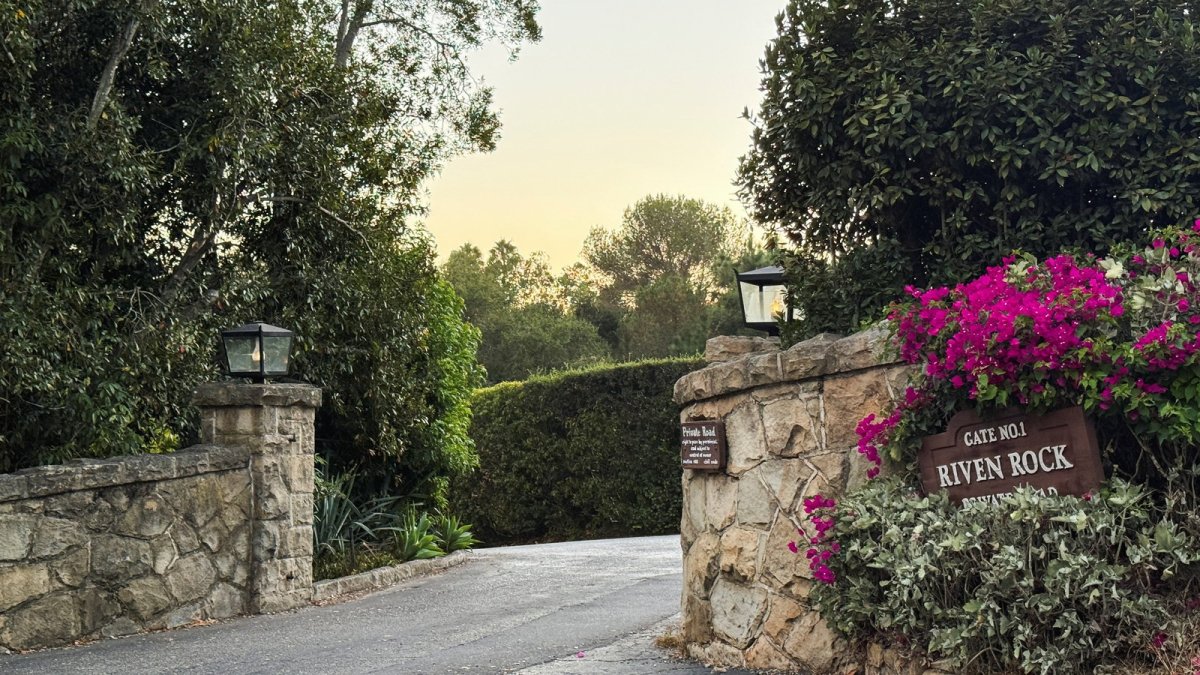
The Duke and Duchess of Sussex are understood to be moving back to the UK later this month, a seismic development more than six years after they quit royal life for California. The couple, who have been living in Montecito since the so-called Megxit crisis of 2020, have already enrolled Prince Archie, seven, and Princess Lilibet, five, in British schools ahead of the new academic year in September.
The King, who is living with cancer, was first made aware of the move on Sunday, three days before the news broke publicly. He is understood to welcome the opportunity to see more of his grandchildren, despite the deep fractures that have defined family relations in recent years. The couple are expected to make their home in a non-royal residence outside of London, with the Duchess continuing to run her lifestyle brand As Ever from their new base.
The development, first reported by The Daily Telegraph, marks a dramatic reversal of the couple's transatlantic reset. Since stepping back as senior royals in January 2020, Harry and Meghan have built a commercial empire in the United States, signing lucrative deals with Netflix and Spotify, and launching a series of high-profile projects. Yet the pull of Britain, and the unresolved question of security, has never been far from the surface.
A Family Still Divided: The Estrangement That Endures
The Sussexes remain estranged from the Prince and Princess of Wales, a rift that has shown little sign of healing despite the passage of time. Harry's memoir, Spare, published in January 2023, delivered a barrage of accusations against William, Kate, the King and Queen Camilla, laying bare private disputes over everything from inheritance to physical altercations. The book, which became one of the fastest-selling non-fiction titles in history, was followed by a series of television interviews in which the Duke repeated his claims with characteristic bluntness.
The couple's 2021 interview with Oprah Winfrey had already detonated a bomb under the monarchy, with Meghan alleging that a member of the royal family had expressed concern about the colour of Archie's skin before his birth, and that she had been denied help when she was suicidal. The Palace's response at the time — that "recollections may vary" — was widely interpreted as a dismissal of her account, and the wounds have never fully closed.
For the Prince and Princess of Wales, the return of the Sussexes to British soil presents a delicate challenge. The two couples have not been photographed together since the Queen's funeral in September 2022, and even then, they were carefully separated. The prospect of Archie and Lilibet attending school in Britain, with the attendant school-run encounters and family gatherings, will test the fragile protocols that have kept the two households apart.
Royal insiders suggest that the King, despite his illness, has been the driving force behind attempts at reconciliation. His diagnosis, announced in February 2024, has focused minds on legacy and family unity. The monarch is understood to have maintained a line of communication with his younger son, even as the public war of words continued. The decision to inform him of the move on Sunday, before the news broke, is seen as a sign of respect and an attempt to avoid another public relations disaster.
The Security Question: Ravec, the Home Office, and a Multi-Year Legal Battle
At the heart of the Sussexes' return lies the vexed question of security. Harry has been engaged in a multi-year legal battle with the Home Office and the executive committee for the protection of royalty and public figures (Ravec) after his tax-funded armed police protection was removed when he and the Duchess left the UK in 2020. He previously lost a High Court challenge over the downgrading of his security in Britain, a ruling that he has vowed to appeal.
Following the news of the move, a Home Office spokesperson said: "The UK government's protective security system is rigorous and proportionate. It is our long-standing policy not to provide detailed information on those arrangements, as doing so could compromise their integrity and affect individuals' security."
The statement, carefully worded, offers little comfort to those hoping for clarity on how the Duke and Duchess will be protected. The home secretary does not get involved in security arrangements for members of the royal family or other key public figures; decisions are taken by Ravec, whose membership includes the Home Office, the Metropolitan Police and the royal household. The committee works together to advise the independent chair in making decisions, informed by expert risk assessments and in line with government policy.
The question of whether Harry will receive taxpayer-funded protection on his return remains unresolved. His legal team has argued that his status as a son of the monarch and sixth in line to the throne warrants the same level of security he enjoyed before 2020. The Home Office has countered that the decision was made on the basis of risk assessments, and that Harry's reduced public role and residence abroad justified the change.
For the Sussexes, the security issue is not academic. Harry has spoken publicly of his fear that his family could be targeted, citing his mother's death in a Paris car crash in 1997 as a constant reminder of the dangers of public life. The couple's decision to move back to Britain, despite the unresolved security question, suggests either that they have received private assurances or that they are prepared to take the risk.
What This Means for the Monarchy: A New Chapter or a Fresh Crisis?
The return of the Sussexes poses a profound challenge to the institution of the monarchy. The King, who has spent his first years on the throne managing a slimmed-down royal family, now faces the prospect of his younger son and daughter-in-law operating on British soil as private individuals, outside the formal structures of the House of Windsor.
It is understood there will be no change to Harry and Meghan's role and status as private individuals and non-working members of the royal family, and they will not be offered a "half-in-half-out" option when it comes to these roles. This is a significant statement of intent from the Palace: the Sussexes will not be allowed to cherry-pick royal duties while enjoying the privileges of the institution.
Yet the practical realities are more complex. The couple's presence in Britain will inevitably draw attention, and their commercial activities — including Meghan's As Ever brand and Harry's various philanthropic ventures — will continue to generate headlines. The question of whether they will appear at major royal events, such as Trooping the Colour or the Remembrance Sunday ceremony at the Cenotaph, remains unanswered.
For the Prince of Wales, the return of his brother represents both a threat and an opportunity. William has been quietly building his own vision of the monarchy, focused on the environment, homelessness and mental health. The presence of Harry and Meghan in Britain could either provide a counterweight to the traditionalists within the Palace or reignite the sibling rivalry that has defined their relationship since childhood.
The King's health adds an emotional dimension to the story. The monarch, who has continued to carry out public duties despite his diagnosis, is understood to be determined to see his grandchildren grow up. The prospect of Archie and Lilibet attending school in Britain, and the possibility of regular family gatherings, is said to be a source of genuine joy for him.
Reaction and Analysis: A Calculated Gamble
The news of the Sussexes' return has been met with a mixture of surprise, scepticism and cautious optimism. Royal commentators have noted that the couple's decision to move back to Britain, while retaining their homes in Montecito and Portugal, suggests a desire to re-establish a foothold in the UK without severing their American ties.
The choice of a non-royal residence outside of London is significant. It allows the couple to maintain a degree of privacy while remaining within easy reach of the capital. The enrolment of Archie and Lilibet in British schools is a clear signal that the move is intended to be long-term, at least for the children's education.
For Meghan, the move represents a return to a country where she has faced intense scrutiny and, at times, outright hostility. The Duchess's relationship with the British press has been fraught since her relationship with Harry became public in 2016. Her legal battles with the Mail on Sunday over the publication of a private letter to her father, and her successful claim against Associated Newspapers for breach of privacy, have made her a polarising figure in the media landscape.
The couple's commercial interests will also be affected. While they are expected to retain their Montecito base, the move to Britain suggests a recalibration of their priorities. Meghan's As Ever brand, which has struggled to gain traction in the US market, may benefit from a British base. Harry's Invictus Games, which he founded in 2014, has strong ties to the UK, and his work with African Parks and other charities could be enhanced by a return to London.
What Happens Next: The Road Ahead
The coming weeks will be critical. The Sussexes are expected to complete their move later this month, with Archie and Lilibet starting school in September. The couple will need to navigate a complex web of security arrangements, media attention and family dynamics.
The Palace is understood to be taking a cautious approach, with no plans for a formal welcome or public statement beyond the confirmation of the King's awareness of the move. The Prince and Princess of Wales have remained silent, and there are no indications of an imminent reconciliation.
For the monarchy, the return of the Sussexes is a test of its ability to adapt. The institution has survived wars, scandals and constitutional crises, but the presence of a disaffected prince and his American wife on British soil, operating outside the traditional structures, is uncharted territory. The King, who has spoken of his desire to modernise the monarchy, may see this as an opportunity to demonstrate that the institution can accommodate difference.
For Harry and Meghan, the move is a gamble. They are returning to a country where they have both been vilified and celebrated, where their every move will be scrutinised, and where the security question remains unresolved. But they are also returning to family, to history, and to a life that, for all its complications, remains their home.
The next chapter of the Sussex story is about to begin. Whether it ends in reconciliation or further division remains to be seen.
By Erica Thornton, Staff Writer
This article was produced with AI-assisted research and editorial support. Sources: Press Association, The Independent, BBC News, The Daily Telegraph.
What's Your Reaction?
 Like
0
Like
0
 Dislike
0
Dislike
0
 Love
0
Love
0
 Funny
0
Funny
0
 Wow
0
Wow
0
 Sad
0
Sad
0
 Angry
0
Angry
0

US Politics and Policy Correspondent at Global1.News. Based in Washington DC, covering American politics, policy, elections, and the courts. Knows how the system works and tells you what it actually means.













Comments (0)