
Global Far‑Right Setbacks in Brazil, Israel and the United States
In a recent opinion piece for Middle East Eye, editor Joe Gill outlined a series of electoral defeats that have rattled the global far‑right agenda. For Palestinians and other displaced peoples, Brazil’s electoral shift carries symbolic weight.
In a recent opinion piece for Middle East Eye, editor Joe Gill outlined a series of electoral defeats that have rattled the global far‑right agenda. The video, posted on 5 November 2026, links three distinct contests – the Brazilian presidential race, Israel’s parliamentary elections and the United States mid‑term polls – to a broader pattern of waning momentum for extremist forces. While the analysis remains focused on the immediate outcomes of these contests, it also flags the lingering potency of far‑right movements, especially in Europe, where economic strain and anti‑migrant sentiment continue to provide fertile ground for radical politics. The following sections unpack Gill’s observations, situating them within the larger human‑rights context that shapes the lives of ordinary people across the Middle East and beyond.
Brazil’s Unexpected Turn: Flávio Bolsonaro’s Defeat
Gill points to the defeat of Flávio Bolsonaro as a clear signal that Brazil’s far‑right surge has encountered serious resistance. Flávio, a son of former President Jair Bolsonaro, was widely seen as a torch‑bearer for the nationalist, anti‑immigrant rhetoric that has defined the country’s recent political climate. His loss, according to the report, demonstrates that voters are willing to reject the hard‑line agenda that has often marginalized minorities and stoked social division.
For Palestinians and other displaced peoples, Brazil’s electoral shift carries symbolic weight. The country has historically been a destination for refugees seeking safety from conflict zones, including those fleeing the Israeli occupation. A government less inclined toward nationalist exclusion can translate into more welcoming policies for asylum seekers, easing the human‑rights burden on vulnerable populations. Gill’s commentary, while centered on electoral mechanics, implicitly underscores how far‑right setbacks can open space for more inclusive immigration and asylum frameworks.
Nevertheless, the video cautions that Brazil’s defeat does not erase the underlying structures that enable far‑right ideologies to resurface. Political parties and media outlets that have cultivated anti‑immigrant narratives remain active, ready to capitalize on economic downturns or social unrest. In a region where economic disparities are stark, the prospect of a revived nationalist surge cannot be dismissed outright.
Israel’s Parliamentary Realignment: Netanyahu’s Loss of Majority
In Israel, the 2026 parliamentary elections produced a decisive blow to Benjamin Netanyahu’s long‑standing dominance. Gill notes that Netanyahu’s loss of a parliamentary majority marks a turning point for the country’s right‑wing coalition, which has long championed settlement expansion and policies that exacerbate the daily hardships of Palestinians living under occupation.
The human‑rights implications of this shift are profound. A weakened Netanyahu bloc could translate into reduced legislative support for settlement activity, potentially easing the pressure on Palestinian villages that face demolition orders, land confiscation and restricted movement. While the video does not detail specific policy changes, the very fact that the far‑right lost its parliamentary grip suggests a window for renewed diplomatic engagement and perhaps a re‑opening of negotiations that have been stalled for years.
Gill also warns that the far‑right’s influence remains embedded in other political currents within Israel, particularly among parties that continue to frame security concerns in terms that marginalize Palestinian citizens and residents of the West Bank and Gaza. The loss of a majority does not automatically dismantle these narratives, and any future coalition could still draw on far‑right rhetoric to mobilize its base.
United States Mid‑Term Setback: Republican Party’s Decline
The United States mid‑term elections, as described in the video, delivered a setback to the Republican Party, which has increasingly aligned itself with far‑right platforms under the shadow of former President Donald Trump. Gill emphasizes that the Republican losses signal a broader fatigue among American voters toward extremist discourse that often blurs the line between legitimate political critique and hate‑filled propaganda.
For the Palestinian cause, the United States remains a pivotal actor. A Republican retreat from far‑right dominance could temper the most vocal supporters of policies that endorse settlement expansion, military aid without human‑rights conditions, and diplomatic shielding of Israel from United Nations resolutions. While the video does not claim an immediate policy reversal, the electoral shift creates space for congressional voices that may push for conditional aid and greater scrutiny of human‑rights violations.
Gill’s analysis also notes that the far‑right’s resilience is most pronounced in Europe, where rising living costs and political instability continue to fuel anti‑migrant sentiment. This observation reminds readers that setbacks in Brazil, Israel and the United States do not guarantee a global decline of extremist forces; rather, the struggle is uneven and context‑specific.
European Front: Economic Strain and Anti‑Migrant Sentiment
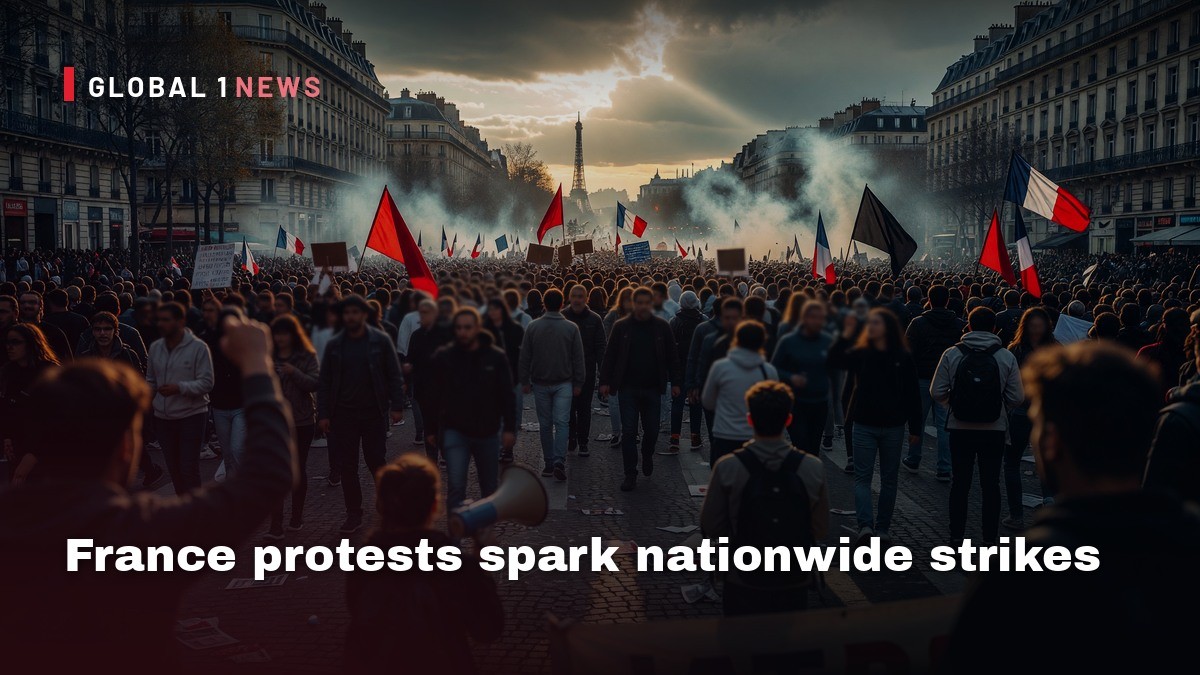
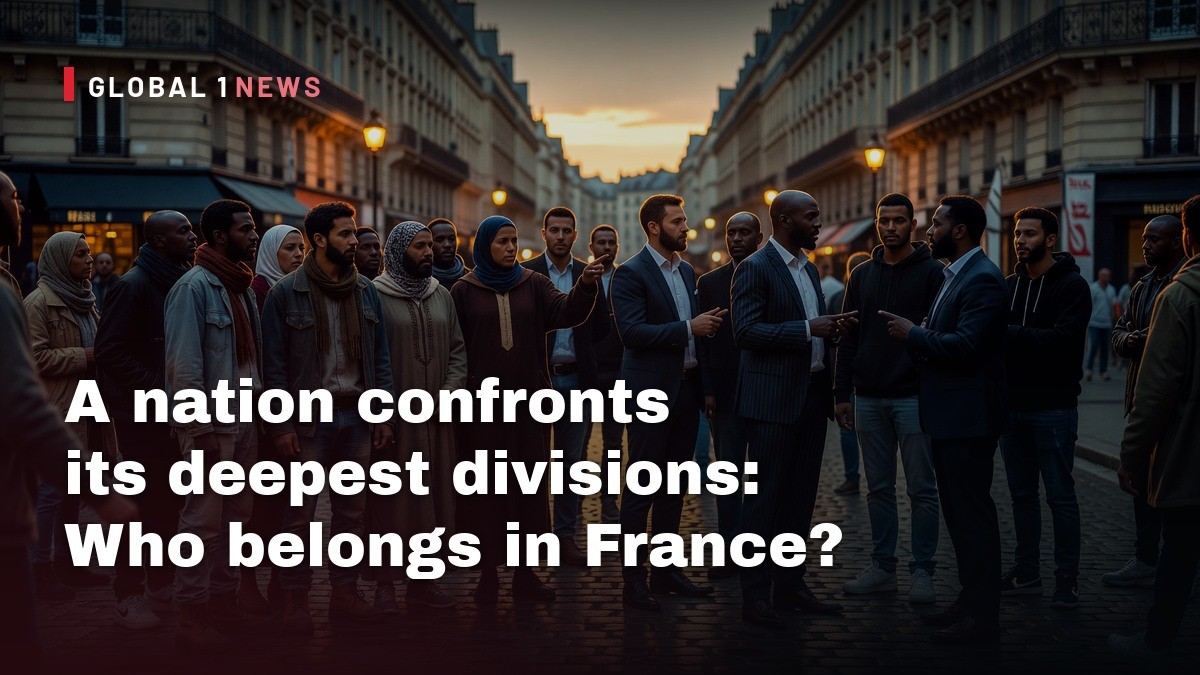
The video’s final segment turns to Europe, identifying it as the region where the far‑right retains its strongest foothold. Gill argues that soaring living costs, coupled with political instability, have amplified anti‑migrant narratives that resonate with voters feeling economically insecure. In many European capitals, right‑wing parties have leveraged these anxieties to demand stricter border controls and reduced asylum quotas.
From a human‑rights perspective, this trend threatens the safety of Palestinians seeking refuge from the ongoing occupation. European nations that tighten asylum policies risk turning away individuals who have already endured displacement, house demolitions and restricted access to basic services. The video underscores that while far‑right setbacks elsewhere are noteworthy, the European theatre remains a critical battleground for the protection of refugee rights.
Gill’s warning also carries a geopolitical dimension. Europe’s economic interdependence with the United States and its historical role as a diplomatic mediator in the Middle East mean that a resurgence of far‑right politics could influence the continent’s willingness to pressure Israel on settlement activity or to support United Nations resolutions condemning human‑rights abuses. The interplay between domestic politics and foreign policy thus becomes a decisive factor in shaping the lived realities of Palestinians.
Human‑Cost Across the Three Nations
Beyond the electoral statistics, Gill’s commentary invites reflection on the human cost of far‑right politics. In Brazil, anti‑immigrant rhetoric has at times manifested in hate crimes against migrants from Venezuela and other Latin American nations. In Israel, settlement expansion and security measures have led to the demolition of homes, the uprooting of families and the restriction of movement for millions of Palestinians. In the United States, the far‑right’s embrace of nationalist symbols has emboldened extremist groups that target minority communities, including Arab‑American and Muslim‑American citizens.
Each of these contexts illustrates how political victories or defeats translate into concrete experiences for ordinary people. When far‑right parties gain power, the risk of policy measures that erode civil liberties, curtail freedom of movement and legitimize discrimination rises sharply. Conversely, electoral setbacks can create openings for civil‑society actors, human‑rights NGOs and moderate politicians to advocate for protective legislation, humanitarian aid and accountability mechanisms.
The video’s emphasis on electoral outcomes therefore serves as a proxy for assessing the broader trajectory of human‑rights protections. While Gill does not provide specific numbers on casualties or displacement, the qualitative link between political power and human‑rights outcomes is clear: the more entrenched the far‑right, the greater the threat to vulnerable populations.
Looking Forward: The Fragile Balance of Global Far‑Right Momentum
Gill concludes with a sober assessment: the far‑right remains a potent force, even as recent elections have delivered notable setbacks. The three cases – Brazil, Israel and the United States – demonstrate that electoral dynamics can shift the balance of power, but they also reveal the adaptability of extremist movements. In Europe, for example, rising living costs and political turbulence continue to provide fertile ground for anti‑migrant platforms that echo the rhetoric once seen in Brazil or the United States.
For the Palestinian narrative, this analysis underscores the importance of monitoring not only local developments but also the transnational currents that shape policy environments. A weakened far‑right in one country can inspire activists and legislators elsewhere to push for more humane policies, yet the persistence of such ideologies in other regions can counterbalance those gains. The interplay of domestic politics, international law and humanitarian concerns remains complex and ever‑shifting.
In the final reckoning, Gill’s video reminds us that the battle over the far‑right is not merely a contest of votes; it is a struggle over the very standards of dignity, equality and justice that underpin international human‑rights law. As the world watches the outcomes of these three elections, the hope expressed in the report is that each setback will translate into real, measurable improvements in the lives of those who have long borne the brunt of extremist policies – from displaced Palestinians to migrants seeking safety across continents.
By Fatima Al-Rashid, Staff Writer
This article was produced with AI-assisted research and editorial support. Reporting is based on the source material cited below. Sources: Middle East Eye video report (05 November 2026); Middle East Eye; Global1.News
What's Your Reaction?
 Like
0
 Dislike
0
 Love
0
 Funny
0
 Wow
0
 Sad
0
 Angry
0
Gulf/MENA Correspondent at Global1.News. Based in Doha, covering Gulf politics, energy markets, diplomacy, and development across the Middle East and North Africa. Tracks the economic transformation of the Gulf states.










Comments (0)