
Gaza Children's Marathon Shines Light on Growing Orphan Crisis
Hundreds of children laced up their running shoes in Gaza today for a marathon that turned the streets into a living call for help, much like the dusty fields where South African kids chase dreams ahead of the Comrades Marathon between Durban and Pietermaritzburg.
Hundreds of children laced up their running shoes in Gaza today for a marathon that turned the streets into a living call for help, much like the dusty fields where South African kids chase dreams ahead of the Comrades Marathon between Durban and Pietermaritzburg. Organised by the International Networking for Humanitarian, the event drew hundreds of young runners whose every stride highlighted the orphan crisis that has left more than 60,737 children without at least one parent since October 2023. South African sports fans know the power of such races to bind communities, from the Two Oceans Marathon in Cape Town to the nationwide parkrun movement that gives children routine and hope on bare feet.
Gaza Children Run Marathon to Spotlight Orphan Crisis, Echoing South Africa's Healing Power of Sport
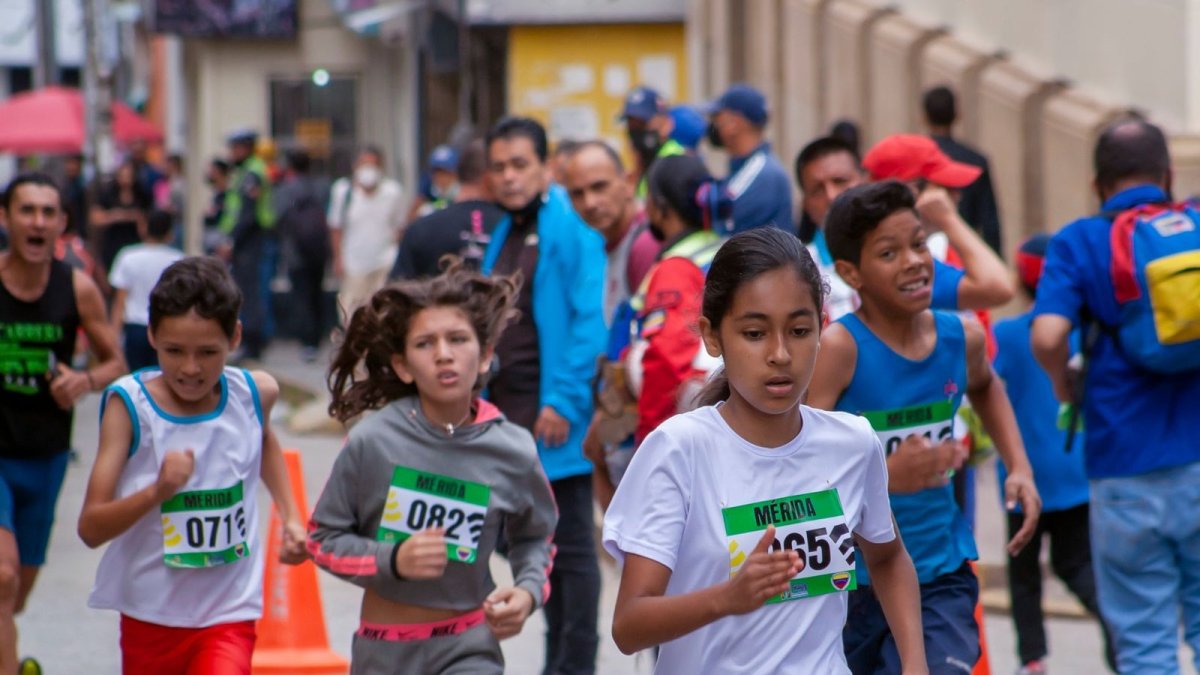
Gaza Strip, Palestine – Today — Hundreds of children took part in a marathon organised by the International Networking for Humanitarian to raise awareness of the growing number of children who have lost one or both parents during the war. The route was lined with banners and messages from families, volunteers and supporters, all echoing that the children of Gaza need our help. Local officials and community leaders attended the event to express solidarity and advocate for increased resources for orphan support, calling specifically for psychological support, foster care and educational opportunities.
The Race and Its Meaning
The marathon formed part of a series of symbolic children's running events in Gaza, following an earlier 500-metre race in 2026 where around 110 children participated in the Zainab Orphans Project on the 78th anniversary of the Palestinian Nakba and International Family Day, complete with medals, music and celebration after the finish. Today’s larger event saw participants run past banners that carried direct messages demanding global attention, while local officials stood alongside community leaders to push for concrete resources. Every step reinforced the demand for psychological support programmes, foster care systems and educational opportunities that the International Networking for Humanitarian placed at the centre of the day’s appeals.

The Scale of the Crisis
A Palestinian health ministry report published on 29 July 2026 stated that more than 60,737 children in the Gaza Strip have lost at least one parent since October 2023, broken down into 52,095 who lost their fathers, 5,929 who lost their mothers, and 2,713 who lost both parents. The same report recorded that 2,276 families comprising 8,858 individuals had been completely wiped out from the civil registry. Overall deaths in Gaza have surpassed 73,000 since October 2023, with more than 1,100 people killed since a ceasefire took effect in October despite continued strikes.
UNICEF executive director Catherine Russell stated on 8 October 2025 that 64,000 children had been killed or maimed over two years, including at least 1,000 babies, with famine persisting in Gaza City and spreading south. Palestinian Central Bureau of Statistics data from April 2025 already showed 39,384 children who had lost one or both parents after 534 days, including about 17,000 deprived of both, confirming the Gaza Strip suffers the largest orphan crisis in modern history. The UN Independent International Commission of Inquiry in June 2026 found that around 30 percent of those killed were children and concluded Israel committed genocide. Children under 18 make up about 43 percent of the combined Palestinian population of 5.5 million in Gaza and the occupied West Bank, a proportion that turns every statistic into a generation-scale loss larger than the crowd at a full FNB Stadium on match day.
Sport as a Language of Hope
Running events like today’s marathon give children a structured activity that restores routine and dignity amid crisis, exactly as South African grassroots programmes use sport to rebuild lives after trauma. The International Networking for Humanitarian designed the race to spotlight the need for mental health support, knowing that nearly all of the estimated 19,000 to 24,000 orphans require such care according to UNICEF and Euro-Mediterranean Human Rights Monitor figures. By turning the streets into a shared course, the organisers created a visible platform that carried the same message of resilience seen when South African children run barefoot on dusty fields toward organised events.
Hundreds of children ran the recent marathon organised by the International Networking for Humanitarian, with the route lined by banners carrying messages from families, volunteers and supporters, while local officials and community leaders attended to express solidarity. Earlier in 2026 around 110 children completed the 500-metre Zainab Orphans Project marathon on the 78th anniversary of the Palestinian Nakba and International Family Day, receiving medals amid music and celebration that turned the finish line into a moment of collective achievement. These events demonstrate how structured running creates routine, teamwork and visible progress for children who have lost parents, directly addressing the mental-health needs highlighted by UNICEF estimates of at least 19,000 orphans and Euro-Mediterranean Human Rights Monitor figures exceeding 24,000 children who lost one or both parents.
In humanitarian settings across conflict zones, organised play like these short-distance races provides release and a sense of control when daily life offers little stability. Nearly all the orphaned children require mental-health support, and the post-race celebrations with music and medals mirror the way South African parkrun groups and school sports programmes use movement to rebuild confidence after trauma. The Gaza runs show that even brief, supported efforts can restore agency, much as grassroots athletics has done in rebuilding communities after periods of division at home.
The South African Connection
South Africa’s official stance at the International Court of Justice on genocide allegations against Israel reflects the same solidarity that moves local fans to see parallels between Gaza’s young runners and the unifying force of the 1995 Rugby World Cup or the 2023 Springboks campaign. The Comrades Marathon and Two Oceans Marathon have long shown how endurance events knit communities together, and the MultiChoice Diski Challenge demonstrates how structured sport reaches children in townships with the same promise of hope that today’s Gaza race extended. South African sports culture holds that a child with a pair of takkies can dream beyond immediate hardship, a belief now mirrored in the banners lining the Gaza route.
South Africa's own endurance culture, from the Comrades Marathon between Durban and Pietermaritzburg to the Two Oceans Marathon in Cape Town, has long shown how long-distance running forges resilience and unity across divided communities. The 1995 Rugby World Cup and the 2023 Springboks success as "South Africa's team" proved sport can heal after conflict, while the MultiChoice Diski Challenge continues to develop young talent through grassroots structures that reach children running barefoot on dusty fields. This same spirit of solidarity underpins South Africa's ICJ case against Israel and the ongoing public movements supporting Palestinian rights.
Local fans can translate that connection into action by donating to established humanitarian organisations delivering psychological support, foster care and educational opportunities in Gaza. They can also keep the story visible through community discussions and support transformation programmes that give South African children access to proper training facilities and coaching. The Gaza children's marathon, covered by Al Jazeera English on 1 August 2026, reminds us that every pair of takkies placed on young feet carries the same promise of dignity that South African sport has carried for generations.
What the World Can Learn
The event received international media coverage that amplified calls for greater community and international support, proving that symbolic races can shift global focus toward orphan needs in the same way South African sporting moments have fostered national unity. Organisers emphasised that psychological support, foster care and educational opportunities must follow the visibility created by the run, lessons already embedded in South African transformation programmes that link sport to long-term social cohesion. The presence of local officials alongside the children underscored that sustained resources, not one-off events, determine whether such races produce lasting change.
International media coverage of the Gaza marathon, including the Al Jazeera English video published 1 August 2026, has amplified organisers' calls for psychological support, foster care and educational opportunities, yet a clear gap remains between visibility and sustained resources. The event drew local officials and community leaders who advocated for increased funding, showing that sport can serve as an entry point for broader humanitarian response when paired with concrete programmes. Lessons from South African transformation initiatives, such as the MultiChoice Diski Challenge and parkrun networks, demonstrate how consistent investment in coaching, facilities and mental-health integration turns one-off events into lasting community infrastructure.
Effective support requires long-term commitment to schooling and foster systems rather than short-term aid spikes. The UN Independent International Commission of Inquiry's June 2026 findings on the scale of child casualties underscore why sport-based interventions must be embedded in wider protection efforts. South African experience shows that when sport is used deliberately for social cohesion, it builds the daily structures children need to recover, offering a practical model for organisations responding to the orphan crisis in Gaza.
What to Watch For
Future races in the series will likely expand on the Zainab Orphans Project model, with organisers expected to track how many participants gain access to the psychological support and schooling the event demanded. South African sports bodies and fan groups watching the coverage will recognise the same grassroots energy that fuels parkrun growth and school running clubs across the country. Continued international attention on these events could pressure additional funding for foster care systems in Gaza, mirroring how South African solidarity movements have kept Palestine visible in local stadiums and on running routes.
The children who ran today carried more than their own stories; they carried the weight of a crisis that has already claimed tens of thousands of parents and the hope that sport can still open doors to support. South African fans know that every race, from the Comrades to a township parkrun, builds something larger than the finish line. These young runners in Gaza have issued the same invitation: turn attention into action before more children lose the chance to dream.
By Dante Williams, Staff Writer
This article was produced with AI-assisted research and editorial support. Reporting is based on sources cited in the article.
What's Your Reaction?
 Like
0
Like
0
 Dislike
0
Dislike
0
 Love
0
Love
0
 Funny
0
Funny
0
 Wow
0
Wow
0
 Sad
0
Sad
0
 Angry
0
Angry
0

Breaking News and Investigations Correspondent at Global1.News. Based in London, covering global breaking news, security, and investigative stories. Known for digging deeper and connecting the dots across continents.









Comments (0)