
Flock reportedly tries to shrink workforce with employee buyouts
Flock Safety’s latest move—offering “generous” severance buyouts to a chunk of its 1,500‑person staff—reads like a panic button from the front lines of the surveillance tech war.
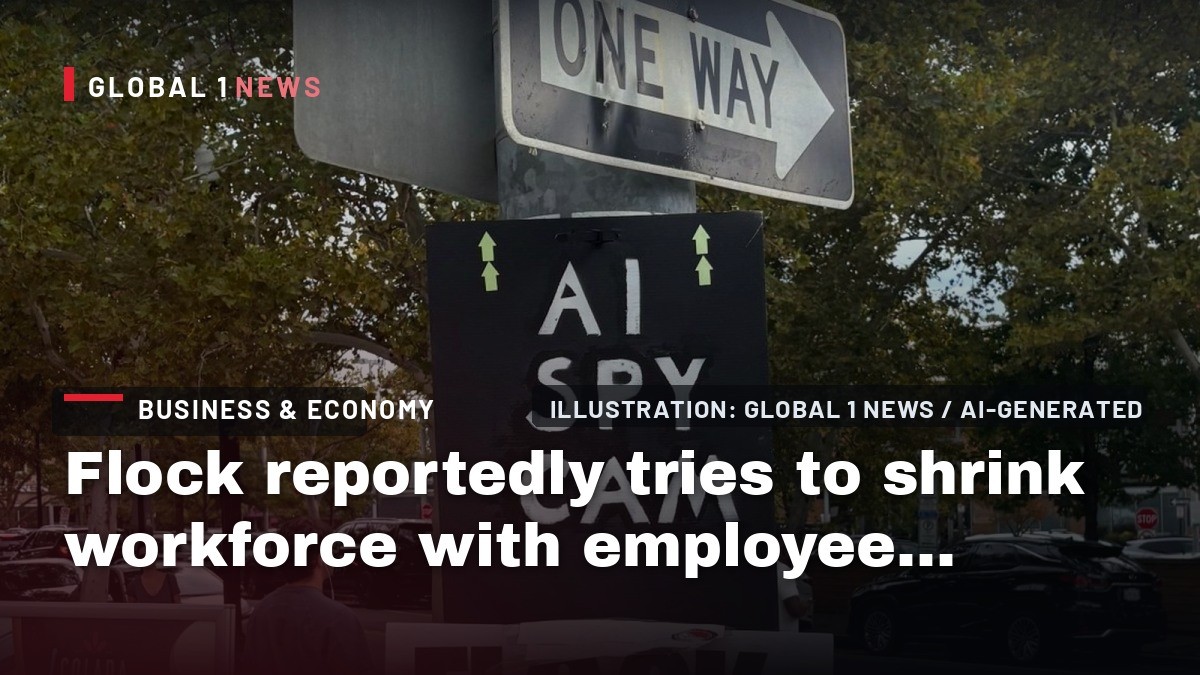
Flock Safety’s latest move—offering “generous” severance buyouts to a chunk of its 1,500‑person staff—reads like a panic button from the front lines of the surveillance tech war. The company’s internal memo touts the packages as the most generous ever, but the subtext is clear: it’s trying to shed headcount before the backlash forces a full‑blown layoff. For independent hosting providers and founders, the Flock saga is a cautionary tale about the fragility of hype‑driven, VC‑fuelled products that sit on shaky legal and public‑sentiment ground.
Why the buyouts matter more than the headline numbers
Flock’s decision to roll out voluntary buyouts signals a strategic retreat rather than a benevolent gesture. The report notes that a “significant portion” of the workforce is expected to bite, and the company will grant the buyouts to a majority of those who show interest. In practice, that means a sizable slice of the team will walk out with cash in hand, leaving the remaining staff to shoulder the operational load while morale continues to sag.
From a founder’s perspective, the real risk isn’t the headline 1,500‑person headcount; it’s the loss of institutional knowledge and the disruption to product pipelines when you’re forced to prune staff under duress. When the talent pool shrinks, the remaining engineers and salespeople are stretched thin, and the inevitable drop in velocity can turn a short‑term cash‑saving measure into a long‑term competitive disadvantage.
The backlash that triggered the crisis
The Washington Post identified 46 cases where police officers allegedly misused Flock’s license‑plate recognition tech, ranging from stalking personal relationships to other questionable surveillance practices. Those stories sparked a wave of public outcry that quickly translated into concrete business losses: Florida and Texas announced they would stop using the startup’s technology, and an anti‑surveillance group logged 90 city contracts dropped in August alone—a fourfold jump from the prior month.
For any tech firm that leans heavily on government contracts, that kind of churn is a red flag. One state pulling out can cascade into a regional loss, and the reputational damage can snowball into a broader market retreat. Independent hosting providers watch this and learn that a single vertical dependency can become an Achilles’ heel if the regulatory or public sentiment shifts.
Internal morale: the silent killer
Flock’s CEO Garrett Langley told the All‑In podcast that the “biggest damage” from the backlash was to internal morale. When staff see their product under fire and watch contracts evaporate, the workplace culture erodes fast. The company’s own description of the buyouts as “most generous” ever offered is a thin veneer over a deeper morale crisis.
From a founder’s seat, you know that morale isn’t just a feel‑good metric; it directly impacts uptime, incident response, and the ability to innovate under pressure. A demoralised team is more likely to make mistakes, miss SLA commitments, and struggle with the kind of rapid iteration needed when a product’s market fit is under scrutiny.
What the numbers tell us—without fabricating them
The source material gives us three hard data points: a 1,500‑person workforce, 46 misuse cases reported, and 90 city contracts dropped in August—a fourfold increase from July. Those figures paint a picture of a company under siege from both operational and reputational angles. The fourfold spike in contract cancellations alone suggests that the backlash was not a blip but a accelerating trend.
For independent hosting operators, the lesson is to monitor churn metrics closely. A sudden uptick in lost contracts or a surge in negative press can be an early warning sign that you need to diversify revenue streams before the panic button is pressed.
VC‑fuelled hype versus hard‑earned cash flow
Flock’s situation underscores the danger of building a business model that leans heavily on hype and venture capital without a solid, diversified cash flow. The company’s reliance on license‑plate recognition tech sold to law‑enforcement agencies made it vulnerable to policy shifts and public sentiment. When the backlash hit, the cash burn likely outpaced the ability to replace lost revenue, forcing the leadership to consider cost‑cutting measures like buyouts.
Founders in the hosting space should take note: chasing the next big “AI‑powered” or “surveillance‑grade” product can be tempting, but without a broad customer base and clear compliance pathways, you’re setting yourself up for a similar squeeze when the market turns.
Practical steps for founders facing similar storms
First, diversify your client portfolio. Don’t let a single vertical dominate your revenue. Second, build a reserve fund that can cover at least a few months of payroll in case contracts evaporate. Third, keep a close eye on public sentiment and regulatory trends; an emerging controversy can be caught early with proper monitoring. Fourth, maintain transparent internal communications—when morale dips, a clear roadmap can mitigate the fallout.
Finally, consider the human cost of rapid expansion. Hiring sprees driven by VC money can create a bloated payroll that becomes a liability when the market contracts. A lean, cross‑trained team can weather the storm better than a massive, specialised workforce that can’t pivot quickly.
Bottom line: The Flock fallout is a warning, not a headline
Flock Safety’s buyout offer is a symptom of a deeper problem: a product that sits on a controversial edge, a customer base that can be yanked away by policy changes, and a morale‑draining backlash that erodes the very engine that keeps the company running. For independent hosting providers and founders, the story is a reminder that hype and VC money can’t shield you from the fundamentals—solid cash flow, diversified revenue, and a resilient team.
In the end, the smartest move is to learn from Flock’s missteps and build a business that can survive when the hype fades and the regulators knock. That’s the only way to keep the lights on and the servers humming, no matter who’s watching.
— Allan Ali, Founder
This article was produced with AI-assisted research and editorial support. Reporting is based on the source material cited below. Sources: TechCrunch; techcrunch.com; Global1.News (20 September 2026).
By Allan Ali, Global1.News
What's Your Reaction?
 Like
0
Like
0
 Dislike
0
Dislike
0
 Love
0
Love
0
 Funny
0
Funny
0
 Wow
0
Wow
0
 Sad
0
Sad
0
 Angry
0
Angry
0

Publisher of Global1.News. Automation architect, systems builder, and the guy making sure the truth gets published.















Comments (0)