
Eastern Canada Premiers Urge Buy Local Amid U.S. Tariffs
Premiers across Eastern Canada are once again urging residents to open their wallets for Canadian-made goods, mobilizing a grassroots economic defence as the country braces for the impact of sweeping new American tariffs.
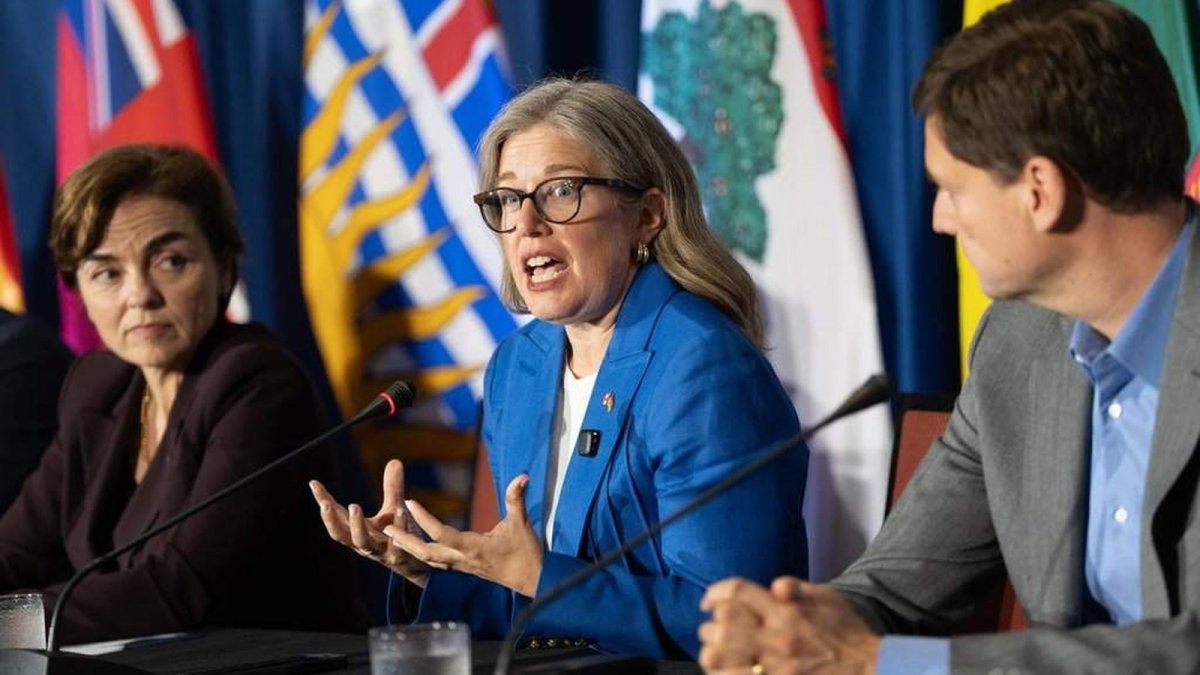
Eastern Canada Premiers Renew Buy Local Calls as U.S. Trade War Escalates
Premiers across Eastern Canada are once again urging residents to open their wallets for Canadian-made goods, mobilizing a grassroots economic defence as the country braces for the impact of sweeping new American tariffs. The renewed appeals come just days after United States President Donald Trump made good on a threat to impose 50 per cent tariffs on billions of dollars in Canadian exports, a move that has shattered trade negotiations and pushed the two allies into their most significant rupture in recent memory.
Prince Edward Island Premier Rob Lantz was the latest to weigh in, issuing a news release on Sunday urging Islanders to actively seek out products produced in Canada and within the province. Lantz framed the choice as a direct investment in the community, connecting everyday purchases to the livelihoods of workers across the supply chain.
"Every dollar spent on an Island or Canadian product supports the worker who made it, the farmer who grew it, the fisher who caught it, the producer who processed it and the business that put it on the shelf," Lantz said in the release. "Where we spend our hard-earned money matters. Those choices add up."
Tags: Canada-U.S. trade war, tariffs, buy Canadian, buy local, premiers, Prince Edward Island, New Brunswick, Quebec, Mark Carney, Donald Trump, trade negotiations, retaliatory tariffs, Canadian economy
Premiers Rally Provinces as Tariffs Take Hold
Lantz’s statement follows a similar plea from New Brunswick Premier Susan Holt, who spoke out on Saturday as the full scope of the American action became clear. Holt acknowledged that businesses in her province would be directly caught in the crossfire of Trump’s new 50 per cent tariffs on a range of Canadian imports, and she called for a concerted provincial response.
"Now, more than ever, we need to double down on buying local and supporting New Brunswick businesses and workers," Holt said.
In Quebec, Premier Christine Fréchette framed the purchasing decision in more sweeping terms, describing it as an act of collective identity. She noted that the tariffs will affect approximately $7.7 billion worth of exports from the province, a significant blow to its manufacturing and agricultural sectors. Fréchette suggested that a modest, consistent shift in consumer behaviour could have a profound impact, estimating that if each family in the province bought $25 worth of local products every week, roughly $3 billion would be injected back into the economy.
"To buy Quebec products is not an economic action, it is a nationalistic action," Fréchette said on Saturday. "It's an action of solidarity."
The premiers’ calls echo a similar campaign from last year, when Trump was first threatening 25 per cent tariffs on many Canadian goods. That earlier round of pressure prompted a wave of buy-local initiatives across the country, and the current escalation has now revived those efforts with renewed urgency.
Trade Talks Collapse After Last-Minute Demands
The new tariffs, which came into force at 04:00 GMT on Saturday, apply to roughly $20 billion (US) of Canadian goods, representing about 5 per cent of what Canada ships to the United States annually. The targeted list is broad and varied, encompassing dairy products such as milk and cream, whey and milk protein concentrates, lactose and sugars, as well as non-alcoholic beer and peppermint essential oils. The tariffs also hit the alcohol sector, including beer, wine, liquor and cider, alongside a host of other goods ranging from hockey sticks and ice skates to natural honey, down feathers, tulips and flower buds, live orchids, mushroom spawn, cements, candles, T-shirts, sweaters, fishing rods, dog leashes, saddles and even tongue depressors.
The escalation follows a dramatic breakdown in negotiations. Trade talks between Canada and the United States broke off late Friday night, with both sides trading blame for the collapse. The two parties had appeared close to a deal on Friday that would have lowered tariffs on steel, aluminium and cars, but the agreement was scuttled at the last minute.
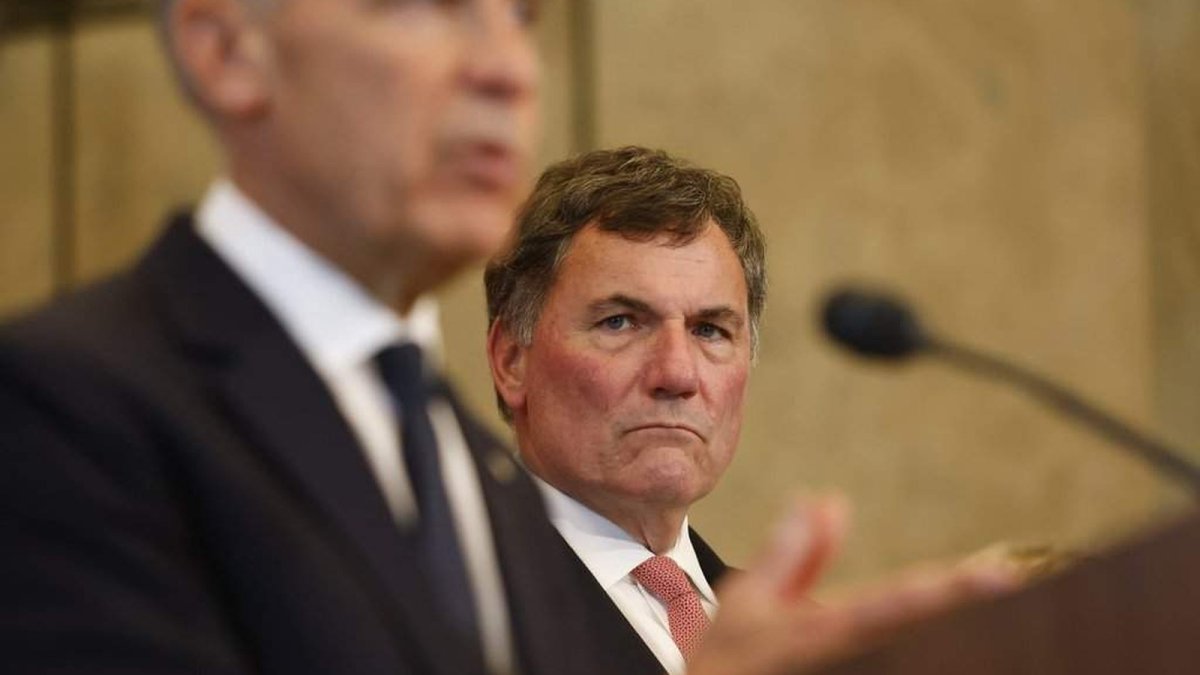
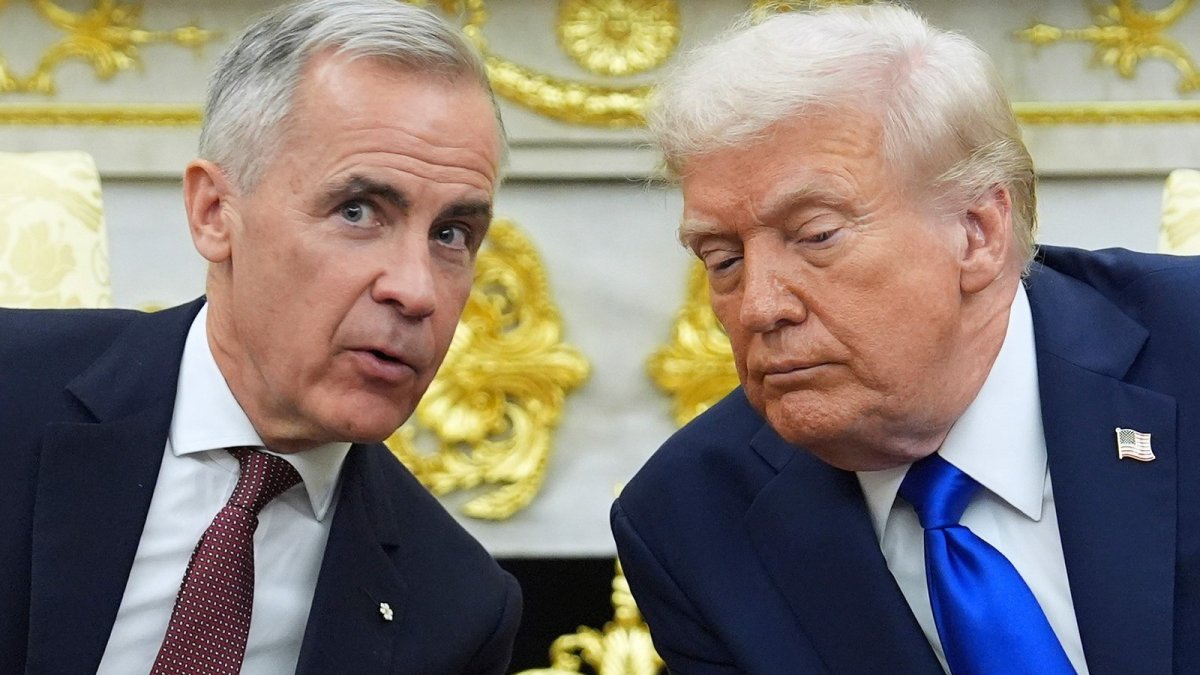
Prime Minister Mark Carney addressed the nation from Parliament Hill in Ottawa on Saturday, appearing alongside Trade Minister Dominic LeBlanc. Carney was blunt in his assessment, stating that Canada is "walking away from a bad deal." He said the "last-minute changes in the US proposed terms were unfair, uneconomic and called into question the reliability of any deal."
Carney accused the Trump administration of using "economic integration as a weapon" and said his country had been "attacked" by the new US tariffs. "You're at war when you're attacked, and we got attacked," he said.
Carney Details Unacceptable Demands, Announces Retaliation
Carney outlined the specific last-minute terms that proved to be the breaking point. According to the Prime Minister, the US added conditions that would have reduced tariff relief for Canadian-made vehicles, restricted Canada's ability to strike trade deals with other countries, and weakened protections for language, culture and sovereignty. He called the demands "unacceptable," summarising the American position as one where "they asked too much and offered too little."
In response, Carney announced that Canada will impose dollar-for-dollar retaliatory tariffs on imports of US steel, electronics and other products. These countermeasures are scheduled to take effect on September 8, 2026. The Prime Minister indicated that more details on the retaliatory measures and on supports for affected sectors will be announced in the coming days, offering a measure of reassurance to industries bracing for the impact.
Carney has recalled his negotiators, and no further talks are currently planned, signalling a hard stop to the diplomatic track that had been active until late Friday.
Washington Blames Ottawa for Missed Opportunity
On the American side, US Trade Representative Jamieson Greer framed the breakdown as a "missed opportunity for Canada." Greer defended the US position, stating, "We've said enough, and so we've taken countermeasures." He noted that the US was offering to cut tariffs on steel, autos and lumber, suggesting that a mutually beneficial arrangement was on the table.
The duelling narratives underscore the deep mistrust that has come to define the relationship. Both sides blame each other for the failure of the talks, and the public messaging from Ottawa and Washington offers little common ground. The trade row represents the biggest rupture in recent relations between Washington and one of its closest allies and trading partners, a relationship that has historically been built on deep economic integration and shared security interests.
Economic and Political Fallout Looming
Trade experts are now assessing the potential damage from the new tariffs. While the direct economic impact on Canada is expected to be significant, analysts suggest the largest consequences may be political, driving a further wedge between the traditional allies. The tariffs could result in some job losses and store closures, particularly in sectors heavily exposed to the US market, such as dairy processing, alcohol production and specialty manufacturing.
For the premiers of Eastern Canada, the immediate focus is on cushioning the blow at the community level. The buy-local campaigns are designed not only to support affected businesses but also to foster a sense of resilience and self-reliance in the face of external pressure. The message from Charlottetown, Fredericton and Quebec City is consistent: the power of the consumer can be a formidable counterweight to the power of the tariff.
As Canadians head into the coming weeks, the effectiveness of these appeals will be tested. The federal government is expected to unveil further details on its retaliation plan and support programmes shortly, while the provinces continue to urge residents to make their spending count. The situation remains fluid, and the path forward is uncertain, but the resolve among provincial leaders appears firm.
This report by The Canadian Press was first published Aug. 23, 2026.
By Alex Thompson, Staff Writer
This article was produced with AI-assisted research and editorial support. Reporting is based on sources cited in the article.
What's Your Reaction?
 Like
0
Like
0
 Dislike
0
Dislike
0
 Love
0
Love
0
 Funny
0
Funny
0
 Wow
0
Wow
0
 Sad
0
Sad
0
 Angry
0
Angry
0

Canada Correspondent at Global1.News. Based in Toronto, covering Canadian politics, energy, trade, and US-Canada relations. Provides the Canadian perspective on North American and global affairs.













Comments (0)