
Dozens of suspected illegal miners die in Nigerian custody
In the heart of Niger state, a tragic episode unfolded that has shocked families, activists and officials alike. Thirty‑seven men detained on suspicion of illegal gold mining died within a cramped detention cell run by the Nigerian Security and Civil Defence Corps (NSCDC).
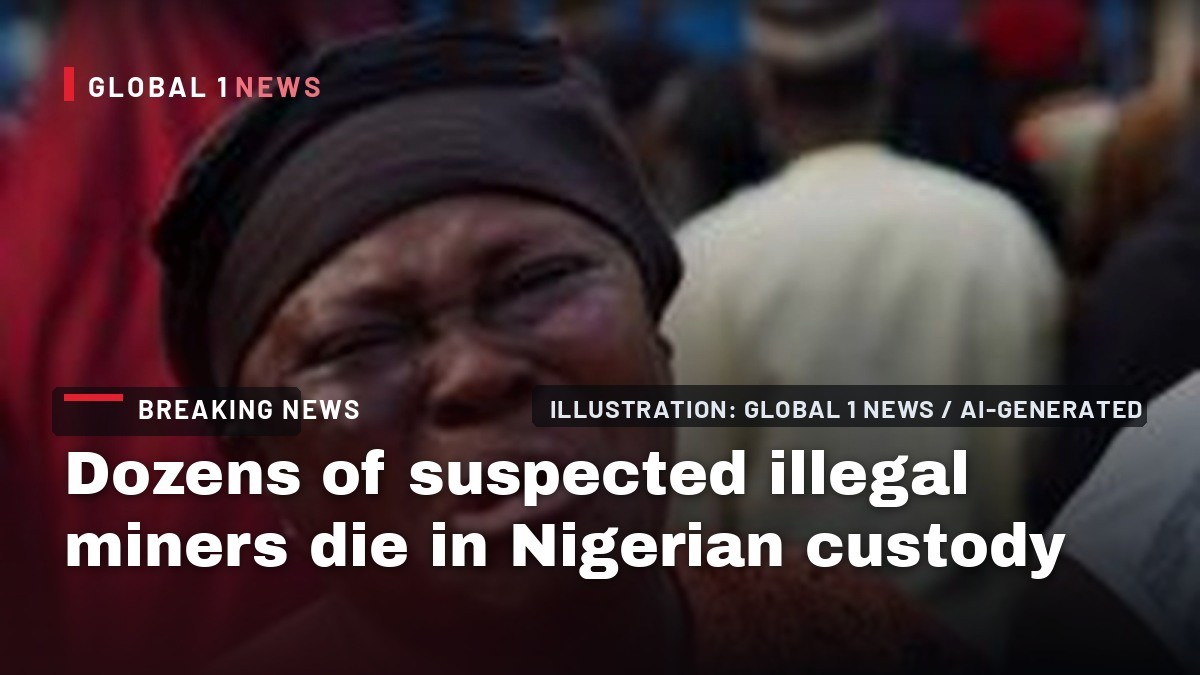
In the heart of Niger state, a tragic episode unfolded that has shocked families, activists and officials alike. Thirty‑seven men detained on suspicion of illegal gold mining died within a cramped detention cell run by the Nigerian Security and Civil Defence Corps (NSCDC). While the agency initially pointed to a possible disease outbreak, relatives and an intelligence report allege that the deaths were the result of suffocation caused by extreme overcrowding and lack of ventilation. The incident has ignited anger across the region, prompting protests, clashes with police and a call for a transparent investigation.
The grim facts of the detention tragedy
According to local officials, the 37 detainees were arrested on Tuesday near Borgu, a mining‑rich area of Niger state, as part of a sweep against suspected illegal mining. Two days later, their bodies were discovered inside the NSCDC detention centre, a facility that also supports police in internal security operations. The agency’s spokesperson, Babawale Afolabi, said more than 50 people were arrested during the broader operation, but that documentation and profiling were still underway when the deaths occurred.
Initial statements from the NSCDC suggested a diphtheria outbreak might have been responsible, a serious bacterial infection that can be fatal. However, the agency later clarified that the cause of death remained unconfirmed and would require medical and laboratory testing. The bodies have been transferred to the general hospital in Minna, the state capital, for post‑mortem examinations.
Family testimonies challenge the disease narrative
Relatives of the deceased have vehemently disputed the disease hypothesis. One father recounted that his son appeared healthy when he was given food the day before his death, and that the detainees were repeatedly knocking on the cell door for help as they collapsed in the heat. “We believe they suffocated because there was no ventilation,” the father told the BBC, echoing an intelligence report shared with AFP that highlighted poor airflow as a key factor.
Another grieving parent described how his son survived because he was near a small window, while his friend slumped and fainted. The testimonies point to a scenario where overcrowding and inadequate ventilation turned the detention cell into a lethal environment, especially as the detainees were left without assistance despite their desperate pleas.
Community backlash and unrest
News of the deaths quickly spread, sparking outrage among miners and the broader community. Angry crowds attacked public institutions and public transport buses, wielding stones and sticks. Police responded with tear gas to disperse the demonstrators, according to local residents. The unrest underscores the deep frustration felt by many who rely on artisanal mining for their livelihoods, even as the practice is deemed illegal by authorities.
State Governor Mohammed Umaru Bago described the incident as “sad and tragic” in a press conference and announced three days of mourning. He also ordered the detention of an NSCDC commander as part of the investigation and postponed the start of campaigning for the January elections, signaling the political weight of the tragedy.
Legal and procedural context
Nigeria’s constitution mandates that anyone detained on suspicion of a crime be brought before a court within a “reasonable time,” typically within a day if a court is within 40 km, or within two days otherwise. The deaths raise serious questions about compliance with this requirement, especially given that the detainees were held for at least two days before their bodies were discovered. It is not yet clear whether any of the suspects had been formally charged.
The NSCDC’s role as a paramilitary agency tasked with protecting critical infrastructure and tackling crimes such as illegal mining places it at the intersection of security and human rights. The current crisis highlights the tension between rapid enforcement actions and the need to uphold constitutional safeguards for detainees.
The wider illegal mining landscape
Illegal gold mining is a persistent challenge in Niger state, where artisanal miners often work in open fields. Officials have linked the scramble for gold reserves to a surge in criminal gang violence, a pattern echoed by experts who note that much of the region’s gold enters global supply chains. A 2024 SwissAid report found that gold from the area is trafficked internationally, underscoring the economic incentives that drive many to risk illegal activity.
The NSCDC’s spokesperson emphasized that profiling and documentation of the arrested individuals were still ongoing at the time of the deaths. This suggests that the agency was still gathering evidence to substantiate charges, a process that may have been rushed or compromised by the tragic outcome.
Calls for independent investigation
Relatives and community leaders have demanded an independent post‑mortem examination to determine the exact cause of death. One father urged that the investigation be free from agency influence, noting that the guards appeared unaffected by the alleged disease that supposedly killed the detainees. The police chief of Niger state has ordered an immediate probe into the “unfortunate death of suspected illegal miners while in the detention facility of the NSCDC,” as stated by spokesman Wasiu Abiodun.
International observers and human‑rights groups are likely to monitor the inquiry closely, given the broader concerns about custodial deaths and the treatment of detainees in Nigeria’s security apparatus. The outcome of the investigation could set a precedent for how similar cases are handled in the future.
Implications for policy and future enforcement
The tragedy has forced policymakers to confront the balance between cracking down on illegal mining and ensuring humane treatment of suspects. Governor Bago’s decision to postpone election campaigning reflects an awareness of the political sensitivity surrounding the incident. It also signals a potential shift toward greater scrutiny of detention conditions within security agencies.
Moving forward, the Nigerian government may need to strengthen oversight mechanisms for facilities like the NSCDC detention centre, improve ventilation standards, and ensure that detainees have prompt access to medical care. Such reforms could help prevent a recurrence of this heartbreaking loss of life and restore public confidence in the state’s commitment to both security and human rights.
This article was produced with AI-assisted research and editorial support. Reporting is based on the source material cited below. Sources: BBC News Africa; bbc.co.uk; Global1.News (18 September 2026).
By Amara Diop, Staff Writer
What's Your Reaction?
 Like
0
Like
0
 Dislike
0
Dislike
0
 Love
0
Love
0
 Funny
0
Funny
0
 Wow
0
Wow
0
 Sad
0
Sad
0
 Angry
0
Angry
0

West Africa/Sahel Correspondent at Global1.News. Dakar-based journalist covering politics, security, climate, and development across Francophone and Anglophone West Africa. Tells the stories of a region undergoing profound transformation.














Comments (0)