
Dominica unveils diaspora citizenship plan as CBI revenue under threat
Roseau, Dominica — In a move that signals a significant shift in how the island nation views its people and its future, the Government of Dominica has unveiled an ambitious plan to grow its population to 100,000 by 2040.
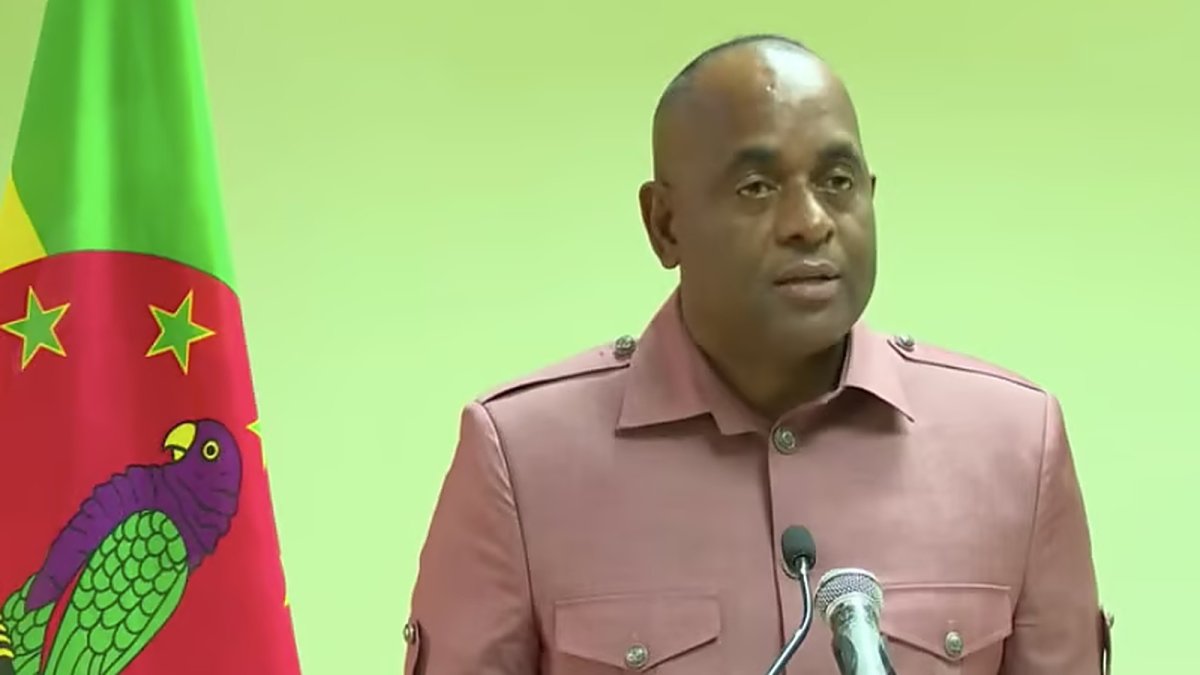
Roseau, Dominica — In a move that signals a significant shift in how the island nation views its people and its future, the Government of Dominica has unveiled an ambitious plan to grow its population to 100,000 by 2040. The strategy, announced this week and reported by Caribbean360 and regional outlets, centres on a new grandparent citizenship pathway slated to begin in 2027, alongside a suite of residency, returnee, and global talent initiatives designed to lure the Caribbean diaspora back to the "Nature Island."
The announcement comes at a critical juncture. For nearly two decades, Dominica has leaned heavily on its Citizenship by Investment Programme (CBI) to fund major infrastructure and climate resilience projects. But with international pressure mounting, increased vetting standards, and a regional minimum investment threshold now set at US$200,000, the golden era of easy CBI revenue is facing its sternest test yet. The new diaspora plan, while still light on operational details, represents a strategic pivot towards a more sustainable, people-centred model of national development.
A Pathway Rooted in Heritage
The centrepiece of the new initiative is the grandparent citizenship pathway, which has been announced for 2027. While full details of the application process, fees, and eligibility criteria are still emerging, the core concept is clear: descendants of Dominicans, specifically those with a grandparent born on the island, will be offered a route to citizenship. This is a profound departure from the purely investment-based model that has defined Dominican citizenship for years. For the thousands of people of Dominican descent living in the United Kingdom, the United States, and Canada, this represents a tangible link back to their roots. It is an acknowledgement that the island's greatest export has often been its people. The plan is not merely about sentiment, however. It is a calculated demographic strategy. Dominica's official population stands at roughly 66,000, a figure that has remained stagnant or declined due to steady emigration, particularly of young, educated citizens seeking better opportunities abroad. The brain drain is a regional scourge, and Dominica is looking to reverse it by opening the door to those who left and the generations that followed. The government has framed the broader initiative as a multi-pronged approach. Beyond the grandparent pathway, the plan includes new citizenship and residency initiatives aimed at remote workers and retirees, returnee programmes to assist former citizens in reintegrating, and a global talent component designed to attract skilled professionals in sectors like healthcare, technology, and renewable energy. The goal of 100,000 residents by 2040 is ambitious, representing a near-50% increase in the current population, and it will require a sustained and coordinated effort.The CBI Conundrum
To understand why Dominica is making this move, one must look at the economics of the Citizenship by Investment Programme. The CBI, administered by the Citizenship by Investment Unit (CBIU), has been the engine of the Dominican economy for years. Investment starts at US$200,000 through the Economic Diversification Fund, making it among the most affordable citizenship-by-investment programmes in the Caribbean, with real estate options also available. In recent years, the programme has generated revenues in the vicinity of US$232 million annually. The International Monetary Fund (IMF) has repeatedly warned that this revenue is unusually large relative to the size of the economy, at one point peaking at around 37% of GDP. This over-reliance has funded transformative projects, including a geothermal energy plant and a new international airport, both critical to Dominica's long-term development and its brand as the "Nature Island." However, it also leaves the country exceptionally vulnerable to external shocks. Those shocks have been materialising. In mid-2024, Dominica and the four other Caribbean states with active CBI programmes — St Kitts and Nevis, Grenada, Antigua and Barbuda, and St Lucia — agreed with the United States and other partners on a minimum investment threshold of US$200,000 and tighter vetting procedures. This followed years of pressure over security concerns and the sale of passports to sanctioned individuals. The European Union has also raised concerns about visa-free access to the Schengen area, which is a major selling point of Caribbean passports. The tightening of the market has made the programme more expensive and more scrutinised, potentially reducing its appeal. By diversifying into a diaspora-based citizenship model, Prime Minister Roosevelt Skerrit's government is seeking to insulate the nation from the whims of international politics and the volatility of the investment migration market. It is a recognition that the country's most valuable asset may not be its beaches or its rainforests, but its people scattered across the globe.A Regional Shift in Perspective
Dominica is not alone in re-evaluating its relationship with its diaspora. Across the Caribbean, governments are waking up to the potential of their overseas populations. Remittances have long been a lifeline for many islands, often outstripping foreign direct investment and even development aid. The Caribbean diaspora in the US, Canada, and the UK is estimated to be in the millions, representing a vast pool of capital, expertise, and cultural capital. However, Dominica's approach is distinct in its focus on citizenship as a tool for population growth rather than just revenue generation. While other islands offer residency programmes for retirees or remote workers, the grandparent citizenship pathway is a more profound gesture of belonging. It says that being Dominican is not just about where you were born or how much you can invest, but about your heritage. This is a powerful message for second and third-generation Caribbean nationals who have often felt disconnected from their ancestral homes. For many, the ability to claim citizenship is not just a practical matter of obtaining a passport; it is an emotional reconnection with family history. The fact that a Dominican passport offers visa-free or visa-on-arrival access to roughly 136-160 countries, according to industry estimates — including the Schengen area, the UK, and Singapore — adds a practical incentive, but the emotional pull is likely to be the primary driver for many applicants.Challenges on the Road to 100,000
The ambition is laudable, but the road to 100,000 residents is fraught with challenges. The most immediate hurdle is infrastructure. Dominica is still rebuilding from the devastation of Hurricane Maria in 2017, which destroyed an estimated 90% of the island's housing stock. While CBI funds have been channelled into climate-resilient housing and a new airport, the island's healthcare system, educational facilities, and job market are not currently equipped for a sudden influx of new residents. The global talent component of the plan will require Dominica to compete with other Caribbean nations and indeed the wider world for skilled workers. This means offering competitive salaries, which is difficult for a small island economy, and creating an environment conducive to business and innovation. The returnee programme will need to address the practical concerns of former citizens, such as pension portability, access to land, and the availability of quality healthcare for older returnees. Furthermore, the grandparent citizenship pathway raises complex questions about dual citizenship, tax obligations, and the potential for abuse. The government will need to ensure that the vetting process for these new citizens is as rigorous as that for CBI applicants, to avoid creating a loophole that could be exploited. The details of the pathway, including any fees, residency requirements, or application caps, have not yet been released, and it is likely that the government will take the next year to refine the policy before its 2027 launch.Implications for the Wider Caribbean
Dominica's move will be watched closely by its CARICOM partners. If the diaspora citizenship plan proves successful, it could serve as a model for other small island states grappling with population decline and economic fragility. The region has long talked about the need to engage the diaspora more effectively, but concrete, large-scale initiatives have been rare. The plan also has implications for the CBI market. By offering a non-investment route to citizenship, Dominica is differentiating its passport in a crowded field. This could be a double-edged sword. On one hand, it could enhance the country's reputation as a nation that values heritage and family. On the other, it could be seen as undermining the exclusivity of the CBI programme, potentially affecting demand from high-net-worth investors who pay a premium for a passport that is perceived as rare and valuable. For the people of Dominica, the plan offers a glimmer of hope. A growing population could mean a more vibrant economy, a stronger tax base, and a louder voice in regional affairs. It could also help to reverse the demographic decline that has seen schools close and villages empty out as young people leave for greener pastures. The challenge will be to ensure that the new Dominicans, whether they are returning citizens or new descendants, are integrated into the fabric of the nation and contribute to its development in a meaningful way. As the world becomes increasingly globalised and borders become more porous for capital, Dominica is betting that the ties of blood and memory are just as strong as the ties of money. The grandparent citizenship pathway is a bold experiment, one that could redefine what it means to be a citizen of a small island nation in the 21st century. The details are still to come, but the direction is clear: Dominica is calling its children home. By Sharon Sahatoo, Staff Writer This article was produced with AI-assisted research and editorial support. Sources: Caribbean360, Black News UK, Investment Migration Insider, International Monetary Fund reporting.What's Your Reaction?
 Like
0
Like
0
 Dislike
0
Dislike
0
 Love
0
Love
0
 Funny
0
Funny
0
 Wow
0
Wow
0
 Sad
0
Sad
0
 Angry
0
Angry
0

Sharon Sahatoo
Caribbean Correspondent at Global1.News. Based in Port of Spain, Trinidad, covering Caribbean politics, economy, energy, climate, and culture. Amplifying the voices and stories of the Caribbean region.










Comments (0)