
DOJ Files Grave Threats Case vs VP Sara Duterte Over First Family Threat
In a recent ANC 24/7 Weekend Wrap report, the spotlight turned to a political earthquake shaking the Philippines: the Department of Justice (DOJ) has formally charged Vice President Sara Duterte with grave threats, a case that now runs parallel to her ongoing impeachment trial in the Senate.
In a recent ANC 24/7 Weekend Wrap report, the spotlight turned to a political earthquake shaking the Philippines: the Department of Justice (DOJ) has formally charged Vice President Sara Duterte with grave threats, a case that now runs parallel to her ongoing impeachment trial in the Senate. For ordinary Filipinos watching from their living rooms in Manila, Cebu, and Davao, this is not just another headline — it is a moment that tests the strength of the country's legal institutions and the principle that no one, not even the second-highest official in the land, stands above the law.
The development comes at a time when the nation is already grappling with the monsoon rains and flood control issues highlighted in the same Weekend Wrap segment, reminding us that governance and accountability are deeply intertwined with the daily struggles of the Filipino people.
DOJ Files Grave Threats Case vs. Vice President Sara Duterte as Impeachment Trial Rages On
Manila, Philippines – This week — The Department of Justice (DOJ) filed charges for grave threats against Vice President Sara Duterte on Tuesday, August 11, 2026, before the Office of the Clerk of Court of the Quezon City Regional Trial Court at 1:30 p.m. The filing marks a historic moment in Philippine jurisprudence, as a sitting Vice President now faces criminal prosecution while simultaneously defending herself in an impeachment trial before the Senate.
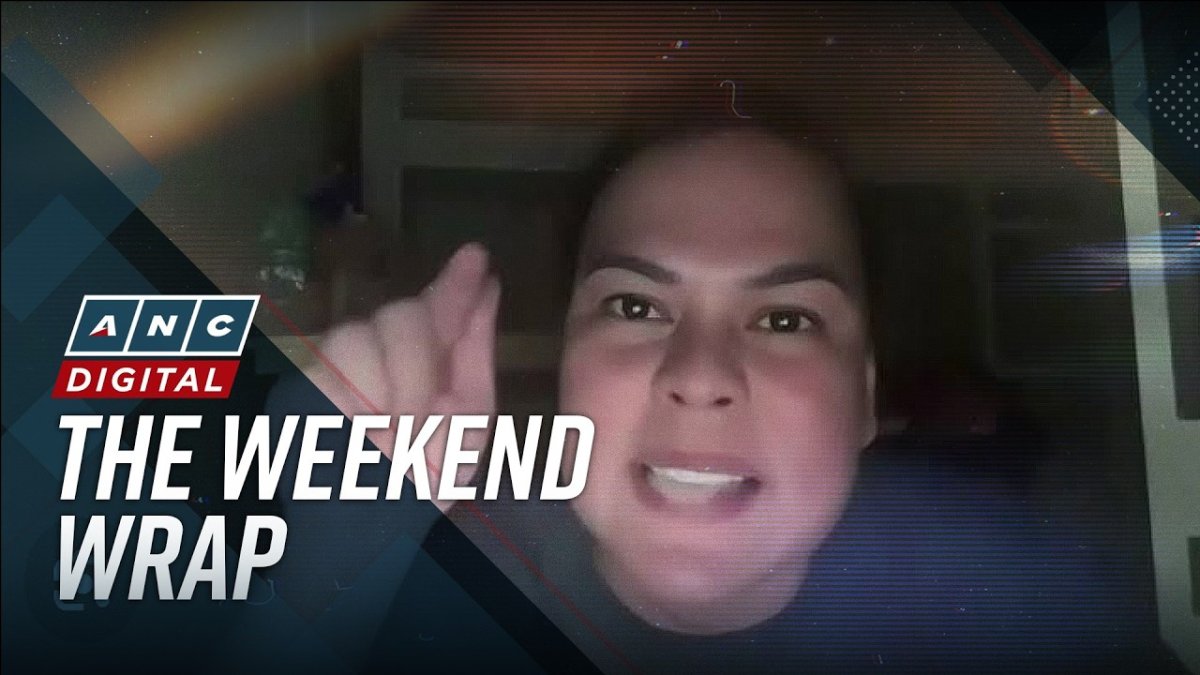
What Happened: DOJ Files Grave Threats Case
The DOJ lodged one count of grave threats under Article 282 of the Revised Penal Code, in relation to Section 6 of Republic Act 10175, the Cybercrime Prevention Act of 2012. The charge stems from remarks made during an online press briefing in November 2024, where Duterte stated she had ordered someone to kill President Ferdinand "Bongbong" Marcos Jr., First Lady Liza Araneta-Marcos, and former Speaker Martin Romualdez if an alleged plot against her succeeded.
DOJ spokesman Atty. Polo Martinez confirmed the filing, stating, "Our prosecutors found that there was prima facie evidence with reasonable certainty of conviction to indict the Vice President." The case was assigned to the Quezon City Regional Trial Court, where bail was set at P120,000 — a relatively modest amount for a case of this magnitude, but one that underscores the seriousness of the charge.
The legal action comes after a lengthy review process. The National Bureau of Investigation (NBI) recommended the filing of a complaint against Duterte in February 2025, but the complaints were pending review at the DOJ until the start of her impeachment trial. This delay has raised questions about the timing of the charges, though DOJ officials maintain that the process was thorough and independent.
The November 2024 Remark at the Heart of the Case
The controversy traces back to a late-night online press conference in November 2024, when Vice President Duterte made explosive statements that sent shockwaves through the political establishment. In her remarks, she claimed she had given instructions to a hitman to assassinate the President, the First Lady, and the Speaker of the House if she were killed in an alleged plot against her.
Duterte has since maintained that her words were "maliciously taken out of logical context." She clarified that her statement was not a threat, insisting she was only highlighting the alleged threat to her own security. The Vice President has said she meant to draw attention to what she described as a plot against her life, and that her remarks were never intended as a threat against anyone.
Despite her clarification, the NBI pursued the case. NBI Director Melvin Matibag testified that the bureau considered a possible conspiracy involving Duterte and Davao City Mayor Sebastian "Baste" Duterte, the Vice President's brother. While no charges have been filed against the younger Duterte, the investigation's scope suggests the case could have broader implications for the political family that has dominated Davao politics for decades.
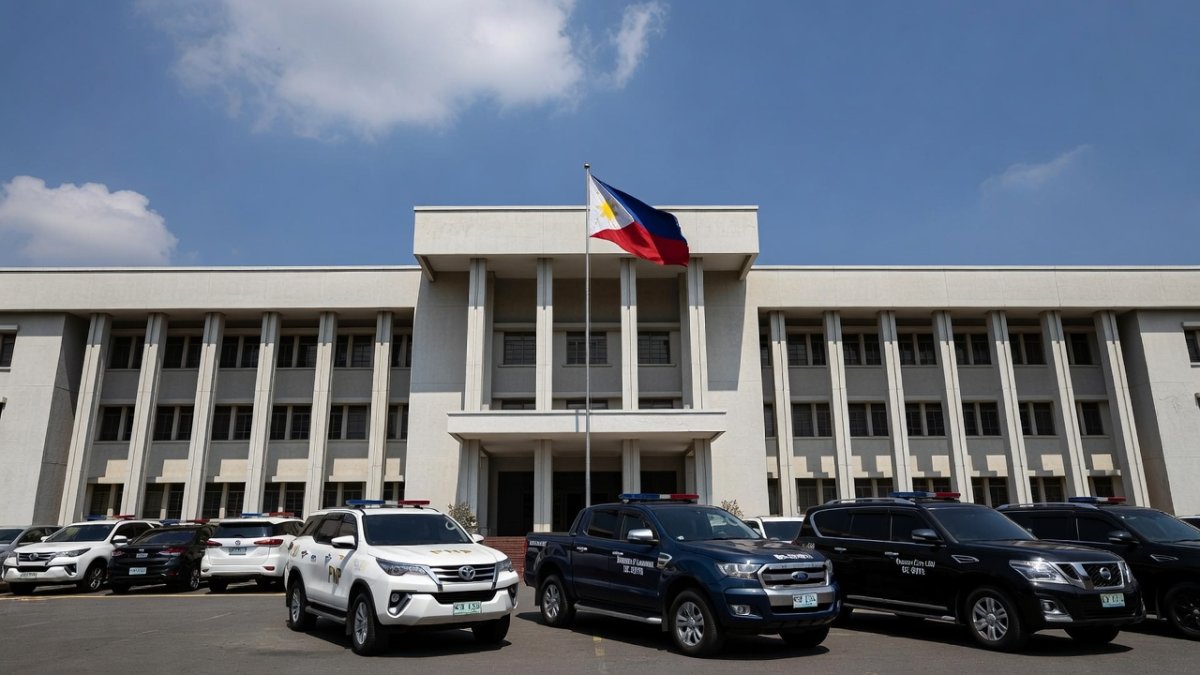
What the Defense Is Saying
Duterte's legal team has signaled that they are prepared for this fight. Atty. Paul Lawrence Lim, Duterte's counsel for the NBI case, said, "Under prevailing circumstances, we have anticipated and prepared for such an outcome. Under our laws, the Vice President continues to be presumed innocent and is confident that the charges against her will ultimately be dismissed."
Lim also raised a significant legal argument: "As a sitting impeachable officer, the Vice President may not be prosecuted for an alleged offense that is also the subject of an impeachment case. Given these serious legal issues, the Vice President will exercise all available legal remedies in due course." This argument taps into a constitutional question that legal scholars have debated for years — whether an impeachable official can be criminally prosecuted for the same offense while an impeachment trial is ongoing.
The defense's position is not without merit. Grave threats is one of the articles of impeachment currently being tried in the Senate, and the Constitution provides that impeachable officers shall be removed from office only through impeachment. However, the DOJ has a different interpretation, and the courts will ultimately have to resolve this constitutional tension.
Impeachment Trial and the Legal Tangle
The criminal case now runs parallel to the Senate impeachment trial, which is in its 15th day as of August 12, 2026. The trial centers on confidential funds, with Commission on Audit (COA) auditors detailing P612.5 million and P450 million in disallowed funds. These figures have become central to the impeachment proceedings, painting a picture of alleged financial irregularities that the prosecution argues warrant removal from office.
DOJ spokesman Martinez addressed the potential conflict between the two proceedings, stating, "Procedurally speaking, the conduct of a criminal case in the RTC QC should not be affected by the ongoing impeachment proceeding, and that applies vice versa." He denied that the impeachment trial affected the resolution of the criminal case, insisting that the DOJ's prosecutors acted independently based on the evidence presented.
The Supreme Court dismissed petitions against the impeachment in early August, clearing the way for the trial to proceed. This decision removed a significant legal hurdle for the Senate, but it also set the stage for the complex legal tangle that now exists — a Vice President fighting on two legal fronts simultaneously.
What This Means for Filipinos
For the average Filipino, this case is about more than political drama. It is about the rule of law and whether it applies equally to everyone, regardless of position or power. In a country where political dynasties have long held sway, the prosecution of a Vice President sends a powerful message about accountability.
The case also has practical implications. The P120,000 bail, while significant for most Filipinos, is a small price for a political figure with resources. But the symbolic weight of the charge is immense. A conviction on grave threats could carry a prison sentence, though the legal battles ahead are likely to be lengthy and complex.
Moreover, the case intersects with the daily concerns of Filipinos in tangible ways. The ANC 24/7 Weekend Wrap also noted the ongoing monsoon rains and flood control issues plaguing the country. While the Vice President faces legal challenges, the government's attention is divided between political crises and the urgent need to address infrastructure and disaster preparedness. For families in flood-prone areas of Metro Manila and the provinces, the question is whether their leaders can govern effectively while embroiled in legal and political battles.
What to Watch For
Several key developments will shape the coming weeks. First, the Quezon City RTC will need to schedule arraignment proceedings, where Duterte will formally enter her plea. Her legal team is expected to file motions challenging the jurisdiction of the court, arguing that the impeachment trial should take precedence.
Second, the Senate impeachment trial continues, with the prosecution expected to present more evidence on the confidential funds issue. The defense will have its opportunity to counter the allegations, and the outcome of the trial could have significant implications for the criminal case. If the Senate votes to convict and remove Duterte from office, it could strengthen the prosecution's position in the criminal case. Conversely, an acquittal could embolden the defense.
Third, the Supreme Court may be called upon to resolve the constitutional questions raised by the defense. The issue of whether an impeachable officer can be criminally prosecuted for the same offense is a matter of first impression in Philippine jurisprudence, and the High Court's ruling could set a precedent for future cases.
Finally, the political fallout will be significant. The Duterte family remains a powerful force in Philippine politics, with strong support in Mindanao and among certain segments of the population. The case against Vice President Duterte could galvanize her supporters, potentially affecting the political landscape in the lead-up to the 2028 presidential elections.
As the legal proceedings unfold, one thing is clear: the Philippines is navigating uncharted waters. A sitting Vice President facing criminal charges while defending an impeachment trial is unprecedented in the nation's history. The resolution of these cases will not only determine the fate of Sara Duterte but will also define the boundaries of accountability and the rule of law in the Philippines for generations to come.
For now, the Filipino people watch and wait. They watch as their leaders navigate a political crisis that tests the resilience of democratic institutions. They wait for the courts and the Senate to deliver justice, hoping that the outcome will strengthen, not weaken, the foundations of the republic. In the meantime, the monsoon rains continue to fall, the floods continue to rise, and the business of governance must go on — because the Filipino people deserve nothing less.
By Bella Reyes, Staff Writer
This article was produced with AI-assisted research and editorial support. Reporting is based on sources cited in the article.
What's Your Reaction?
 Like
0
Like
0
 Dislike
0
Dislike
0
 Love
0
Love
0
 Funny
0
Funny
0
 Wow
0
Wow
0
 Sad
0
Sad
0
 Angry
0
Angry
0

Philippines/Southeast Asia Correspondent at Global1.News. Manila-based journalist covering Philippine politics, environment, maritime security, and social issues. Passionate about marine conservation and the communities protecting the Philippines' natural heritage.













Comments (0)