
Dieting Ka Mazaak: Dr Umesh Wadhavani on Ending Diet Guilt
In a country where a multi-billion-dollar diet industry thrives on guilt, restrictive meal plans, and the promise of rapid transformation, a nutritionist from Pune is using laughter to dismantle the very foundation of diet culture. Dr. Umesh Wadhavani, a homeopath-turned-nutritionist and stand-up comedian, is challenging the status quo with a simple, radical message: eat everything, in moderation, and stop feeling guilty about it.
In a country where a multi-billion-dollar diet industry thrives on guilt, restrictive meal plans, and the promise of rapid transformation, a nutritionist from Pune is using laughter to dismantle the very foundation of diet culture. Dr. Umesh Wadhavani, a homeopath-turned-nutritionist and stand-up comedian, is challenging the status quo with a simple, radical message: eat everything, in moderation, and stop feeling guilty about it.
Dieting Ka Mazaak: The Nutritionist Who Says Eat Everything, in Moderation
New Delhi, August 11, 2026 — In an exclusive conversation on India Today’s Health 360 with host Sneha Mordani, Dr. Umesh Wadhavani laid out his unconventional philosophy. The video, premiered on August 10, 2026, introduces a man who defies easy categorization: "A homeopath who doesn't practise medicine, a nutritionist who doesn't give diet plans, a doctor who says eat everything, moderation is the key."
Dr. Wadhavani, who holds a BHMS from Gujarat and an MSc in Health Care Management from Oxford, UK, has spent 13 years helping over 10,000 individuals achieve their health goals. His mission, as stated on his platform The Simply Wellness, is to help people live "medicine-free with Ghar Ka Khana" (home-cooked food). With over 174,000 Instagram followers and a tagline of "Your Last Diet Coach," he has created a niche that merges evidence-based science with the universal language of humor.
His brainchild, "Dieting Ka Mazaak" (roughly translating to "Fun with Dieting"), is billed as India's first stand-up comedy show on nutrition. The 90-minute show, which has already drawn over 10,000 attendees through ticketed platforms like BookMyShow, operates on a simple tagline: "Stop Dieting. Start Laughing."
The Folly of Fad Diets: Why Keto and IF Fail Indians
Dr. Wadhavani’s critique of the modern diet industry is sharp and data-backed. He points to the revolving door of popular diets—keto, intermittent fasting, liquid diets—which he argues are unsustainable. "They work for a week, then the cravings hit," his website notes, capturing the frustration of millions of Indians who yo-yo between strict regimens and binge-eating.
The problem, he argues, is not a lack of willpower but a flawed approach. The Indian diet industry, estimated at USD 27.4 billion in 2025 by IMARC, thrives on this cycle of failure. It projects a growth of 8.44% CAGR through 2034, fueled by a population desperate to shed weight but often misled by quick fixes.
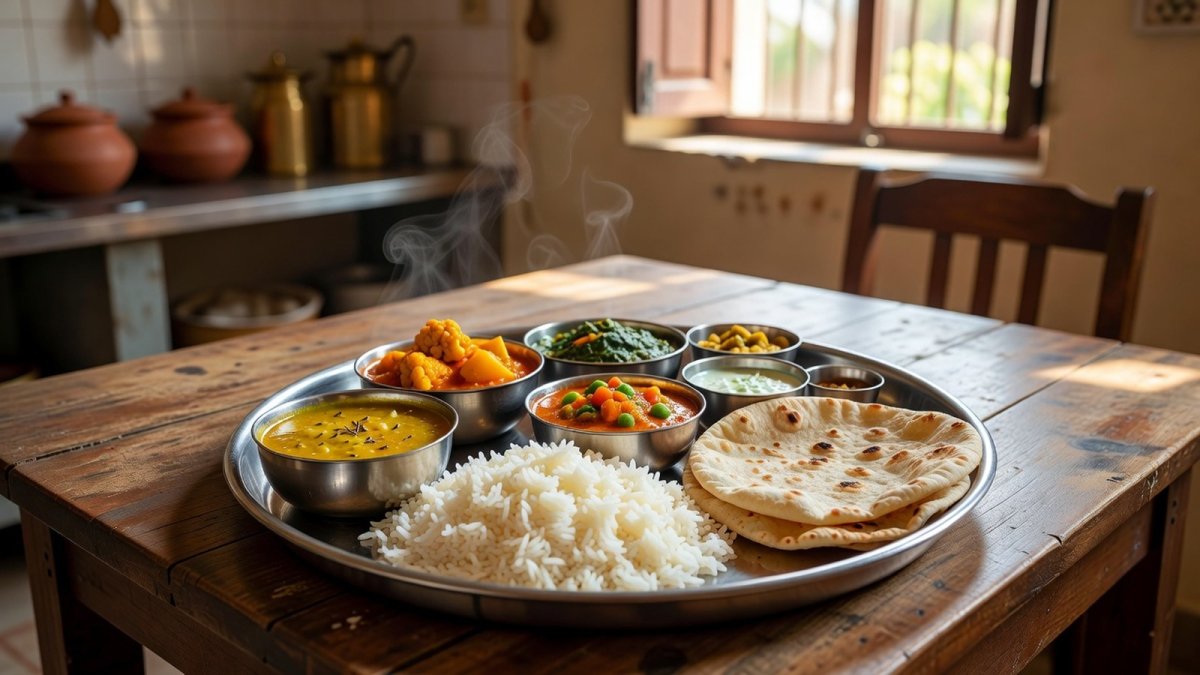
Instead of restrictive eating, Dr. Wadhavani advocates for a return to the Indian plate—one that is diverse, flavorful, and rooted in tradition. He debunks common misconceptions like "carbs are bad" and "fat-free is always healthier," providing clear, science-based information that aligns with the latest official guidelines.
ICMR-NIN 2024 Guidelines: The Science Behind the Laughter
Dr. Wadhavani’s philosophy is not just anecdotal; it mirrors the most authoritative dietary advice in the country. In May 2024, the Indian Council of Medical Research (ICMR) and the National Institute of Nutrition (NIN) released their first updated Dietary Guidelines for Indians in 13 years. The 17 guidelines, led by ICMR-NIN Director Dr. Hemalatha R, were a response to a stark statistic: 56.4% of India's total disease burden is due to unhealthy diets.
The guidelines emphasize that a balanced diet should derive not more than 45% of calories from cereals and millets, with up to 15% from pulses, beans, and meat, and the rest from nuts, vegetables, fruits, and milk. Crucially, they advocate for moderation in fats and oils (total fat intake ≤30% of energy) and strict limits on sugar (less than 5% of total energy intake).
This is precisely the message Dr. Wadhavani delivers on stage. "Enjoying a slice of pizza shouldn't feel like a crime against your body," he asserts. The ICMR-NIN guidelines echo this sentiment by urging Indians to minimize ultra-processed foods and HFSS (high fat, sugar, salt) foods, rather than demonizing individual food groups. The guidelines also warn against protein supplements for muscle building, noting that prolonged high intake is linked to bone mineral loss and kidney damage—a warning that resonates with the fitness-obsessed youth in metros like Bengaluru and Mumbai.

The Obesity Crisis: A Growing Economic and Health Threat
The urgency of Dr. Wadhavani’s message is underscored by India’s deteriorating metabolic health. Data from the National Family Health Survey (NFHS-5, 2019-21) reveals that 24% of Indian women and 23% of men aged 15-49 are now overweight or obese, a sharp increase from the previous survey. In urban centers like Delhi, Punjab, and Kerala, the rates are even higher, with abdominal obesity affecting approximately 40% of women and 12% of men.
More alarming is the trajectory among children. UNICEF data from September 2025 shows that overweight among under-5 children rose by 127% between NFHS-3 (2005-06) and NFHS-5 (2019-21). Projections suggest India will have over 27 million children and adolescents living with obesity by 2030—about 11% of the global burden.
This is not merely a health issue; it is an economic one. The Economic Survey 2025-26, presented in January 2026, explicitly called obesity an economic threat, citing rising healthcare costs and lost productivity. Prime Minister Narendra Modi, in his Independence Day 2025 address, warned that obesity is a "silent crisis" and urged families to cut cooking oil use by about 10% and exercise regularly. The World Obesity Federation projects that by 2035, nearly a third of Indians could be overweight or obese if current trends continue.
Why Indian Bodies Need Indian Solutions
One of the most critical points Dr. Wadhavani raises—and which is backed by medical research—is that Indian bodies are different. Indians develop diabetes and heart disease at a lower Body Mass Index (BMI) than Western populations. This "thin-fat" phenotype, where individuals have normal weight but high body fat, means that Western dietary guidelines and BMI thresholds are often inadequate for the Indian context.
This is why the development of India’s first National Obesity Guidelines is a landmark step. Following the Prime Minister’s call to action, the ICMR and the Union Health Ministry began a multi-tier exercise in September 2025. An internal scoping panel, headed by ICMR Director-General Dr. Rajiv Bahl, is working alongside a 50-member expert panel of endocrinologists, surgeons, nutritionists, and public health experts. The "life-course" model will address specific needs of children, adolescents, postpartum women, mid-life adults, and the elderly.
Dr. Wadhavani’s approach—rooted in "ghar ka khana" and cultural context—is a grassroots complement to this top-down policy initiative. He argues that a diet plan that doesn't account for the Indian palate, the prevalence of family meals, or the cost of imported "superfoods" is destined to fail. His masterclass explicitly aims to debunk myths like "carbs are bad," which is particularly relevant in a country where rice and wheat are staples.
The Psychology of Eating: Ending the Guilt Cycle
The core of "Dieting Ka Mazaak" is psychological. Dr. Wadhavani tackles the emotional burden of dieting—the guilt, the shame, the sense of failure. He argues that this negative cycle is counterproductive. When a person feels guilty about eating a slice of cake, they are more likely to binge later. By removing the moral judgment from food, he helps individuals build a healthier, more sustainable relationship with what they eat.
His website poses a question that resonates with millions: "Tired of boring salads, counting calories, and failing diets?" The answer, he suggests, is not another restrictive plan but a mindset shift. "Learn how to stay healthy without giving up the foods you love," he promises. This message is particularly potent for urban Indians in cities like Pune, Hyderabad, and Chennai, where the pressure to conform to a certain body image is immense, yet the cultural love for food remains strong.
This psychological approach is gaining traction in medical circles. The Indian Medical Association (IMA) has warned against the indiscriminate use of new anti-obesity injections like GLP-1 agonists (Mounjaro, Wegovy), which are now entering the Indian market. While these drugs are effective, they do not address the underlying behavioral patterns. Dr. Wadhavani’s comedy show offers a drug-free, side-effect-free alternative that focuses on long-term behavior change.
What This Means for Indian Patients and Taxpayers
For the average Indian citizen, the shift towards moderation over restriction has profound implications. It means lower healthcare costs in the long run. With 56.4% of the disease burden linked to diet, preventing obesity and metabolic syndrome could save the public health system billions of rupees. It also means a better quality of life, free from the chronic diseases that plague middle age.
For taxpayers, this represents a smarter investment. The government’s focus on preventive healthcare, as outlined in the National Obesity Guidelines, is a move towards reducing the burden on tertiary care hospitals like AIIMS. By promoting sustainable eating habits, the government is betting on prevention rather than cure.
Dr. Wadhavani’s message is a timely intervention in this national conversation. He is not just a comedian or a nutritionist; he is a public health communicator who understands that for most Indians, health advice must be practical, affordable, and enjoyable. His 500,000+ reach and sold-out shows are a testament to the hunger for this message.
As India grapples with the double burden of undernutrition and overnutrition, the path forward is not about eating less, but about eating right. It is about embracing the diversity of Indian cuisine—from the millets of Karnataka to the fish of West Bengal—while being mindful of portion sizes and processed foods. The "Dieting Ka Mazaak" philosophy, validated by ICMR guidelines and the upcoming National Obesity Guidelines, offers a sustainable, humane, and effective way forward.
The Bottom Line
In a world of quick fixes and miracle drugs, Dr. Umesh Wadhavani’s prescription is refreshingly simple: moderation, mindfulness, and a good laugh. As he puts it, "It's a stand-up comedy show that delivers scientifically backed nutrition advice wrapped in relatable, laugh-out-loud humor." For a nation that loves its food and needs to get healthier, that might just be the perfect medicine.
— By Dr. Raj Patel, Staff Writer
This article was produced with AI-assisted research and editorial support. Reporting is based on sources cited in the article.
What's Your Reaction?
 Like
0
Like
0
 Dislike
0
Dislike
0
 Love
0
Love
0
 Funny
0
Funny
0
 Wow
0
Wow
0
 Sad
0
Sad
0
 Angry
0
Angry
0

India/South Asia Correspondent at Global1.News. Analytical voice with a background in science and health journalism. Based in New Delhi, covering Indian politics, education, healthcare, technology, and policy. Breaks down complex data into clear, actionable reporting.















Comments (0)