
Conservative Scott Aitchison confirms intention to resign from Parliament
Conservative MP Scott Aitchison announced Wednesday that he will step down from his seat in the House of Commons after the fall parliamentary session ends.
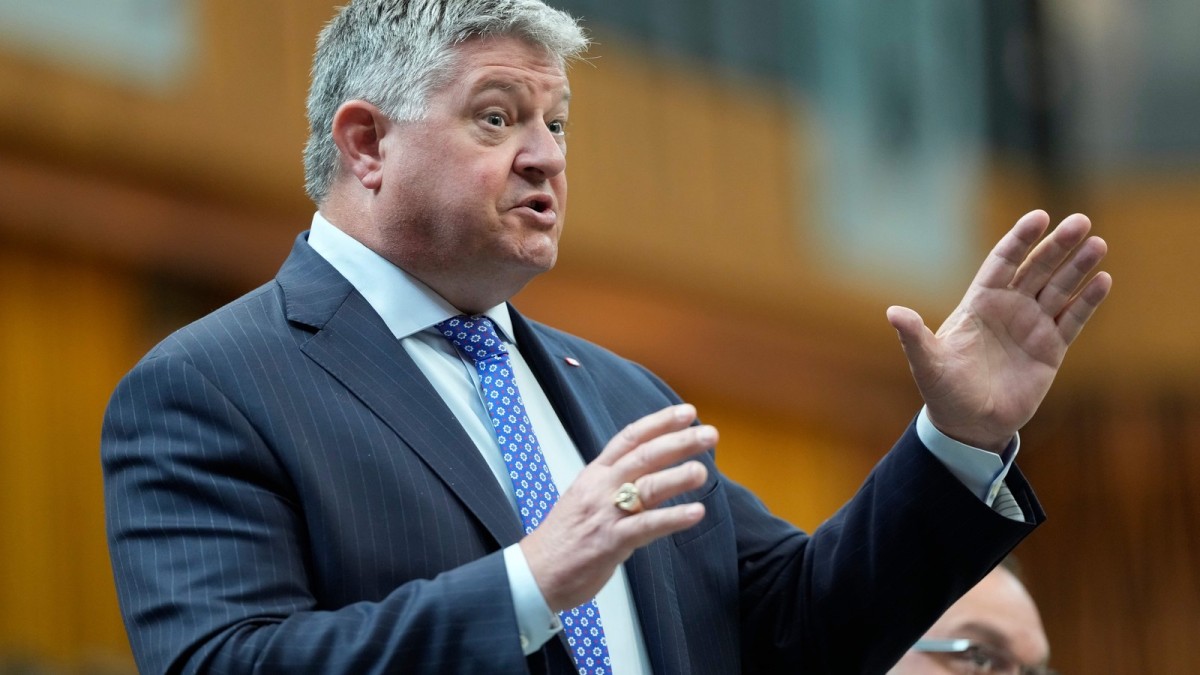
Conservative MP Scott Aitchison announced Wednesday that he will step down from his seat in the House of Commons after the fall parliamentary session ends. In a statement posted to social media, the 53‑year‑old representative for Parry Sound–Muskoka said the decision comes after three decades of public service, ranging from municipal politics in Huntsville to seven years in Ottawa as a voice for his riding.
Why Aitchison is leaving
Aitchison described his resignation as “a difficult decision” but framed it as a natural transition after “30 years of public life.” He indicated that the next chapter will involve “exploring new opportunities,” without specifying what those might entail. The tone of his statement was measured, thanking voters, colleagues and party leader Pierre Poilievre for the privilege of serving together.
His departure marks the eighth Conservative MP to exit Pierre Poilievre’s caucus since the 2025 election, a trend noted by Global News on Tuesday. The cumulative effect of these resignations has left six seats vacant in the House of Commons; Aitchison’s exit will raise that number to seven.
Political context of the resignations
Since the spring of 2025, the Conservative caucus has seen a series of departures. Four MPs crossed the floor to sit with Prime Minister Justin Trudeau’s Liberal government under the leadership of former Bank of Canada governor Mark Carney. One MP moved to the Senate as an independent, and three—including Aitchison—have simply quit politics altogether. The pattern suggests a period of flux within the party, though the source material does not elaborate on the motivations behind each individual decision.
Despite these exits, the Parry Sound–Muskoka riding remains a relatively safe Conservative seat. Historically, the riding was held by Tony Clement from 2006 to 2019, and before that by Liberal Andy Mitchell from 1993 to 2006, who served in former Prime Minister Paul Martin’s cabinet. Aitchison’s tenure, beginning with his election in 2019, continues a Conservative hold on the constituency.
Aitchison’s political journey
Scott Aitchison entered public life at a young age, first being elected to Huntsville town council at 21. He later served as mayor before moving to federal politics. Over the past seven years in Parliament, he has positioned himself as an “outstanding voice” for the people of Parry Sound–Muskoka, emphasizing affordability and community concerns. His long‑standing connection to the cottage country region underpins his reputation as a dedicated public servant.
In his statement, Aitchison highlighted the broader mission of the Conservative caucus: “to champion efforts to make life more affordable for all Canadians.” This aligns with the party’s ongoing narrative of addressing cost‑of‑living pressures, a theme that resonates with many constituents across Ontario and beyond.
Reactions from party leadership
Prime Minister Justin Trudeau’s government was not directly quoted in the source material, but Conservative leader Pierre Poilievre issued a statement praising Aitchison’s service. Poilievre described him as “a friend, a dedicated public servant and a man who cares deeply about the people he represents.” The acknowledgement underscores the personal rapport between the two, as well as the party’s desire to present a united front despite recent departures.
Poilievre’s gratitude extended to Aitchison’s contributions to both the party and his community, reflecting a tone of respect and collegiality. The leader’s remarks also hinted at continuity, suggesting confidence that the Conservative mission to address affordability will persist beyond Aitchison’s exit.
Implications for the Parry Sound–Muskoka riding
With Aitchison’s seat set to become vacant, the riding will face a by‑election to fill the position. While the source material does not detail the timeline or potential candidates, the historical safety of the seat for the Conservatives suggests that the party will likely aim to retain it. However, the vacancy adds to the broader tally of open seats, potentially influencing party dynamics in the House.
The riding’s electorate has previously demonstrated flexibility, having elected a Liberal MP who served in a federal cabinet before returning to Conservative representation. This history may shape campaign strategies, particularly around issues of affordability and local development that Aitchison emphasized during his tenure.
Broader impact on the Conservative caucus
The cumulative effect of seven vacant seats—including the upcoming vacancy from Aitchison—raises questions about the Conservative caucus’s capacity to maintain a cohesive legislative agenda. While the source material does not provide specific numbers on how these vacancies affect voting strength, the pattern of departures since 2025 indicates a period of transition.
Party leader Pierre Poilievre’s public gratitude toward departing members suggests an attempt to manage the narrative and preserve morale. By framing each exit as a personal decision rather than a political crisis, the leadership may be seeking to minimise disruption and maintain focus on policy priorities, such as making life more affordable for Canadians.
Looking ahead: what Aitchison’s resignation signals
Scott Aitchison’s resignation, framed as a personal milestone after three decades of service, adds to a series of changes within the Conservative ranks. While the source material does not disclose his future plans, his reference to “exploring new opportunities” hints at a possible shift toward roles outside elected office, perhaps in community advocacy or the private sector.
For Canadians watching the political landscape, the departure underscores the fluid nature of parliamentary representation, especially in a post‑2025 environment marked by floor‑crossings and retirements. As the fall parliamentary session concludes, the upcoming by‑election in Parry Sound–Muskoka will serve as a barometer for how the Conservative base responds to these transitions and whether the party can sustain its message on affordability amid internal change.
This article was produced with AI-assisted research and editorial support. Reporting is based on the source material cited below. Sources: Global News Canada; globalnews.ca; Global1.News (30 September 2026).
By Alex Thompson, Staff Writer
What's Your Reaction?
 Like
0
Like
0
 Dislike
0
Dislike
0
 Love
0
Love
0
 Funny
0
Funny
0
 Wow
0
Wow
0
 Sad
0
Sad
0
 Angry
0
Angry
0

Canada Correspondent at Global1.News. Based in Toronto, covering Canadian politics, energy, trade, and US-Canada relations. Provides the Canadian perspective on North American and global affairs.













Comments (0)