
Conakry 72 Hours of the Book Festival Turns 18
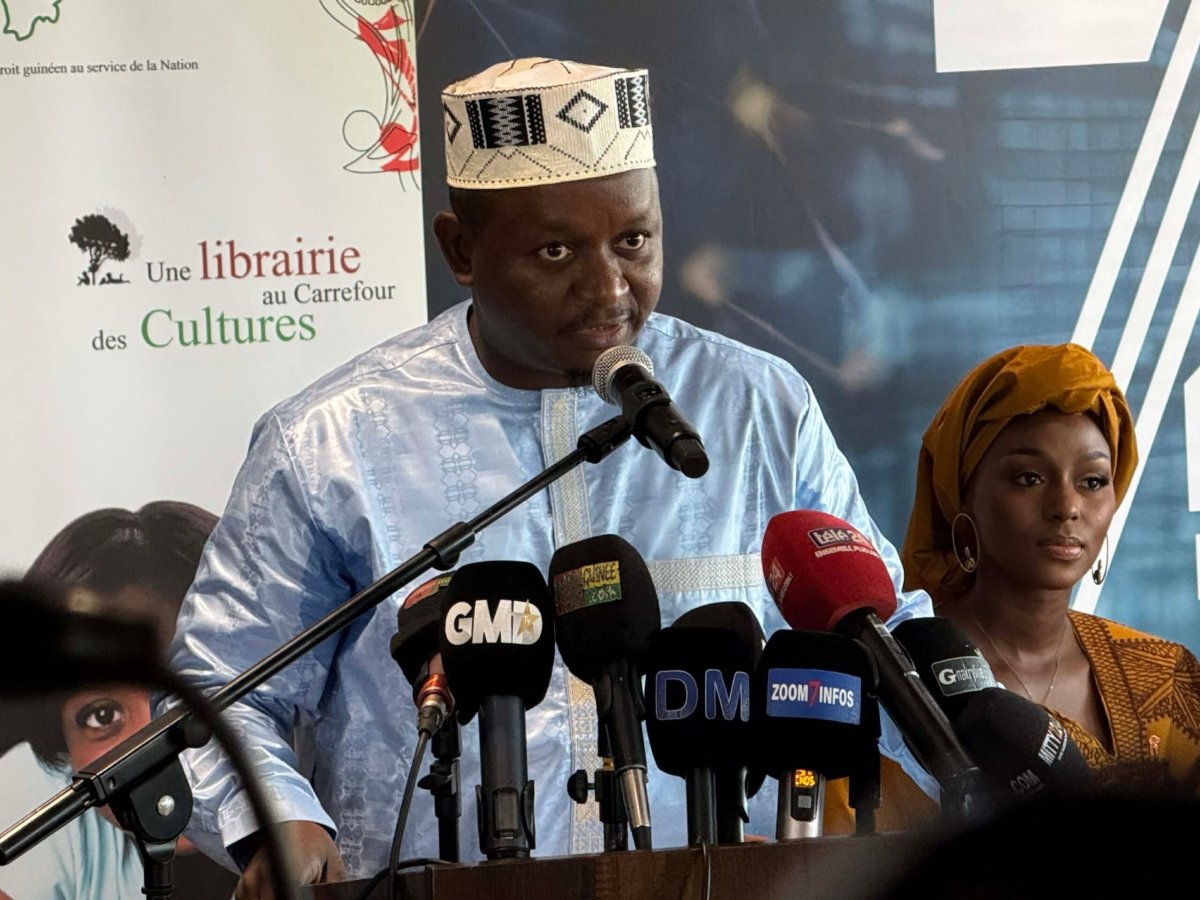
Guinea's capital Conakry hosted the 18th edition of the "72 Hours of the Book" festival, one of West Africa's signature literary gatherings, in a celebration that placed youth and digital innovation at the centre of the continent's reading culture.
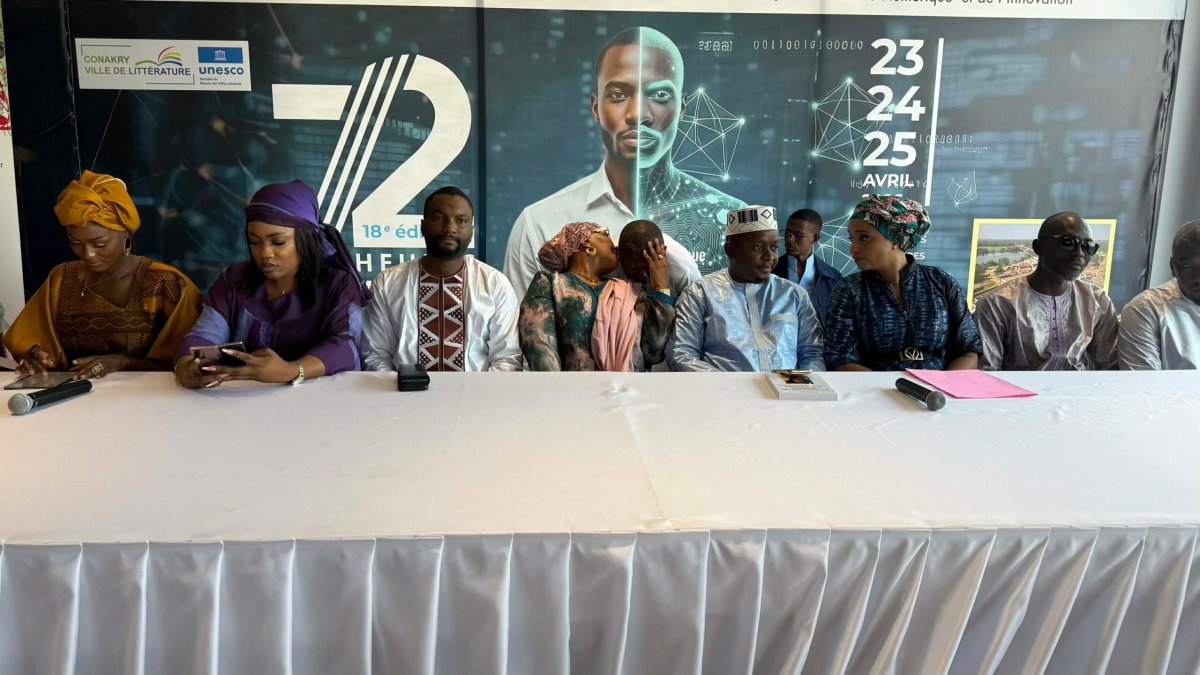
Guinea's capital Conakry hosted the 18th edition of the "72 Hours of the Book" festival, one of West Africa's signature literary gatherings, in a celebration that placed youth and digital innovation at the centre of the continent's reading culture. From 23 to 25 April 2026, the city transformed into a living library, drawing authors, publishers, students and book lovers from across Francophone Africa to the shores of the Atlantic. This year, the festival asked a bold question: can the printed page hold its own against the smartphone in a nation where nearly 80 percent of the population is under 35?
Conakry's '72 Hours of the Book' Turns 18: A Festival Built on Youth, Digital Dreams and the Power of the Page
Conakry, Guinea — Eighteen editions is no small feat for any cultural event, but for a literary festival in West Africa, it borders on the extraordinary. The 72 Heures du Livre has outlasted political transitions, economic turbulence and the rise of digital distraction, and this year it returned with a theme that speaks directly to the continent's future: "Youth and Digital: Creativity, Innovation, Engagement." The festival, organized by L'Harmattan Guinée publishing house and founded by Sansy Kaba Diakité, has become a cornerstone of Guinea's cultural calendar, and its coming-of-age edition signals a new chapter for reading in Africa.
A Festival Comes of Age on the Shores of Lac Gbassikolo
The launch night on Thursday 23 April unfolded at the mythical Lac Gbassikolo in the Kaloum commune, a setting that blends Conakry's urban energy with the serenity of water and open sky. The ceremony drew government ministers, diplomats, publishers and hundreds of young readers who gathered as the sun set over the lake, transforming the waterfront into an open-air amphitheatre of words and music.
The atmosphere was electric from the first notes. Soul Bang's, one of Guinea's most celebrated musical acts, performed the national anthem alongside the military prytanées, their voices rising in unison and setting a tone of pride and purpose. Then came the kora, that quintessential West African instrument, played by the virtuoso N'Faly Kouyaté, who was joined by Kabinet Kandia Kouyaté for a performance that bridged generations and genres. The music was not merely entertainment; it was a reminder that the book festival in Guinea has always been a cultural celebration in the fullest sense.
Presiding over the ceremony was honorary president Djiba Diakité, Minister Director of Cabinet at the Presidency, whose presence underscored the state's commitment to the written word. The festival's founder, Sansy Kaba Diakité, watched from the front row as 18 years of labour came into focus, a journey that began with a simple conviction: that Guineans deserve a space to celebrate their authors and their stories.
Eighteen consecutive editions is a milestone that few West African literary festivals can claim. In a region where cultural events often struggle to secure funding and sustained public interest, the 72 Hours of the Book has demonstrated remarkable resilience. Through political transitions, economic turbulence and the rise of digital distraction, it has held firm to its core mission of promoting reading and publishing across Guinea.
The choice of Lac Gbassikolo as the launch venue was itself symbolic. The lake, nestled in the heart of Kaloum, has long been a gathering place for Conakry's creative community, and hosting the opening there signalled that the festival belongs to the city's cultural geography, not just its institutional calendar. As night fell and the kora strings faded, the crowd dispersed with the anticipation of three days of panels, signings and discoveries ahead.
Youth and Digital: A Theme Born From Guinea's Demographics
The theme "Youth and Digital: Creativity, Innovation, Engagement" was not chosen by accident. It reflects the demographic reality of Guinea, where nearly 80 percent of the population is aged between 18 and 35. This is a nation of young people, and any conversation about the future of reading must begin with them. The festival's organizers understood that to ignore this generation would be to plan for a future that will never arrive.
The digital dimension of the theme opened up new conversations about how Guineans consume content. Panels explored the rise of e-books, the potential of online reading platforms and the development of literacy apps tailored to local languages. The festival did not treat digital as a threat to the printed page but as a complement, a way to meet young readers where they already are, on their phones and tablets.
In the weeks leading up to the festival, commissioner general Aïcha Kaporo Soumah led a tour of schools and universities across Conakry, bringing the festival's message directly to students. These pre-festival visits were designed to spark curiosity and engagement, encouraging young people to see reading not as a chore but as a gateway to creativity and innovation. The tour was a reminder that a festival is not just three days of events; it is a sustained conversation with the community.
The co-sponsorship of the Ministry of Youth and Sports and the Ministry of Communication, Digital Economy and Innovation gave the theme institutional weight. This was not a symbolic gesture but a practical alignment of government priorities with cultural programming. The ministries' involvement signals that the festival is seen as a tool for youth development, not merely an entertainment event.
By framing the book as a tool of transformation rather than a museum object, the festival positioned itself at the intersection of culture and development. The message was clear: reading is not a nostalgic pastime but a vital skill for the digital age. In a country where young people face significant unemployment and limited opportunities, the festival offered a vision of creativity and innovation as pathways to a better future.
Conakry's UNESCO Moment: From Creative City to African Book Capital
This year's festival carried an extra layer of pride following Conakry's designation as a UNESCO Creative City in Literature in October 2025. The recognition placed the Guinean capital in an elite global network of cities that have demonstrated a commitment to literature as a driver of sustainable development. For a city that has long been overshadowed by Dakar and Abidjan in the Francophone literary world, the UNESCO label was a validation of years of grassroots work.
Conakry is no stranger to international recognition. The city served as UNESCO World Book Capital in 2017, a designation that brought global attention to its publishing scene and reading culture. The 2025 Creative City designation builds on that foundation, opening new doors for collaboration with other literary cities around the world and attracting investment in cultural infrastructure.
The governor of Conakry spoke with evident pride about hosting the 18th edition in a capital that now carries international literary credentials. The festival, he suggested, is not just a local event but a showcase for what Guinean culture can achieve on the world stage. The UNESCO label has given the city's cultural actors a new confidence, a sense that their work is being seen and valued beyond national borders.
For Guinean publishers and authors, the UNESCO recognition translates into tangible opportunities. International partnerships, translation deals and invitations to global literary events are all more accessible with the Creative City designation. The festival serves as a platform to leverage these opportunities, connecting local talent with international networks.
The ambition is clear: to make Conakry a true African book capital, a city where literature is not an afterthought but a central pillar of identity and economy. The 72 Hours of the Book is the vehicle for that ambition, and this year's edition celebrated the UNESCO label with panels and discussions on what it means to be a Creative City of Literature in Africa.
A National Celebration: Thirteen Communes and the Honour City of Forécariah
In a departure from tradition, this year's festival honoured Conakry's 13 communes as guests of the edition, replacing the customary guest country. The innovation was a deliberate move to celebrate the diversity within the capital itself, recognizing that Conakry is not a monolith but a patchwork of neighbourhoods, each with its own character and cultural traditions. The communes competed in the "Imagine ta médiathèque" competition, a creative contest supported by the National Agency for Local Authority Financing that invited each commune to design its dream media library.
The competition was more than a symbolic exercise. It encouraged communities to think concretely about what reading infrastructure they need and how to make it a reality. The winning designs will inform future investment in public reading spaces, ensuring that the festival's impact extends beyond the three days of events.
Beyond the capital, the festival reached out to Forécariah, which was named guest city of honour. The coastal town will host closing activities on 26 April by the banks of the Kissikissi river. Kalémoudou Yansané, representing Forécariah, confirmed the town's readiness with a warm welcome: "Forécariah is ready to welcome you on the banks of the Kissikissi river on 26 April 2026."
The festival program was as rich as ever, featuring a book fair, author signings, readings, round tables, workshops, conferences, film screenings and slam poetry sessions. The Grand Prix littéraire of the President of the Republic, one of the festival's most anticipated moments, saw its laureate announced on 22 April, adding a competitive edge to the celebrations and honouring the best of Guinean and Francophone writing.
By honouring the communes and Forécariah, the festival reinforced its national character. This was not a Conakry event that happened to be in Guinea; it was a Guinean event that happened to be in Conakry. The inclusion of local communities, from the capital's neighbourhoods to the coastal towns, ensured that the festival's benefits were widely shared.
Voices of the Festival: What Organizers and Leaders Say
Commissioner general Aïcha Kaporo Soumah, who has steered the festival through recent editions, captured the moment with characteristic clarity. "18 years is not 18 days," she said, emphasizing the longevity and accumulated wisdom of the event. She called the festival "mythical" and described the theme as "a formidable accelerator of transformation," words that reflect her conviction that books and digital tools can work together to reshape Guinean society.
Diaka Camara, the entrepreneur, producer and author who presided over the edition's organizing committee, offered a poetic vision of the festival's purpose. "The 72 Hours of the Book are not just a fair. It is a living force that awakens, connects and transforms," she said. Camara's words resonated with the festival's broader mission: to be more than a marketplace for books, but a catalyst for personal and collective change.
Culture Minister Moussa Moïse Sylla placed the festival within a larger governmental vision. "Culture is no longer peripheral in our country, it is central and structuring. It is a powerful economic, social and identity lever," he declared. His remarks signal a shift in how Guinean authorities view the cultural sector, no longer as a luxury but as a driver of development.
The United Nations resident coordinator in Guinea added an international perspective, observing that "the power of the book is not surpassed by smartphones, it is amplified." The comment acknowledged the digital reality of young Africans while affirming the enduring relevance of the printed word. In an age of distraction, the book remains a technology of focus and depth.
These voices, from the national to the international, converge on a single point: the 72 Hours of the Book matters. It matters for Guinea's cultural economy, for its young people and for the wider Francophone African literary world that looks to Conakry as a beacon of literary vitality.
What to Watch For: A Biennale Dream and a Continent Reading
The organizers have set their sights on an ambitious goal: the creation of a future African book biennale in Guinea. Such an event would place the country at the centre of continental literary exchange, drawing publishers, authors and readers from across Africa and beyond. The momentum created by the UNESCO label and 18 years of festival continuity provides a solid foundation for this dream.
The next editions of the 72 Hours of the Book could have profound implications for Guinean publishing, literacy and youth employment. A thriving literary ecosystem creates jobs, from editors and printers to booksellers and event organizers. It also fosters a reading culture that benefits education and civic engagement, equipping young people with the critical thinking skills they need to navigate a complex world.
The festival occupies a distinctive place in the wider African literary calendar, alongside major events in Dakar, Abidjan, Lagos and Marrakech. Each of these gatherings contributes to a continental ecosystem of letters, and Conakry's event holds its own with a distinctive Guinean flavour. The growing digital reading ecosystem across the continent, from mobile platforms to community libraries, suggests that the audience for African literature is expanding rapidly.
Why does a book festival matter in a young, connected Africa? Because it asserts that attention is valuable, that stories matter and that the written word is a technology of liberation. In a continent of young nations, where the median age is among the lowest in the world, the habits formed today will shape the societies of tomorrow. A festival that celebrates reading is an investment in that future.
As the 18th edition drew to a close, with the final events unfolding by the Kissikissi river in Forécariah, the sense of achievement was palpable. Eighteen years of the 72 Hours of the Book have proven that Guineans love their literature and that the world is beginning to take notice. The biennale dream may be ambitious, but so was the original festival, and look what it has become.
By Amara Diop, Staff Writer
This article was produced with AI-assisted research and editorial support. Reporting is based on sources cited in the article.
What's Your Reaction?
 Like
0
Like
0
 Dislike
0
Dislike
0
 Love
0
Love
0
 Funny
0
Funny
0
 Wow
0
Wow
0
 Sad
0
Sad
0
 Angry
0
Angry
0

West Africa/Sahel Correspondent at Global1.News. Dakar-based journalist covering politics, security, climate, and development across Francophone and Anglophone West Africa. Tells the stories of a region undergoing profound transformation.











Comments (0)