
Chale Wote 2026: Accra's 'Carnival of the Black Sun' Lights Up Jamestown
Next week, the streets of Jamestown in Accra will burst into colour as the Chale Wote Street Art Festival returns for its 2026 edition. Under the theme "Carnival of the Black Sun", West Africa's most celebrated public arts festival will once again transform one of Ghana's oldest neighbourhoods into an open-air gallery of murals, music, dance and film — free to everyone who walks through it. Chale Wote 2026: Accra's 'Carnival of the Black Sun' Lights Up Jamestown Accra, Ghana — For one week...
Next week, the streets of Jamestown in Accra will burst into colour as the Chale Wote Street Art Festival returns for its 2026 edition. Under the theme "Carnival of the Black Sun", West Africa's most celebrated public arts festival will once again transform one of Ghana's oldest neighbourhoods into an open-air gallery of murals, music, dance and film — free to everyone who walks through it.
Chale Wote 2026: Accra's 'Carnival of the Black Sun' Lights Up Jamestown
Accra, Ghana — For one week every August, the colonial-era fishing district of Jamestown stops being a quiet corner of Accra and becomes the continent's largest open-air art gallery. This year's edition, running from August 10 to 16 under the banner Carnival of the Black Sun, brings together artists, performers, filmmakers and cultural practitioners from across Africa and the diaspora — continuing a tradition that began in 2011 with a single day of street painting and has since grown into a defining event of the continent's creative calendar.
A Festival Born in Jamestown's Streets
The Chale Wote Street Art Festival was founded in 2011 by the ACCRA[dot]ALT collective. Co-founders Mantse Aryeequaye and Sionne Neely launched the first one-day edition that featured graffiti street painting, music and spoken word performances in Jamestown. The festival's origin grew from an idea to create a public accessible platform where art could live outside galleries. The founders drew inspiration from global street art festivals yet wanted something uniquely Ghanaian rooted in community history and everyday life.
The name Chale Wote comes from Ga slang meaning friend, let's go, and it also refers to flip-flops worn along the coast. This everyday word captured the festival's invitation to step out and join the public celebration. Jamestown remains a colonial-era fishing district beside Accra's old harbour. Its narrow lanes and historic buildings provided the raw setting where art moved directly onto walls and streets rather than staying inside galleries.
The festival took art out of formal spaces and placed it in the hands of the community. Residents and visitors alike could paint, watch and dance without paying fees or entering ticketed venues. Roots in Ga traditions shaped the early programming. Community life around the harbour, with its fishing boats and open courtyards, supplied the rhythms and social patterns that still guide how the event unfolds each year. The first edition lasted just one day with graffiti, street painting, music and spoken word. Over time the event transformed from a handful of performers to hundreds of local and international artists across music film dance fashion and literature.
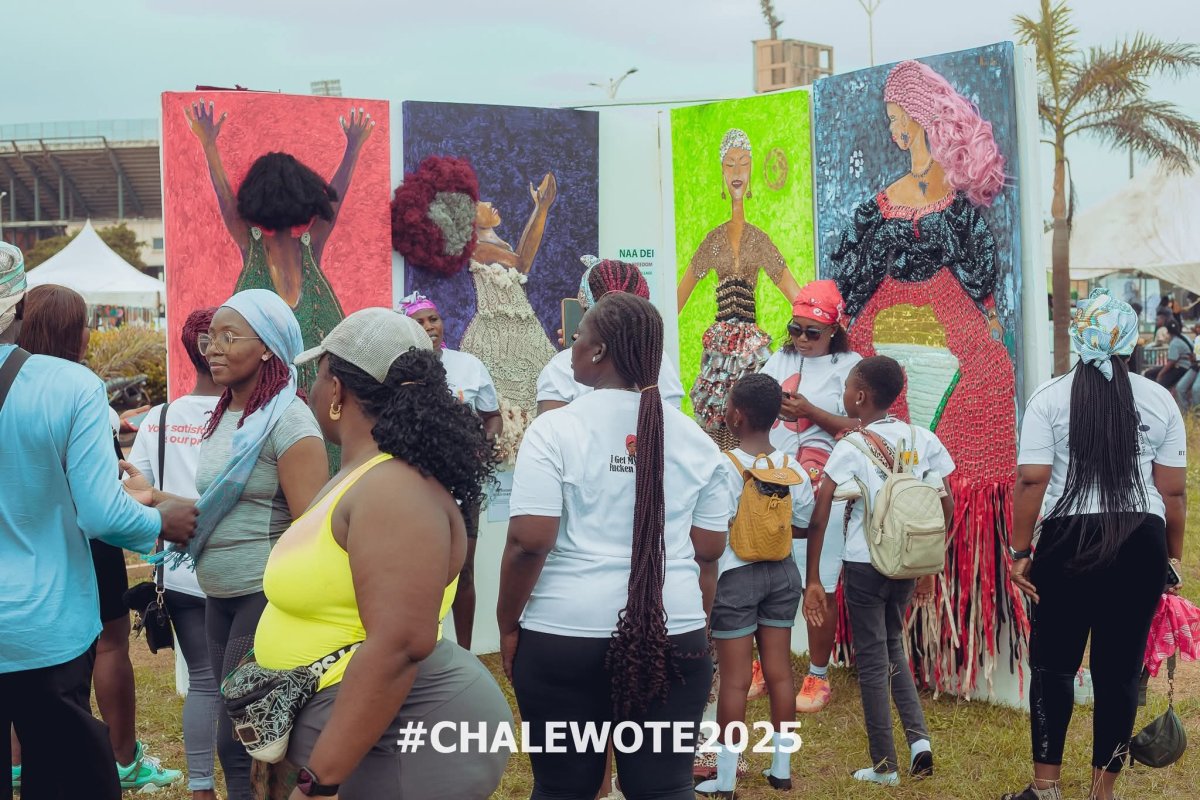
Carnival of the Black Sun: What's Coming in 2026
Chale Wote 2026 runs August 10-16, 2026 in Jamestown, Accra. The 2026 theme Carnival of the Black Sun will guide murals, installations and performances across multiple sites. The significance of the Black Sun imagery in African and diasporic cosmology points to cycles of renewal and hidden light within collective memory. Venues for 2026 include Nationalism Park and Black Star Square. These locations expand the footprint while keeping the core action in Jamestown's historic streets. Black Star Square is named after the Black Star of Africa in Ghana's flag.
An open call invites artists from across Africa and the diaspora to submit work. The open call is organised by ACCRA[dot]ALT in association with Redd Kat Pictures and the Chale Wote Street Art Project. American muralist Matthew Mederer known as Cool Disco Rich is travelling to Ghana for the first time to create a new large-scale piece. His monumental colourful improvisational style will add fresh energy to the walls. Programming mixes murals, installations, live music, performance, dance, fashion, film and food. All events remain free and community-driven, drawing 20,000 plus visitors annually. The 2026 edition marks the festival's 16th year. Organizers continue the practice of placing new works directly onto Jamestown walls so the art remains visible long after the official dates end. Artists from Africa Europe the Americas and Asia are expected to participate.
Art as Memory and Resistance
Each edition adopts a theme that interrogates social, political and cultural issues. Themes turn the festival into a space of memory resistance and renewal rather than pure entertainment. The 2025 edition ran August 15-25 under the theme The Orbs Beneath the Nile Lead to Kongo, which highlighted African spiritual lineages, healing traditions and liberation struggles. The 2025 theme explored the Black Atlantic spiritual connection between the Nile and Kongo. The 2025 edition opened with a Day of Remembering procession from the Osu Klottey Temple. It was led by Nuumo Noi Osikan III, the Osu Klottey Wulomo, and spiritual custodian Samoah MacHanson. The procession passed the 28th February Crossroads and Black Star Gate to Nationalism Park.
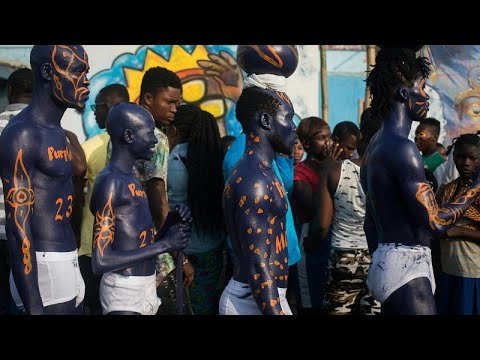
The burning of Nmatso formed part of the festival's cleansing ritual. Artist Nii Noi Candos built a towering sculpture from ocean debris that stood as a reminder of coastal environmental concerns. Herbalist Naa Adjeley Tsofanye led healing sessions at the 2025 festival. These labs connected traditional plant knowledge with public participation in Jamestown and Osu. The Film Salon screened Muhammida El Muhajir's When Malcolm Smiled, which documented Malcolm X's 1964 visit to Ghana. Other 2025 films included Ato Hasford's Rhythms of Reclamation and Dr. Niyi Coker Jr.'s Ota Benga. Ukrainian filmmaker Solomiia Zhmuro presented poetic works on trauma and healing. Amari Rebel's performance invoked ancestral wisdom. The Angilo Fashion Institute showed beauty as empowerment. The Gbagbasete Procession brought painted bodies, music and murals through the streets in a single moving installation.
The Creative Engine of Ghana's Music and Fashion
The festival has shaped Ghana's creative industries through repeated exposure. The festival seeds an outsized share of Ghana's fashion music and design vocabulary. The Asakaa Boys and Yaw Tog's drill scene emerged from the Chale Wote ecosystem before Yaw Tog's Sore went global. The Sore remix with Stormzy arrived on March 4 2021 and the visual language of the drill scene was established in the Chale Wote crowd two years earlier. Black Sherif's outerwear formed part of that aesthetic. Amaarae, Joey B and La Meme Gang performed early on the Accra[dot]Alt circuit. These appearances helped build audiences that later supported their international releases.
M.anifest has carried cultural pride into performances at the event. Fashion designers and stylists from brands like Christie Brown and Free The Youth gather at the festival to present new collections. The festival functions as an unofficial A and R room for the music industry. It serves as a more important A&R room than most award venues because tickets are free and the audience is honest. Scouts and producers watch live sets in real time while 20,000 plus visitors move between stages and street installations. The sub-$5,000 community budget keeps the focus on participation rather than profit. The layered sound system stack of highlife-afrobeats-electronic-Pidgin-drill creates an atmosphere no streaming playlist captures. The crowd includes stylists designers buyers and journalists. Stylists use the event to test looks that later appear in music videos and runway shows. The overlap between sound systems and clothing displays creates a single marketplace for emerging talent.
From Jamestown to the World
The festival acts as a magnet for cultural tourism that boosts Accra's economy each August. The festival has inspired similar public art festivals in other African cities. Its model of free public access and community leadership has been adapted in places where formal gallery systems remain limited. Venues have expanded to include the Nubuke Foundation and the Museum of Science and Technology. This growth allows larger film screenings and workshops while the original Jamestown core stays intact. A debate continues over the Osu expansion between professionalisation and preserving Jamestown's raw energy. 2025 was the festival's 15th edition and its third staging in Osu, where the number three signifies certainty in Ga cosmology.
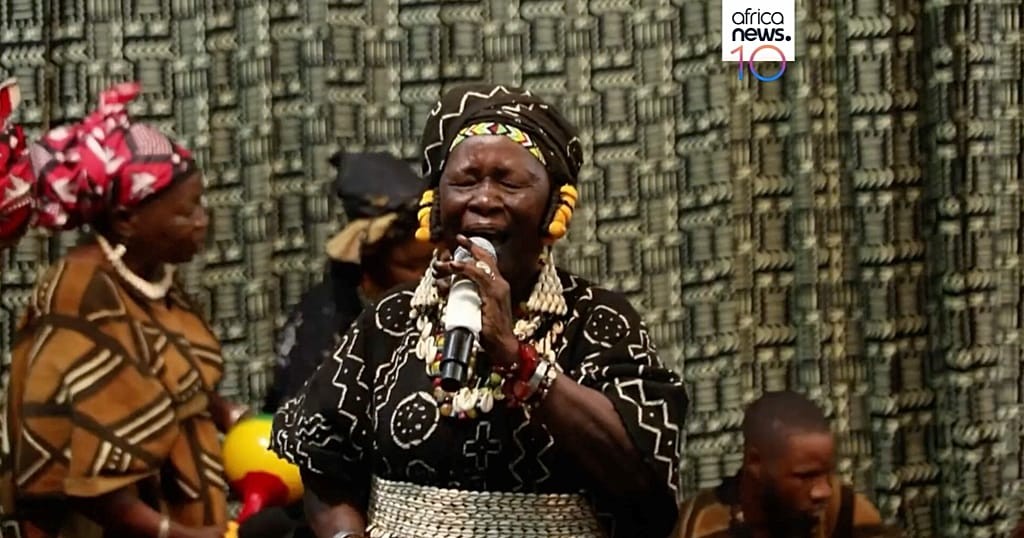
The 2021 edition was held under COVID restrictions and covered by africanews. Organizers adapted by limiting crowds yet kept the street-painting tradition alive along High Street. Murals from past years stay up year-round along Jamestown's High Street. These permanent works turn the neighbourhood into a living record of the festival's growth from a single day in 2011 to a multi-venue event. The festival serves as cultural diplomacy through art. Participants arrive from Africa, Europe, the Americas and Asia to take part in the public programme.
What to Watch For
Visitors from August 10-16 2026 can expect new murals that will remain visible along High Street long after the dates pass. Night film screenings and noon body-painting sessions will run alongside sound systems mixing highlife, afrobeats, electronic and drill. Skate sessions and drone visuals seen in recent editions will add movement and aerial perspectives. The week-by-week rhythm of the 2026 programme will unfold from August 10-16 with daily layers of activity.
The festival serves as a living archive of African creativity. Each year's theme builds on the last, creating a continuous record of how artists respond to current conditions across the continent. The legacy rests on a grassroots call that became a continental movement of art, freedom and radical joy. Senegalese artists who have attended often return home carrying ideas that echo in Dakar street events and community workshops. Jamestown residents still open their courtyards for performances, keeping the event rooted in daily life rather than turning it into a distant spectacle. This connection ensures the festival retains its original spirit even as it reaches new audiences. The permanent murals stand as a record of growth from that first single day in 2011.
By Amara Diop, Staff WriterThis article was produced with AI-assisted research and editorial support. Reporting is based on sources cited in the article.
What's Your Reaction?
 Like
0
Like
0
 Dislike
0
Dislike
0
 Love
0
Love
0
 Funny
0
Funny
0
 Wow
0
Wow
0
 Sad
0
Sad
0
 Angry
0
Angry
0
West Africa/Sahel Correspondent at Global1.News. Dakar-based journalist covering politics, security, climate, and development across Francophone and Anglophone West Africa. Tells the stories of a region undergoing profound transformation.










Comments (0)