
Canada Suspends Trade Talks, Vows Dollar-for-Dollar Response to U.S. Tariffs
Canada suspends U.S. trade talks and recalls negotiators after 50 per cent tariffs on $28B in exports take effect. PM Mark Carney vows a dollar-for-dollar response.
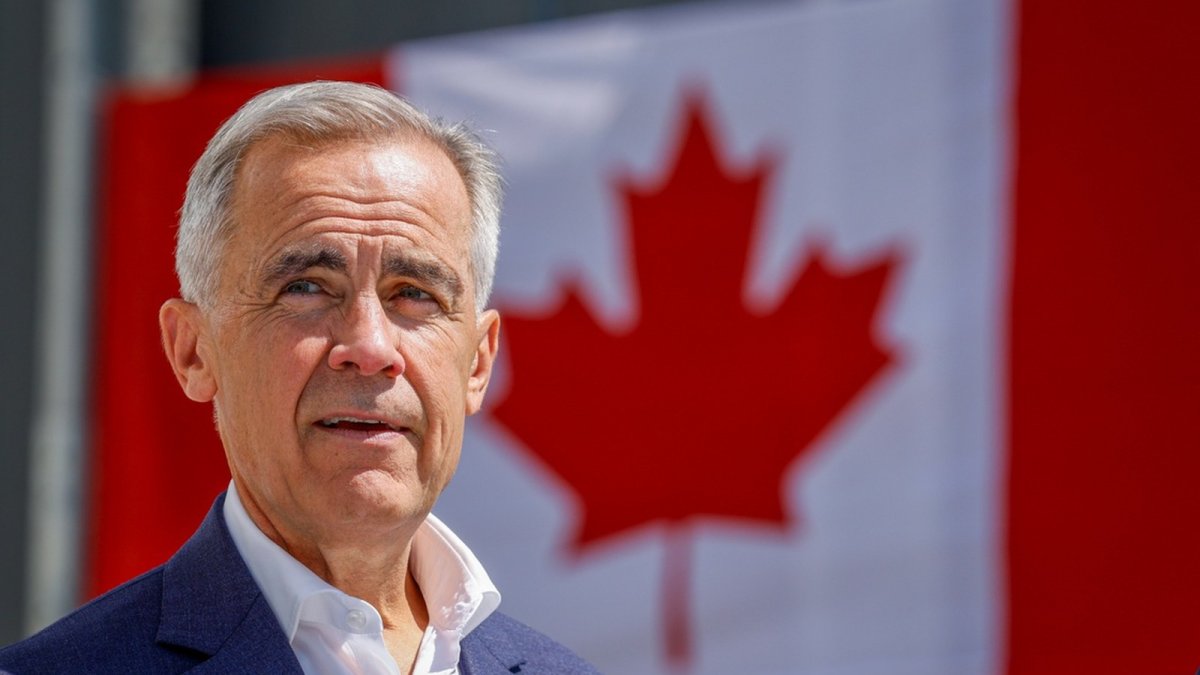
Canada Suspends Trade Talks, Vows Dollar-for-Dollar Response to U.S. Tariffs
Prime Minister Mark Carney announced late Friday that Canada will respond "dollar for dollar" to new U.S. tariffs on Canadian goods, as Ottawa suspended trade negotiations with Washington and recalled its negotiating team. The move came as President Donald Trump's new 50 per cent tariffs on billions of dollars worth of Canadian exports took effect at 12:01 a.m. Eastern Saturday, after the two countries failed to finalize a comprehensive trade deal ahead of the U.S. deadline.
Tags: U.S. tariffs, Canada-U.S. trade, Mark Carney, Donald Trump, Section 338, CUSMA, Doug Ford, David Eby, Danielle Smith, Canadian Chamber of Commerce, dairy, autos, alcohol, retaliatory tariffs, trade negotiations
The Story — Talks Collapse at the Eleventh Hour
Ottawa – August 22, 2026 — The tariffs were originally set to kick in Wednesday, but Trump announced a three-day pause to allow trade talks — which had intensified over the past few weeks after the tariffs were first threatened — to conclude. While Trump said at the time "we have a deal" with Canada, Canadian officials were more cautious, saying final details and legal language still needed to be finalized. Negotiators ultimately left Washington on Friday without a completed agreement as the tariffs took effect overnight.
In a statement late Friday, Carney said Canada was suspending trade negotiations and recalling its negotiating team to Ottawa, arguing that last-minute changes to the U.S. position were unfair, uneconomic and raised questions about the reliability of any agreement. Carney said recent progress had not been enough to meet Canada's objectives, which included preserving broad access to the U.S. market, reducing tariffs on key sectors and protecting Canadian businesses. He also said Canada would match the new U.S. tariffs "dollar for dollar" and announce additional support measures for affected workers and businesses in the coming days.
U.S. Trade Representative Jamieson Greer, however, blamed Canada for the collapse of the talks, saying Ottawa declined to finalize a deal under terms agreed to earlier in the week. Greer said the United States had offered Canada preferential treatment and additional tariff relief, but that new Canadian demands and reversals of previous commitments upended the agreement.
Canadian Context — What's Being Tariffed and Why
The new tariffs are being imposed under Section 338 of the U.S. Tariff Act, which allows a president to tariff any country that "discriminates" against U.S. commerce. Greer says nearly US$20 billion worth of Canadian imports will be tariffed, an amount that will "offset" the economic impact of Canada's "unreasonable and discriminatory" measures. Greer also criticized Canada for maintaining retaliatory measures against the United States, including restrictions on some American goods and services.
The tariffs are grouped by three executive orders loosely themed around motor vehicles, dairy and alcohol. But the content of each of Trump's actual tariff lists is broader and not necessarily tied to those items. The new tariffs will be applied to roughly five per cent of all of Canada's exports to the United States, to a value of roughly $28 billion annually.
Affected goods include whey and milk protein concentrates, casein, lactose, glucose and fructose; beer, wine, liquor and cider; wood marquetry, wooden furniture, skewers and ice cream sticks; ice hockey and field hockey equipment; tulips, orchids, mushroom spawn and mosses; perfumes containing alcohol; synthetic paints and printer inks; household tableware and kitchenware; luggage and musical instrument cases; fibreboard, laminate and plywood sheets; paper, wallpaper and binders; silk, yarn, carpet and various textiles; T-shirts, sweaters, trousers, dresses, gloves and coats; wigs and false beards; gold, silver and imitation jewellery; refrigerating and freezing furniture; semiconductors for data transmission; radar equipment, antennae and optical fibre cables; motorcycles with engines of 800 cc or greater; furniture seats and parts; paintings, drawings and collages; postage stamps; and antiques aged between 100 and 250 years.
The federal auto tariffs and the alcohol bans, which remain in effect everywhere but Alberta and Saskatchewan, were both initiated in response to Trump's initial tariffs on Canada in 2025. Trump threatened the new tariffs in July to pressure Canada to move on a number of issues flagged as irritants to the U.S., including provincial bans on alcohol imports, tariffs on some American-made auto exports and quotas on tariff-free U.S. dairy exports.

Impact on Canadians — Businesses, Workers and Families
Business groups warned the tariffs will hurt both sides of the border. Candace Laing, president and CEO of the Canadian Chamber of Commerce, called the tariffs a "body blow to North American competitiveness" and said the duties are "not sustainable or viable for business." Laing said small Canadian exporters operating on tight margins will be forced to reassess orders, payrolls and staffing levels. She warned Americans will face higher costs while Canadian businesses could lose customers and investment as the trade dispute escalates.
Sources have told Global News the U.S. was prepared to lower — but not remove — sectoral tariffs on steel, aluminum and autos under the deal while withdrawing the new 50 per cent tariff order altogether. The deal was also set to include enhanced partnerships in areas including defence, critical minerals and energy. Canada, meanwhile, would address the three trade irritants cited by Trump for the new tariffs: provincial boycotts of U.S. alcohol, reciprocal tariffs on American autos and auto parts, and tariff-rate quotas for dairy exports under supply management.
Greer had said the proposal also included a broader economic and national security partnership covering export controls, digital trade, critical minerals and efforts to combat transshipment and forced labour, as well as a path toward formal negotiations on the Canada-U.S.-Mexico Agreement. He called Canada's decision not to sign the deal a "missed opportunity" to deepen cooperation with the United States.
Reactions and Analysis — Premiers Weigh In
Ontario Premier Doug Ford backed Carney's approach, saying the prime minister has his "full support for a strong response — tariff for tariff, dollar for dollar." Ford said "everything needs to be on the table" to protect Canadian sovereignty and economic security and that Ontario is ready to do its part.
B.C. Premier David Eby also voiced support for a tough response, saying British Columbians "will always stand with Canada" and that Canadian "politeness should never be mistaken for weakness." Eby said Canadians did not ask for the trade dispute but would "keep fighting for as long as it takes."
Alberta Premier Danielle Smith said "no one benefits from a trade war" and warned tariffs and counter-tariffs will hurt businesses, workers and families on both sides of the border. Smith said Alberta will continue advocating for a tariff-free relationship with the United States and urged Ottawa to restart negotiations as soon as possible.
What Happens Next
The imposition of the new tariffs puts into question efforts to renegotiate the Canada-U.S.-Mexico Agreement on free trade (CUSMA). Sources have told Global News that Canada was pursuing a three-step framework under the new trade deal that would lead to substantive talks to renew CUSMA, after the U.S. declined to do so at last month's scheduled review.
Carney said Canada would match the new U.S. tariffs "dollar for dollar" and announce additional support measures for affected workers and businesses in the coming days. The prime minister's statement emphasized that recent progress had not been enough to meet Canada's objectives, which included preserving broad access to the U.S. market, reducing tariffs on key sectors and protecting Canadian businesses.
For Canadian exporters, the immediate picture is sobering: a 50 per cent tariff on roughly $28 billion in annual exports represents a significant shock to sectors ranging from dairy and forestry to hockey equipment and textiles. For consumers, the ripple effects will likely be felt in higher costs and reduced choice as supply chains adjust. For the broader economy, the collapse of negotiations raises the stakes for the CUSMA review and for Canada's ability to secure predictable access to its largest trading partner.
The coming days will be critical. Ottawa has promised support measures for affected workers and businesses, and the premiers have signalled a united front — at least publicly. But the underlying tensions between Alberta's push for a tariff-free relationship and the federal government's dollar-for-dollar posture suggest the path forward will require careful navigation. As Carney's statement made clear, Canada's objective remains preserving broad access to the U.S. market — but the reliability of any future agreement with Washington now carries a significant question mark.
This article was produced with AI-assisted research and editorial support. Sources: Global News and The Canadian Press.
By Alex Thompson, Staff Writer
What's Your Reaction?
 Like
0
Like
0
 Dislike
0
Dislike
0
 Love
0
Love
0
 Funny
0
Funny
0
 Wow
0
Wow
0
 Sad
0
Sad
0
 Angry
0
Angry
0

Canada Correspondent at Global1.News. Based in Toronto, covering Canadian politics, energy, trade, and US-Canada relations. Provides the Canadian perspective on North American and global affairs.














Comments (0)